Ready, But Not Allowed?

Understand Permission Paralysis through lived moments, related tarot cards, and tarot reading insights from similar stuck-threshold questions.

Permission Paralysis

What does this feel like?

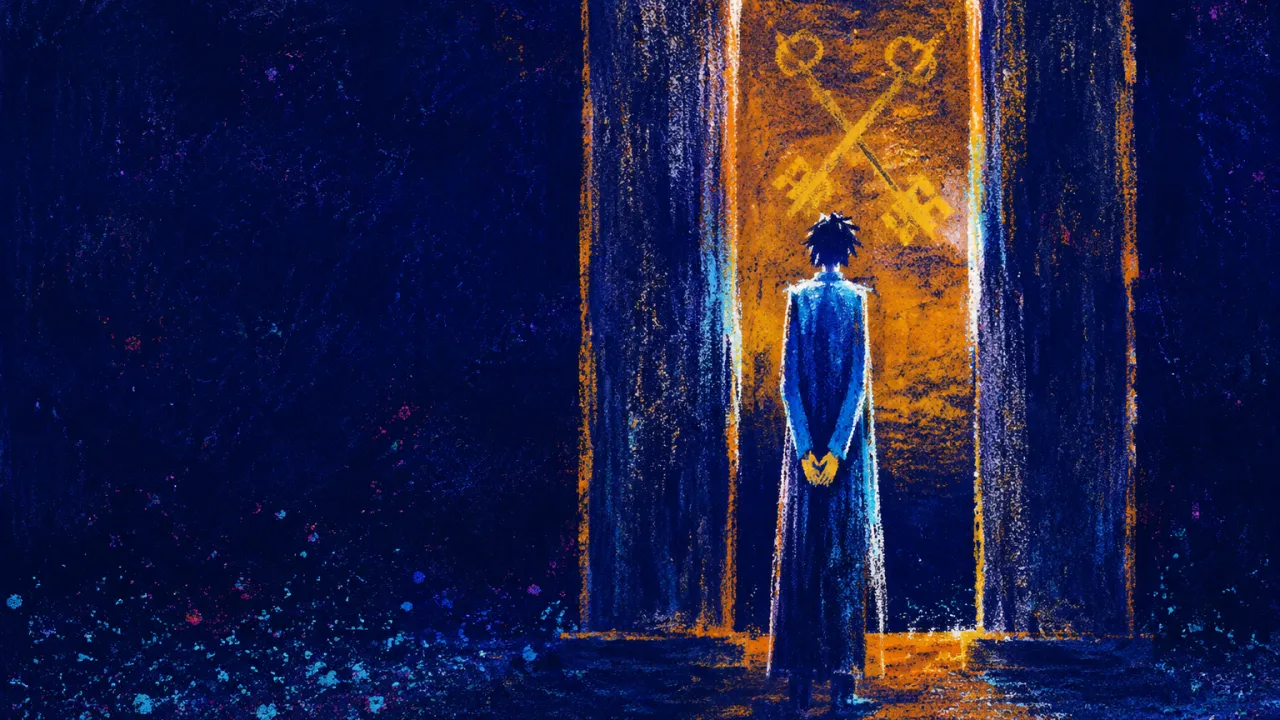
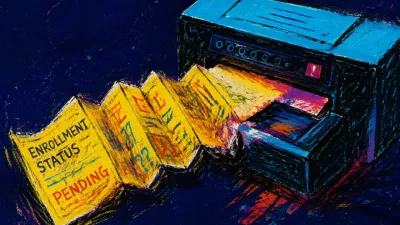
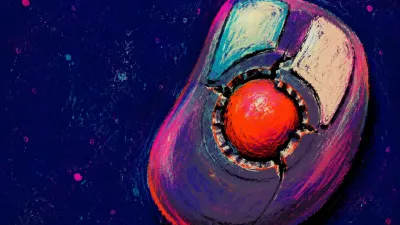
Permission Paralysis - you are sitting with your laptop open, cursor blinking in a message you already wrote, and the whole room feels like it is waiting for someone else to press send. Your thumb hovers over the trackpad, your shoulders sit a little too high, and your throat tightens around a sentence that is not even being spoken. The move itself is small: apply for the job, ask where you stand, post the work, pick the course, say no, book the trip, start the draft. But the moment you get close, your mind starts checking the air for a signal: did they invite this, is the timing right, would a mentor agree, would the group think it makes sense, is there a rule you missed? You can feel desire, readiness, even competence, but they arrive without a stamp, so they do not feel usable. You keep gathering proof until proof becomes another room to sit in. You refresh the inbox, reread the rubric, ask one more person, watch one more video, wait for the mood to turn clean and undeniable. From the outside it can look like hesitation, but inside it feels more like standing at a door with your hand near the handle and not being sure your hand is allowed to be there. The cost is quiet: your life starts to shrink around thresholds, and your own timing begins to sound less believable than any voice that might approve it. You are not missing the door; you are stuck in the ritual before entry, much like The Hierophant, where the crossed keys are visible at the throne's feet while the people closest to them wait beneath a raised hand.

What's pulling at you?

You're not stuck because you lack desire; you're stuck because the desire is present, but the permission to act keeps getting placed somewhere outside you. One part of you can see the door and even the handle, while another part keeps waiting for a signal that would make the move feel officially allowed.

How It Shows Up?

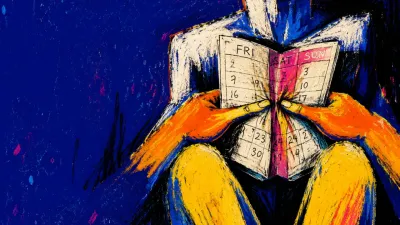
  • You're alone on a Sunday afternoon with three free hours, and somehow the freedom makes you freeze: the book is on the desk, the application tab is open, the laundry is half-sorted, and you keep waiting for the day to feel officially started. Your stomach sits high under your ribs, your shoulders hover near your ears, and the silence has the held-breath quality of Judgement before anyone steps onto open ground. You can let the hour be uneven without turning it into evidence against yourself.
  • You type the message that would ask where you stand, then delete the last sentence, then write a softer version that asks almost nothing. Your thumb hovers over send, your throat gets tight, and your face does that small neutral smile even though no one is watching, as if Eight of Swords has turned a possible question into a fence. It can remain an unsent draft for tonight without becoming a ruling on what you are allowed to need.
  • At work or school, you know the next step: submit the draft, ask for the role, choose the topic, start the presentation. Instead, you reread the brief, the rubric, the job post, or the Slack thread until the words blur; your eyes ache, your breathing gets thin, and the crossed-keys feeling settles in, with access visible but not in your hands. A rough first move can exist privately before it has to satisfy anyone else's standard.
  • You're about to join a group chat, a party, a Discord server, or a new class, and you wait for the exact opening that would make your presence feel invited. Your hand pauses on the door or keyboard, your mouth goes dry, and your body leans forward while your feet stay planted, like the Ace of Wands hovering above a landscape it has not touched yet. You can notice the threshold without forcing yourself to cross it on command.
  • Your body gives the same signal before different choices: cold fingers, a tight jaw, a small pinch between the eyebrows, the urge to check one more comment, forecast, review, or reaction. You scan the room, the inbox, and other people's faces for the scale to tip, while your own answer stays quiet in the background like a hand waiting beneath Six of Pentacles. That body signal can be treated as information, not as an order to keep waiting.

Permission Paralysis in Tarot Cards

When Permission Paralysis is active, the door is visible and the desire to move is present, but the start signal keeps getting placed outside you. In the scenes above, it shows up as a tight throat, thin breathing, cold fingers, or a thumb hovering over send. From an existential perspective, the structural framework is the cost of treating authorization as the gate to your own movement. The Tarot Cards below make that outline visible through images of keys, thresholds, raised hands, and bodies waiting at the edge.

The Hierophant Upright
The Hierophant raises one hand in blessing while the triple cross staff anchors authority on the other side of his body. Below him, the crossed keys sit at the threshold, close enough to be seen but not placed in the acolytes' hands. That arrangement gives Permission Paralysis a precise shape: the path exists, but movement has been routed through sanction. In personal growth, You may already sense the next step, yet the body waits for a course, mentor, sign, or approved framework to make that step feel legitimate.
Reversed
The Hierophant holds the sign of authorization above the keys, while the listeners remain below the threshold with no hand on the tools that open it. The scene locks permission into the highest point of the room and leaves action waiting at the floor. Friendship boundaries can freeze in that same layout when you keep waiting for the other person, or the group, to make your need legitimate first. You may know what has to be said, but the inner gate does not open until an imagined authority approves the change.
The Lovers Upright
An angel hovers above the couple with open arms while the human figures remain still below, uncovered and exposed but not yet touching or moving. The strongest visual authority sits overhead, so the ground-level choice appears to wait beneath a larger sanction. You may feel ready only when a mentor, sign, framework, partner, or ideal future self seems to approve the next move. The struggle lives in that upward pull: your growth energy stays available but unspent because permission has become the substitute for embodied commitment.
Reversed
The figures stand at the threshold between two trees while the angel presides above and the serpent presses its message from the side. The bodies are open, but their feet stay planted and no hand turns the scene into action. In introspective space, that stillness becomes a waiting chamber for the perfect internal signal. You may keep holding an impulse in suspension until it is approved by a higher value, a clean explanation, or a sign that removes the risk of choosing. Permission Paralysis fits this card because the visual field is full of authorities but almost empty of movement. The struggle is the freeze that forms when inner permission becomes the gate every desire must pass before life can continue.
Wheel of Fortune Reversed
The corner creatures hold their books open while the wheel's active movement happens elsewhere. Knowledge is present, authority is visible, and the sword-bearing sphinx adds a guarded threshold, but none of these signals gives a direct route into motion. Permission Paralysis in study takes this exact shape. You may know enough to begin, but the essay, draft, application, or research claim feels unauthorized until a rubric, supervisor, grade expectation, or institution gives the next signal. The card names the blockage as a structural dependence on external clearance. It shows why the freeze can persist even when the material is available: the action system is waiting for permission from a symbol that was never designed to move for you.
Justice Reversed
The judge is seated inside a hall of authority, framed by pillars, crown, curtain, throne, and ritual instruments. Here, those external alignments become so dominant that the body appears centered only because the architecture is holding it in place. For personal growth, this is the state of waiting for the right signal before acting: the right plan, the right mentor, the right confidence level, the right proof that the next version of you is allowed. You are not lacking desire; the growth impulse has been routed through a gatekeeper that keeps asking for authorization. Permission Paralysis names the way self-evolution can stall when the inner threshold is mistaken for an external courtroom. The card's authority symbols do not condemn you; they show where your own permission has been displaced onto a system that can never give a final enough yes.
The Hanged Man Reversed
The Hanged Man cannot reach the rope that defines his position. His head is lit, his body is arranged, but the point of release sits outside the reach of his hands. That is the academic shape of waiting for permission. You may understand the material, sense the next move, or know the draft needs to begin, yet action feels suspended until an advisor, rubric, grade, acceptance, or perfect internal signal authorizes it. The card does not treat this as simple hesitation. It shows a structure where agency has been relocated away from the hands, so the first thing to see is not what you should do, but where the authority to move has been tied.
The Devil Reversed
The collars around the two figures are visibly larger than their necks, and the foreground does not appear physically sealed. The stillness comes from orientation: the bodies remain arranged around the ring, the cube, and the raised command. Permission Paralysis lives in that gap between possible movement and unclaimed movement. You may already have enough information to pivot, leave, or choose differently, yet the system feels incomplete until some outside sign releases you. In a direction reading, the Devil exposes how waiting can become a hidden chain. The path is not blocked by the absence of options alone; it is blocked by the belief that freedom must be authorized before it can be used.
The Star Reversed
The kneeling body can hold the edge for a long time. One limb remains anchored, one tests the water, and the ongoing pour creates the feeling that something is happening even when the body has not chosen a new position. In personal growth, this becomes the loop of waiting until the inner atmosphere feels perfectly clear before crossing the threshold. You may keep seeking one more sign, one more healed feeling, one more moment of readiness, while the posture itself hardens into the condition for delay. The reversed Star locates the paralysis inside a gentle-looking ritual. The struggle is not laziness; it is a locked permission structure where release, reflection, and hope keep substituting for the first irreversible step.
The Sun Reversed
The child rides a tall horse with no reins or bridle, and the raised flag occupies the hand that might have searched for a control point. The missing handle becomes the center of the scene: movement is possible, but no external mechanism grants it. A decision can freeze when no authority, deadline, or perfect sign arrives to certify the next move. You are facing a choice whose permission has to come from inside the rider, and the card exposes how hard that feels when the old steering system is absent.
Judgement Upright
The raised hands reach toward the trumpet while the feet remain hidden inside the coffins. The bodies have registered the call, but the image does not show a step, a path, or a landing place beyond the box. That suspension maps cleanly onto career moments where readiness is felt but not self-authorized. You can sense the next move, yet the system has trained the body to wait for a manager, title, offer, or public signal before movement feels legitimate. Permission Paralysis sits in that gap between recognition and motion. The struggle is not simple hesitation; it is an action system that has outsourced its starting signal to a remote authority.
Reversed
The angel's trumpet sounds from above, but the bodies below do not step onto open ground. Their arms rise toward the call while their feet remain inside the coffins, making the scene less about movement than authorization: the body waits for the signal to become undeniable before it lets itself act. That is the shape of Permission Paralysis in personal growth. You may already know what needs to change, but the inner system keeps demanding one more sign, one more framework, one more proof that the timing is finally allowed. The card holds that tension in the gap between awakening and exit. The call has arrived, the container is open, and the real struggle is not ignorance; it is the way agency has been placed outside the self until movement feels illegitimate without a verdict from above.
Ace of Cups Upright
The chalice is upright, but it is not self-standing in the visible scene. A hand from the cloud steadies it, and the dove brings the decisive offering from above, so the cup's activation depends on something arriving from outside its own structure. In study life, Permission Paralysis appears when a student cannot begin until the professor, rubric, supervisor, admissions signal, or feedback comment makes the next move feel allowed. The work may already have substance, but the inner start signal stays suspended. The card's softness matters here: the block is not laziness or lack of care. It is the fragile dependence of a receptive system that has learned to wait for an external hand before trusting its own academic movement.
Reversed
The hand offers the cup, but the decisive movement comes from above: the dove approaches with the disc, and the water responds through the vessel. The human grip is careful and present, yet it is not the origin of the activating signal. Reversed, this becomes Permission Paralysis. The system waits for the perfect sign, the clean signal, the validated framework, or the sacred-feeling moment before it lets action begin. In personal growth, this card exposes the quiet dependence on externalized authorization. You may already be holding the cup, but the growth process stalls because agency has been outsourced to a signal that must arrive before you feel allowed to move.
Two of Cups Reversed
The man has already stepped, but the gesture is still held inside the exchange. His body contains movement, yet the level cups and the other figure's stillness turn that movement into a pause that waits for confirmation. You can feel this reversed structure when personal growth does not fail from lack of desire, but from needing visible permission before desire becomes action. The open field is present, the distant town is present, and still the body stays oriented toward the validating cup. The caduceus becomes a gate rather than a bridge. The struggle is permission paralysis: the next version of your life is not absent, but the action system has learned to wait until someone or something outside you makes growth feel allowed.
Six of Cups Upright
The offered cup creates a clear direction of agency: one child presents, the other receives. The gesture is gentle, but it organizes movement around what is handed over rather than what is self-chosen.\n\nIn personal growth, that structure becomes Permission Paralysis when your next move feels legitimate only after a signal arrives from outside. You may wait for approval, readiness, a mentor's recognition, a cleaner plan, or a more perfect moment, while your own agency stays in the receiving posture.\n\nThe guarded estate intensifies the pattern because it makes waiting feel safe and reasonable. The card shows a growth threshold where the missing piece is not more confirmation; it is the transfer of authority back into your own hands.
Reversed
The exchange takes place under supervision: children, courtyard, manor, and a distant guard all belong to a world where movement is protected and bounded. The cup is not seized or chosen in open space; it is received through a sanctioned, careful gesture. In a decision, that visual grammar can mirror a choice system still organized around being allowed. Permission Paralysis forms when your agency waits for an approving handoff before it can move, even though the crossroads is asking for self-authorized direction.
Seven of Cups Reversed
The figure does not lunge toward the cups, but the whole body remains oriented toward them. Distance becomes a stabilizing posture, a way to stay inside the decision without letting any one option claim the hand. Permission Paralysis forms when the choice field is treated as something that must authorize movement before movement can happen. The covered figure withholds the inner criterion, while the louder cups keep offering signs that look meaningful but never become consent. You are not shown a lack of desire. The card shows agency waiting for a final signal from a field designed to keep producing more signals, which leaves the decision suspended at the point where self-permission would have to replace certainty.
Six of Pentacles Upright
One receiver waits beneath the scales while the other reaches toward falling coins, and neither figure is shown stepping into motion. The bodies are active only through extended hands and lifted attention, while the standing figure holds both the measuring tool and the release point. This is the visual architecture of Permission Paralysis in a direction reading. You can sense a future path nearby, but the action system stays suspended until something outside you seems to weigh, approve, fund, or authorize the next move.
Reversed
The extended hands wait beneath the scale, not beside it. The receiving figures are close to the resources, but the moment of release belongs to the standing figure who measures, decides, and drops the coins. For timing questions, this creates a structure where action waits for permission to become real. You may feel a moment approaching, but the body stays arranged around an outside signal, as if movement cannot begin until something else confirms that the window is valid. Permission Paralysis names the freeze that forms when timing is outsourced to a gatekeeper, a sign, an invitation, or an imagined authority. The card does not remove the need for external conditions; it shows where those conditions have become the only clock you trust.
Eight of Swords Upright
The woman's hands are tied behind her, while the space between the swords remains physically passable. The image holds a strange mismatch: the exit is not sealed, but the part of the body that would normally test, reach, and authorize movement has been taken offline. For personal growth, that geometry names a dependence on permission before transformation can begin. You can see the outline of change, but the bound posture makes each upgrade feel as if it requires a final sign, a mentor, a perfect plan, or some outside clearance before your own agency is allowed to act.
Reversed
The bindings sit behind the figure's back, outside her visual field and outside her immediate reach. The swords are not closing in, yet the blindfold converts a static perimeter into a total decision barrier. Permission Paralysis shows up here as a body waiting for authorization from a structure that is already less absolute than it appears. In choice work, this can feel like needing one more sign, one more guarantee, or one more external confirmation before you are allowed to move. The card's reversed texture is a lock-in of restraint as default posture. You may still have agency, but the system has trained the decision to wait for certainty from the very conditions that are keeping it stalled.
Ace of Wands Upright
A hand emerges from the cloud holding the wand before the landscape ever touches it. The source of the spark appears outside ordinary ground, so the beginning arrives as an offer suspended between the sky and the life that could receive it. Permission Paralysis forms when personal growth waits inside that suspension. You may sense the next move, but action keeps looking for a stronger sign, a cleaner identity, or a final confirmation that starting is allowed. The Ace of Wands does not deny the value of guidance. It shows the precise threshold where an offered spark must become owned agency, or it remains a beautiful object held just above your life.
Reversed
The hand appears from a cloud, as if the wand has arrived with authority attached to it, but the human body that would choose the next move is hidden. The offer is visible; the ownership of action is not. In academic settings, that structure can concentrate agency outside you: in the rubric, the supervisor, the acceptance email, or the imagined examiner. You are not simply waiting for information; the card shows a starting force that has become dependent on external authorization before it can move.
Three of Wands Reversed
The horizon is visible, the ships are moving, and the figure has enough height to see what could come next. Yet the body remains planted at the edge, using the wand as an anchor while waiting for the distant field to send back a signal. Permission Paralysis forms when that waiting becomes internal law. In a family system, You may keep postponing your own move until the people behind You approve, soften, understand, or stop needing You to be who they remember. The card's reversed tension is not a lack of desire. It is the conversion of open possibility into a waiting room, where family permission becomes the invisible bridge You keep expecting before You allow yourself to cross.
Page of Wands Reversed
The Page holds the wand like an announcement standard, and his role is to carry a message rather than originate the whole command. In the reversed texture, that staff can become an external axis of authority: the sign stands upright while the body waits beside it. In a choice reading, this is the pressure of looking for the decree that will make the decision feel authorized. You may keep consulting signs, readings, other people, or the imagined reaction of a future audience because the choice does not yet feel owned from the inside. The desert around him has no court, crowd, or marked boundary, so the proclamation has nowhere obvious to land. The card locates the struggle at the point where guidance can clarify the field, but authority over the final movement has to return to you.

Permission Paralysis in Tarot Card Reading Insights

Permission Paralysis often arrives in readings as the application someone cannot send, the message that stays drafted, or the next move waiting for a signal. The selections below shift from the card images into how this same threshold appears when someone brings it into a reading. Tarot Reading Insights for Permission Paralysis.

Psychological struggles related to Permission Paralysis