The Crash After Being Social

Map the after-cost of crowded events through a grounded situation description, related tarot cards, and tarot reading insights from sessions.

Post-party Social Drain
What is this situation?

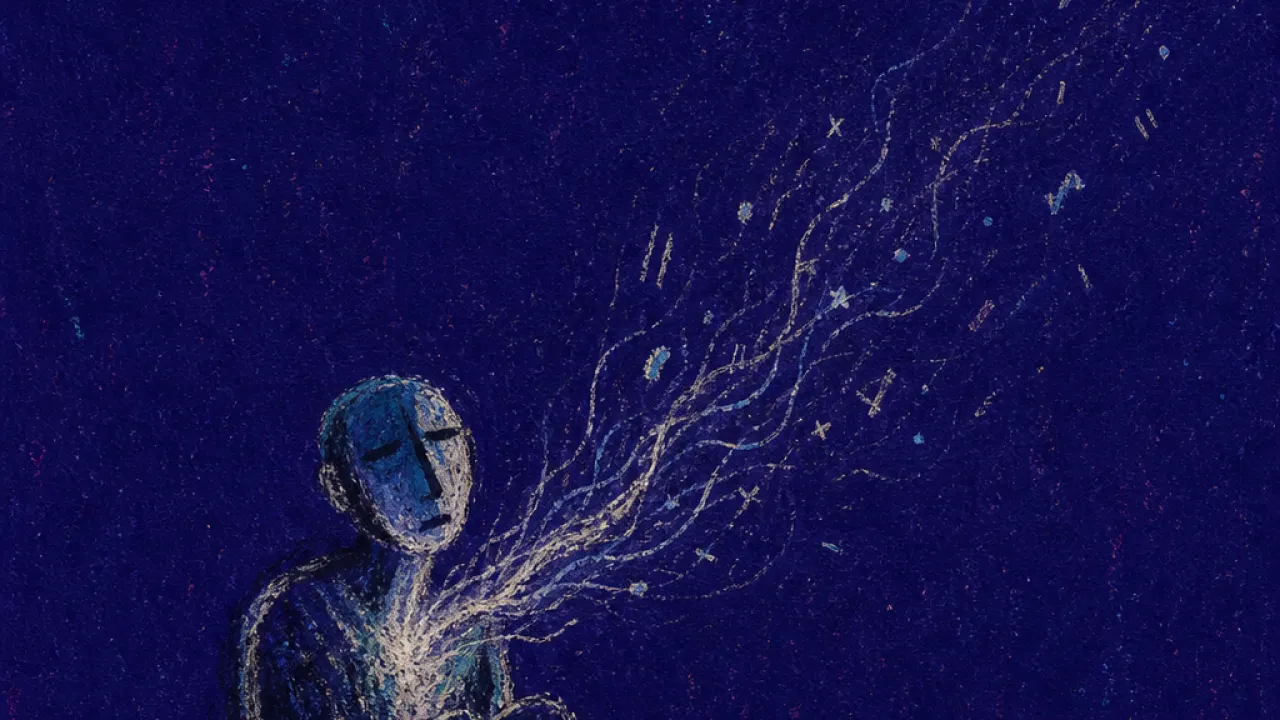
Post-Party Social Drain — you step out of the venue, the apartment, the rooftop, or the last Uber drop-off with the music still sitting in your skin. For hours, the setting has asked you to stay switched on: laugh over the bass, remember names, move between half-finished conversations, smile for photos, thank the host, answer the friend who wants one more round, and act available even when the room keeps splitting your attention. Nobody has to be doing anything cruel for it to cost you; the format rewards visibility, fast replies, group enthusiasm, and staying a little longer than you planned. When you finally get home, the event is over on the calendar but still active in the room: your jaw is sore from smiling, your throat is dry from talking over noise, your ears keep ringing, and your shoulders stay lifted as if another person is about to walk up and need a version of you. The next morning, the group chat is already moving through photos, jokes, apologies, outfit comments, and plans for the next thing, so the social scene keeps reaching into your private space after the door is shut. You may have enjoyed parts of it, and you may care about the people there, but the exchange becomes uneven when connection is organized around constant output and no one builds in a quiet edge for recovery. The after-cost lands in the silence after the last message, much like The Star reversed: the vessels are still pouring, the landscape has gone calm, and the lone body has to account for everything that left without being refilled.

Why it's not you?

The problem isn't that you dislike people or failed to keep up; the problem is that the format keeps asking for output after the event ends. Back-to-back invites, group chats, public gratitude, networking follow-ups, and pressure to stay visible are external demands, not a private failure. The drain has a shape: social availability with no protected recovery built in.

Post-party Social Drain in Tarot Cards

In Post-Party Social Drain, the ringing ears, dry throat, sore jaw, and shoulders held open are part of the scene, not a side note. This is an environmental and structural dynamic: rooms, group chats, and follow-up rituals keep asking for availability while recovery has no protected place. The cards below don't decide whether the night was good or bad; they map the outline of the after-cost. Here are the Tarot Cards that reflect this social aftermath.

The Star Reversed
The figure is alone in the quiet after the streams have already begun leaving the vessels. The landscape is calm, but the body remains low and the resource pattern shows output without any visible refill source. That is the afterimage of high-output socializing: parties, networking nights, group weekends, birthdays, launch events, and scenes where the person appears connected while their energy quietly drains out. The beautiful surface of the card can hide the cost of keeping yourself socially available for too long. For You, the reversed Star identifies the moment after the room goes quiet and your system has to account for what the event took. The card does not shame your need for connection; it shows where a social ecosystem must include recovery, not only participation.
Three of Cups Reversed
The card is packed with celebration: raised cups, colorful garments, fruit, vines, pumpkins, and bodies in motion. In a strained state, the same abundance becomes social surplus with no quiet edge built into the scene. For friendship, this points to the after-cost of constant gatherings, birthdays, brunches, trips, nights out, and group rituals. You may care about the people involved while still noticing that the performance of being available, fun, responsive, and grateful is taking more than the event itself appears to demand. The Three of Cups connects through the gap between celebration and capacity. Its image shows the peak moment clearly, while the missing recovery space reveals why a friendship culture organized only around social highs can become difficult to sustain.
Four of Cups Reversed
The cups are still standing, yet the body has folded itself into shade and containment. The scene holds evidence of social contact without any visible movement of exchange, as if the gathering remains in the environment after the body has stopped participating. Post-party social drain lives in that mismatch. You can have access to people, events, and group rituals while the format itself no longer returns enough energy to justify another round, and the card makes that cost visible through the locked posture and unused cups.
Five of Cups Reversed
Spilled cups on bare ground make the scene feel like an event after the event, where the container is present but the contents are gone. The cloaked body stands in the residue rather than in the party itself, and the bridge to steadier ground remains outside active use. Post-Party Social Drain fits when the external social scene takes more than it returns. You may have been present, responsive, funny, or available, but the aftermath shows the cost: depleted exchange, weak follow-through, and a hard drop from group intensity into exposed silence. The card gives that crash a physical container instead of treating it as a personal flaw.
Eight of Cups Reversed
The cups left behind can still hold the memory of pleasure, but the surrounding water is swamp-like and the scene is set at dusk. The body is already walking away from the containers after the social charge has settled into stillness. For a social topic, this is the aftermath of rooms that looked full but left no usable nourishment. Parties, group hangs, and high-contact weekends may create visible activity while leaving the deeper exchange unmoved. The card does not shame the need to leave; it shows the moment when the body recognizes that more cups in the room are not the same as restored connection.
Four of Swords Upright
The grey body lies flat under the weight of a quiet room, with armor still present but no movement required. The figure has not lost the social role; the body has simply reached the point where the role can no longer be performed without rest. After a party, networking night, or overstimulating hangout, that image becomes the external aftermath of social exposure. The event is over, but the body is still processing the cost of being visible, responsive, and available in a group field. You are looking at the difference between enjoying people and absorbing too much social voltage at once. The card gives the crash a container, making the recovery period part of the social ecosystem rather than a private flaw.
Nine of Swords Upright
The woman sitting upright in bed, still covered by the quilt, places the body between social exposure and recovery. Rest has technically begun, but the swords above her show that the event has not left the room; the interaction continues as a row of sharp after-images crossing the head, throat, and heart. For social life, this mirrors the aftermath of parties, group hangs, networking nights, or crowded friend events where the cost appears later. You may have left the room, but the social field is still active inside the private space, turning recovery into a second shift of replay, decoding, and self-monitoring. The card does not frame the drain as weakness. It makes the external load visible: too much stimulation, too many cues, too little decompression, and a social rhythm that treats constant re-entry as normal.

Post-party Social Drain in Tarot Card Reading Insights

Post-Party Social Drain also appears when people bring the after-cost of birthdays, networking nights, group weekends, and crowded friend events into readings. The focus shifts from the card list to readings that hold the drop from high-contact socializing into private quiet. Tarot Reading Insights from related sessions.

Psychological contexts related to Post-party Social Drain