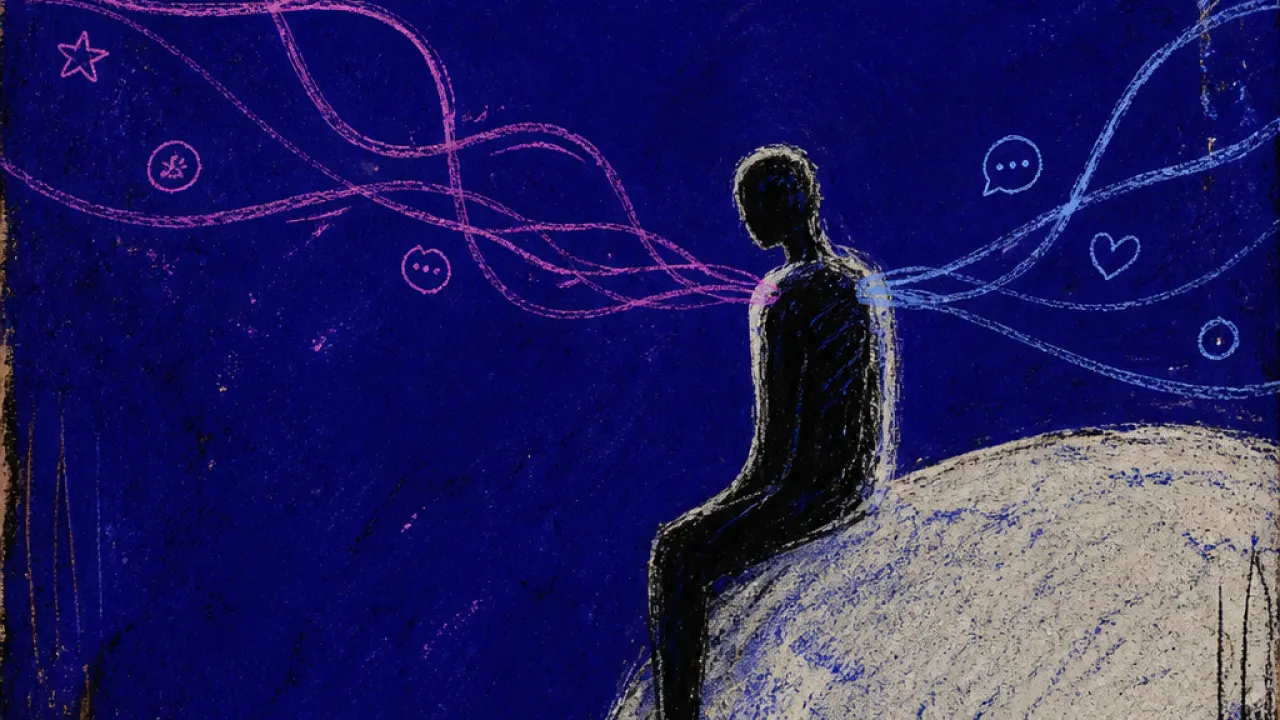
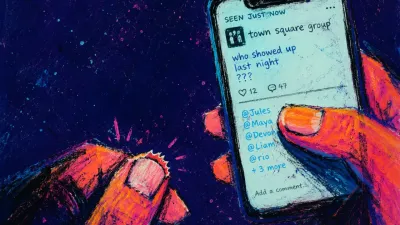
Soft Exclusion is the situation where the group stays polite while plans, context, and warmth keep moving around you instead of toward you. That physical sense of sitting at the table while the inside jokes move over your shoulder is part of the pattern, not an isolated awkward moment. It is an environmental and structural dynamic: access is offered at the edge while the center stays screened off. These Tarot Cards reflect the outline of that half-open social field.
The High Priestess ReversedThe High Priestess does not slam a door. She sits before a veil, holding partial access in a way that keeps the boundary intact while leaving enough visibility to maintain ambiguity. Soft exclusion works the same way in social life. The group remains polite, the invitations are not always absent, and no one gives you a clean rejection, but the real interior of the friendship or community stays screened off. This card names the pain of being kept near the doorway. It reveals a structure where uncertainty is part of the control mechanism, allowing you to assess the pattern rather than spending all your energy trying to prove that the veil exists.
The Lovers ReversedThe two figures share the same garden, but they do not touch, mirror each other, or meet through a stable line of mutual attention. Their resources are separated behind them, and the central mountain turns the shared field into a divided landscape. That is the visual logic of soft exclusion. You are not pushed out of the room in an obvious way; you are kept adjacent to the circle while warmth, information, invitations, or influence move around you instead of toward you. The reversed Lovers makes this subtle because the scene still looks like belonging from a distance. The card gives language to the gap between being present and being included, which is often where social energy drains fastest.
Strength ReversedThe reversed Strength scene can include closeness without equal standing. The lion is not absent from the picture; it is right there, touching the central figure, but its movement and expression are managed. The open landscape makes the containment sharper because there appears to be space, yet the actual range of participation is narrowed. Soft exclusion works the same way in a social circle. You may be invited, included, added to the chat, or kept near the group while still being subtly left out of influence, inside jokes, decisions, emotional priority, or real disclosure. The card gives this quiet social injury a visible structure. Exclusion does not always look like a closed door. Sometimes it looks like proximity with a lowered position, where you are close enough to count as included but not free enough to fully enter the field.
The Hermit ReversedThe hooded figure is visible only as a small shape inside a wide, cold field. The scene offers no nearby peers, no shared shelter, and no obvious social path back into the human center. Soft exclusion works with that same indirect pressure. You can be close enough to see the group moving, yet far enough from the invitations and context that belonging becomes something you infer from silence rather than something anyone states clearly.
The Hanged Man ReversedThe body is displayed in the center of the card, but the hands are hidden and the ankle is tied to a frame he does not control. Visibility does not equal agency here; the figure can be seen without being able to participate in ordinary movement. In a social group, this is the texture of being kept near enough to count as included while being left out of the moments where belonging is actually distributed. You are not outside the picture, which is why the exclusion can be hard to name; the card makes the gap between visibility and access visible.
Death ReversedThe horse takes the central lane while the surrounding figures are pushed into lower, quieter positions. No single hand visibly throws anyone out, but the composition makes it clear who has the path and who has become scenery around it. Soft exclusion works the same way in a social circle: plans continue, photos appear, inside jokes circulate, and your absence becomes a pattern without anyone naming it. The pain point is the lack of a clean event to respond to. The card's exposed field gives the situation its edge. You can see the group moving, but the structure offers no direct doorway back into the center, which makes the exclusion harder to challenge and easier for others to deny.
The Tower ReversedThe falling bodies are outside the tower before there is any visible route back in. The structure still dominates the scene, but the displaced figures no longer have a room, doorway, or stable platform inside it. In social life, this maps to exclusion that avoids direct language. The group may not announce rejection, but access changes: plans are made elsewhere, replies slow down, inside jokes move out of reach, and the social center keeps functioning while you are left reading the edges. You are not being asked to prove every signal like evidence in a case file. The card clarifies the outer architecture: when there is no door back into the room, the real issue is not your sensitivity but the group’s refusal to name the boundary it has already enacted.
The Star ReversedThe oasis is open, clear, and beautiful, yet the central figure remains alone at the edge of the water. There is no visible gate pushing her out, but there is also no reciprocal body meeting her in the same field. That visual tension matches soft exclusion: the kind of social positioning where nothing is openly hostile, but access still fails to arrive. Replies slow down, plans happen elsewhere, inside references move around you, and the group remains technically available while socially withholding. For You, the reversed Star makes the quiet mechanics visible. The pain is not only absence; it is the mismatch between an environment that looks welcoming and a social structure that never quite lets your presence circulate.
The Moon ReversedThe entrance between the towers is visible, but the creature at the foreground is still at the edge, not inside the protected passage. The scene does not show a slammed door; it shows an approach that remains exposed, guarded, and uncertain. Soft exclusion works the same way in friendship. You may be invited sometimes, answered sometimes, and included just enough that the pattern stays deniable, while the deeper signals keep placing you outside the core. The Moon makes that half-access legible. It shows how being kept near the gate can feel more confusing than open rejection because the structure offers traces of belonging without a stable place to stand.
Judgement ReversedJudgement shows multiple figures receiving the same signal, but each body still rises from a separate container. Even in a shared field, the image keeps distance, separation, and fixed placement in view. That visual tension fits soft exclusion: the message reaches you, the group exists around you, and yet real integration does not happen. You may be present in the room, thread, server, or friend circle while the actual warmth, planning, and informal context circulate elsewhere. The card helps make the exclusion objective without forcing a dramatic accusation. It shows a social system where access to the signal is not the same as access to belonging. Your clarity comes from tracking where connection actually moves, not where the group says everyone is included.
The World ReversedThe central figure is visible to every corner of the card, but no ground or shared floor connects her to the watchers. The wreath creates a clean outline of inclusion while also showing how a person can be displayed within a social field without being truly met by it. That is the mechanics of soft exclusion. You may be added to the chat, invited to the room, or acknowledged in public, while the real decisions, intimacy, and follow-through continue somewhere just beyond the boundary.
Ace of Cups ReversedThe hand appears from outside the visible world, touching the cup without entering the scene as a full body. Around the main streams, small droplets remain separate from the strongest flow. Soft exclusion works through that same half-access. You are not openly rejected, but the group keeps You at the edge of its plans, timing, emotional core, or inside language. The reversed Ace of Cups connects because the image can show contact without full inclusion. The social field still looks gentle and active, which is why the exclusion becomes harder to name: the cup is present, the water is moving, but your place in the flow remains peripheral.
Three of Cups ReversedThe huddle is warm from the inside and hard to enter from the edge. The circle makes connection visible, but its boundary also shows how access can be regulated without a formal gate or open rejection. That matters in introspection because quiet exclusion often turns into endless self-auditing. You may keep replaying tone, timing, messages, and group cues, while the card points back to the outer structure that keeps inclusion partial and unclear.
Five of Cups ReversedThe solitary figure stands on one side of the river while the bridge and dwelling sit at a distance. Nothing in the image shows a locked gate, but the social warmth of the house is still physically separated from where the figure is standing. Soft exclusion in friendship often works through that kind of quiet distance. You are not openly cut off, yet the group center, the plans, the private context, or the emotional ease appears to be happening across the water without you fully inside it. The card helps name the difference between being technically included and actually held in the social field. You can assess whether the bridge is genuinely available or whether you are being left to stand near the edge of a group that no longer moves toward you.
Seven of Cups ReversedThe person stands with their back to us while every cup remains raised beyond touch. The display is close enough to observe, but no handle, path, or shared table brings the person into contact with it. In a friend group, this looks like invitations that never quite arrive, group chats that keep moving without you, and inside references that make access feel suspended in the air. The card names the quiet architecture of exclusion: no one has to openly reject you for the social field to keep you outside.
Nine of Cups ReversedThe man is close to the cups but separated from them by posture, furniture, and staging. Everything is visible, yet the scene gives no doorway, no second person, and no obvious route into the space behind the display. Soft Exclusion works the same way in social life. You may be near the group, watching the plans, jokes, photos, or inside references circulate, while the actual point of access remains politely sealed. The card does not need open rejection to show exclusion. Its barriers are quiet and well-arranged, which is why this context often feels confusing: the room looks bright, the cups look available, and the structure still keeps you outside the exchange.
Ten of Cups ReversedThe Ten of Cups scene is complete before anyone else arrives. The figures, house, river, and rainbow form a self-contained social world, and in reversal that completeness can become the quiet mechanism by which someone is kept near the edge without any open rejection. In modern social networks, this looks like friendly replies without real invitations, group chats that happen around you, plans you hear about after the fact, and inside jokes that politely mark the boundary. Nothing has to be dramatic for the exclusion to be structurally real. The card helps name the difference between being disliked and being unplaced. You may be receiving enough warmth to question your own reading, while the actual social architecture keeps showing that the group has not made a durable seat for you.
Page of Cups ReversedThe Page stands alone on a narrow platform with no visible companions, doorway, or shared table. His attention is caught by the cup while the larger social sea moves behind him, close enough to surround the scene but not close enough to include him. That visual placement matches the ache of being near a circle without being inside it. The invitations may exist, the group chat may be visible, and the events may technically be open, yet the real exchange keeps happening just out of reach. The card names the structure softly but precisely. You are looking at partial access, not full belonging, and that distinction lets you stop treating every missed cue as your failure while you assess whether the circle is actually making room.
Knight of Cups ReversedThe cup is ready to be received, yet the river is still uncrossed and no figure appears on the far bank. The visual pressure is not dramatic rejection; it is a stalled exchange, where the offer remains visible but the receiving structure never materializes. That is why the card connects to Soft Exclusion in social tarot. You may be close to the group chat, the plans, or the outer edge of a circle, but the bridge keeps failing to appear, leaving you to keep interpreting silence, delayed replies, and partial access.
Queen of Cups ReversedThe distant wall, the lidded cup, and the small island all create boundaries that look calm rather than aggressive. Reversed, those quiet barriers become the architecture of soft exclusion: access is limited without anyone having to make the rejection explicit. You may be near the group, included in surface conversation, or visible on the edge of the social field, while the real invitations and inside context move somewhere else. That makes the situation hard to name because the evidence arrives through gaps, delays, and selective disclosure. The card gives form to what is usually dismissed as overreading. It shows exclusion as a controlled pattern of access, not just a feeling that appears out of nowhere.
Ace of Pentacles ReversedThe viewer can see the garden, the gate, and the path, but the body never appears inside the estate. The hand remains partial and peripheral, close to the symbol of access while still separated from the lived space below. That is the social texture of being near a group without being fully included: invited sometimes, informed late, visible at the edge, absent from the real center. The card gives the situation a boundary line, making it possible to distinguish loose proximity from genuine belonging.
Five of Pentacles ReversedThe warm window and the frozen street occupy the same card, yet they do not form one shared world. The figures are not attacked by the sanctuary; they are simply left outside its working boundary. That is the signature of soft exclusion. In an introspective context, support spaces, friend groups, wellness circles, or communities may present themselves as open while quietly communicating that your pace, background, money, language, or emotional reality does not fully belong there. The card sharpens the difference between rejection and non-entry. You may be close enough to see the light, but the structure still has to be named before you can stop interpreting the barrier as a flaw in yourself.
Nine of Pentacles ReversedThe card's refinement makes distance look graceful: a manicured garden, a gloved hand, an obedient bird, and a boundary that does not need to be announced to function. The scene shows control without visible conflict. In friendship, that can become soft exclusion, where someone remains polite but withdraws real warmth, access, and initiative. You may still receive replies, likes, or surface-level invitations while being kept away from the deeper center of the bond. The reversed Nine of Pentacles helps identify the structure beneath the civility. It shows that exclusion does not always arrive as a direct rejection; sometimes it appears as a beautiful gate that everyone agrees not to mention.
Ten of Pentacles ReversedAt the edge of the archway, some figures are fully visible while another remains partially hidden behind the central adult body. The scene contains connection, but it also shows degrees of visibility and access. Soft exclusion works exactly like that. You may be invited, present, and technically part of the circle, while the real warmth, planning, and recognition happen just beyond your reach. The card gives this subtle social injury an external frame. It is not the drama of a door slammed shut; it is the repeated experience of standing near the household without being given a real seat inside it.
Page of Pentacles ReversedThe Page is visible in a wide open field, but he is still alone with the pentacle and cut off from any active exchange. The landscape has room, yet the figure's attention is isolated from the social space around him. Soft exclusion has that same shape inside a friend group. You may still be in the chat, invited occasionally, or publicly acknowledged, while the real planning, emotional priority, and inside information circulate somewhere else.
Knight of Pentacles ReversedThe rider is visible in the open landscape, yet the field around him offers no welcoming structure, doorway, or shared table. Armor keeps the body intact, but it also marks how alone a central figure can appear when the surrounding space does not meet them. In a group setting, this becomes the quiet version of being near the circle without being held by it: missed invites, late replies, side plans, or a group chat that moves around you. The structure gives language to exclusion that is subtle enough to be denied but concrete enough to drain your social energy.
Ace of Swords ReversedThe hand appears alone in open sky, separated from any body, room, or surrounding group. Beneath it, the barren hills provide distance but no clear path back into a shared social space. That visual field fits the friendship pattern where exclusion is real but hard to prove. The shift may happen through fewer invitations, delayed replies, private plans, or warmer energy directed elsewhere, leaving you outside the circle without a formal ending anyone has to own. You are being shown the structure of distance, not asked to chase certainty from every small signal. The card helps name the difference between normal spacing and a social arrangement that quietly relocates you to the edge.
Two of Swords ReversedThe figure is close to the water and the island, but not in contact with either. She remains present in the scene while the actual channels of movement and exchange stay quiet. That is the texture of soft exclusion in friendship: technically included, but not fully looped in; invited late, updated vaguely, present in the chat but absent from the real center of warmth. Nothing is dramatic enough to prove the rupture cleanly, which is why the pattern can be so hard to name. The blindfold matters because the exclusion works through ambiguity. The card gives shape to the social half-light, where your position has shifted before anyone admits that the group map has changed.
Three of Swords ReversedThe card shows impact without a visible attacker, a heart left in grey exposure with only the evidence of damage remaining. Nothing in the image gives the wound a clean social container or a direct speaker to answer to. That is the texture of Soft Exclusion. The group may not announce rejection, but the weather changes: fewer invitations, shorter replies, private plans, and a sense that access has been quietly rerouted. The reversed Three of Swords makes that indirect structure legible. It does not require a dramatic confrontation to count as real; it asks you to read the repeated pattern of distance, because the absence of a clear blade-holder is part of how this kind of social hurt stays difficult to name.
Five of Swords ReversedThe two distant figures do not confront the foreground figure; they turn away. The separation happens through posture, distance, and abandoned objects, which makes the rejection quieter but still physically visible in the scene. Soft exclusion works the same way in a social circle. Invitations slow down, replies get thinner, context is shared elsewhere, and nobody says a clean no, but the path back into the group keeps narrowing. The Five of Swords fits because its aftermath is built from indirect signals. It helps you read the difference between temporary distance and a social system that is quietly relocating you to the edge.
Seven of Swords ReversedThe figure is neither fully inside the camp nor fully outside it. His body moves along the edge, close enough to remain connected to the tents but displaced enough that his belonging has to be negotiated through stealth and timing. Soft exclusion works the same way. A group can keep you on the invite list, in the chat, or in the wider orbit while quietly removing you from the real flow of context, warmth, and decision-making. Seven of Swords gives this half-in, half-out position a physical form. It helps you notice when inclusion exists only as a technical status, while the actual social energy has already moved elsewhere.
Eight of Swords ReversedThe woman is not struck by the swords; she is arranged around them. That difference captures the texture of soft exclusion, where no one openly rejects you, but the social layout keeps you just far enough from the center to doubt your place. Her red robe makes her visible, while the blindfold and bindings limit her ability to respond. In a social circle, this can look like being included on paper while the warmth, timing, and real access are withheld in practice. The castle in the distance holds the image of belonging, but the muddy ground shows the cost of standing in a half-invited position for too long. You regain leverage by reading the placement of the barriers instead of arguing with the silence around them.
Page of Swords ReversedAlone on the ridge, the Page is technically in open space, yet the birds remain distant and the clouds gather close. The scene does not show a locked door; it shows a field where access exists in theory while warmth and exchange remain out of reach. Soft Exclusion fits the social texture of being invited, visible, or adjacent while still held outside the real center of the group. You can see the circle, track its signals, and even respond correctly, but the structure keeps belonging provisional.
Queen of Swords ReversedThe Queen is elevated and composed, but the surrounding field is sparse: low clouds, distant trees, and a lone bird leave very few signs of shared activity. The body is present in the scene while ordinary social contact sits far away. Soft Exclusion has that same shape. You are not necessarily facing a dramatic confrontation; the structure is built through missing invitations, delayed replies, and the quiet relocation of group energy elsewhere. The card's distance helps name the difference between chosen solitude and being gradually moved to the edge of the circle.
Three of Wands ReversedThe figure is turned away from the viewer while the ships move at a distance below him. The scene contains connection, motion, and visibility, but participation is not guaranteed from the place where the body stands. Soft Exclusion in a friend group works like that. You may still see the plans, stories, photos, and inside references, yet the access point has quietly shifted so that you are close enough to notice the movement and far enough to be left outside it.
Four of Wands ReversedThe celebration sits in the foreground while the house remains at a distance, separated by a bridge and layered figures. The image creates a subtle difference between being near the social scene and being fully inside the place where belonging is anchored. Soft exclusion works through that same distance. You may receive partial access, polite replies, or occasional invitations, but the deeper plans, private context, and easy inclusion keep happening somewhere just beyond reach, making the group difficult to confront because the rejection is never fully declared.
Six of Wands ReversedThe procession is full of people, yet access is controlled by the corridor they create. The rider is visible to everyone, but the structure still determines who gets to stand close, who gets to participate, and who remains part of the scenery. Reversed into friendship, this becomes the soft exclusion that rarely announces itself. Someone may still receive likes, polite warmth, group chat replies, or last-minute invitations while being quietly kept outside the inner layer where real plans, confidences, and decisions happen. The card helps you separate social visibility from social access. Being seen near the group is not the same as being included in the group's actual flow of trust and information.
Nine of Wands ReversedThe row of wands forms a boundary behind the figure while the figure stands at the gap, neither fully outside the scene nor comfortably inside the protected line. The space is technically connected, but the geometry keeps the body at the edge. In a friendship group, this becomes the subtle version of exclusion: invitations arrive late, information travels around you, and closeness is rationed without anyone naming a conflict. The card gives that ambiguity a shape, showing how social access can be restricted while the group still maintains plausible friendliness.
No cards available for this filter.