Why Won't This Land?

Explore the unsettled yes, related tarot cards, and reading insights where polished plans still feel off inside.

False Alignment Unease
What does this feel like?

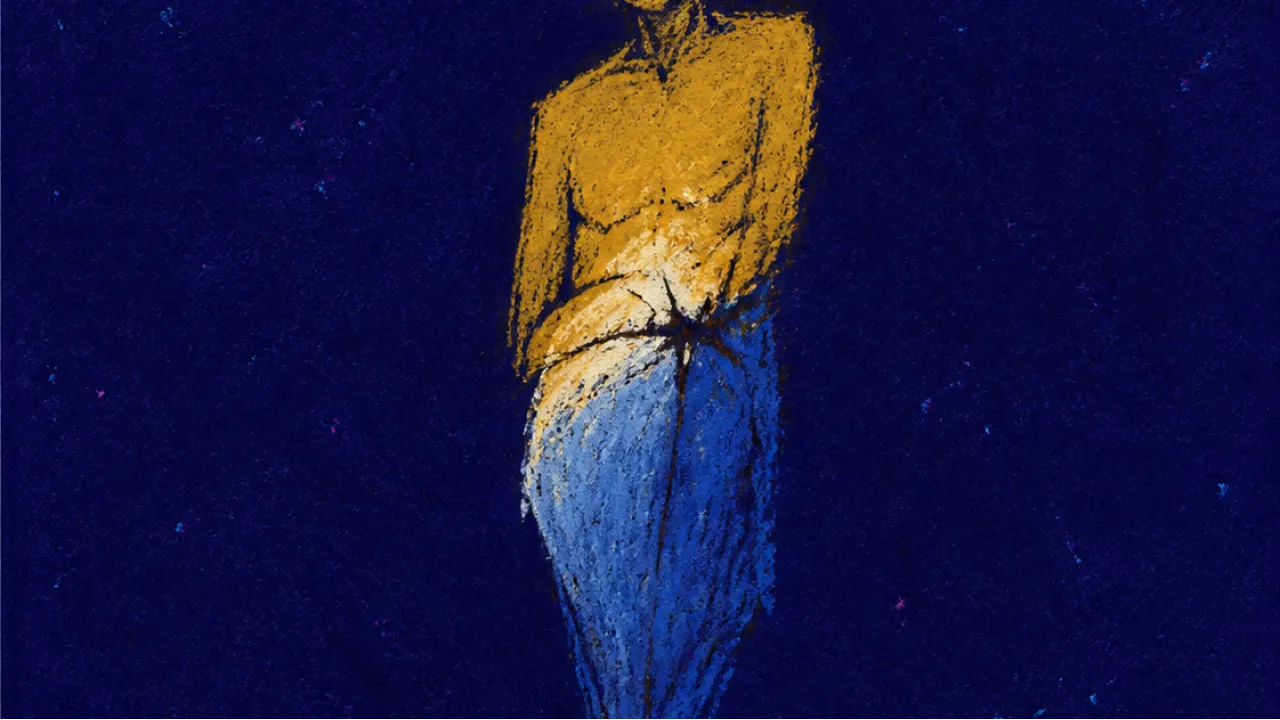
False Alignment Unease is that small, private drop in your body when something looks right on paper but refuses to feel settled. You hear yourself saying the reasonable thing, and the sentence comes out clean, but your body lags half a beat behind: shoulders squared, throat lightly tight, stomach waiting for a yes that never quite lands. The outside shape is almost too neat - the shared plan, the attractive option, the role, the future that would be easy to explain - and because nothing is visibly wrong, you start second-guessing the off feeling. You might keep reopening the same notes, rereading the same message, testing the same explanation in your head, trying to make the polished version feel lived-in. Inside, the dialogue gets quiet and repetitive: Why does this make sense but still not feel like mine? Why do I feel tense around something I can explain so well? The unease is subtle, more like a wrinkle under smooth fabric than a loud no, but it keeps catching your attention, much like the Two of Cups, where the cups are held evenly and the figures face each other, yet the perfect symmetry can start to feel arranged before the bodies have fully agreed.

Why you're feeling this?

False Alignment Unease makes sense when your body is still checking whether a clean-looking shape can hold you. It isn't a failure to commit or a sign that you are being difficult. It is the quiet signal that something can be easy to explain and still not feel livable from the inside.

False Alignment Unease in Tarot Cards

False Alignment Unease has a very specific shape: squared shoulders, a lightly tight throat, and a stomach waiting for a yes that never quite lands. This is a universal emotional experience, the felt gap between a polished arrangement and the private body that has to live inside it. Tarot gives that gap a visible language without turning it into a verdict. Here are the Tarot Cards that tend to mirror False Alignment Unease.

Two of Cups Reversed
The caduceus rises perfectly between the two cups, giving the scene a clean emblem of harmony, healing, and balanced forces. Its order is strong enough that the eye can trust the composition before it checks whether the exchange has actually landed. In inner work, that polished alignment can feel strangely unconvincing when your body has not caught up with the story your mind has arranged. You may have the right language, the right insight, and the right narrative, yet something remains unjoined. False Alignment Unease names the discomfort of a self-system that looks resolved before it feels resolved.
Three of Cups Reversed
The circle has no hierarchy, but it also has no visible opening. The distinct robes and faces show individuality, while synchronized posture pulls every body into one shared script. For your direction, this becomes the unease of being praised for a path that looks coherent from the outside while your body quietly withholds consent. The card reflects a mismatch between public congruence and private orientation, helping you name borrowed approval before it hardens into your map.
Four of Cups Upright
The three cups stand neatly in front of the seated figure, and the fourth cup appears as another clean possibility, but the body stays closed to all of them. The visual tension is not a lack of options; it is the gap between available forms and felt contact. False Alignment Unease emerges when a life direction looks reasonable, impressive, or easy to justify but does not enter the body as a real yes. The Four of Cups lets you see that the problem may not be scarcity; it may be that the offered path is not touching the part of you that recognizes authentic fit.
Six of Cups Reversed
The bright courtyard, polished cups, and perfect flowers can look emotionally correct at first glance. Yet the blossoms are held inside vessels rather than rooted in living ground, and the eye is pulled toward the nostalgic object instead of the full decision field. False Alignment Unease appears when an option resembles the old image of safety but does not settle cleanly in the present self. You can feel the mismatch before you can prove it, as if the choice is wearing the right colors while leaving something essential unspoken.
Seven of Cups Upright
The laurel wreath promises achievement, but the small skull beneath it changes the temperature of the image. Around it, jewels, a castle, a mask-like head, and the veiled self create a gallery of things that can look complete from the outside while remaining unresolved inside. This card turns polished symbols into an audit of inner fit. The figure's gaze cannot settle because each attractive image carries a hidden question about whether it truly belongs to the self or only performs coherence. False Alignment Unease names the quiet wrongness that appears when an identity package looks impressive but does not feel internally true. You may be looking at a version of life that has all the right symbols, while the body still registers that something in the arrangement is off.
Reversed
The covered figure sits among louder images: jewels, wreath, castle, snake, dragon, and mask-like head. The visible cups offer recognizable identities and rewards, while the symbol that may hold the deeper self stays veiled. Family approval can make a choice look aligned because it fits the role everyone understands. It can seem sensible, loyal, successful, or peaceful from the outside, while the inner signal remains faintly covered and hard to access. False Alignment Unease captures the discomfort of choosing the cup that looks acceptable rather than the one that feels internally true. The reversed Seven of Cups shows that mismatch as a polished surface with a hidden center, where the body senses the gap before the mind can fully explain it.
Eight of Cups Reversed
The eight cups create a tidy, almost respectable arrangement, yet the central gap breaks the logic of completion. Nothing is visibly ruined, but the missing space changes the whole emotional temperature of the scene. Professionally, this is the unease of having a role that looks correct from the outside while one essential part of you remains unheld. The card makes the mismatch visible: the structure can be impressive and still fail to match what your attention is asking for now.
Nine of Cups Reversed
The red hat and socks announce appetite and momentum, while the blue garment and gray waistcoat sit closer to the body as quieter layers of value and restraint. Behind him, the cups look complete, but the crossed arms keep the heart-line sealed. False Alignment Unease emerges from that mismatch between display and internal settlement. You may have a path that photographs well and explains well, yet the emotional system still refuses to relax because the visible version of alignment is not the same as an inward yes.
Ten of Cups Reversed
On the surface, every part of the Ten of Cups lines up: the rainbow is complete, the figures are gathered, the house is present, and the landscape is green. In the reversed texture, that surface alignment can become too smooth, leaving no room for the body's quieter information. False Alignment Unease belongs to timing work because some windows look correct before they feel inhabitable. The card mirrors the subtle distrust that appears when the external arrangement says yes while the inner rhythm has not actually clicked into place.
Page of Cups Reversed
The Page's composed stance and ceremonial cup create an image of someone performing a role while holding something far more personal than the role can fully explain. The platform keeps him separate from the sea, but the water behind him remains active and close. False Alignment Unease belongs to the reversed Page of Cups because the surface arrangement looks coherent while the inner signal does not fully agree. The card captures the subtle discomfort of living inside a plan that appears meaningful yet feels slightly misregistered in the body. For direction-seeking, this is the quiet friction between the official path and the private pulse. The image does not accuse the path of being wrong; it shows the need to audit whether the chalice you are maintaining still carries your own living water.
Knight of Cups Reversed
The Knight's colors, tack, robe, and chalice are beautifully coordinated, creating a surface of harmony before the actual river crossing. The image can look complete while the decisive threshold remains untouched. In personal growth work, that surface harmony becomes the uneasy feeling that your goals may be visually coherent but not internally integrated. You may have built a convincing language of improvement, and the card names the gap between looking aligned and feeling genuinely moved from the inside.
Queen of Cups Reversed
The Queen looks into a beautiful covered cup rather than toward the shore, the wall, or any possible route beyond the island. The polished vessel draws attention inward, but its lid keeps the difference between true feeling and preferred image unresolved. False Alignment Unease belongs to the moment when an option seems emotionally elegant on the surface while something in the body remains unconvinced. In a decision, the card exposes the tension between a choice that fits the story you want to believe and a choice that can stay intact when the hidden cost is named.
Ace of Pentacles Reversed
The coin is polished and central, the garden is attractive, and the gateway is open, but the hand remains outside the garden while claiming the symbol of value. The visible reward and the lived-in space do not fully meet in the same place. False Alignment Unease takes shape when a decision satisfies the external checklist but fails to settle inside you. The image lets that mismatch become visible: the option can be valuable, stable, and rational, while the felt sense of fit remains unresolved at the boundary.
Two of Pentacles Reversed
The high hat, the Magician-like belt, and the clean infinity loop make the figure look more capable than the unstable footwork can fully support. The costume performs confidence while the narrowed gaze reveals how much effort the act is actually taking. False Alignment Unease grows in that gap between the polished route and the embodied cost of maintaining it. The path may look coherent from the outside, but the body shows a quieter mismatch between display and inner agreement. For a direction question, this emotion points to the discomfort of following a plan that appears successful while requiring you to keep overriding your real signal. The card names that off feeling without turning it into blame, making the mismatch visible enough to be audited.
Three of Pentacles Reversed
The blueprint, central pillar, and symmetrical Gothic frame make the scene look orderly from the outside. Yet the figures stand at the threshold rather than inside the finished structure, and the worker's hand must translate someone else's plan into a living mark. In love, that produces the uneasy feeling of agreement without full contact. The relationship may have labels, plans, or promises that look aligned, while your body still notices the gap between what is drawn and what is actually being built.
Six of Pentacles Upright
The card places a clean symbol of balance beside a scene that still feels weighted by position, clothing, and access. The scales say order, while the skewed pentacles and unequal bodies keep a quiet tension alive. False Alignment Unease emerges when the visible structure of a path looks correct but the emotional distribution feels off. In a direction reading, this can describe the approved route that has resources, logic, and social credibility, yet still leaves your inner compass restless. You are not reacting to nothing. The card gives shape to the moment when a future can be stable and misaligned at the same time, asking you to notice where balance is being performed rather than embodied.
Seven of Pentacles Reversed
The tree is lush, the soil is fertile, and the harvest is visible, yet the figure's expression does not light up in response to the evidence. The background stays plain, keeping attention on the uncomfortable mismatch between productivity and inner registration. False Alignment Unease emerges when a path checks the rational boxes but does not land as true inside you. In a choice spread, the card exposes the difference between a well-grown option and a deeply chosen one, giving the unease a shape instead of treating it as noise.
Eight of Pentacles Reversed
The finished pentacles hang neatly, the tools are in use, and the worker appears fully committed to the task. From the outside, the scene has coherence: visible progress, disciplined form, and a recognizable craft. False Alignment Unease appears when that coherence does not fully reach the inner compass. In direction work, the card can show a life structure that looks sensible while the deeper emotional system remains unconvinced that this is the right route. The unease is valuable because it does not attack the work itself. It asks whether the visible order of the path is still connected to a living yes, or whether the structure has become a polished substitute for genuine orientation.
Ten of Pentacles Reversed
The household looks coherent from a distance, but attention divides into separate scenes: the couple look at each other, the child watches the dogs, the elder attends to one animal, and the coins float outside the human plot. The image presents unity while the lived focus inside it is not fully unified. False Alignment Unease is the subtle disturbance of a path that looks correct before it feels true. You may have a life plan that reads as complete to others, while your own signal keeps catching on the mismatch between visible coherence and inner consent.
Page of Pentacles Reversed
The Page's green and brown clothing nearly folds him into the earth-toned field, making person, role, and resource visually echo each other. His mouth seems to announce something outward while his eyes remain privately locked on the coin. False Alignment Unease is the subtle discomfort of an option that looks correct from the outside but does not fully separate your desire from the role you are performing. In a decision reading, this card points to the moment when apparent fit needs an audit, because visual harmony can still hide a borrowed priority.
Queen of Pentacles Reversed
Red fabric, white sleeves, green cloak, roses, stone, and carved ornamentation all appear composed around the pentacle. The scene looks complete, but the Queen's gaze stays fixed on one object rather than moving through the whole field. That polished completeness mirrors the unease that arises when a choice looks aligned from the outside but feels subtly off inside. The option may satisfy the visible criteria while bypassing the quieter signals that would make it feel fully true. False Alignment Unease belongs here because the card shows beauty, practicality, and stability arranged into a convincing frame. The feeling asks for a more honest audit of whether the choice is genuinely integrated or merely well-presented.
Ace of Swords Reversed
The crown, jewels, olive, and palm look elevated, yet they are suspended on a blade rather than rooted in living ground. The image can hold a beautiful standard in the air while leaving the base of the scene dry and distant. In a direction spread, that mismatch mirrors the discomfort of pursuing a path that looks coherent from the outside but does not fully settle inside. The goal may be polished, impressive, or logically defensible, while the body keeps registering a quiet misfit. False Alignment Unease gives language to that mismatch before it hardens into self-betrayal. The card reveals how a sharp idea can carry a borrowed crown, and how unease can be the first signal that your real axis has not been fully named.
Three of Swords Reversed
The swords form a clean, balanced arrangement while piercing the heart. The geometry looks intentional, even elegant, but its order is built directly through the most vulnerable part of the image. That contradiction matters in a direction reading because some life paths can appear coherent while quietly injuring the inner center. A plan may be impressive, efficient, or easy to explain, yet still feel wrong in the place where your actual wanting lives. False Alignment Unease names the discomfort of sensing that a neat route is not a true route. The card reveals the difference between external symmetry and internal consent, giving you a sharper way to inspect the path before mistaking its order for truth.
Six of Swords Reversed
The six swords stand in orderly pairs, creating a rational barrier around the passengers, while every face stays hidden and the distant shore remains colorless. The arrangement looks correct, but the human center of the image is unavailable. False Alignment Unease belongs to that split between a route that makes sense on paper and a self that cannot quite inhabit it. The card shows how a clean plan can still feel internally unsound when the crossing protects your image of progress more than it reveals your actual desire.
Seven of Swords Reversed
The body moves forward while the face looks back, and the smile does not fully match the direction of travel. The card's whole posture is split between presentation and monitoring. False Alignment Unease appears when your growth identity looks convincing from the outside but does not feel integrated inside. You can perform the language, the plan, or the aesthetic of becoming better while sensing that something essential has not caught up.
Eight of Swords Reversed
One foot touches water while the other stays on muddy ground, and the red robe is held under white bands. The image divides instinct from constraint, surface position from deeper pull, and the immediate ground from the distant place that seems to belong to another layer of the self. False Alignment Unease arises when a life direction looks coherent from the outside but does not feel internally matched. In this card, the body stands where it has been placed, yet the visual tensions suggest that the chosen track may be containing more than it is expressing. The distant castle sharpens the feeling because it gives the scene an official-looking destination without proving that it is the true one. The card reveals the quiet discomfort of realizing that a route can be stable, legible, and still not fully yours.
Nine of Swords Upright
The quilt appears to offer a meaningful pattern, but its signs repeat, break, and fail to complete themselves. Under the woman’s covered face, that surface order becomes suspect: something looks like a map, yet the body cannot rest inside it. In a direction reading, this unease often appears when a path has all the right symbols from the outside but does not settle cleanly inside. The card points to the gap between recognizable success markers and the deeper bodily sense that the alignment may be borrowed. False Alignment Unease is the quiet suspicion that you have been following a pattern that can explain itself socially but not internally. The image does not demand a dramatic rejection of the path; it asks for a clearer audit of which signals are yours and which are only familiar.
King of Swords Reversed
The red underlayers are visible but contained beneath the blue robe and cape, while the throne sits on a barren mound with living growth held at a distance. The image makes inner heat and external order coexist, but not fully meet. False Alignment Unease appears when a direction looks rational, elegant, or socially legible while the private signal underneath remains misaligned. The card’s outer structure is composed; the subtle discomfort comes from the gap between the role that can be defended and the pulse that has been covered over. In a direction reading, this card gives that wrongness a shape. You are not necessarily lost; You may be accurately sensing that the current trajectory has been arranged around the cleanest argument rather than the most honest line of aliveness.
Ace of Wands Reversed
The wand looks upright and convincing, but the hand that holds it comes from cloud rather than from the ground it is meant to affect. The object has force, shape, and visible vitality, yet it hovers above the lived terrain below. False Alignment Unease appears when a future looks coherent from the outside while the body senses a subtle mismatch. You may be able to explain the plan, defend it, or even feel its momentum, but something in the inner field remains unpersuaded. The reversed Ace of Wands makes that unease legible without turning it into failure. It shows the difference between grabbing a symbol of direction and actually belonging to the path that symbol represents.
Three of Wands Reversed
The authoritative cap, patterned cloth, and composed stance create the appearance of someone who knows exactly where he stands. Yet the body is seen only from behind, and the open water ahead keeps the true inner response hidden. False Alignment Unease appears when your life path looks coherent from the outside while something inside refuses to fully land there. The card catches the tension between a polished directional identity and the quieter suspicion that your compass has been tuned to borrowed expectations.
Four of Wands Reversed
The figures lift their garlands toward the viewer while the long-term home sits behind them, offset across water and bridge. The body performs arrival in the foreground, but the architecture of lasting direction remains elsewhere in the image. False Alignment Unease comes from that split between the polished story and the quieter compass underneath it. You may be standing inside a path that looks stable, impressive, or approved, while another part of you notices that the gesture is facing the wrong way. The card's reversed texture does not shame the public celebration. It exposes the precise discomfort of a life structure that looks harmonious from the outside but does not fully match the direction your inner system is trying to name.
Five of Wands Reversed
The figures remain close enough to look like a group, yet their clothing, angles, and wand positions refuse to synchronize. Their proximity creates the appearance of participation while the actual movement shows no shared axis. In direction work, that visual mismatch points to the unease of moving inside a path that looks acceptable from the outside but does not feel internally joined up. You may be performing alignment with a future that other people can recognize while your own signals keep scraping against it.
Six of Wands Reversed
The wands rise together, the procession points forward, and the rider’s body aligns with the symbol he carries. From the outside, the whole scene appears coherent: a person, a role, a route, and a crowd all moving within the same celebratory frame. In direction work, False Alignment Unease begins when that coherence feels too clean. The path may look impressive and logically supported, yet your inner compass keeps producing a small signal that the route is organized around recognition rather than truth. The Six of Wands makes the unease legible by showing how alignment can be staged as well as lived. You are being invited to distinguish a path that photographs well from a path that continues to feel internally real after the ceremony is over.
Eight of Wands Reversed
The eight wands are perfectly parallel, but no hand, face, or body appears inside the frame to claim the motion. The scene gives you a clean line without a visible chooser, so the order can feel like a route that has been optimized from the outside rather than inhabited from within. False Alignment Unease lives in that gap between visual coherence and embodied ownership. In a direction reading, it describes the discomfort of moving quickly along a path that looks sensible, impressive, or approved while some quieter part of you cannot locate itself inside the motion.
Nine of Wands Reversed
The wall only looks complete because the figure stands in its missing place. His body and wand become part of a structure that may protect him, but also requires him to remain exactly where the gap is. False Alignment Unease appears when a life direction looks coherent from the outside because you have been holding it together with effort. The discomfort comes from realizing that the structure may be stable, but not necessarily true to your inner compass. For direction work, the Nine of Wands turns that subtle wrongness into a visible audit. It shows a path that has been maintained through defense and obligation, inviting you to notice where alignment has been confused with endurance.
Page of Wands Reversed
The Page wears a coherent costume and holds the wand in a public, declarative posture, yet the surrounding desert gives no matching road. The outer image can look aligned while the actual terrain remains unresolved. This is the unease that appears when a direction has the right symbols but not the right internal signal. You may be carrying a path that photographs well, explains well, or satisfies a borrowed script, while your deeper orientation stays unconvinced.
Knight of Wands Reversed
The Knight wears a complete visual language of fire: salamanders, plume, armor, wand, and a red horse beneath him. Everything looks coherent from the outside, yet the road itself remains unseen, and the distant pyramids sit more like a claimed destination than a lived route. False Alignment Unease comes from that gap between symbolic coherence and bodily verification. In direction work, it is the unsettled feeling that a path may fit the image of who you think you should be while failing to land as a genuine inner yes. The card's display is powerful because it can almost convince the viewer that direction has already been found. Its deeper value is more exacting: it asks whether the symbols of purpose are carrying your real trajectory or only making uncertainty look well branded.

False Alignment Unease in Tarot Card Reading Insights

When False Alignment Unease is present, other people often bring the same unlanded yes into readings: the plan looks clean, but the body stays tight. The insights below move from card mirrors into readings where that mismatch becomes visible. Tarot Reading Insights for False Alignment Unease.
Psychological emtions related to False Alignment Unease