Why Does This Feel Off?

Explore Ethical Unease as a felt experience, with related tarot cards and tarot reading insights from reflective sessions.

Ethical Unease
What does this feel like?

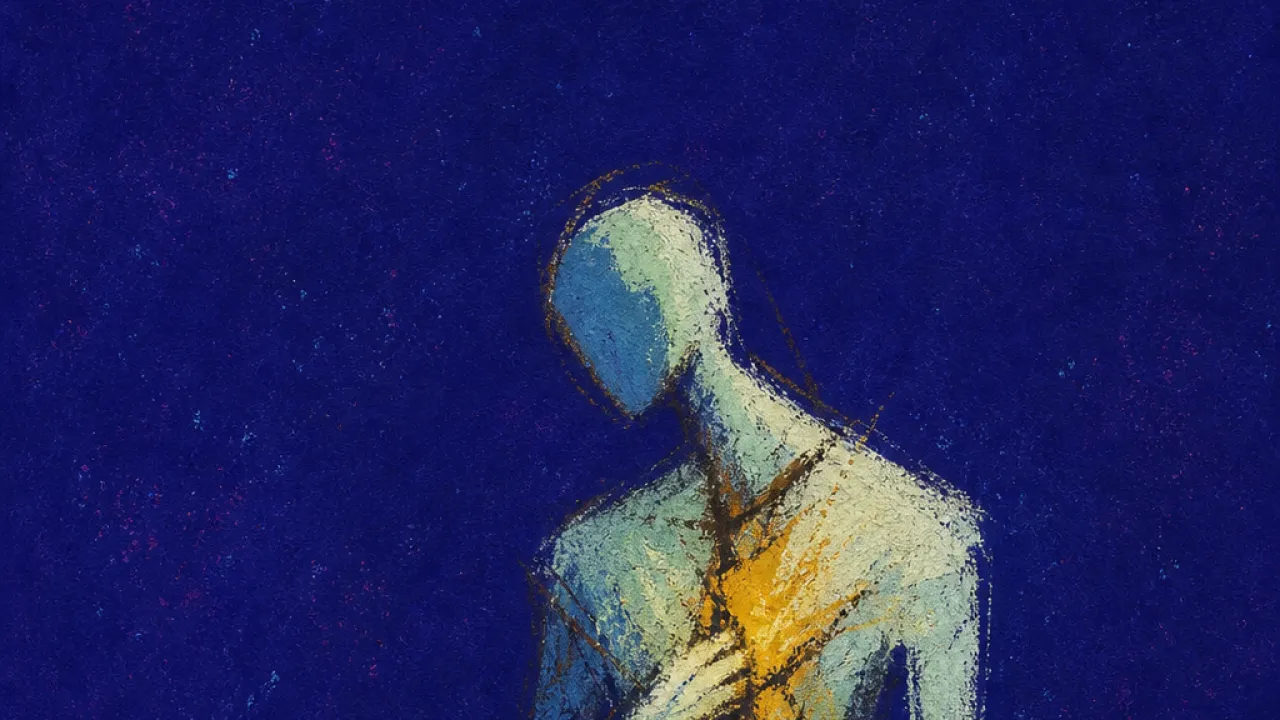
Ethical Unease — you feel it first as a small tightening in your chest or throat, not loud enough to stop you, but too present to ignore. Something may look appealing, practical, efficient, even smart, and yet your body hesitates as if it has noticed a thin line on the floor before your mind has named it. You keep replaying the offer, the wording, the timing, the tiny omission, the way the reward seems attached to a quiet compromise. It is not panic; it is more like a held breath, a low buzz under your ribs, a faint metallic aftertaste after imagining yourself saying yes. You can explain the choice from one angle, maybe even defend it cleanly, but another part of you keeps asking, "Will I still respect how I got here?" Everyday things start to feel slightly sharpened: a message draft sits open longer than usual, a meeting feels polished but airless, a compliment lands with a hidden hook, and your own ambition begins to sound louder than the rest of you. Ethical Unease is the feeling of standing close to something you want while sensing that wanting is not the whole answer, much like The Lovers, where the fruit is visible, the serpent coils beside it, and the whole garden holds its breath before desire becomes a choice.

Why you're feeling this?

Ethical Unease makes sense because some part of you is registering that a choice carries more than surface benefit. It does not mean your desire is wrong. It means your inner sense of proportion is asking to be included before you move.

Ethical Unease in Tarot Cards

That small tightening in your chest when something attractive also feels slightly off — Ethical Unease has a quiet but unmistakable shape. It lives in the pause before you say yes, in the charged space where reward and compromise seem to touch. This is a universal emotional experience: the body noticing value, consequence, and choice before language catches up. Here are the Tarot Cards that mirror Ethical Unease without flattening it into certainty.

The Lovers Upright
The fruit-bearing tree and the coiled serpent sit beside the figures as a visible tension between appetite, knowledge, and consequence. The gaze lines do not settle into one shared point, so the scene holds more than attraction; it holds the pressure of choosing what kind of person a choice will make you. In personal growth, Ethical Unease appears when an upgrade looks attractive but carries a subtle cost to your integrity. A method, opportunity, audience, or identity shift may promise expansion, yet some part of you keeps checking whether the gain would require a quiet betrayal of your own values. The Lovers supports this emotion because its classic choice is value-based, embodied, and relational to the self. The card does not shame desire; it asks whether the desire can survive clear seeing without becoming a performance of growth at the expense of inner alignment.
Reversed
The tree of knowledge, the serpent, the sunlit bodies, and the elevated angel sit in one clean frame, leaving no part of desire outside the field of awareness. The garden looks ordered, yet one hidden line of movement complicates the entire scene. Ethical Unease belongs to this visual tension because the card does not separate wanting from inner values. You are sensing the need to understand what is driving you before you let the desire become a decision.
Justice Upright
The scale hangs level while the sword stays upright, and the figure's direct gaze does not look away from the imbalance that might be found. The stone hall strips the scene of decorative distraction, leaving action, evidence, and consequence in the foreground. Ethical Unease is the inner pressure that rises when your growth goals and your values do not weigh the same. The image does not accuse you; it makes the mismatch visible, so you can tell the difference between ambition that clarifies you and ambition that quietly bends you out of shape.
The Devil Upright
The inverted pentagram sits on the horned figure's forehead while the raised hand borrows the shape of a formal teaching gesture. The symbols of order are still present, but their heat is directed downward into possession, appetite, and control of the scene. Ethical Unease appears when a choice looks efficient, attractive, or profitable while some deeper part of the decision system registers a cost that spreadsheets cannot carry. The card does not moralize the desire; it makes the value distortion visible so you can separate genuine want from the pressure to accept a compromised bargain.
Two of Cups Upright
The caduceus hovering above a perfectly balanced exchange turns the choice into a negotiation of value, not just preference. The cups are level, the figures are separate, and the space between them asks whether the offer is genuinely mutual or only shaped to look that way. That visual fairness can sharpen the discomfort around hidden cost. You may feel uneasy because one option appears clean on paper while some quieter part of the exchange still feels asymmetrical, underpriced, or emotionally expensive. The card gives that unease a precise function. It is not random suspicion; it is the part of you auditing whether the decision preserves respect on both sides, including the side of you that will have to live with the terms.
King of Cups Upright
The cup and scepter sit in separate hands, one carrying emotional value and the other carrying command. The King's gaze favors the cup, while the gold of authority remains visible across the crown, cloak, and objects he holds. Ethical Unease emerges when care and power both have to be included in the same decision. In a choice spread, the card reflects the discomfort of knowing that a clean strategic answer may still leave an emotional residue. You are not only asking which option works. The image presses on the quieter question of what kind of person each option asks you to become, and which cost you can carry without losing respect for your own inner governance.
Six of Pentacles Upright
Scales hang from the merchant's left hand while coins fall from his right, and the entire act of fairness is held by the same person who controls the resources. The two kneeling figures make the imbalance visible without making it simple; generosity is present, but it is filtered through rank, timing, and the power to decide. That arrangement matches Ethical Unease in career because You can sense the difference between wanting to be fair and having to operate inside an uneven workplace structure. The feeling becomes strongest when pay, feedback, referrals, or promotions require You to weigh another person's value while knowing the scale itself is not neutral ground.
Ace of Swords Upright
The sword passes through the crown with exactness, joining triumph to an edge that can cut both ways. Even the clear grip carries consequence, because this is a blade, not a soft offering. In friendship, Ethical Unease arises when a boundary is necessary but the delivery matters. You may know the truth, yet still feel the charge of how easily clarity can become harsh if it is used to win rather than to make the relationship more honest. The Ace of Swords holds that tension without turning it into guilt. It shows a clean line of truth, while reminding the inner system that precision and care have to share the same hand.
Two of Swords Upright
The two swords cross over the heart in a near-judicial symmetry, echoing the visual language of assessment and balance. The blindfold removes personal bias from sight, while the posture keeps the decision pressed directly against the chest. Ethical Unease emerges when a choice cannot be reduced to preference, convenience, or strategy. The card holds the pressure of deciding what is fair, what is clean, and what would cost too much of your self-respect if ignored. In decision work, this emotion often appears when every option has a defensible argument but one option quietly disturbs your values. The image does not moralize the choice; it shows the discomfort of weighing consequences with the heart protected but not absent.
Five of Swords Upright
The upright sword planted in the ground and the two hilts pressed against the chest make the foreground figure look defended, armed, and self-justified. The defeated figures behind him keep the cost of that position visible. In an introspective reading, the card exposes the private discomfort that appears when your inner audit cannot fully bless the method, even if it understands the motive. Ethical Unease is the low, sharp feeling that something inside you noticed the edge of your own words, judgments, or defenses before your conscious story could smooth it over.
Seven of Swords Upright
Five sharp swords are carried out of a guarded camp while two remain behind like a visible trace. The scene does not present a clean triumph, because advantage is being gained through a side door. In a growth context, this creates Ethical Unease when your ambition starts to feel more tactical than integrated. You may be getting results, but the card names the signal that your method and your values are no longer moving at the same pace.
Reversed
The smile on the figure’s face does not erase the physical facts of the scene: he is moving quietly, carrying sharp objects away from a camp, and keeping his body exposed while he does it. The card’s intelligence is tactical, but its atmosphere is not clean or settled. Ethical Unease emerges when a decision may be effective, defensible, or even necessary, yet the inner body still registers the friction of how the move is being made. You may be trying to choose the option with the best outcome while noticing that the method, omission, or private motive has a sharper edge than you expected. In a decision reading, this card gives that discomfort a precise role. It does not turn the choice into a moral verdict; it reveals the part of the strategy that needs daylight before you can fully stand behind it.
King of Swords Upright
The red hood and accents sit beneath layers of blue, so warmth is present but carefully governed. The sword and crown create a formal scene of judgment, while the elevated throne keeps the figure slightly removed from the ordinary ground of feeling. In friendship, this becomes the unease that appears when you are trying to be fair without becoming cold. You can sense the line between honest boundary-setting and emotional severity, but the line is thin enough to make every word feel loaded. Ethical Unease belongs to the moment when clarity asks for responsibility. The card gives that discomfort a structure: not proof that you are wrong, but evidence that the friendship still matters enough for precision to matter.

Ethical Unease in Tarot Card Reading Insights

Ethical Unease often enters a reading as that loaded pause before a choice becomes something you have to live with. Others have brought this same charged feeling into their readings when the cards opened space around desire, consequence, and self-respect. Tarot Reading Insights from sessions where Ethical Unease was already in the room.
Psychological emtions related to Ethical Unease