Can You Trust the Signal?

Explore the feeling of second-guessing your inner signal through related tarot cards and reading insights.

Intuitive Self-doubt

What does this feel like?

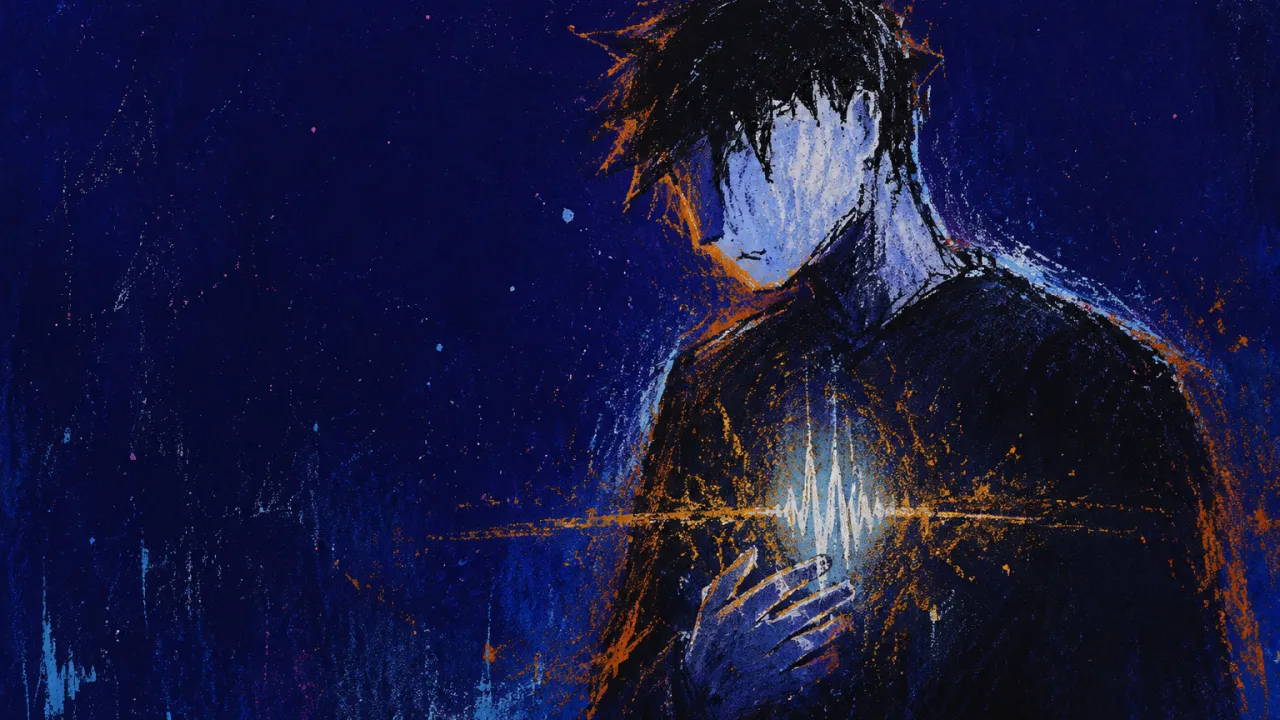
Intuitive Self-Doubt is the feeling of hearing a quiet yes or no inside you and immediately putting it on trial. It starts as a small bodily signal: a tight pause in your chest, a drop in your stomach, a tiny pull toward something or away from it before you can explain why. For one second, the signal feels clear, almost ordinary, then your mind rushes in with questions: What if I’m making this up? What if I’m being too sensitive? What if I just want this to be the answer? You replay the tone, the timing, the look, the option, the message, the room, trying to turn a felt sense into something clean enough to defend. The more you inspect it, the less solid it feels, like holding water in your hands and watching the shape disappear because you squeezed too hard. Daily life starts to feel full of tiny cross-examinations: you reread texts, ask for another opinion, search for a better reason, wait for a sign that will make your own perception acceptable. You are not empty of knowing; you are caught in the gap between sensing and being able to show what you sensed, much like the High Priestess with the partly hidden scroll in her lap, holding knowledge close while the veil behind her keeps the full chamber out of view.

Why you're feeling this?

Intuitive Self-Doubt makes sense when something inside you has registered before your words have caught up. You are not wrong for wanting proof, and you are not wrong for noticing what has not become proof yet. This feeling is the strain of holding a signal that matters while still deciding how much weight it deserves.

Intuitive Self-doubt in Tarot Cards

That quiet yes or no you feel in your body before the argument starts is the center of Intuitive Self-Doubt. It can sit like a tight pause in your chest, present enough to notice but not clear enough to defend on command. This is a universal emotional experience: the strain of sensing something before it becomes speakable evidence. These Tarot Cards mirror the shape of that half-hidden signal and the pressure to prove it too soon.

The High Priestess Reversed
The High Priestess faces forward with composure, yet the scroll is partially hidden and one hand disappears into the cloak. The image holds knowledge, but it also withholds access to it, creating a split between what appears steady and what remains privately unreachable. In personal growth, that split becomes the feeling of not trusting your own inner read. You may collect frameworks, personality systems, mentor opinions, or reflective prompts because your private signal feels too veiled to stand on its own. Intuitive Self-Doubt fits this card because the visual tension is not ignorance; it is uncertain access. The truth is close to the body, but the route to it is filtered through fabric, symbols, and a threshold that asks for discernment instead of performance.
The Empress Reversed
The Empress faces outward from a complete symbolic arrangement, yet there is no road sign, no split path, and no explicit external target for her gaze. The garden continues through wheat, forest, and water, but its route is organic rather than linear. Intuitive Self-Doubt emerges when inner knowing arrives in that same non-linear form. You may sense which option is more alive, but because the signal is bodily, aesthetic, or quietly repetitive, it can feel less legitimate than a hard piece of external proof. The card makes room for an audit that includes subtle evidence without surrendering critical thinking. Your task is not to obey a vague feeling, but to give that feeling enough structure that it can be compared honestly with the visible costs of each path.
The Emperor Reversed
The Emperor's public gaze is absolute, but the water of feeling runs behind the throne, mostly hidden from view. The face commands outward while the softer signal is pushed to the margins of the scene. Intuitive Self-Doubt appears when the decision demands evidence so loudly that your quieter inner signal starts to feel suspicious. You may keep asking for more proof, not because there is no signal, but because the card shows that the signal has been separated from the role trying to stay in control.
The Hierophant Reversed
The Hierophant's gaze travels above the acolytes while the keys remain visible but not personally held by them. Intuitive Self-Doubt appears when access to your own knowing feels routed through someone else's code. The card reflects the moment a choice becomes harder because the inner signal is present, but you keep waiting for an external system to certify it.
The Lovers Reversed
The woman’s upward gaze reaches toward the figure above the clouds, while the man’s attention remains angled toward the human relationship in front of him. The card holds two ways of knowing in one frame: an inner signal that rises, and an external field that keeps asking to be checked. Reversed, the distance between the overhead light and the grounded figures can make the signal feel unreachable. The mountain beyond them adds a far consequence to the scene, pulling attention away from what is quietly sensed and toward what might happen later. Intuitive Self-Doubt appears when a choice makes you distrust the part of you that already noticed something important. You may keep asking for another sign, another argument, another perfectly rational proof, because accepting the first clear signal would require you to move before everyone else understands why.
The Chariot Reversed
The figure stands centered, but the symbols around him keep splitting into pairs: black and white sphinxes, opposing shoulder faces, city behind and road ahead. Even the heart plate sits inside a body covered by armor, making the inner signal visible but heavily mediated. Intuitive Self-Doubt grows from that layered split. The card shows guidance trying to come through a field of counter-signals, where every felt knowing is immediately met by its opposite. You may sense a direction and then distrust it because another part of the psyche produces an equally loud objection. For introspection, this emotion points to the strain of trying to hear yourself through inner noise. The card does not ask you to force certainty; it reveals the exact conditions under which your inner compass becomes hard to read.
Strength Reversed
The lion looks upward while the woman's eyes remain closed, creating a strange mismatch between instinct asking to be met and perception turning inward. Her hands are active, but the gaze connection is incomplete. At a crossroads, that image becomes the feeling of receiving a gut signal and then immediately distrusting it. The decision stays trapped in management mode because the inner pull is present, but letting it count feels risky.
The Hermit Reversed
The hood covers much of the Hermit's face while the lantern remains intact in his hand. The light is real, but it is private, partial, and surrounded by a darkness that cannot immediately confirm it back. Intuitive Self-Doubt rises from that private visibility. In a decision reading, it reflects the uneasy state of sensing a direction while questioning whether the signal is wise, biased, wishful, or simply too quiet to trust. You may already have an inner answer, but the lack of external confirmation makes it feel unstable. The card does not ask you to inflate that signal into certainty; it shows the exact place where private knowing needs careful examination instead of automatic dismissal.
Justice Reversed
The brow jewel sits above a direct gaze, yet the curtain behind the figure keeps the unseen part of the scene sealed. The eyes face forward, the tools are visible, and still the deeper operating layer stays out of reach. Intuitive Self-Doubt belongs to this image because life direction often fails when the visible metrics look orderly but the inner signal will not settle. The card mirrors the experience of questioning your own compass because the official-looking evidence seems louder than the quiet knowledge underneath.
The Hanged Man Reversed
The inverted head carries a ring of light, yet the body cannot move that illumination into action. Red and blue sit together on the figure, holding impulse and receptivity in one restrained shape. Intuitive Self-Doubt grows from that split between inner signal and practical movement. In a high-stakes choice, the quiet knowing may be present, but it is difficult to trust when rational tradeoffs and fear of loss keep pulling the body in different directions. The Hanged Man connects to this emotion by showing awareness turned inward before it can become agency. You are not lacking a signal; the card suggests that the signal is suspended inside competing frameworks, waiting to be separated from pressure, panic, and borrowed logic.
Temperance Reversed
The angel looks down into the exchange between the cups while standing between water and land. When the scene tightens, that careful attention can become a narrow feedback loop where every inner signal is checked, rechecked, and stripped of its original warmth. Intuitive Self-Doubt fits Temperance reversed because the card shows the strain of trying to reconcile too many levels at once. In a direction question, the intuitive pull is present, but it gets filtered through the demand to make it practical, balanced, defensible, and perfectly integrated before it is allowed to matter. The feeling is not a lack of intuition. It is intuition under surveillance, and the card helps you see how the search for certainty can blur the very signal you are trying to trust.
The Star Reversed
The stars offer clear orientation overhead, but the woman's gaze stays lowered toward the water moving through her hands. The scene contains direction, yet the body's attention narrows around the immediate act of pouring and the divided streams leaving the vessels. Intuitive Self-Doubt grows from that split between available guidance and internal checking. In personal growth, it appears when you sense a direction but keep inspecting, reframing, and dividing the signal until the original knowing becomes harder to trust. The reversed Star makes this doubt feel quieter than panic. You are not without inner orientation; you are caught in the subtle erosion that happens when every insight must be validated, optimized, or translated before it is allowed to matter.
The Moon Upright
The Moon's face is solemn, closed-eyed, and turned inward, while the road below is guided only by reflected light. Nothing in the scene offers the sharp confidence of daylight; the card works through impressions, atmosphere, instinct, and indirect perception. That makes it a precise mirror for the personal growth state where you can sense an answer internally but cannot prove it to yourself yet. You may feel pulled toward a choice, a boundary, a creative direction, or a deeper truth, then immediately question whether the signal is real. Intuitive Self-Doubt lives in that gap between inner knowing and external verification. The card does not erase uncertainty; it shows how much of growth requires learning the texture of your own signal before the world confirms it.
Reversed
The Moon gives light, but it is reflected light, and its closed face looks downward instead of meeting the scene directly. The path is visible enough to pull you forward, but not bright enough to let every consequence behave like data. Intuitive Self-Doubt forms in that gap between signal and proof. You may sense what the decision is really asking of you, then immediately distrust the sense because it arrives as atmosphere rather than evidence.
Ace of Cups Reversed
With no face in the scene, the sensing body is hidden while the dove, disc, and overflowing cup do all the visible acting. The image can feel like guidance arriving without a witness inside the body to verify it. In personal growth, Intuitive Self-Doubt appears when your inner signal cannot satisfy the demand for proof, metrics, or a perfect framework. The visual tension names the gap between a real inner pull and the part of you that keeps asking whether it is legitimate.
Four of Cups Reversed
The figure sits between inner listening and visible evidence, with closed eyes facing neither the three cups nor the offered fourth. The tree shade creates an inward chamber, while the cups remain intact outside it, asking to be considered. In a decision spread, this can mirror the uneasy split between what looks rational and what keeps quietly registering inside. The problem is not intuition itself, but the lack of trust in whether that inner signal deserves authority beside the external facts. Intuitive Self-Doubt names the anxiety of hearing a subtle yes or no and immediately cross-examining it. The card makes room for objective review without letting analysis erase the body's quieter intelligence.
Seven of Cups Upright
The shrouded cup glows from within, but its contents stay covered while louder symbols crowd around it. The figure looks toward the visions from a distance, close enough to feel the pull, not close enough to verify what is real. Intuitive Self-Doubt grows from that gap between inner recognition and external spectacle. Something in the scene suggests that the most important signal is present, but partially hidden, while brighter possibilities keep competing for attention. In direction work, this card reflects the feeling of sensing a true route without trusting it yet. You may recognize a quiet pull in your body, then immediately lose confidence because the more impressive cups make your own inner knowing seem too subtle to rely on.
Reversed
The shrouded figure inside one cup hides the most personal image on the card, while the standing figure looks outward at all seven visions. The self is present, but it is covered; the external images are brighter and easier to stare at. That visual imbalance makes inner knowing harder to access. Intuitive Self-Doubt belongs to the reversed Seven of Cups because the career field becomes too loud for the quieter internal signal. Prestige, salary, praise, comparison, and fear of missing out can all appear more convincing than the private sense that a role does or does not fit. This card does not ask you to abandon logic. It asks for a cleaner audit of which signals are externally impressive and which ones are internally coherent. The doubt begins to loosen when your own reading of the situation is allowed to stand beside the visible rewards instead of being buried under them.
Eight of Cups Reversed
The moon crossing the sun casts the scene in partial light, and the figure moves without turning back for visible confirmation. The path is real, but it is not fully illuminated. This is a landscape where inner perception has to operate before external certainty arrives. In academic life, Intuitive Self-Doubt emerges when you sense a mismatch but cannot prove it cleanly. You may feel that a supervisor dynamic, research question, course load, or field choice is wrong for you, while another part of you keeps demanding measurable evidence before allowing the feeling to count. The result is not clear indecision; it is a distrust of your own signal. The card anchors that doubt in the tension between moonlight and movement. Something in you is already oriented toward change, but the lack of full visibility makes your own knowing feel suspicious.
Page of Cups Reversed
A young figure stares into a cup that contains an impossible fish, while the larger sea remains behind him. The signal is alive, but the attention loop is tight: the more the message is inspected, the more fragile and questionable it can seem. In personal growth, this becomes the feeling of distrusting your own inner data just as it starts to matter. You may sense a real pull toward a new skill, identity, or path, yet the mind keeps shrinking that signal into something that needs permission, proof, or a better explanation before it can be believed.
Knight of Cups Reversed
The Knight looks at the cup for orientation, but the path across the river is not fully visible from where he sits. His grip must keep the vessel steady while the horse waits on a damp, uncertain edge. In personal growth, that scene mirrors the nervous feeling of trusting an inner signal and then immediately questioning whether it is real enough to follow. You may be caught between sensitivity and execution, where every quiet knowing has to pass through a private tribunal before it is allowed to move.
Queen of Cups Reversed
The Queen’s gaze is absorbed by a closed chalice, an object rich with meaning but visually sealed from inspection. The distant wall narrows the long view, so the scene gathers attention inward until the inner signal risks becoming too private to verify. Intuitive Self-Doubt forms when the same sensitivity that usually clarifies now starts looping around its own evidence. In personal growth, this can feel like knowing something in your body and then immediately cross-examining it until the knowing loses shape. The card’s reversed texture does not remove intuition; it overconcentrates it. You are not empty of inner guidance, but the guidance has become trapped inside a sealed chamber of checking, interpreting, and wondering whether your own perception can be trusted.
King of Cups Reversed
The fish pendant rests at the King's chest, the dolphin breaks the surface nearby, and yet his gaze narrows back to the cup in his hand. The wider water-world is alive with signals, but attention loops around one controlled object. In academic choices, Intuitive Self-Doubt appears when your research instinct is present but difficult to trust. You may keep asking for one more source, one more opinion, or one more proof that your direction is valid, while the quieter signal inside you waits to be acknowledged.
Two of Swords Upright
The blindfold removes the most direct form of confirmation while the moon and tide pull attention toward subtler signals. The woman is not empty of information; she is surrounded by information that cannot be checked in the usual way. In personal growth, this becomes the ache of needing inner guidance while distrusting the part of yourself that senses direction before evidence arrives. You may hear the tide, but the mind still wants a map. Intuitive Self-Doubt fits this card because the swords belong to analysis while the moon belongs to inward perception. Their meeting point creates a tense inner atmosphere where knowing and proving do not arrive at the same speed.
Reversed
The blindfold asks the woman to rely on inner listening, yet the two swords remain evenly balanced on either side of the crescent moon. The image places intuition inside a field of sharp mental opposition, where every quiet signal can be challenged by an equally polished counterargument. Intuitive Self-Doubt belongs to this card because the inner voice is present but not easily trusted. In introspection, the moon offers a subtle signal, while the swords keep demanding clean proof before the system will accept what it already senses. This emotion can feel like hearing something true inside and immediately cross-examining it until it loses volume. The card names that fragile moment when intuition is not absent; it is being held at swordpoint by the need for certainty.
Queen of Wands Reversed
The black cat sits beneath the throne steps, compact and alert, holding a dark visual weight under the Queen's bright authority. Her gaze moves outward while this smaller threshold figure remains close to the body, suggesting an instinctive signal that is present but not fully brought into the open. In study, that placement maps onto the quiet first read of a text, research problem, or argument that has not yet been justified in formal language. The mind may already sense where the work wants to go, but the academic self looks past that signal toward more official confirmation. Intuitive Self-Doubt is the unease of not trusting a perception until it has been validated by citations, supervisors, rubrics, or peer consensus. The card makes the hidden knowing visible without asking you to treat it as proof before it has been examined.

Intuitive Self-doubt in Tarot Card Reading Insights

When Intuitive Self-Doubt turns a quiet inner signal into something you keep cross-checking, others have brought the same tension into readings. The shift from cards to readings shows how this feeling can appear when someone sits with uncertainty, proof, and a private sense they cannot fully explain yet. Tarot Reading Insights connected to this emotion are gathered below.

Psychological emtions related to Intuitive Self-doubt