Why Must Rest Earn Its Place?
See how this split feels, which Tarot Cards mirror it, and what surfaced in readings from others facing the same tension.

Ease-productivity Split
What does this feel like?
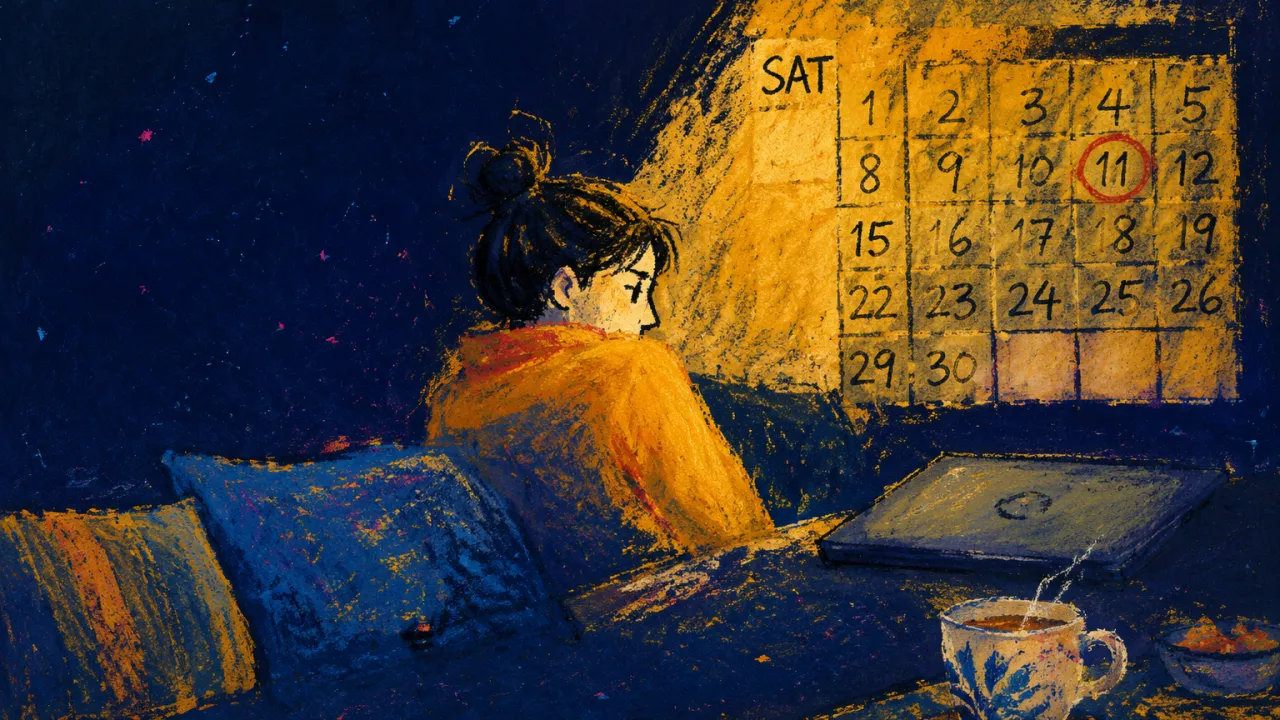
Ease-Productivity Split: you finally close your laptop on a Saturday afternoon, make tea, settle onto the sofa, and within seconds the quiet starts asking what you plan to do with it. Your shoulders stay slightly raised, your fingers keep drifting toward your phone, and your eyes return to the closed laptop as though it might reopen by itself. You chose to rest, but part of you is already running an audit: you could answer that email, clean the kitchen, work out, prep for Monday, or at least use the break properly. Rest feels unsafe unless it improves your output, so downtime becomes a recovery strategy, a walk becomes a step target, and an early night becomes an investment in tomorrow's focus. Even pleasure arrives with a job. A meal should be nutritious, a hobby should build a skill, and time with friends should leave you refreshed enough to work better afterward. Yet constant effort has its own cost. You notice your jaw setting as another task appears, your meals drifting closer to the desk, and your creative ideas becoming thinner the harder you press them for results. You want the momentum because it gives the day shape, but you also want enough space to feel your body, enjoy what you have made, and let an hour pass without turning it into evidence. So you hover between two lives: one that looks disciplined but feels increasingly difficult to inhabit, and one that feels spacious but immediately triggers the fear that you are falling behind. The cost is a life where growth can be happening but never feels valid unless you are straining to cause it, much like The Empress, seated in stillness while ripe wheat, moving water, and the living forest show growth continuing all around her.
What's pulling at you?
You are trying to protect two things at once: the momentum that gives your days direction and the softness that makes those days feel inhabitable. The moment you rest, part of you asks what the rest will produce; the moment you push, another part notices that the life you are building is becoming harder to feel. That is what keeps you stuck: ease must justify itself through output, while output keeps spending the ease it claims it will eventually earn.
How It Shows Up?
- It is Saturday afternoon, and you are alone on the sofa with a closed laptop and tea going cool beside you. Wheat-gold light crosses the room, but your shoulders remain lifted and your hand keeps reaching toward your phone as you inventory emails, laundry, exercise, and the "better" version of this break. The cushion is soft, yet your chest stays braced, as though sitting down has put you behind. For now, the tea is allowed to be only tea; this hour does not need a measurable outcome.
- You finish a report, assignment, or shift and watch the confirmation appear, but before the relief can land, you open your planner and add three more things. Your eyes feel hot from the screen, your shoulders draw forward, and one completed item becomes another wand laid across an already full load. You tell yourself you are protecting momentum, while the empty minute after finishing feels oddly exposed. That minute can remain blank without becoming evidence that you have lost your edge.
- A friend texts about a slow brunch or an unplanned afternoon together, and your thumb hovers while you calculate what the invitation will cost your schedule. You want to say yes, but your chest tightens as you picture the errands, prep, or personal projects that would be pushed back; when you start typing an excuse, your hand feels strangely heavy. The invitation has turned pleasure into a negotiation before the day has even arrived. Both the wish for company and the need for unclaimed time can be present while the message remains unanswered for a moment.
- You are at dinner with friends when the conversation becomes easy and several cups rise across the table. Instead of settling into the moment, you check the time, think about tomorrow, or angle your phone toward the table so the evening leaves behind something visible. Your jaw stays firm between smiles, and your breath catches high in your chest whenever the night runs later than planned. The evening can remain time you lived, even if it produces nothing to post, improve, or carry forward.
- At 11:47 PM, you open your sleep app, set the ideal alarm, and calculate how many hours remain before morning. Your body feels heavy, but the area around your eyes stays alert as you wonder whether tonight will provide enough recovery for tomorrow's work, workout, or study session. Even sleep has to present a return by morning, so lying still feels less like rest and more like waiting for a score. A low score can remain a number; tonight does not need to submit a performance report.
Ease-productivity Split in Tarot Cards
Ease-Productivity Split lives in the moment rest feels unsafe unless it improves your output, while continued effort makes your own life harder to feel. You can see it in shoulders that stay lifted beside a closed laptop and a hand that keeps reaching for the phone. Viewed through an existential lens, its structural framework is the forced choice between preserving momentum and remaining present inside the life that momentum is building. The Tarot Cards below make that outline visible without asking either side to disappear.
Ease-productivity Split in Tarot Card Reading Insights
When ease must earn its place through output, other people have carried the same split into readings, from weekend rest to work that never feels finished. The Tarot Reading Insights below show what surfaced when they brought that tension to the cards.

Sending One Proposal: From Career Timeline Doubt to Direct Feedback
Topic:Personal Growth Tarot Reading
Struggle:Freedom-Structure Conflict
Context:Social Clock Pressure
Side-Hustle Guilt Canceled Drinks; Then Tuesday Stayed Work-Free
Topic:Career Tarot Reading
Struggle:Ease-Productivity Split
Context:Founder Mode Overreach
Netflix Covered the Portfolio; Four Rough Drafts Marked a Turn
Topic:Lifestyle Tarot Reading
Pattern:Boundary Discernment
Context:Convenience Lifestyle Lock-In

When One Missed Day Becomes a Verdict: Returning Without Starting Over
Topic:Lifestyle Tarot Reading
Struggle:Capacity Misalignment
Context:Routine Collapse

From Productivity Guilt to Letting One Hobby Stay Fun Again
Topic:Career Tarot Reading
Struggle:Potential Overidentification
Context:Hustle Culture Trap

From Screen Time Guilt to Neutral Feedback: A One-Week Experiment
Topic:Personal Growth Tarot Reading
Struggle:Ease-Productivity Split
Context:Routine Reset Trial