Running on a Broken System?
Explore Systemic Depletion through lived patterns, matching tarot cards, and related reading insights from selected sessions.

Systemic Depletion

What does this feel like?
Systemic Depletion: you notice it at 11:47 PM, standing in the kitchen with one light on, waiting for the kettle or the microwave, and your body feels like it has been running background apps all day even though nothing dramatic happened. Your shoulders are lifted before you ask anything of them, your spine feels braced, and your eyes keep sliding toward the phone because there is probably one more message, one more tab, one more thing that will be easier to answer now than carry into tomorrow. You are still functioning, which makes it harder to name: the bills are handled, the work is sent, the group chat gets a reply, the dishes are half done, and from the outside your life may look intact. Inside, though, every system seems to borrow from the same thinning reserve; rest becomes another task to schedule, eating becomes something you fit between tasks, sleep becomes a pause before the next round of maintenance. You keep trying to reset by cleaning the room, closing tabs, making a list, changing the app, planning the week, but the relief arrives thin and leaves quickly, because the issue is not one messy day; it is that your recovery capacity has been recruited to keep output alive. The quiet cost is that your own life starts to feel like infrastructure: you hold the shape, carry the load, keep the movement going, and slowly lose the space where you can be more than the thing that keeps everything upright, much like the figure on the Ten of Wands, bent beneath a living bundle that stays green while the body underneath disappears into the work of carrying it.
What's pulling at you?
You're not simply tired because you had a busy week; you're caught between the need to keep daily life running and the need for the same life to give something back. The trap is that every fix still asks energy from the reserve that was supposed to be refilled, so staying on top of things starts to cost the part of you that needs space to recover.
How It Shows Up?
- You wake up on a Saturday with no urgent plan, but your hand reaches for your phone before your eyes fully open, checking notifications like a guard doing rounds. Your neck feels tight, your tongue is dry, and your chest has that flat, low hum of a device left plugged in overnight. You put the phone face-down and still feel the pull of the screen in your palm. You can let the first few minutes be unfinished; nothing has to become a reset plan yet.
- You open your laptop and the tabs look familiar before you remember what each one was for: inbox, calendar, draft, assignment, invoice, the same small load in a different order. Your shoulders creep upward, your lower back locks, and the line between 'starting' and 'catching up' disappears. The task list stacks in your head like upright wands blocking your sightline, green and orderly and impossible to set down. You can name it as a load before deciding what to do with it.
- A friend or partner sends a message that begins with 'can I ask you something?' and your thumb pauses over the screen because you already feel yourself making room. Your stomach dips, your jaw tightens, and a tiny part of you starts drafting the careful answer, the follow-up question, the emotional weather report. You care, but your body is bracing before the conversation has even opened. You can answer from the capacity you have, not the capacity the moment seems to demand.
- You're at dinner, in class, or sitting with friends, and everyone is talking at normal speed while you keep losing the thread by half a second. You smile, nod, laugh where the rhythm tells you to, but your ribs feel tight and your face starts to feel like it is being held in place from the inside. The room is not hostile; it just costs more than it gives back. It is fine to step out, get water, or let yourself be quieter without turning it into a performance.
- At night, you finally lie down and the body that was waiting all day to stop does not fully stop; your calves twitch, your teeth press together, and your shoulders hover above the mattress. The room is dark, but a small list keeps moving behind your eyes, like wands passing overhead with no visible hand and no landing place. You may be still on the surface while another layer keeps holding the line. Let the body notice the mattress before you ask it to sleep.
Systemic Depletion in Tarot Cards
Systemic Depletion lives in the gap between keeping daily life running and needing that same life to refill you. You can feel it in the raised shoulders, locked lower back, and tight ribs when the task list starts blocking your sightline. From an existential perspective, the structural framework here is about a person becoming the missing support for systems that no longer give enough back. Here are the Tarot Cards that mirror that shape.
Systemic Depletion in Tarot Card Reading Insights
For anyone who recognizes Systemic Depletion as the feeling of keeping everything upright while the refill point stays out of reach, others have brought the same drain into readings. The next section moves from card mirrors into session-based readings. Here are the Tarot Reading Insights connected to this pattern.

The End-of-Month Burnout Cycle: Asking What Must Move Before Friday
Topic:Lifestyle Tarot Reading
Struggle:Environment-Agency Split
Context:Always On Availability

A Smiling Photo and an Unfinished Talk Lead to One Honest Ask
Topic:Love Tarot Reading
Struggle:Performative Harmony
Context:Unspoken Expectations Gap

Queen Streetcar Draft-Delete Loop—and the First Fair Handoff
Topic:Family Tarot Reading
Struggle:Inherited Role Lock
Context:Parentified Adult Child Role

Parentified Peacemaker Burnout and a Fairer Way to Stay Close
Topic:Family Tarot Reading
Struggle:Caretaker Role Lock
Context:Triangulated Family Mediator

At 6:47 p.m., the Laptop Reopened; by Friday, Ownership Was Named
Topic:Career Tarot Reading
Struggle:Responsibility-Authority Split
Context:Always On Availability

A High-Functioning Burnout Loop: From Quick Relief to Visible Limits
Topic:Choice Tarot Reading
Struggle:Emotional Secrecy Spiral
Context:Always On Availability

Stuck as the Emotional Middleman Between Friends—and Stepping Out
Topic:Personal Growth Tarot Reading
Struggle:Boundary Collapse
Context:Emotional Dumping Friendship

Burnout Spillover After Dad’s Job Offer: Building a Simple Container
Topic:Family Tarot Reading
Struggle:Autonomy Guilt Bind
Context:Strings Attached Offer

Report-Card Mode Spiral: Hosting Parents Without Losing Sleep or Dating
Topic:Family Tarot Reading
Struggle:Inherited Role Lock
Context:Family Script Pressure
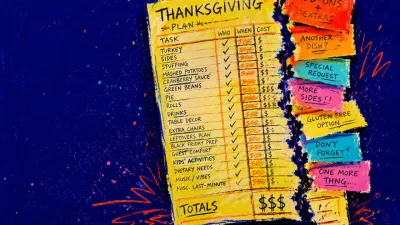
No Spreadsheet Before Yes: A Consent-First Rule for Thanksgiving Hosting
Topic:Family Tarot Reading
Struggle:Boundary Ambiguity Lock
Context:Friendship Boundary Creep