Calm, But Still Burning?

Explore how this contained emotional heat feels, which tarot cards mirror it, and what related reading insights reveal.

Suppressed Resentment
What does this feel like?

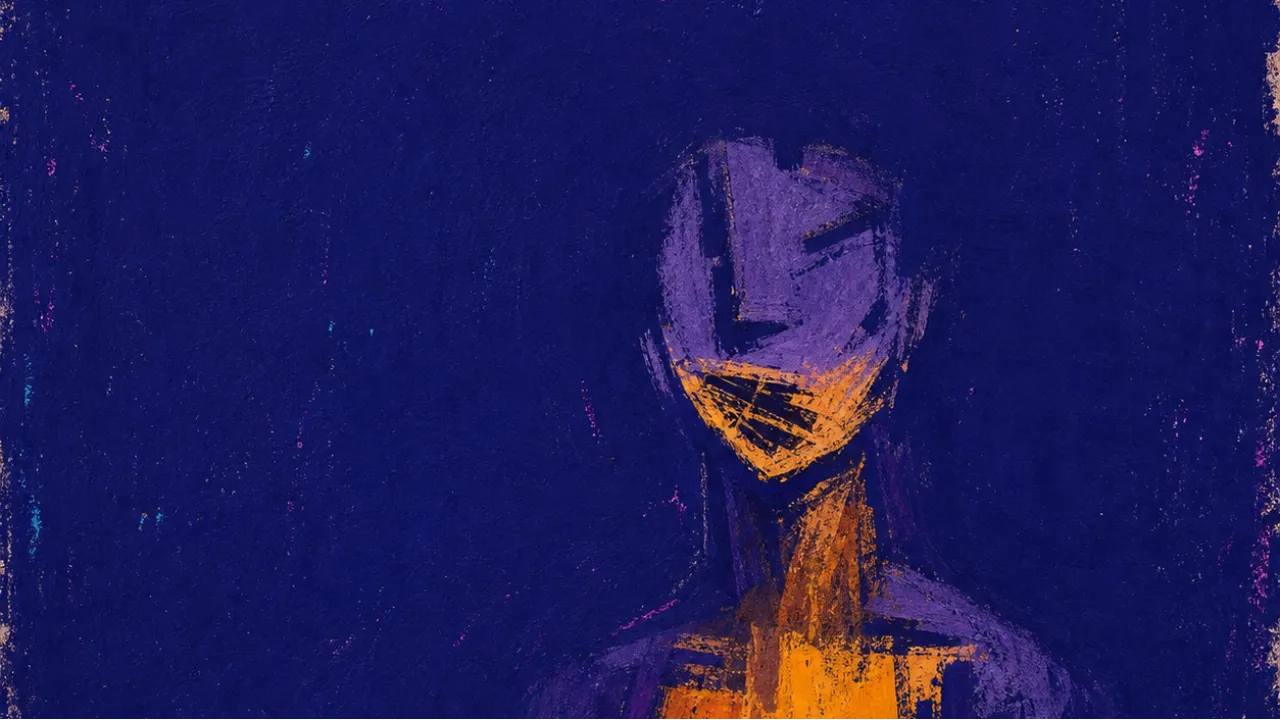
Suppressed Resentment — you feel it first as heat with nowhere clean to go, a tightness behind your teeth, a locked jaw, a careful breath held high in your chest while the rest of you keeps acting normal. You answer the message politely, sit through the conversation, finish the task, make the small laugh at the right time, and from the outside nothing looks dramatic; inside, something keeps writing notes in the margins, remembering every slight shift, every swallowed sentence, every moment when you decided it was easier to stay calm than to say what was actually landing. The feeling is not loud at first. It is low temperature, steady, almost organized, like a coal kept under ash. Your shoulders learn to hold still before your words do. Your face stays neutral while your body quietly refuses to soften. You might tell yourself it is not worth bringing up, that you are being mature, that the timing is bad, that naming it would make you look difficult, but the unsaid thing does not disappear just because you dressed it in patience. It gathers in small places: the delayed reply, the sudden coolness, the private replay of a conversation that everyone else seems to have moved on from. Suppressed resentment can make you feel composed and charged at the same time, as if your calm is not peace but containment, much like the figure on the Four of Cups, arms folded between the body and the offered cup, surrounded by upright cups of emotional material that have not been taken in or cleared away.

Why you're feeling this?

Suppressed resentment is not a character flaw; it is the feeling of a boundary trying to speak in a place where your voice has learned to be careful. You are not wrong for feeling heat under the calm. Something in you is keeping track of what has not had room to be said.

Suppressed Resentment in Tarot Cards

That sealed heat behind your teeth, the tightness in your jaw, the shoulders held a little too still — suppressed resentment has a body before it has a sentence. This is a universal emotional experience: the quiet strain of carrying anger in a form that looks calm enough to pass. Tarot can mirror the guarded surface, the stored charge, and the unspoken no without turning them into a verdict. Here are the Tarot Cards that tend to reflect suppressed resentment.

Four of Cups Reversed
Folded arms sit between the figure and the cups, turning the torso into a guarded threshold. The three cups in front of him remain upright, but they also read as accumulated emotional material that has not been taken in or cleared out. Suppressed Resentment takes shape through that guarded accumulation. The offered cup does not enter the field because the inner boundary is already crowded with what has gone unprocessed, unspoken, or quietly refused. In introspection, this card names the low-temperature no that can hide beneath calm withdrawal. You may not be outwardly confrontational, but the image shows how the body can withhold receptivity when old emotional residue has not been given a clean place to go.
Five of Cups Reversed
The spilled cups sit exposed in the foreground while the figure remains sealed inside the black cloak. Nothing in the image moves toward repair, confrontation, or collection; the scene holds visible waste and tightly contained bodily response at the same time. In workplace power dynamics, that containment becomes emotionally precise. When effort is overlooked, credit is redirected, or advancement is blocked, the cost may be obvious while direct expression feels strategically unsafe. Suppressed Resentment names the heat kept under the cloak. The card does not need an explosive gesture to show it; the tension lives in the contrast between spilled value on the ground and a body that cannot afford to act like the loss matters as much as it does.
Six of Cups Reversed
The offering is gentle, but it is also staged: a child holds out a perfect cup of flowers inside a courtyard where order, protection, and observation are all visible. The scene leaves little room for mess, refusal, or anything that would disturb the sweetness of the gesture. Suppressed Resentment grows in the space between care and compliance. In introspection, the memory of being protected or given to can carry a hidden edge when it also required you to stay grateful, quiet, or emotionally pretty. The Six of Cups makes that edge visible without turning the whole past into a verdict. It shows how a beautiful memory can still contain a pressure point, and how naming that pressure gives your adult self more honest agency.
Four of Pentacles Reversed
The eyes hold intensity while the mouth stays sealed. The arms compress the pentacle against the torso, and the dark cloak covers the figure like an outer layer of withheld expression. Suppressed Resentment comes through when what is being protected also carries a charge of unspoken protest. In introspection, this may feel like a low, clenched irritation toward everything that made you become so guarded, self-contained, or difficult to reach. The town in the background matters because the figure is not in a blank void. There is a world nearby, but the card shows a body that has chosen containment over contact, allowing the unspoken feeling to harden privately.
Five of Pentacles Reversed
The figures keep walking past a window that remains intact, bright, and separate. In the reversed card, the pressure gathers around what cannot be said: the shelter exists, the cold is real, and the body still has to keep moving as if this arrangement is acceptable. Family resentment often grows in that exact silence. The self may continue showing up, replying, visiting, or helping while carrying a private record of who stayed warm, who was left outside, and who was expected to be grateful anyway. Suppressed Resentment gives that hidden heat a clean name. The card does not turn anger into disloyalty; it shows the emotional cost of maintaining contact while the boundary between care and deprivation remains unspoken.
Six of Pentacles Reversed
One kneeling figure receives coins while the other waits with a hand extended under the scales. The bodies remain polite and contained, yet the visual imbalance is obvious enough that the scene cannot feel neutral. Within family systems, that split can hold the feeling of anger being pressed under acceptable behavior. You may keep your voice even and your hands open while a deeper part of you tracks the unequal treatment and stores what cannot yet be said.
Knight of Pentacles Reversed
Red fabric is visible beneath dark armor, but the harder surface dominates the body. The heat is present, contained, and disciplined into a shape that can keep functioning without revealing what is building underneath. In family contact, that becomes the resentment held behind reliability. You keep performing steadiness because the system has rewarded your usefulness, while the sharper feeling stays sealed away to prevent conflict, punishment, or another round of emotional accounting.
Ace of Swords Reversed
The hand grips the hilt with controlled force, while the blade carries that force upward in one narrow channel. The sword does not spill; it concentrates, making pressure look composed from the outside. In friendship, Suppressed Resentment grows when support keeps being requested without mutual recognition. You may keep answering, listening, and smoothing things over, but the inner blade becomes sharper each time your limit is treated as negotiable. The reversed Ace of Swords reflects resentment that has not yet found clean language. It is not random bitterness; it is the stored charge of unsaid truth, waiting to become a boundary before it turns into a cut.
Two of Swords Reversed
Locked arms, sharp metal, and a covered face create a body that is armed but silent. The blades are visible, yet the feeling behind them has no open channel. Suppressed Resentment fits family situations where irritation has been made unsafe, impolite, or disloyal to show directly. You may keep the tone even and the visit functional while the internal edge grows sharper each time your limits are minimized. The card does not turn resentment into a flaw. It shows the pressure created when anger has to become posture, silence, and careful phrasing instead of clear information.
Three of Swords Reversed
Rain falls everywhere around the heart, but the heart itself has no visible mouth, hands, or path of discharge. The blades remain sealed in place, turning pressure into a contained system rather than an open expression. Personal growth can create this feeling when every injury is expected to become a lesson, every limit a mindset issue, and every need another optimization project. What cannot be voiced directly starts collecting under the surface of the improvement narrative. Suppressed Resentment belongs to the reversed Three of Swords because the image holds sharpness without release. The card names the anger that forms when the demand to evolve leaves no room for the part of you that simply feels hurt.
Four of Swords Reversed
The visible hands remain folded, but a sword lies hidden beneath the body, parallel to the figure's own line. The card creates a sharp contrast between formal composure on the surface and pressure stored underneath the place of rest. Suppressed Resentment in family life often looks polite from the outside because open conflict would cost too much. The card names the hidden blade beneath the calm: every managed reply, favor, and family ritual may be carrying an unspoken edge.
Five of Swords Reversed
The sword hilts pressed near the chest make the sharpness feel intimate rather than distant. Around the figure, no one faces anyone else; the blades and bodies create a scene where contact has been replaced by guarded possession. In personal growth, this becomes the feeling that accountability has turned into a private stockpile of unsaid irritation. You may be trying to stay mature, self-aware, and constructive, but the card shows how unspoken sharpness can stay stored close to the body when it has nowhere honest to go. Suppressed Resentment is the pressure of carrying too many internal arguments without admitting how angry or disappointed part of you feels. The card gives that pressure form, making it easier to see where growth has become performance and where a cleaner truth is still waiting to be named.
Six of Swords Reversed
The swords are upright, even, and controlled, but they also crowd the passengers' route forward. The figures do not turn to speak; they remain bundled and facing away, as if the sharp material has been arranged into silence. In friendship, Suppressed Resentment forms when you keep the peace while noticing that care, time, attention, or emotional labor keeps moving in one direction. The outer surface may look mature and composed, but the unspoken edge is still inside the boat. The reversed Six of Swords shows resentment as something contained too neatly for too long. It does not ask you to turn the feeling into conflict; it makes the hidden charge visible so you can stop mistaking silence for resolution.
Eight of Swords Reversed
The woman's hands are tied behind her back, exactly where refusal, reach, and self-protection would normally begin. The open landscape around her does not translate into usable freedom because the surrounding blades and bindings have already shaped what movement feels allowed. Suppressed Resentment belongs to this held-back posture. In friendship, it is the irritation that gets tucked away after every small overstep, every unbalanced favor, and every moment you decide it is easier to stay pleasant than to name the cost. The Eight of Swords makes the suppression visible without turning it into blame. The swords do not have to move for the body to stay guarded. The card reveals how resentment can build in the space between what you feel, what you can say, and what the friendship seems able to tolerate.
Nine of Swords Reversed
The face is sealed behind both hands while the carved scene on the bed remains exposed, creating a split between what is visible and what is unsaid. The body is upright, but the expression is hidden, as if the pressure has been contained for too long to exit cleanly. Suppressed Resentment in friendship grows when you keep offering emotional labor while performing understanding, patience, or chillness. The card’s rigid swords and covered face capture the cost of staying nice on the surface while the inner record of imbalance keeps sharpening. This emotion is not presented as proof that the friendship is beyond repair. It is the signal that your unspoken no, your tired yes, and your need for reciprocity have been forced into the same dark container until they can no longer stay quiet.
Ten of Swords Reversed
The hidden face and controlled hand gesture create a strange restraint inside a violent image. The body has been pierced, yet the visible surface does not give the viewer a direct expression to read, so the reaction feels sealed under the scene rather than released through it. Suppressed Resentment in friendship often looks like politeness after the inner line has already been crossed. You keep the tone measured, keep the group stable, keep the old version of yourself available, while the uncrossed river quietly marks the boundary you have not yet voiced. The reversed card gives that buried heat a form. It shows a friendship dynamic where silence has become a container for everything you do not feel safe saying, and the pressure is asking to be named before it hardens into permanent distance.
Page of Swords Reversed
The Page's face stays serious and controlled while the sword remains lifted in the wind. The image has sharpness without release, as if the cutting edge is present but held inside a disciplined posture. In family conversations, that becomes the feeling of sounding reasonable while something hotter stays trapped underneath. You may keep your voice measured, answer carefully, and still feel a quiet edge forming because the same pattern keeps asking you to absorb what was never acknowledged. Suppressed Resentment fits the reversed Page because the sword's clarity has nowhere clean to go. The card shows anger converted into vigilance and precision, waiting behind the face instead of being openly named.
Queen of Swords Reversed
The Queen's arm reaches outward, yet her seated base remains fixed and her face does not soften. The gesture contains movement, but the body underneath it stays restrained, as if response has been lifted into form without being allowed full release. That restraint gives the card its buried sharpness. The psyche may look composed on the surface, but old objections remain stored in the posture, the cloud band, and the controlled mouth. Suppressed Resentment emerges when inner work uncovers the places where you stayed reasonable for too long. The card does not glorify the sharpness; it makes it visible so the feeling can be named before it leaks into everything else.
King of Swords Reversed
The red hood and warm fabric at the elbows sit inside a field of cool blue, as if heat has been wrapped in discipline. The stern face and controlled posture keep the emotional charge from spilling, while the barren mound offers little sign of easy nourishment. In family dynamics, this visual tension becomes the feeling of carrying anger in a form that has learned to look acceptable. You may answer politely, stay measured, and keep the surface clean while something hotter gathers under the language of duty, patience, or being the reasonable one. Suppressed Resentment belongs to the reversed King of Swords because the card shows feeling forced into a narrow rational container. The issue is not that the resentment is irrational; it is that it has been denied enough direct expression that it starts living behind the face, the posture, and the carefully chosen words.
Two of Wands Reversed
The deep red clothing carries heat, but the figure’s posture keeps it disciplined and contained. His hand stays on the wand, his body stays formal, and the scene gives him distance rather than a place to discharge what has been held. In family dynamics, Suppressed Resentment often forms when you are expected to stay reasonable while the same old imbalance keeps repeating. The feeling does not always look loud; it can look like polite replies, delayed anger, strategic quiet, and a private refusal to keep pretending the exchange is harmless. The reversed Two of Wands links this emotion to blocked movement. The horizon is visible, but the heat stays inside the garment, showing how unspoken family anger can become pressure when there is no clean path for truth to travel.
Five of Wands Reversed
The rods cross like blocked lines of speech, each one held tightly but none forming a shared structure. The bodies keep moving inside the contest, yet the tangle makes it hard to tell whose force is being answered and whose force is being ignored. Suppressed Resentment forms when professional composure keeps the conflict socially acceptable while the inner pressure keeps accumulating. The card shows how unspoken anger can become a rigid architecture: held up, crossed over, and still taking space in every interaction.
Seven of Wands Reversed
The wand is held with both hands, but the pressure below has no visible face. That lack of a single source makes the grip harder, as if the body has to contain every small demand without being able to point to one clean cause. In friendship, Suppressed Resentment gathers when repeated requests arrive as separate incidents while your nervous system experiences them as one long demand. The feeling stays muted because naming it might disturb the closeness, but the body has already started keeping score.
Eight of Wands Reversed
The wands are not chaotic; they are almost too uniform, each shaft matching the others in angle and distance. That rigid neatness can read like a repeated message sent through the family line, polished on the surface and forceful underneath. When resentment has no safe place to land, it often becomes controlled language, delayed replies, or a careful performance of being fine. The card reveals the pressure of staying parallel to the family script while something inside you keeps registering the cost of that alignment.
Nine of Wands Reversed
The figure's grip is tight, but the card offers no open strike or release. His attention points sideways, his body stays contained, and the missing place in the fence is filled by his own tense presence. For inner work, this becomes the pressure of old feelings that were organized into discipline before they were ever allowed expression. The resentment is not loud on the surface; it lives in the grip, the held chest, and the silent assignment to keep standing guard. Suppressed Resentment fits the reversed Nine of Wands because the card shows containment becoming emotional storage. What looks like self-control may also be the place where unspoken anger, unfairness, and private exhaustion have been waiting for a clean name.
Ten of Wands Reversed
The living wands sprout above the carrier while his own body bends and dries into the task of transport. The image holds a quiet imbalance: the thing being carried looks more vital than the person carrying it. Suppressed Resentment grows in that imbalance. In the inner world, it can appear when you keep accepting emotional labor, self-correction, maturity, and reflection as proof of being responsible, while a quieter part of you registers the cost. The Ten of Wands does not need an explosion to reveal the feeling. The tight embrace of the bundle shows resentment sealed inside duty, where anger becomes another weight to carry because putting it down would disrupt the role you have been maintaining.
Page of Wands Reversed
The Page grips a single wand in a dry, exposed landscape, making one vertical object carry support, identity, boundary, and announcement at the same time. There is heat in the scene, but little visible softness or replenishment around it. Suppressed Resentment gathers in family systems when one person keeps holding the line without being allowed to name how much it costs. The body stays polite, useful, and composed, while the inner heat has nowhere clean to move. The card does not frame resentment as a moral flaw. It shows an overloaded boundary instrument in a barren field, turning the feeling into data about where responsibility, silence, and emotional labor have become unevenly distributed.
Knight of Wands Reversed
The card's red horse, red plume, yellow tunic, and sun-baked ground create a field of heat with almost no visible softness. The rider's armor and display hold that heat inside a polished exterior, while the barren landscape offers no waterline, shade, or cooling surface. Within friendship, this becomes the contained burn that forms when you keep showing up as loyal, available, and fine while the exchange has stopped feeling mutual. The image does not point to a loud outburst; it points to pressure held behind the armor, where every extra request from a friend lands on a surface already scorched.
Queen of Wands Reversed
The black cat at the Queen's feet gathers the card's shadow beneath an otherwise bright, sunlit field. Above it are sunflowers, lions, and a commanding figure; below the throne steps, a darker charge stays close to the body but outside the polished display. That lower register is where Suppressed Resentment lives in a family system. The visible self may remain warm, capable, and generous, while unspoken anger collects around the places where boundaries were crossed, needs were minimized, or loyalty was used as pressure. The reversed Queen of Wands makes the split visible without turning it into blame. The card shows how much heat can be stored under composure, waiting to be named before it leaks out as distance, sarcasm, or sudden refusal.
King of Wands Reversed
The small fist at the King's side and the wand pressed to the ground show heat held under discipline. Around him, the desert offers little visible replenishment, so the controlled posture has to keep doing the work of containment. In a one-sided friendship, that image becomes Suppressed Resentment: the irritation that keeps glowing under the surface while you still show up, still listen, still act capable. The card gives that feeling a shape, revealing that the problem is not the existence of heat, but the long delay in letting it become honest information.

Suppressed Resentment in Tarot Card Reading Insights

Suppressed resentment often enters readings as the feeling of being composed on the outside while a private edge keeps building under the surface. Others have brought that same sealed heat, careful tone, and unspoken no into the cards. Tarot Reading Insights from sessions where this feeling shaped the reading.

Psychological emtions related to Suppressed Resentment