Still Braced After It Ends?
Explore the charged after-feeling of conflict, related tarot cards, and tarot reading insights from others who brought it into readings.

Conflict Hangover
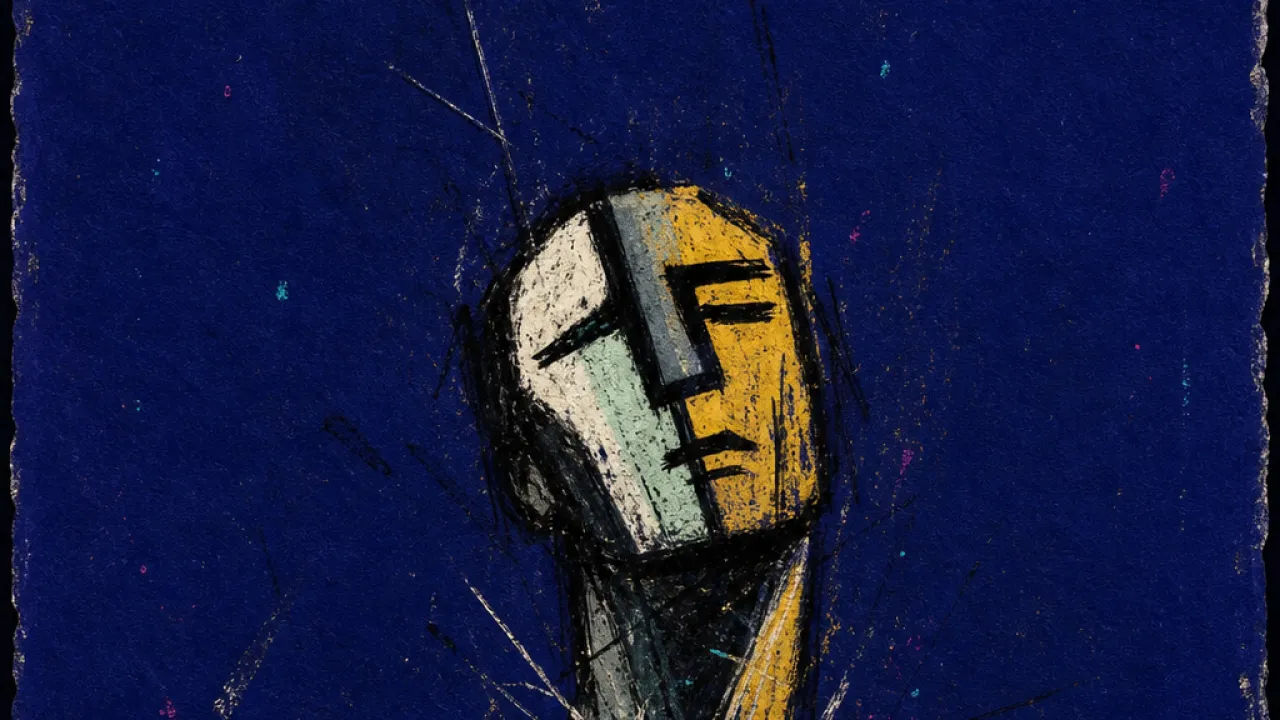
What does this feel like?
Conflict Hangover — you know the conversation is over, but your body has not received the memo. Your shoulders stay slightly lifted, your jaw keeps finding its old grip, and there is a buzzing under your skin like the room is still humming with everything that was said, implied, or left hanging. You can make coffee, answer messages, sit in another meeting, even act completely normal, but part of you is still back there, replaying the tone, the timing, the look on someone's face, the sentence you wish you had handled differently. It feels drained and wired at the same time, like being tired after a storm while the windows are still rattling. The quiet afterward does not feel clean; it feels suspicious, thin, too soon. You might keep checking your phone without knowing what you are waiting for, rehearsing possible fallout, or scanning small shifts in mood as if one wrong word could bring the whole thing back. Conflict Hangover is not the fight itself — it is the residue left in your chest, neck, and thoughts after the visible clash has stopped, much like the Five of Swords, where the figures have begun to walk away, but the scattered blades, grey water, and unsettled sky still carry the shape of what happened.
Why you're feeling this?
Conflict Hangover is a reasonable response to impact that has ended on the outside before it has settled inside you. You're not making something out of nothing; your body is still carrying the echo of contact. The feeling may simply be asking for quiet that feels complete, not just quiet that looks functional.
Conflict Hangover in Tarot Cards
That buzzing under your skin after the conversation has technically ended is the shape of Conflict Hangover. The lifted shoulders, clenched jaw, and charged chest give the feeling a body before it becomes a thought. This is a universal emotional experience: the visible clash stops, but the inner residue takes longer to settle. The Tarot Cards below mirror that after-noise through images of scattered blades, braced bodies, and scenes that have not fully cleared.
Conflict Hangover in Tarot Card Reading Insights
Conflict Hangover often follows people into readings as replay, tension, and the sense that quiet arrived before the body could soften. These readings show how others have brought that charged after-feeling to the cards. Tarot Reading Insights for Conflict Hangover.

Family Arguments and Self-Doubt: Testing a Self-Defined Path
Topic:Direction Tarot Reading
Struggle:Internal Authority Collapse
Context:Social Clock Pressure

After a Public Breakup: A Seven-Day Boundary Toward Private Closure
Topic:Love Tarot Reading
Struggle:Metric-Compass Fusion
Context:Public Breakup Fallout

One Family Question, Four Details, Then a Ride Home Without an Essay
Topic:Family Tarot Reading
Struggle:Inherited Role Lock
Context:Family Script Pressure

At 9:20 on the Streetcar, Rehearsed Comebacks Became One Boundary
Topic:Career Tarot Reading
Struggle:Inner Tribunal Lock
Context:Work Life Integration Trial

Smiling Through the Family Photo, Then Letting One Truth Stand
Topic:Personal Growth Tarot Reading
Struggle:Belonging-Authenticity Split
Context:Emotional Suppression Culture

Three Deleted Drafts After Family Dinner, Then a Spoken Boundary
Topic:Family Tarot Reading
Struggle:All-or-Nothing Belonging
Context:Family Boundary Negotiation
When a Small Argument Feels Like Home: Repair Without Disappearing
Topic:Choice Tarot Reading
Struggle:Inherited Repair Burden
Context:Family Script Pressure

When Conflict Hits Mute, Replace the Notes-App Essay With One Line
Topic:Personal Growth Tarot Reading
Struggle:Boundary Rigidity
Context:Direct Communication Trial
The Read-Receipt Math After I Disagreed—and the Pause That Broke It
Topic:Friendship Tarot Reading
Struggle:Truth-Connection Split
Context:Direct Communication Trial
From Boundary Guilt to Calm Follow-Through: Unlearning the Repair-Meme Reflex
Topic:Friendship Tarot Reading
Struggle:Reciprocity Deficit
Context:Direct Communication Trial