Why Does Calm Feel Hot?

Explore the inner heat of contained anger through related tarot cards and Tarot Reading Insights from reflective sessions.

Suppressed Rage

What does this feel like?

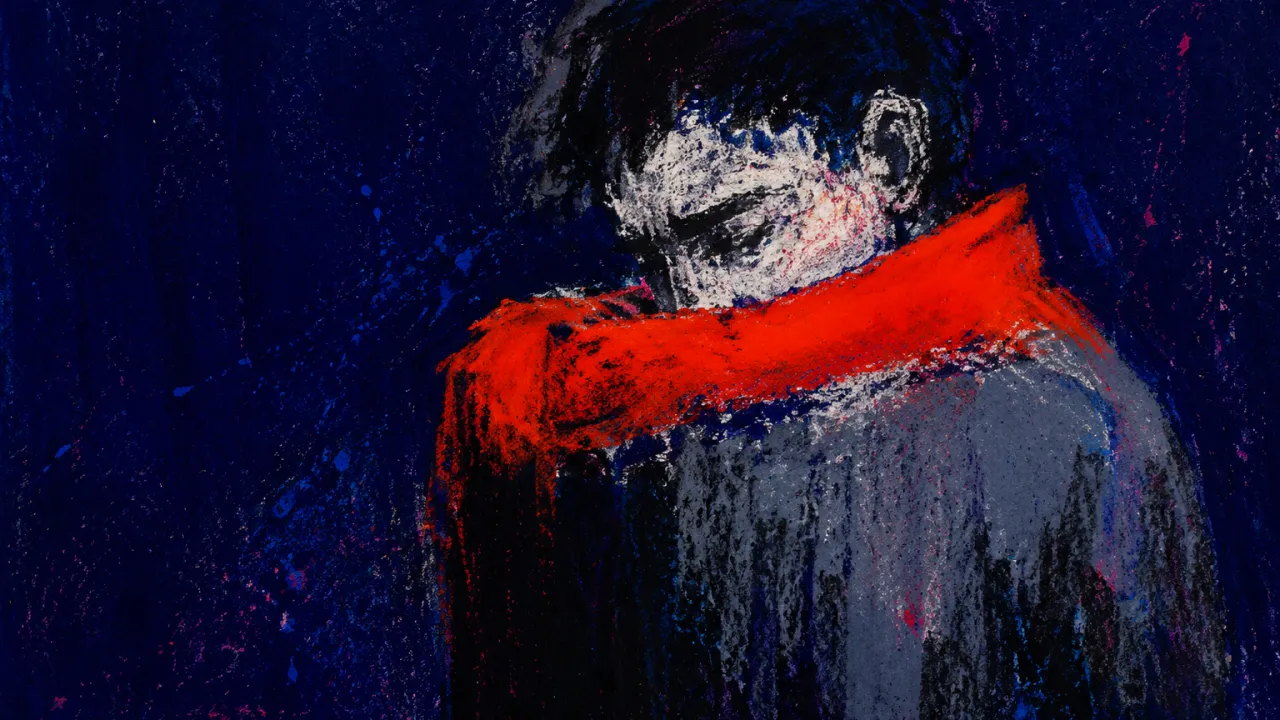
Suppressed Rage — you feel it first as heat with nowhere obvious to go, a tightness in your jaw, a hard swallow, a breath you keep flattening before it can turn into a sentence. On the outside, you may look calm, capable, even polite; you answer the message carefully, keep your meeting voice even, make the joke land lightly, or say “it’s fine” with a face that gives nothing away. But inside, something is braced. Your chest feels loaded, your shoulders sit higher than usual, and your body keeps replaying the moment where a line was crossed, a limit was brushed aside, or your no had to stay dressed up as patience. Suppressed Rage is not the dramatic version of anger; it is the edited version, the anger that has learned to pass as maturity, professionalism, reasonableness, or self-control. It can make everyday life feel strangely metallic, like every small interruption or careless comment hits an already dented place. You may find yourself drafting the sharp reply you will never send, smiling while your stomach turns, or becoming suddenly precise because precision feels safer than saying how furious you are. The hardest part is that the feeling does not disappear just because it is well-contained; it becomes pressure, posture, silence, and heat stored in the body, much like The Emperor seated under a red sky, armor hidden beneath the robes, mouth sealed, force held rigidly inside the throne.

Why you're feeling this?

Suppressed Rage makes sense when your body is registering force that has not had a clean place to move. You are not wrong for feeling heat under composure. The anger may be carrying information about a line, a cost, or a silence that has become too heavy to keep holding.

Suppressed Rage in Tarot Cards

That hot, locked feeling behind your composed face is Suppressed Rage, and it often starts as a tight jaw, a held breath, or heat sitting under your skin. This is a universal emotional experience: the body knows there is force present, even when the surface has to stay controlled. Tarot gives that contained pressure a visible outline without turning it into a command. These are the Tarot Cards that tend to mirror Suppressed Rage.

The Emperor Reversed
The red robes, red sky, ram heads, and battle-ready feet put heat everywhere in the scene, but the mouth stays sealed and the body remains bolted to the throne. Force is present, yet it has been routed through posture and stone. Suppressed Rage fits the personal growth moment when anger at delay, inconsistency, or self-betrayal cannot find a clean channel. The Emperor's structure shows that the charge is real; the work is seeing where it has been converted into harsh self-command.
The Hierophant Reversed
The two kneeling backs and collar-like yellow bands keep the body's force folded toward the floor. Above them, vivid red fabric is trapped within gray stone, giving heat a precise enclosure instead of open motion. In inner shadow work, that arrangement can show anger that has been trained to stay respectful, reasonable, and quiet. The feeling does not disappear; it compresses under the posture of being good enough to remain acceptable. Suppressed Rage names the heat beneath the controlled surface. The card gives that heat a visual container, allowing it to be recognized as a signal from the inner system rather than a threat to your identity.
The Chariot Reversed
The charioteer carries sharp force in disciplined form: spear upright, armor gleaming, body braced inside a hard-edged vehicle. The scene has weaponry and pressure, but no visible outburst. Force has been organized into posture. Suppressed Rage emerges when that organized force has nowhere honest to go. The card shows anger transformed into command, judgment, self-discipline, or inner tightening. You may not experience it first as rage; it can arrive as harsh clarity, rigid control, or the need to keep every part of yourself in line. In introspection, this emotion matters because the buried charge is often protecting something more vulnerable. The card reflects a psyche that has learned to make force look functional, while the deeper work is to name what the force has been guarding.
Strength Reversed
The lion's mouth is held at the point of closure while its paws grip uneven ground. Its red body still carries force, but the channel for that force has been narrowed to the pressure point under the woman's hands. In a reversed inner state, the image can feel like too much containment. You may be calling it maturity, discipline, or self-control, while a sharper part of you keeps pressing against the inside of the jaw. Suppressed Rage fits personal growth when the drive to become better starts censoring every irritated, defiant, or hungry signal. The card does not glorify the outburst; it shows the cost of never letting the signal become legible.
The Hermit Reversed
The hood hides the upper face, the robe seals the body, and the staff is gripped into the ground rather than lifted into open movement. The image contains force, but the force is compressed into posture, pressure, and silence. In a family system, Suppressed Rage often forms where direct anger has never had a safe landing. The body learns to keep the staff planted because open confrontation may lead to dismissal, escalation, guilt, or another demand that You explain your pain in a more acceptable tone. The Hermit gives that heat a disciplined outline. It shows anger held under the cloak, not because it lacks intelligence, but because it has been waiting for a form that protects your agency instead of handing the family system another weapon.
Justice Reversed
The red robe keeps heat in the image, but the sword remains upright and unused. Justice holds force in a disciplined line, turning a potentially cutting instrument into a symbol of restraint. Suppressed Rage emerges when the inner judge insists on fairness so strongly that anger has nowhere honest to go. The card mirrors the moment you realise the controlled posture may be carrying years of unspoken protest.
The Hanged Man Reversed
The Hanged Man’s calm face sits above a body that has no practical freedom of movement. The restraint is visible, but the expression remains controlled, almost too composed for the extremity of the posture. In family conflict, that split can become emotionally loaded. You may have learned to keep your face soft, your voice measured, and your body still, even when something inside is pushing hard against being managed, guilted, or spoken over. Suppressed Rage appears in the reversed Hanged Man as anger trapped behind a socially acceptable surface. The card does not ask the anger to explode; it makes the pressure legible, showing where composure has become a container for protest that never gets a clean place to land.
Death Reversed
The rider carries no visible scythe, yet the whole scene bends around the force of arrival. Black armor seals the body, the skull face remains unreadable, and the flag concentrates force into a contained symbol rather than an open strike. Suppressed Rage in a family setting often looks exactly like that: controlled, formal, and almost too still. You may answer politely, keep your voice flat, or leave the room calmly, while the inner system is registering years of comparison, pressure, or emotional double standards. The reversed card holds anger as compressed information. It does not ask you to discharge it blindly; it shows that the sealed armor has become a container for unsaid truth, and that naming the pressure is the first way to recover choice before the feeling decides for you.
Temperance Reversed
The hands keep the cups in perfect control, and the eyes remain lowered toward the ritual instead of meeting the outside world. Reversed, that precision can become a container for heat that has no clean exit. Suppressed Rage fits Temperance when the family system rewards composure but gives little room for honest anger. The feeling does not vanish; it stays in circulation, transferred from cup to cup, softened in language, disguised as maturity, or buried under the need to stay acceptable. The card’s image makes the cost visible without making the anger wrong. It shows a force that needs to be named before it leaks into silence, sarcasm, shutdown, or sudden rupture.
The Devil Reversed
The torch points downward toward the tail instead of becoming open illumination, keeping fire close to the body and low in the frame. The ring, chains, cube, and lifted hand hold the scene in place, so the heat has intensity but no clean path outward. Suppressed Rage appears when old material stays hot inside a system trained to remain still. In inner work, this card reflects the moment a buried grievance finally has a symbol: not a demand to explode, but a clear sign that the body has been storing pressure where the conscious mind kept trying to maintain control.
The Tower Reversed
Fire burns from within the tower while the outer stone still tries to remain vertical. The card's heat does not sit on the surface; it pushes through the windows, forcing its way out of a structure designed to contain it. In shadow work, that image gives Suppressed Rage a non-moral shape. You are not being reduced to the anger; the card shows pressure that became intense because it had been stored behind composure for too long.
The Moon Reversed
The dog and wolf in the Moon are not silent, but they are not advancing either. Their force gathers in the throat, their bodies stay at the threshold, and the path remains dimly available without becoming a place of free movement. Suppressed Rage fits the reversed Moon because the emotion has energy but no safe route. In family systems where direct anger is punished, mocked, or turned back on you, the body learns to hold the charge in controlled forms: clipped answers, shutdown, private arguments, or sudden sharpness. The card makes that pressure visible without turning it into a command to explode. It shows anger as a blocked signal from the instinctive self, asking to be recognized before it is forced to keep speaking through distortion.
Judgement Reversed
The red wings and red cross burn against a cold, muted landscape, but the figures below remain held inside coffin-shaped boundaries. Heat is present in the image, yet it is formalized, elevated, and contained by the scene's rigid structure. Suppressed Rage belongs to the reversed card because the force of awakening has nowhere direct to go. In introspection, the anger may appear disguised as discipline, moral review, or controlled self-analysis, while the body still carries a buried charge. Judgement gives that charge a readable form without making it dangerous or wrong. The card shows that some inner clarity cannot stabilize until the restrained heat underneath the polished self-audit is allowed to be named.
Four of Cups Reversed
The figure does not shout, reach, or overturn the cups. The intensity is held in the locked shape of the body, where folded limbs keep every possible movement contained. Suppressed Rage appears when anger has been trained to stay silent inside the family field. The face withholds response, but the body is not relaxed; it is managing force that has no acceptable exit. You may look calm, polite, or unreachable while something much harder is being held under the surface. The Four of Cups shows that silence can carry pressure, and that pressure deserves to be named before it turns into another layer of numbness.
King of Pentacles Reversed
The iron-shod foot on the boar interrupts the King's otherwise settled, prosperous surface. Cold marble, metal armor, and the red scarf at the chest create a physical contrast between restraint, pressure, and heat held under formality. Suppressed Rage emerges here as energy forced into containment so the outer image can remain controlled. In deep introspection, the card does not ask that heat to disappear; it gives it a visible shape so you can recognize what has been sealed under competence, politeness, or self-control.
Ace of Swords Reversed
The fingers close firmly around a sharp edge while the crown is pierced rather than gently carried. In family settings, that physical compression can match the force of words you do not release, especially when calmness has become the price of staying functional. Suppressed Rage fits the card's tightened grip because the energy is present, focused, and contained. You may sound composed on the outside while the inner blade holds every dismissed boundary, every comparison, and every forced smile in one narrow channel.
Three of Swords Reversed
The swords in the reversed Three of Swords do not merely touch the heart; they enter from separate directions and meet inside it. The scene has rain and mist, but no clear outlet, no hand pulling the blades free, and no boundary protecting the red center from further contact. Suppressed Rage forms in that sealed pressure. In introspection, it often appears underneath careful self-analysis, especially when you have explained your pain so many times that the raw protest underneath was never allowed to take shape. This card does not turn anger into a command. It gives the compressed charge a visible structure, showing where hurt has been intellectualized, contained, and folded inward until the inner world needs a cleaner name for the force it has been holding down.
Five of Swords Reversed
The serrated clouds, wind-torn hair, and upright blade give the scene a hard edge even after the visible clash has paused. The blade is vertical, close, and controlled, while the sky carries the jaggedness the face does not fully release. Inside shadow clearing, this becomes anger held under a polished surface: contained enough to function, sharp enough to keep pressing upward. Suppressed Rage is the heat that gathers when you have spent too long making your anger clever, tidy, or socially acceptable instead of letting it be honestly named.
Eight of Swords Reversed
The red robe is the warmest, most forceful element in the image, but it is crossed and tightened by pale bands. The arms are tied behind the back, and the swords stand upright around the body like a rigid perimeter that permits no clean outward release. Suppressed Rage appears here as heat under restraint. The feeling has not disappeared; it has been disciplined into stillness, folded behind the body, and surrounded by sharp mental rules about what may or may not be expressed. In introspection, this card helps separate the charge from the story built around it. You can witness the pressure without turning it into blame, and you can recognize that the force being contained may be information about a crossed line, an old silence, or an inner boundary that never got named.
Nine of Swords Reversed
The lower swords cross the throat and heart while the mouth stays covered. Along the bed frame, one figure is shown forcing another down, placing a hard story of domination directly underneath the place meant for rest. That combination turns anger into pressure rather than speech. In introspection, the card does not ask you to act on the heat; it names the buried protest that has been folded into sorrow for too long.
Ten of Swords Reversed
The body on the ground cannot strike back, turn around, or speak. The red cloth keeps the scene sealed, while the swords along the spine suggest force stored in the very line that should allow movement. For introspection, this is the anger that has been denied a clean channel. It may not appear as an outburst; it may appear as inner pressure, tension, sarcasm, fatigue, or a hard refusal to keep explaining why something hurt. Suppressed Rage fits this card because the image is saturated with impact but stripped of visible release. The work is not to glorify the anger or bury it again, but to recognize where a legitimate signal has been compressed until it became part of the body's architecture.
Page of Swords Reversed
The sword is not lowered, thrown, or released; it is held in both hands as contained force. The Page's face remains controlled, while the blade concentrates intensity into one hard vertical line. In introspection, Suppressed Rage often appears behind a polished thinking style. You may analyze the unfairness, explain the boundary breach, or make your reaction sound reasonable, while the sharper feeling underneath stays gripped rather than expressed. The exposed ridge gives the feeling nowhere private to unfold. The card reveals anger that has been converted into vigilance and precision, asking to be recognized as stored heat rather than mistaken for pure logic.
Knight of Swords Reversed
The open mouth, flaring red cloth, and hard metal shell give the scene heat under containment. The horse charges, but the feeling has no soft place to disperse; it is pushed into speed, blade, and direction. In introspection, that compression can look like being intensely articulate while something older burns underneath the analysis. You may have a sharp explanation for every reaction, yet still feel a force in the body that has not been given a clean emotional name. Suppressed Rage belongs to the part of the card where heat has been armored into momentum. The image does not ask You to act it out; it reveals how unspoken anger can disguise itself as certainty, speed, or relentless mental argument.
King of Swords Reversed
Red fabric flashes beneath the King's blue robe while the sword carries the scene's open force. The body does not lunge or spill forward; the heat is stored under composure and given one narrow channel through the blade. Suppressed Rage belongs here because the card shows intensity disciplined into correctness. In shadow work, the feeling may not announce itself as an outburst; it may arrive as sharp judgment, tightened language, or the pressure to make a clean cut where softness has been impossible.
Ace of Wands Reversed
The Ace of Wands shows pressure without a face: a hand, a grip, a living staff, and a direction. The wand is not being swung, but its raw wooden body still carries the possibility of defense. Suppressed Rage takes shape in that controlled pressure. In a family system where anger may have been labeled disrespectful, dramatic, or unsafe to show, the feeling does not vanish; it condenses into grip, posture, heat, and silence. The card names the force before it becomes an explosion. You can examine the anger as information about crossed lines, claimed energy, and withheld no, rather than treating it as something that makes you morally wrong.
Five of Wands Reversed
The raised wands become hard levers when the scene is turned inward: elbows lock, wrists brace, and the rods press across the same narrow human space. The bright sky does not soften the contact; it exposes how much force is being held in the body without somewhere clean to go. Suppressed Rage lives in that braced containment. You may recognize the heat of old objections and unspoken refusals, but they arrive through tight control, clipped inner dialogue, and the sense that one more honest thought could snap the whole arrangement out of place.
Seven of Wands Reversed
The staffs in the card do not touch gently; they thrust upward as hard wooden lines, while the figure's own wand cuts across the body in a blocking angle. The grip is organized, but the pressure in the image is blunt and forceful. Suppressed Rage forms when that force has no clean channel. In inner work, the card can mirror the heat stored beneath reasonableness, especially when old objections have been translated into composure for too long. The central wand keeps the body protected, yet it also keeps the force contained. This emotion points to the moment when You realize the intensity inside you may not be random aggression; it may be a defended no that has been waiting to be named clearly.
Nine of Wands Reversed
The clenched hands, compressed chest, and bandaged head give the figure a contained, pressurized quality. The row of wands behind him keeps the force from spilling backward, while the sideward stare holds it forward. At work, that pressure can become Suppressed Rage when disrespect, underestimation, or repeated boundary tests have to be translated into professionalism. You may keep your face controlled, but the body knows when restraint has started to feel like a second workload. The Nine of Wands supports this emotion because its defense is not passive. The card shows force being held in place, and that containment mirrors anger that has not disappeared; it has been made to stand guard.
Knight of Wands Reversed
The reins pull against the red horse's surge while metal armor seals the rider into a controlled outline. Fire symbols cover the scene, but the force is held in the hands, jawline, and upright posture instead of released into movement. Inside your psychological audit, that containment can become anger kept below the level of acceptable presentation. The card does not frame the heat as a flaw; it shows a pressurized signal that has been made too polished to speak plainly.
Queen of Wands Reversed
The lions carved around the throne and the wand gripped upright give the card a contained burn. Fire symbols are everywhere, but they are arranged inside a formal court posture, held still by rank, symmetry, and composure. The red-yellow heat does not spill into motion. It gathers around the Queen's body, her sharp chin, her fixed hands, and the rigid throne, creating pressure inside a structure that refuses to break shape. Suppressed Rage appears when your inner world carries heat that has been trained to look composed. The card reflects the moment when anger is not absent, but folded tightly into poise until it becomes a private charge waiting to be named.
King of Wands Reversed
The red robe, scorched sand, salamander, clenched hand, and sharp crown concentrate fire into a seated body that does not move. The heat is everywhere in the image, but the royal frame demands stillness. This creates the pressure of anger held behind a controlled exterior. You are not asked to act it out or explain it away; the card makes the contained heat visible so it can be recognized before it turns into a permanent inner climate.

Suppressed Rage in Tarot Card Reading Insights

When Suppressed Rage sits behind polite words and a steady face, other people bring that same contained heat into readings too. The shift from cards to readings shows how this feeling can appear when someone is trying to name pressure without losing clarity. Tarot Reading Insights for Suppressed Rage sessions.

Psychological emtions related to Suppressed Rage