When Good Vibes Become Rules

Explore the pressure to stay upbeat, the tarot cards that mirror it, and reading insights from similar emotional environments.

Toxic Positivity Culture

What is this situation?

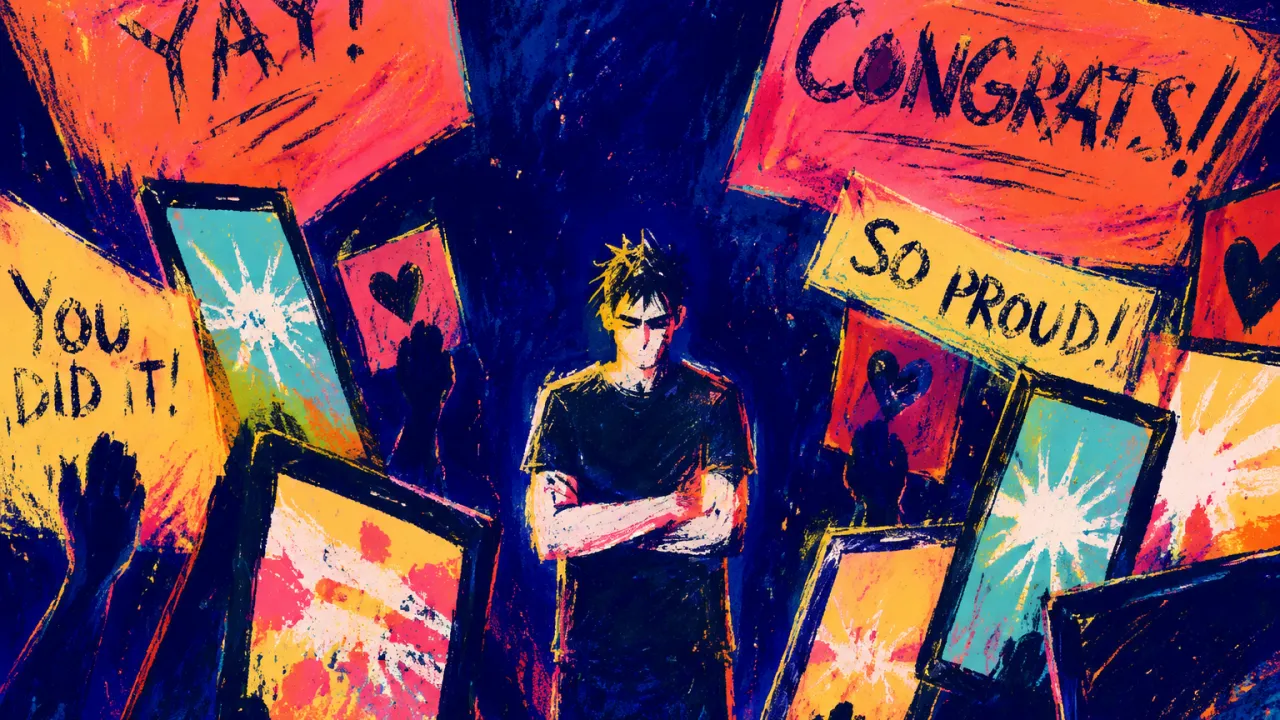
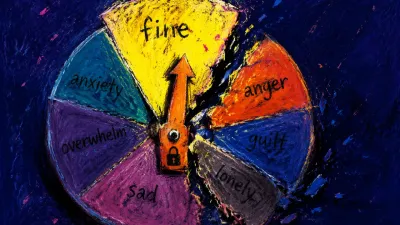
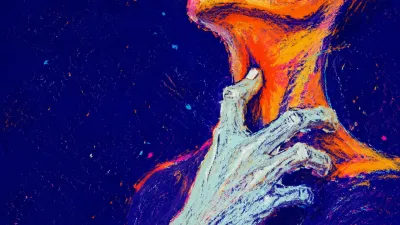
Toxic Positivity Culture — you step into a workplace, friend group, wellness space, classroom, or online community where the first rule is never written down, but everyone seems to know it: keep it light, keep it grateful, keep the vibe clean. At first it looks supportive, because people say things like “focus on the good,” “everything happens for a reason,” “protect your energy,” or “don’t give negativity attention,” and the room rewards the person who can turn every frustration into a lesson before anyone has to sit with the frustration itself. In meetings, group chats, comment threads, retreats, team calls, or late-night voice notes, the same pattern repeats: bad news gets softened into “growth,” unfair workload becomes “a chance to stretch,” disappointment becomes “alignment,” conflict becomes “low vibration,” and anyone asking slower, messier, more practical questions is treated as if they are ruining the atmosphere. The power dynamic can be subtle but very real: the most cheerful people get heard first, the most polished language gets approved, and the person who names the problem has to work twice as hard to prove they are not being difficult. You learn to pause before answering, to add a bright ending to every honest sentence, to wrap your limits in gratitude, to put a smiley face after a boundary, and to make your harder thoughts presentable enough that the group will not quietly back away. Over time, the daily cost is not only the original issue but the performance around it: the tight smile on a video call, the breath you hold before posting, the way your shoulders stay lifted while everyone calls the space “safe” but only accepts the version of you that sounds healed. What gets exhausting is the constant translation work, having to make anger sound wise, fatigue sound inspiring, doubt sound temporary, and pain sound useful before it is allowed into the conversation at all, much like The Sun, where the whole scene is flooded with brightness and there is almost no shaded place for anything that cannot perform radiance.

Why it's not you?

The problem is not that you are negative, ungrateful, or refusing to grow; the problem is a culture that only accepts difficulty after it has been polished into something uplifting. Forced gratitude, mandatory optimism, and “good vibes only” language can become a social rule that protects the mood more than the people inside it. That rule belongs to the environment, not to your character.

Toxic Positivity Culture in Tarot Cards

In Toxic Positivity Culture, the pressure is not just to feel better; it is to keep the room bright enough that doubt, fatigue, and friction never interrupt the approved mood. The tight smile, the held breath, and the small pause before you send the upbeat reply are physical signals that the environment is asking you to edit yourself before you are allowed to participate. This is an environmental and structural dynamic where positivity becomes a social filter, not simply a personal attitude. The Tarot Cards below reflect the visible shape of that pressure: constant light, polished harmony, and the parts of the situation pushed out of frame.

The Fool Reversed
The sunlit posture, lifted face, and joyful expression sit directly beside a hard cliff edge. Brightness is real in the image, but it does not remove the drop beneath the moving foot. In personal growth spaces, this becomes the culture that treats caution, grief over old versions of life, or practical doubt as a failure of mindset. You are being shown a system where optimism can become social pressure when it refuses to include terrain, timing, and limits.
The Magician Reversed
The roses, lilies, red cloak, and white robe create a harmonious visual surface around The Magician. The garden is fertile and composed, and the figure presents control from the center of a scene that leaves little visible room for contradiction or mess. That polished harmony can become toxic positivity culture when every difficult inner signal has to be translated into gratitude, growth, or a better mindset before it has been examined. You may be surrounded by people, content, or communities that reward clarity and lightness while quietly making complexity harder to admit. For introspection, the card exposes the cost of forced brightness. The issue is not positivity itself; it is the external container that only allows certain emotions to appear respectable, cutting off the deeper audit before it reaches the material that actually needs attention.
The High Priestess Reversed
The veil is lush with pomegranates and palms, yet it blocks the water behind it. The surface displays nourishment, growth, and calm while the deeper material remains screened from view. That visual logic fits growth spaces where positivity becomes an entry rule. You may be surrounded by language about expansion and alignment, while doubts, limits, and unfinished material are treated as things that must stay behind the curtain.
The Empress Reversed
The bright garden, floral robe, soft cushions, and Venus shield create a surface of peace that is almost too complete. Nothing in the scene visibly makes room for mess, conflict, or shadow within the aesthetic of abundance. Toxic Positivity Culture fits when the outside environment rewards your most pleasant, grateful, and composed version while pushing harder material out of view. The card gives You a way to name the social pressure to stay radiant when introspection requires contact with what has been edited out.
The Hierophant Reversed
The Hierophant's brilliant red and white vestments sit inside a gray temple that feels more controlled than alive. The image carries a strong contrast between approved brightness on the surface and a colder institutional structure underneath. In personal growth, that contrast becomes toxic positivity culture when a community or framework insists on gratitude, high vibes, alignment, or constant clarity before the real conditions have been named. Doubt, slowness, anger, and friction are treated as signs of failure rather than data from the system. The card highlights how doctrine can polish discomfort into acceptable language. You are not being shown a neutral encouragement space; you are seeing a social container where certain responses are blessed and others are quietly pushed out of the room.
Strength Reversed
The bright field and the woman's serene face sit directly beside the lion's controlled mouth, claws, and tucked tail. The image does not erase force; it makes force present while requiring it to appear beautifully handled. That visual tension matches personal growth spaces where difficulty must be translated into gratitude, lessons, or high-vibe language before it is allowed to exist. The card names the cost of that environment: the lion is not heard on its own terms, and your agency begins with recognizing where enforced positivity has become the social rule of the room.
Wheel of Fortune Reversed
The four book-bearing figures calmly frame the turning wheel, giving the whole scene an instructional surface. In the reversed state, that serene frame can become too smooth, converting every disruption into a lesson before the disruption has been honestly seen. In personal growth spaces, toxic positivity culture appears when every setback has to be branded as growth, every limit has to be reframed as mindset, and every difficult cycle has to become inspirational content. You may be surrounded by language that sounds wise while quietly refusing to hold practical frustration or real constraint. The card connects through the polished meaning-making around the wheel. When every turn is forced into a positive interpretation, clarity is replaced by premature uplift, and agency returns only when the actual shape of the situation is allowed to be named.
Death Reversed
The white rose on the black flag offers an image of purification, but it is carried above people who are lowered, exposed, or frozen in formal postures. The visual promise of clean meaning does not erase the heavier material on the ground. In introspective work, this becomes Toxic Positivity Culture when the environment rushes to turn difficult endings into lessons, silver linings, or proof of growth. You may be trying to process what actually happened while others keep pressing the experience into a clean, uplifting frame. The card preserves the weight of the foreground. It shows that renewal loses agency when it is forced too early, and that honest clarity starts by allowing the unresolved material to stay visible before any polished meaning is placed on top of it.
Temperance Reversed
The white robe, yellow irises, soft water, and golden light create a purified field where everything appears calm and luminous. The same visual cleanliness can become a social atmosphere that permits only the acceptable version of recovery, gratitude, and calm. For inner work, this maps the pressure to translate complex material into a soothing tone before it has actually been integrated. You may be surrounded by language that sounds supportive while quietly removing space for frustration, uncertainty, or unresolved truth.
The Star Reversed
The brightest star dominates the sky while the whole landscape remains unusually clear for night. Nothing in the scene is allowed much shadow; visibility and radiance become the governing atmosphere. Toxic positivity culture appears when that brightness becomes a social rule. The card shows how hope can be turned into pressure: You are expected to keep pouring, glowing, and framing every rupture as progress before the real contradiction has been named.
The Sun Reversed
The sun fills nearly the entire sky, and the child has no covering under that field of brightness. When reversed, the same illumination can become a social climate where shade, doubt, and unfinished material are treated as failures of attitude. For personal growth, this names the pressure to keep everything inspiring, grateful, and publicly resolved before the process has actually metabolized. You are not dealing with light itself as the problem; the structure exposes a culture that weaponizes brightness until honesty has nowhere to stand.
Judgement Reversed
The bright flag of relief hangs above a cold gray-blue grave field, creating a sharp gap between the promise of uplift and the physical harshness of the scene. In reversed form, that clean signal can hover over unfinished material and pressure the figures to receive a positive frame before they have actually left the boxes. Toxic positivity culture enters introspection when the external environment demands a lesson, blessing, glow-up, or gratitude angle before the underlying rupture has been metabolized. The image makes the mismatch visible: an elevated symbol of rescue above bodies still standing inside the containers of what happened. You are not being asked to reject hope. The card distinguishes real renewal from a premature redemption script, allowing you to see where a positive narrative is supporting integration and where it is forcing unresolved material to look complete.
The World Reversed
The card's sky is clear, the wreath is victorious, and the central figure performs wholeness under calm, orderly witnesses. There is no visible mess in the frame; the scene selects harmony as the only acceptable public surface. In a toxic positivity culture, that visual harmony becomes a social rule rather than a support. You may be in spaces that praise gratitude, growth, and being 'healed' while making anger, doubt, or unfinished history seem like contamination instead of data.
Ace of Cups Reversed
The dove, white disc, polished chalice, and lotus-covered water give the Ace of Cups an unusually clean visual field. In a reversed reading, that cleanliness can become a social filter: only the feelings that look peaceful, grateful, healed, or beautiful are allowed to remain visible. This is the structure behind Toxic Positivity Culture in personal growth spaces. The environment may appear supportive, but it narrows the range of acceptable inner material until anger, doubt, disappointment, ambition, and unfinished grief have nowhere honest to go. The card links the problem to the surface of the water. A calm surface can be restorative, but when it becomes mandatory, it turns growth into emotional presentation rather than real integration.
Two of Cups Reversed
The wreaths, clear sky, and winged lion can create a polished public image of harmony. When that image dominates the exchange, the figures have to maintain the look of mutual support even if the real conversation needs friction. In a growth community, wellness circle, coaching space, or self-improvement group, that pressure can turn positivity into a social rule. You may be encouraged to speak in breakthroughs, gratitude, and alignment while doubt, anger, boredom, or unfinished process gets quietly filtered out. The card's structure exposes the cost of forced harmony. A container that cannot tolerate honest imbalance may look supportive from the outside, but it blocks the very feedback that would make growth real.
Three of Cups Reversed
Smiling faces, lifted cups, flower wreaths, and bright robes create a social surface where celebration is the required language. In this reversed context, the ritual of joy becomes a rule for belonging: the right tone must be displayed before the group grants recognition. Personal growth spaces can reproduce this exact pressure when gratitude, high-vibe language, constant wins, or polished resilience become the price of entry. You may be surrounded by messages that sound supportive while quietly making doubt, friction, anger, or unfinished process feel socially unacceptable. The card exposes the difference between real support and mandatory brightness. Its circle shows how a group can look warm from the outside while filtering out the parts of growth that are messy, slow, or unresolved.
Six of Cups Reversed
The flowers, gold cups, and bright garden create a polished sweetness that covers the whole scene. Everything appears gentle and acceptable, but the repeated decorative code also defines what kind of expression belongs inside the protected space. In personal growth, this points to self-improvement environments where positivity becomes a social requirement rather than a resource. You may be surrounded by uplifting language, gratitude rituals, or wellness aesthetics while the harder material of change has nowhere to land. The card fits this context because its beauty is structured, not random. It shows how a pleasant container can still narrow reality, rewarding the version of growth that looks innocent, grateful, and easy to display.
Nine of Cups Reversed
The cups in the Nine of Cups are bright, elevated, and arranged as a public proof of fulfilment. Beneath them, the cloth covers the table’s structure, while the crossed arms keep the figure’s inner center closed behind a socially acceptable pose. Reversed, this becomes the visual logic of toxic positivity culture. The scene allows gratitude, satisfaction, and glow to be displayed, but it gives very little space for ambivalence, disappointment, or unresolved inner residue to appear without being filtered. In introspective tarot, the card reveals how a culture of constant silver linings can interfere with honest self-audit. You are not being asked to reject gratitude; You are being shown where compulsory brightness has started to erase the darker data your inner world needs in order to restore real order.
Ten of Cups Reversed
The ten cups form a flawless arc over a scene where every visible body participates in harmony. In its reversed state, that order can become a rule: only the bright, grateful, composed version of the story is allowed into the frame. In personal growth spaces, this becomes a culture where doubt, anger, stalled progress, or uncomfortable truth are treated as interruptions to the required positivity. You may be surrounded by language that sounds supportive while quietly removing the permission to name what is not working. The card connects this context to a distorted version of fulfillment. It shows how the demand to keep everything uplifting can block real integration, because growth needs room for friction as much as it needs hope.
Page of Cups Reversed
The Page's pink softness, polished cup, and pleasant composure sit in front of water that is still moving behind him. The image creates a workplace-like surface of charm and emotional neatness while the larger pressure field remains displaced into the background. In career terms, this is the culture that rewards being agreeable, upbeat, and easy to manage while making direct critique feel socially dangerous. The card shows the cost of a pleasant container when it is used to hide the real waves instead of helping the team work with them honestly.
King of Cups Reversed
The golden cloak and controlled posture sit above restless waves, creating a scene where composure is the visible rule and turbulence is pushed below the surface. The cup is honored, but only when it can be held cleanly in the king's hand. That structure mirrors growth spaces that reward brightness, gratitude language, and constant calm while leaving little room for anger, doubt, grief, or uncertainty to be processed honestly. You are not rejecting growth itself; you are reacting to a container that edits out too much of the water. The card exposes the social rule behind the pressure. When a community only validates feelings after they have been polished into wisdom, belonging becomes conditional on emotional presentation rather than real transformation.
Ace of Swords Reversed
The olive and palm branches hang from the crown, symbols of peace and victory, while the crown itself is pierced by cold metal. The decoration does not remove the blade; it only frames it more politely. That is the social logic of a circle that demands good vibes while avoiding honest conflict. You are dealing with a group where positivity becomes a rule of compliance, not a real source of care. The sharp issue remains present underneath the polished language, and the card makes that contradiction visible.
Three of Swords Reversed
Rain falls over the heart, but the swords do not move. The image contains a visual language of cleansing while the actual obstruction remains embedded at the center. That is the pressure pattern behind positivity that arrives too early. In introspection work, people may ask you to reframe, forgive, move on, or focus on growth while the structure that hurt you has not been named. The card keeps the blade visible, making it harder for polished language to erase the reality of the impact.
Eight of Swords Reversed
The scene is almost drained into red, white, and grey: intensity, restraint, and social coldness. The red body is not erased, but it is wrapped, displayed, and prevented from moving freely. You may be in an environment where only polished resilience, gratitude, or growth language is allowed. The card exposes how enforced positivity can operate like a blindfold: it keeps the surface acceptable while making the actual terrain harder to read.
Nine of Swords Reversed
The quilt is bright, patterned, and full of symbolic promise, yet it does not stop the swords from crossing the body above it. The surface language of meaning sits beside a much harsher reality: the figure is still awake in a dark room, still exposed to pressure, still without relief. For personal growth, this reflects the outer culture that treats every painful blockage as a mindset issue to be reframed, optimized, or made aesthetically coherent. You may be surrounded by language that insists on growth, gratitude, and higher perspective while leaving the practical strain untouched. The card cuts through that polished surface. It shows that a positive frame becomes toxic when it covers the lower half of the story but refuses to address the blades still pressing through the head, voice, and heart of the situation.
Ten of Swords Reversed
The thin light on the horizon is real, but it is small and far away from the body. When that light is treated as the whole story, the ten swords disappear from the conversation even though they still organize the scene. Toxic Positivity Culture is the external pressure to rush the ending into meaning before the damage has been witnessed. In introspective work, this card keeps the audit grounded: hope has value only when it does not erase the structure that made you fall.
Four of Wands Reversed
Raised garlands, white robes, and a decorated threshold can become a public script when the ceremony is held too tightly. The scene still looks bright, but the frame begins to define which expressions are acceptable inside the group. In personal growth spaces, that becomes a culture where only optimistic, polished, grateful progress is recognized. You are not failing the process by noticing friction; the structure itself may be filtering out the unfinished reality that real change requires.
Five of Wands Reversed
The blue sky stays clear while the bodies below clash in a noisy human knot. Brightness does not remove the conflict; it only makes the tension more visible against a clean, almost cheerful backdrop. That contrast mirrors a culture that keeps insisting on growth language, good vibes, and positive framing while the actual friction remains unresolved. You may be surrounded by people or content that can name gratitude and resilience quickly, but cannot make room for anger, contradiction, or unfinished impact. The card places the pressure in the atmosphere around the conflict. It shows that clarity returns when the bright surface is separated from the real exchange underneath, so difficult material can be examined without being painted over.
Queen of Wands Reversed
The card is saturated with sunflowers, warm red-yellow tones, a clear sky, and a Queen who remains composed in a dry desert setting. The brightness is powerful, but it also leaves very little shade; every symbol pushes vitality, confidence, warmth, and visible command. In reverse, that same solar field can become a social environment where complexity has to be translated into glow. Toxic Positivity Culture appears when the outer world rewards you for being inspiring, grateful, attractive, resilient, or high-vibe, while giving no real permission for anger, doubt, grief, or contradiction to exist in public. For introspection, the card identifies forced radiance as an external pressure system. You are not failing because darker material keeps surfacing; the structure around you may have made brightness compulsory, which means the first act of clarity is naming where your real inner weather has been edited out.

Toxic Positivity Culture in Tarot Card Reading Insights

Toxic Positivity Culture often enters readings when people are surrounded by uplifting language but still cannot name what is difficult without being treated as negative. These readings shift from the cards themselves into how others have brought forced brightness, gratitude pressure, and edited emotion into the spread. Tarot Reading Insights for this situation are gathered below.

Psychological contexts related to Toxic Positivity Culture