Still Working, No Signal?

Explore the routine-feedback gap, related tarot cards, and reading insights for effort that keeps waiting on visible return.

Delayed Reward Discipline Drift
What is this situation?

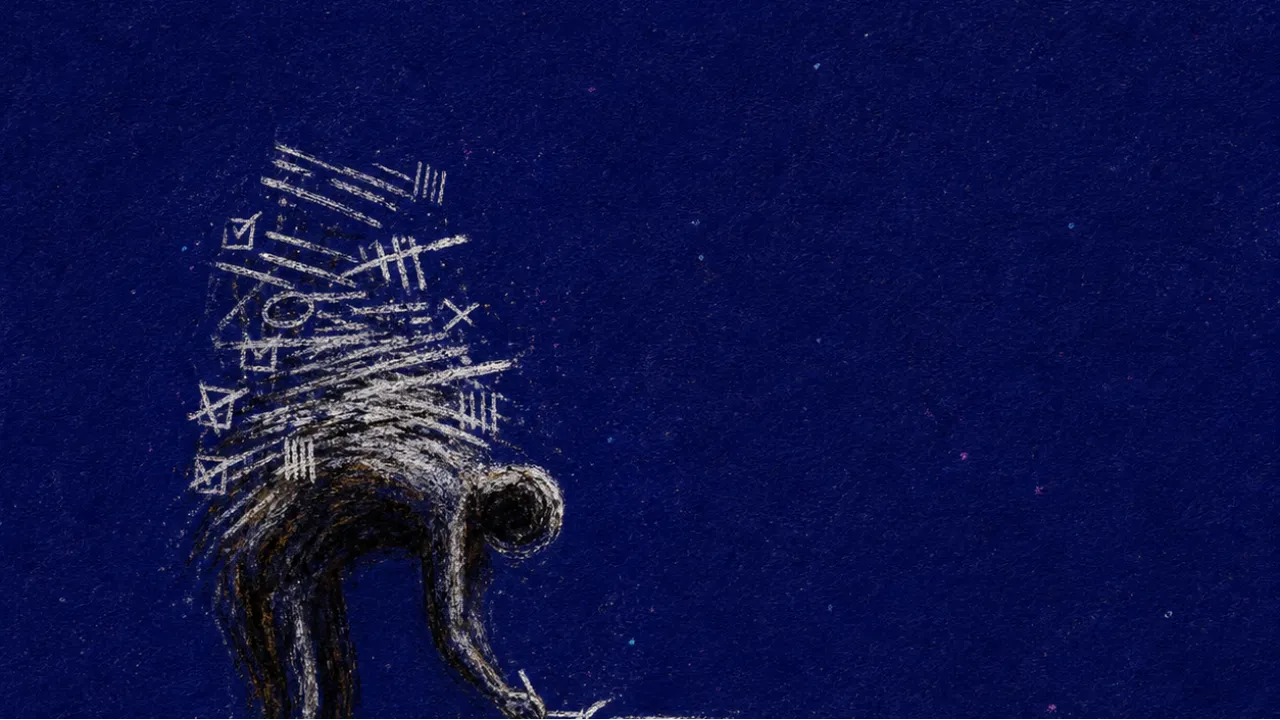
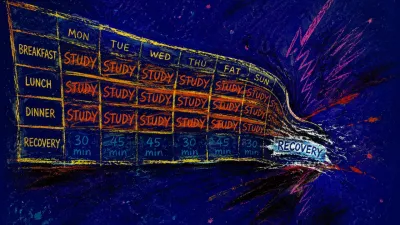
Delayed Reward Discipline Drift — you enter it when a routine that once made sense starts asking for more than it gives back. At first, the structure looks solid: you set the alarm, prep the food, block the study hours, track the workouts, clean the room, keep the budget, protect the sleep window, or repeat the practice session because the plan is supposed to compound. Days pass, then weeks, and the outside markers still do not catch up; the grade has not landed, the body change is hard to see, the apartment feels messy again by Thursday, the savings goal barely moves, the skill still feels clumsy, and the calendar keeps demanding the same effort as if proof should not matter. No one has to shout at you for the pressure to build; the system itself becomes the pressure, handing you checkboxes, streaks, reminders, progress bars, and quiet gaps where visible return should be. People around you may tell you to be consistent, trust the process, or keep grinding, but they are not the ones staring at a spreadsheet, an app, a notebook, or a gym mirror that keeps withholding usable evidence. The routine keeps its rules while the reward stays offshore, and slowly the day starts to slip out of alignment: not because you stopped caring, but because the exchange between effort and return has become too delayed to keep your attention funded. It is the long middle of a build cycle, much like the Seven of Pentacles, where the figure leans on the tool in front of a vine full of pentacles, with one coin near the ground and most of the harvest still hanging just out of reach.

Why it's not you?

This is not a personal failure or a sign that you are weak with discipline. Delayed Reward Discipline Drift happens when a routine keeps demanding output while the environment gives back too little visible progress, relief, or usable feedback. A system that asks for constant effort without timely reinforcement will eventually start losing its grip on almost anyone.

Delayed Reward Discipline Drift in Tarot Cards

In Delayed Reward Discipline Drift, the daily structure is still asking for effort while the return stays too distant to steady the routine. The heaviness shows up in the body as shoulders tightening over another tracked habit, another study block, another meal prepped before any clear benefit lands. This is an environmental, structural dynamic: the feedback loop has stretched so far that repetition starts losing its practical authority. The Tarot Cards below mirror the shape of that gap between effort, evidence, and a reward that has not arrived in usable form.

Seven of Pentacles Upright
The young cultivator leaning on the hoe is surrounded by evidence of work, but the scene refuses the satisfaction of a finished harvest. Six pentacles still hang on the vine while only one rests at his feet, so the image holds effort and outcome in separate time zones. In academic life, that separation becomes the slow strain of studying before proof arrives. You may have attended lectures, built notes, revised, drafted, or practiced, yet the grade, feedback, fluency, or confidence has not caught up with the hours already invested. The open horizon and fertile soil keep the situation from being empty; the issue is timing, conversion, and stamina. This card frames the drift not as laziness, but as the structural difficulty of staying engaged when the learning cycle has not yet returned visible value.
Reversed
The body resting on the tool can harden into suspension when the harvest does not arrive in a usable form. One pentacle sits on the ground, but most of the value remains out of hand, keeping attention locked on the same plant and the same delayed return. In a lifestyle system, that visual arrangement becomes the drift that appears when effort stops converting into felt benefit. You may still be doing the routine, tracking the habit, preparing the meals, or trying to protect sleep, but the gap between input and reward starts weakening the structure. The card does not frame this as laziness. It shows a feedback problem: the system is asking for continued discipline while giving too little usable reinforcement, and that mismatch can slowly pull your day out of alignment.
Eight of Pentacles Reversed
The craftsperson's body is locked into close, repetitive work while the distant town remains only a background destination. The card's visual rhythm is slow: one strike, one mark, one coin, one accumulated proof of labor at a time. In a reversed timing pattern, that same slow rhythm can become a drift cycle. You may keep restarting effort because the reward is too delayed to regulate momentum, reading every quiet stretch as failure when the actual structure demands a longer compounding period. The staggered pentacles are the key. Some work exists, some work is active, and some transfer into the outside world has not happened yet. This context asks you to separate a genuinely wrong time from a build cycle that is real but psychologically hard to stay inside.
Nine of Pentacles Reversed
The pentacles and grapes show the reward phase of a long cultivation cycle, while the figure remains absorbed in what has already grown. The distant hills are visible, but the body stays with the harvest rather than moving toward a new external road. Reversed, the discipline that once organized life can lose its directional charge after the reward arrives. The structure still knows how to maintain, refine, and preserve, but it may no longer know what it is building toward. Delayed Reward Discipline Drift names the moment when a long-term effort system has completed its promise and starts running on leftover habit. You may need to audit whether the next path is truly chosen or simply another reward cycle installed by default.
Page of Pentacles Reversed
The Page’s lifted heel and fixed gaze create a quiet suspension. The coin is held with care, but the surrounding route is not being entered, and the mountains remain distant markers rather than lived progress. That is the texture of discipline drift. A lifestyle system may still exist on paper, but the reward loop has thinned out: the streak continues, the rules remain, and the structure looks intact, while the body no longer receives enough material return to stay engaged. The reversed image makes the bottleneck practical rather than moral. It shows a routine that has become too rule-bound for the amount of feedback it gives, leaving you stuck between maintaining the system and no longer believing that the system is carrying you anywhere.
Knight of Pentacles Reversed
Turned upside down, the still horse becomes a closed circuit of effort. The rider, armor, reins, and coin remain intact, but the prepared system no longer transfers energy into visible movement across the field. In daily life, this is the point where discipline starts to drift because the structure has stopped giving feedback. You may still be tracking habits, maintaining schedules, or repeating routines, yet the distance ahead keeps looking unchanged, making the system feel less like progress and more like suspended labor. The card gives the drift a concrete shape: not laziness, not a lack of seriousness, but a stalled exchange between effort and return. The useful question becomes where the feedback loop broke, because a routine that cannot show traction eventually starts consuming the very steadiness it was meant to build.
Six of Swords Reversed
The farther shore is present, but it is pale, quiet, and distant. The ferryman has to keep rowing before the destination gives much evidence back, which turns the crossing into a test of sustained structure under delayed reward. In daily life, this is the drift that appears when better sleep, a cleaner space, a calmer schedule, or a new wellness rhythm does not pay off fast enough. The effort is real, but the reward is not yet vivid, so discipline begins to lose its grip. The card gives that drift a physical scene: a boat between shores, still carrying weight, still requiring strokes. It points to the need for intermediate markers of progress so the system is not forced to survive on a far-off promise alone.
Three of Wands Reversed
The ships are still on the water, and the figure's body remains fixed on the cliff with no visible path down to meet them. The scene holds a long interval between effort sent out and proof arriving back. In a daily-life system, that gap can erode discipline because routines demand energy before they return visible benefits. You may be maintaining sleep changes, exercise blocks, decluttering, or focus rules while the payoff stays offshore. Delayed Reward Discipline Drift fits because the pressure is not laziness; it is a timing structure where feedback arrives too slowly for the routine to keep its authority. The useful mirror is the distance between the planted wands and the ships, where momentum either matures or leaks away.
Page of Wands Reversed
The pyramids sit far in the background while the Page remains at the beginning of the terrain. The horizon is visible, but the distance between first effort and lasting structure is physically large. Delayed reward discipline drift lives in that distance. You can see the life you are trying to build, yet the daily actions may not return enough immediate feedback to keep the system materially funded.

Delayed Reward Discipline Drift in Tarot Card Reading Insights

Delayed Reward Discipline Drift often shows up when people bring stalled routines, slow study cycles, fitness plans, or life rebuilds into readings after the payoff has stayed out of reach. The focus shifts from the cards themselves to what appears when others sit with that same gap between input and return. Tarot Reading Insights from sessions with this situation appear below.
Psychological contexts related to Delayed Reward Discipline Drift