A grounded look at staged recovery pressure, related tarot cards, and readings where public progress and private pace collide.
Recovery Theater
What is this situation?
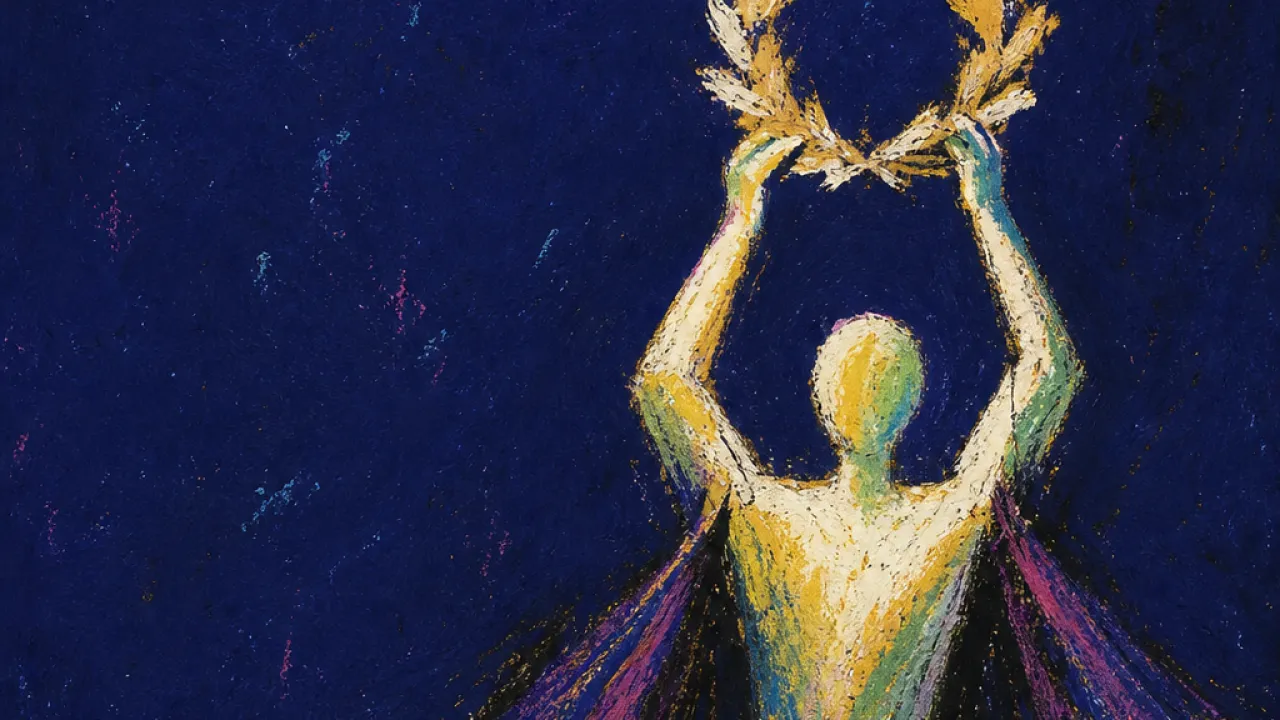
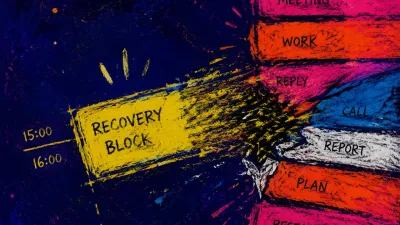
Recovery Theater — you step back into your normal life after a hard season and quickly learn that people are more comfortable when your return has a clean shape. At work, someone says it is great to have you back and immediately asks whether you are ready to take on more; in the group chat, friends react better to a tidy update than to a messy one; online, every post about getting better seems to need a lesson, a glow-up, a routine, or a before-and-after. You start choosing words that sound stable enough for other people to relax around: "I'm doing much better," "I'm focusing on myself," "I'm back on track." The room rewards the version of you that can smile, summarize, and move forward on cue, while the slower parts of the process get edited out because they make the audience uncomfortable. Even check-ins become tiny auditions: prove you are improving, prove you are grateful, prove you are not still carrying too much of what happened. What drains you is not only the recovery itself, but the stage built around it, where every update has to be acceptable, inspiring, or convenient, much like the rider on the Six of Wands, lifted into public view with a victory wreath while the private weight of the journey stays off the parade route.
Why it's not you?
The problem is not that you are failing to recover in the right way; the problem is that the people and spaces around you are asking for a polished version of something that does not move on a schedule. Forced progress updates, comeback language, public neatness, and pressure to reassure others are not signs that you are doing it wrong. They are the shape of a setting that wants proof of improvement more than it wants room for the process.
Recovery Theater in Tarot Cards
Recovery Theater turns the aftermath of a hard season into something you are expected to present cleanly: rested, grateful, improved, and easy to read. The tight smile, raised shoulders, and careful wording are not random details; they are the body's way of moving through an environmental, structural dynamic where progress has to look polished before it is fully lived. These Tarot Cards reflect the outline of that staged return, where public proof and private pace do not always match.
A figure stands at a table displaying the cup, sword, wand, and pentacle beneath an attention-directing gesture. Reversed, the tools of presentation stop serving open agency and begin serving impression management, so the visible arrangement matters more than the lived process behind it. You may learn which phrases, routines, and images make an online audience relax, then build updates from those approved props. Recovery Theater is sustained when social access rewards the controlled demonstration and gives less room to anything that cannot be made legible on the table.
A robed authority faces two kneeling followers, with crossed keys and a formal gesture fixing the terms of entry. The arrangement pictures a social script being certified from above: there is a recognised vocabulary for a successful return and an audience trained to reward it. You may be expected to speak in familiar lines about gratitude, lessons, discipline, and being back on track. The card reveals that the pressure is larger than any single awkward check-in; it is a shared norm about which recovery stories count as socially acceptable.
The armoured driver stands above two sphinxes that face different directions, framed like a public victor leaving the city. His composure supplies a single forward image even though the forces beneath the vehicle are not naturally aligned, which closely matches the demand for a decisive comeback. You may feel pushed to convert a complicated return into one confident route so other people can read momentum. The card exposes how public direction can look settled while your energy, identity, and actual priorities are still pulling apart.
The angel's trumpet calls an entire field of figures to rise from open coffins with arms lifted. Reversed, that collective rebirth image becomes an imposed redemption script: the new version of you is publicly requested before it has become a livable identity. You may be expected to extract gratitude, purpose, or transformation from the hard season so the story ends with improvement. The card names the blocked growth pathway as pressure to perform revelation, not a lack of insight or effort.
A central figure moves inside a completed wreath while four witnesses occupy the corners of the scene. Reversed, the public frame of completion remains visible but cannot securely contain the unfinished process, so the celebrated ending becomes a shape you are expected to inhabit rather than a closure you possess. You may feel pressure to turn disruption into a coherent lesson, a better self, or a finished before-and-after. The card reveals the gap between socially recognisable growth and integration that is still underway, keeping the incomplete chapter from being mistaken for personal failure.
A figure keeps two pentacles moving inside an infinity loop while ships pitch on waves behind him. The foreground performance remains light and rhythmic even though the wider environment is unstable, mirroring how a polished routine can become proof for spectators that you are back on track. You can be genuinely adapting and still be spending extra energy on making the adaptation look effortless. The visible juggle attracts approval; the uneven capacity, dropped tasks, and need for slack stay behind the loop.
A craftsperson stands on a bench beneath three pentacles while two robed figures inspect plans and observe the work. The scene makes competence a visible demonstration before an evaluating panel, closely matching the tiny auditions that can follow a return to work. You may be asked to prove that you are reliable, improving, and ready through meetings, deliverables, or progress language rather than being given room for variable capacity. The card shows how occupational belonging can become conditional on a legible performance of recovery.
The standing distributor controls both the scales and the flow of coins to the figures below. Reversed, that vertical arrangement turns family support into a conditional resource, available most comfortably when you sound grateful, stable, and ready to resume the role the household recognises. You may experience each family check-in as a test of whether enough progress has been made to stop worrying everyone else. The card reveals how care and role access can be tied to proof of improvement, pushing unresolved parts of the process out of the family narrative.
A worker leans on his tool and studies a vine bearing pentacles at different heights. The growth is visible but unfinished, and the pause is part of the labour, making the scene a direct counterpoint to demands for a rapid before-and-after. You may be asked for milestones, lessons, or proof before the process has produced a stable yield. The card locates the timing conflict in the gap between an audience's appetite for results and the slower cycle your recovery actually occupies.
A blindfolded figure holds two swords in a perfect cross while the broken shoreline and moon sit behind her. The pose creates a controlled, unreadable surface, but it also shows the cost of being asked to choose between disclosure and reassurance without enough safety or information. You may be deciding whether to give the messy update, offer the tidy version, or say nothing at all. Recovery Theater turns that communication choice into a no-win audition: honesty can unsettle the room, while polish can estrange you from your own account.
The recumbent figure remains beneath three suspended swords, with one sword fixed along the resting body and a stained-glass scene above. Reversed, the protected pause cannot remain protected once the workplace reopens access, so recovery time is converted into an overdue return rather than an ongoing resource. You may come back to a calendar that treats presence as capacity and a manager who reads responsiveness as evidence of completion. The blocked pathway is not a lack of commitment; it is a re-entry system with no graded workload between absence and business as usual.
A cloaked passenger crosses dark water with six swords planted inside the boat, while a ferryman supplies the movement. The scene makes transition visible without pretending the difficult material has been left behind; the very tools associated with the hard season travel with you. You are moving, but the route does not require a clean break or a triumphant identity. Against Recovery Theater, this image names a long-range path where progress can be quiet, supported, and still visibly burdened.
A figure removes five swords from a camp and looks over his shoulder toward the people left behind. In a friendship network, that selective exit resembles composing the group-chat version of recovery: enough truth to account for your absence, but not enough mess to disrupt the room. You may keep changing the wording until friends can respond with uncomplicated relief or celebration. The card names the resulting privacy strategy without moralising it, while showing how friendship access can depend on leaving important parts of the story outside the chat.
A blindfolded, bound figure stands inside a loose ring of eight swords while an open path and distant stronghold remain visible beyond the mud. The enclosure is socially built but mentally administered: repeated audience reactions teach you which words feel permissible before any new check-in even happens. You may rehearse the stable answer, censor setbacks, and monitor your own tone long after the room has gone quiet. The card exposes Recovery Theater's inward cost as a narrowing of available language, not an objective absence of paths.
A laurel-crowned rider enters a crowd while holding his decorated wand above the other staffs. In a workplace, that victory procession resembles the welcome-back message that immediately recasts your return as proof of renewed capacity and visibility. You may be praised in the morning and assigned expanded scope by the afternoon because recognition has been tied to a performance of full readiness. The card exposes the hidden employment contract beneath the applause: the successful comeback is expected to produce output on cue.
A bent figure carries ten bundled wands toward a town, with the load blocking most of his view. The destination is close enough to make the burden look temporary, which mirrors a workplace that welcomes you back and immediately treats added responsibility as the final proof that recovery succeeded. You may accept or be handed more scope while already spending energy on appearing stable and grateful. The visible workload is therefore only one layer of the cost; maintaining the comeback story becomes an additional task carried inside the bundle.
No cards available for this filter.
Recovery Theater in Tarot Card Reading Insights
Recovery Theater often shows up when people bring the pressure to look better, speak neatly, and make their progress visible into a reading. The shift from cards to readings is where that public performance becomes more specific: what was shown, what was hidden, and what the spread held in view. Explore Tarot Reading Insights from sessions shaped by this kind of staged recovery.