Prepared, But Not Learning?

Explore the polished study loop, related tarot cards, and reading insights where setup, notes, and routines outrun output.

Study Aesthetic Trap
What is this situation?

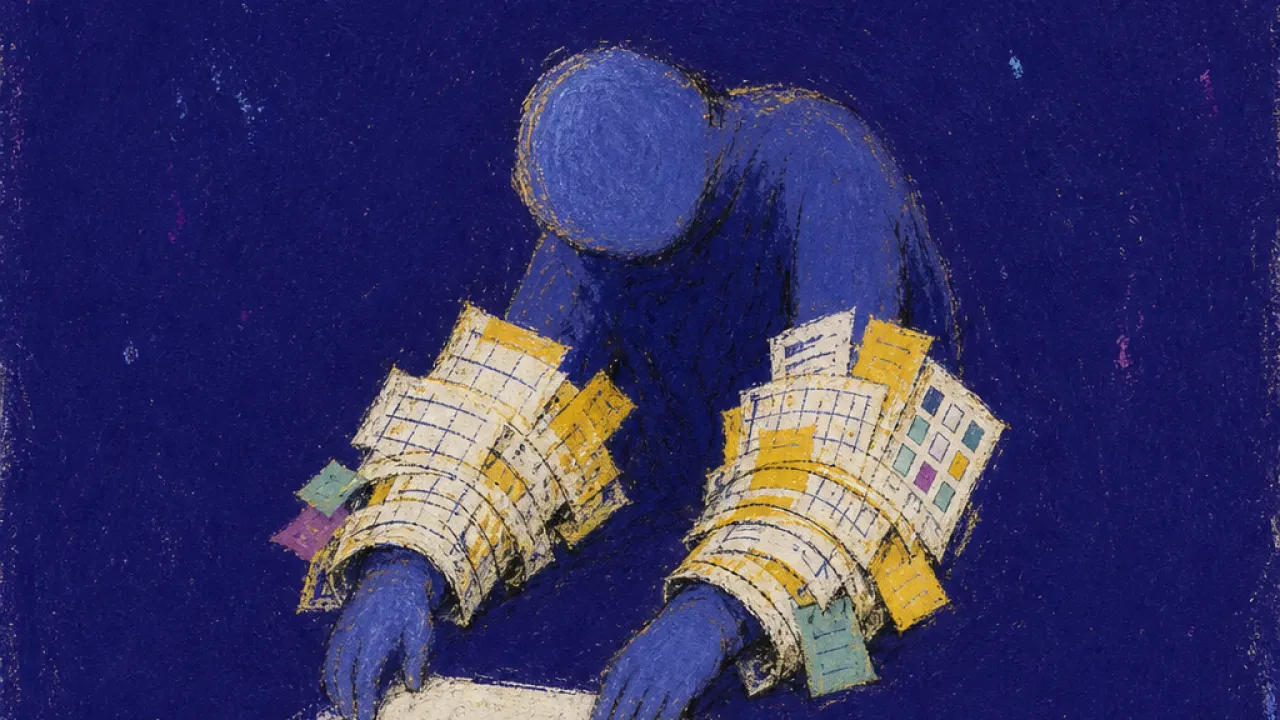
Study Aesthetic Trap — you sit down to work and the first thing in front of you is not the essay, problem set, reading, or exam recall, but the scene around it: a cleared desk, a study-with-me video, a fresh planner spread, a Notion template, a color palette for notes, a playlist that makes the room feel like it belongs on someone's feed. It may start innocently, because the course load is messy and the internet has given you a thousand ways to make studying look clean before it feels manageable. Classmates post library photos, productivity apps ask you to track every block, group chats trade screenshots of timetables, and the algorithm keeps serving the same soft-lit image of the serious student: tidy desk, iced coffee, perfect handwriting, no visible confusion. The power in this situation is subtle: visible preparation starts getting treated as proof of progress, so your shoulders lock forward over the desk while the draft stays blank, the practice questions stay unopened, and the hard parts of learning are pushed one more hour away. You rewrite notes that were already readable, redesign a dashboard that already worked, reset the desk before every session, and end the night with more evidence that you prepared to study than evidence that the material can be retrieved, argued, solved, or submitted. The cost is not that you like beauty; it is that the academic world around you has turned beauty into a display surface, much like the Ace of Cups reversed, where the chalice still looks luminous while the water spills away instead of being held.

Why it's not you?

The problem is not that you are shallow, lazy, or bad at studying; the problem is that the modern study environment constantly turns the look of learning into a reward of its own. Apps, feeds, campus culture, and peer screenshots can make preparation that is visible feel more legitimate than work that is messy, private, and hard to display. That is the trap: setup, polish, and maintenance start absorbing the energy meant for recall, drafting, problem-solving, revision, and submission.

Study Aesthetic Trap in Tarot Cards

In the Study Aesthetic Trap, the moment your shoulders lock forward over a cleaned-up desk while the draft stays blank is part of the situation, not a private flaw. It points to an environmental, structural dynamic where apps, feeds, campus cues, and peer display reward visible preparation before testable learning. The cards below do not decide whether beauty belongs in your study life; they reflect where the surface begins to outrank the work. These Tarot Cards map the outline of that pressure.

The Star Reversed
The luminous sky, reflective water, green clearing, and exposed figure create a scene with strong visual beauty. In reverse, that beauty can become a polished surface that displays study-like serenity while the actual academic labor remains concentrated in one unsupported body. Study aesthetic trap appears when the visible form of learning starts outranking the work it is supposed to serve. You may be refining notes, routines, desk layouts, wellness rituals, or social media study cues while essays, problem sets, exam recall, or drafts remain underfed. The card's surface is not the enemy; its warning is about misdirected flow. The image asks whether the academic system is being replenished, or whether the water is being spent on making the scene look like progress.
The Sun Reversed
The red flag, sunflower wreath, upright flowers, and full golden light create an image of visible thriving. The scene can become a display surface: bright, organized, and photogenic, while the actual tools for learning remain minimal. In academic life, that maps onto the pull of planners, study vlogs, desk setups, productivity apps, and public student-life performance. You may be surrounded by symbols of learning, but the card separates the look of studying from the deeper structure of retention, comprehension, and completed work.
Ace of Cups Reversed
The jeweled chalice is beautiful, ceremonial, and visibly important, but its shallow body is not built for ordinary storage. Water pours out in abundance, making the vessel look impressive while raising the question of what it actually retains. In study, that becomes the stage of perfect notes, color-coded planners, desk setups, productivity apps, and aesthetically clean routines that look like learning from the outside. The academic system appears active, but the core functions of recall, practice, drafting, and correction may remain thin. The card's visual pressure comes from the gap between display and containment. You may have built a convincing study ritual, yet the structure asks whether the ritual is holding knowledge or only making the work look emotionally safe enough to approach.
Four of Cups Upright
The cups are neatly visible, but the body does not use them. The scene has the appearance of order and availability while the actual interaction between person and object is suspended. That is the academic texture of a study aesthetic trap. Notes, planners, desk setups, apps, playlists, and library sessions can create a convincing display of learning while retrieval practice, drafting, problem-solving, and revision stay untouched. The card exposes the difference between a study environment that looks prepared and a study system that produces retention. You are being shown where the scene has become visually organized without becoming cognitively active.
Six of Cups Reversed
The golden cups and bright garden make the learning scene look beautifully arranged before any difficult work appears. Flowers fill the containers, the light is soft, and the whole surface can become more rewarding than the labor the surface is meant to support. In study, this becomes pretty notes, cozy desk resets, curated playlists, desk tours, and study content that create the atmosphere of learning while retention and output remain thin. You are not being shown a harmless preference for beauty; the card reveals when the academic container becomes more seductive than the academic task.
Seven of Cups Upright
The cups do not show notebooks, tools, practice, or a workbench; they show beautiful images suspended in mist. Jewels, a castle, a wreath, and a covered figure create the feeling of an ideal life before any grounded method appears. That visual split fits the Study Aesthetic Trap. In academic life, the visible markers of being a serious student can become more available than the harder structure of recall, drafting, feedback, and revision. You may have a convincing image of study before you have a working study system. The Seven of Cups exposes how seductive the image can be when it gives the appearance of momentum while keeping the actual learning task at a distance.
Nine of Cups Reversed
The blue-covered table and neat cups create a feast of visible abundance, but nothing is being handled, poured, tested, or shared. The scene looks rich in value while the body remains detached from the objects that supposedly hold it. In a study context, this becomes the beautiful academic surface: color-coded notes, polished dashboards, curated desk setups, study-with-me videos, trackers, templates, and apps that signal learning without guaranteeing retention. The outer trap is not decoration itself; it is the attention economy around studying that rewards the display of learning before the work has been metabolized. The card exposes the difference between an environment that supports focus and an environment that performs focus. It helps locate the point where academic aesthetics stop being scaffolding and start becoming a substitute for reading, recall, drafting, problem sets, or revision.
Page of Cups Reversed
The Page's polished clothing, delicate colors, and controlled pose make the study object look graceful before it looks practical. The chalice is visible, the figure is charming, and the scene is clean, but the card shows almost no working equipment beyond the beautiful container. In an academic context, the reversed image points to study systems that perform competence without producing retention. Pretty notes, curated routines, desk aesthetics, and productivity rituals can become the visible costume of learning while the deeper mechanics of practice, recall, drafting, and feedback remain underbuilt. The card does not attack beauty or softness. It isolates the structural risk: when the appearance of studying carries more weight than the evidence that the material is being absorbed, the student's energy gets spent maintaining the image of learning instead of moving knowledge into usable form.
Knight of Cups Reversed
The polished cup, graceful posture, ornate robe, and composed horse create a study image that can look complete before the difficult work has actually been done. The rider’s gaze stays fixed on the beautiful object in his hand while the terrain still requires navigation. In academic life, this becomes the trap of making learning look coherent from the outside: perfect notes, curated study desks, productivity templates, and aesthetic routines that provide identity but delay retrieval, writing, practice questions, or draft submission. The reversed structure is not about blaming beauty or care. It exposes the moment when the symbol of studying starts replacing the function of studying, so the real leverage point is the gap between the academic image being maintained and the evidence of learning being produced.
Queen of Cups Reversed
The Queen's scene is exquisitely arranged: crown, gown, shell clasp, carved throne, decorative cup, and careful posture all produce a polished academic-looking tableau. The cup receives sustained attention, but its sealed form keeps the contents from becoming visible or testable. Reversed, the image captures a study environment where the ritual looks meaningful while the learning loop stays closed. Notes may become beautiful, the desk may become curated, and the identity of being serious about study may receive more energy than recall, drafting, problem sets, or feedback. Study Aesthetic Trap names the external performance layer that can surround academic effort. The card shows why polish can become a soft barrier: it gives the work a noble surface while delaying the less elegant moment when knowledge has to be retrieved, checked, and exposed.
Ace of Pentacles Reversed
The garden is lush, colorful, and carefully bordered, while the manor remains mostly a façade and the pale hill inside looks overlooked. The pentacle itself is beautiful and cake-like, but it still has to be held correctly or it becomes unstable. In study, that visual split maps to a setup that looks productive before it proves useful: perfect notes, stationery, apps, desk resets, and polished plans can become the outer garden while retention and output remain underworked. You are not being shown a harmless preference for beauty; the structure exposes a performance environment where the surface can absorb the labor meant for learning.
Nine of Pentacles Reversed
The robe, grapevine, pentacles, and garden surfaces are intensely cultivated, almost too polished to separate beauty from function. The scene can become a display of refinement before it becomes evidence of actual movement. In study life, that shows up as the perfect desk setup, tracked routine, app stack, or note system that performs learning while the hard transfer into memory and writing stalls. The card separates a beautiful academic ecosystem from the output it is supposed to support.
Page of Pentacles Reversed
The pentacle is held with great care, almost as an object to be admired. The scene can turn study into a polished image: the visible token looks complete while the broader journey remains untouched. For academic work, this maps onto clean templates, highlighted pages, desk setups, and productivity rituals that make learning look organized before recall or submission proves it. You are looking at a gap between the appearance of study and the harder evidence of integration.
Queen of Pentacles Reversed
The roses, carved throne, green drapery, crown, and fertile setting create an image of study as beautiful order. In reversal, that polished surface can become the point of capture: the scene looks productive before the work has actually moved. This is the academic environment where the desk reset, planner spread, notion template, color-coded notes, and study vlog mood start carrying more energy than the assignment, problem set, or exam practice. The external scene says learning is happening, but the pentacle remains an object of display rather than transformation. The card does not shame the need for beauty or comfort. It separates nourishment from performance, showing where an aesthetic container supports focus and where it begins to absorb the effort that should be going into knowledge retention and academic output.
Four of Wands Reversed
The garlands are lush, symmetrical, and highly visible, but they decorate the structure more than they perform the work of crossing the bridge. In reversal, the surface of readiness can become more developed than the academic action it is supposed to support. For study, this maps onto curated productivity: perfect notes, desk setups, templates, color systems, campus identity, or study content that creates the image of learning while recall, argument, revision, and problem-solving remain underbuilt. The pillars may look prepared, but the functional labor has not moved far enough through the structure. The card does not shame beauty or organization. It clarifies when aesthetic order has started absorbing the energy meant for academic production, so you can see whether the study system is supporting comprehension or simply staging it.
Queen of Wands Reversed
The Queen's scene is visually coherent: bright colors, sunflowers, crown, throne, and poised posture all create a surface of vitality and control. When that surface becomes the main event, the image of productive study can start replacing the less photogenic work of retention, drafting, correction, and repetition. In academic life, this is the trap of building a beautiful study identity while the actual learning engine stays weak. Perfect notes, desk setups, productivity apps, and visible routines can make the student role look convincing without proving that knowledge is being integrated. The card exposes the difference between radiating competence and building competence. It gives the aesthetic performance a boundary so the real question can return to what your study system is actually producing.

Study Aesthetic Trap in Tarot Card Reading Insights

For students caught in a Study Aesthetic Trap, the gap between polished setup and unfinished recall, writing, problem-solving, or revision can become the thing they bring into readings. The pieces below move from Tarot Cards into readings where this academic pressure is on the table. Tarot Reading Insights from sessions shaped by study display, stalled output, and the search for clearer structure.

Psychological contexts related to Study Aesthetic Trap