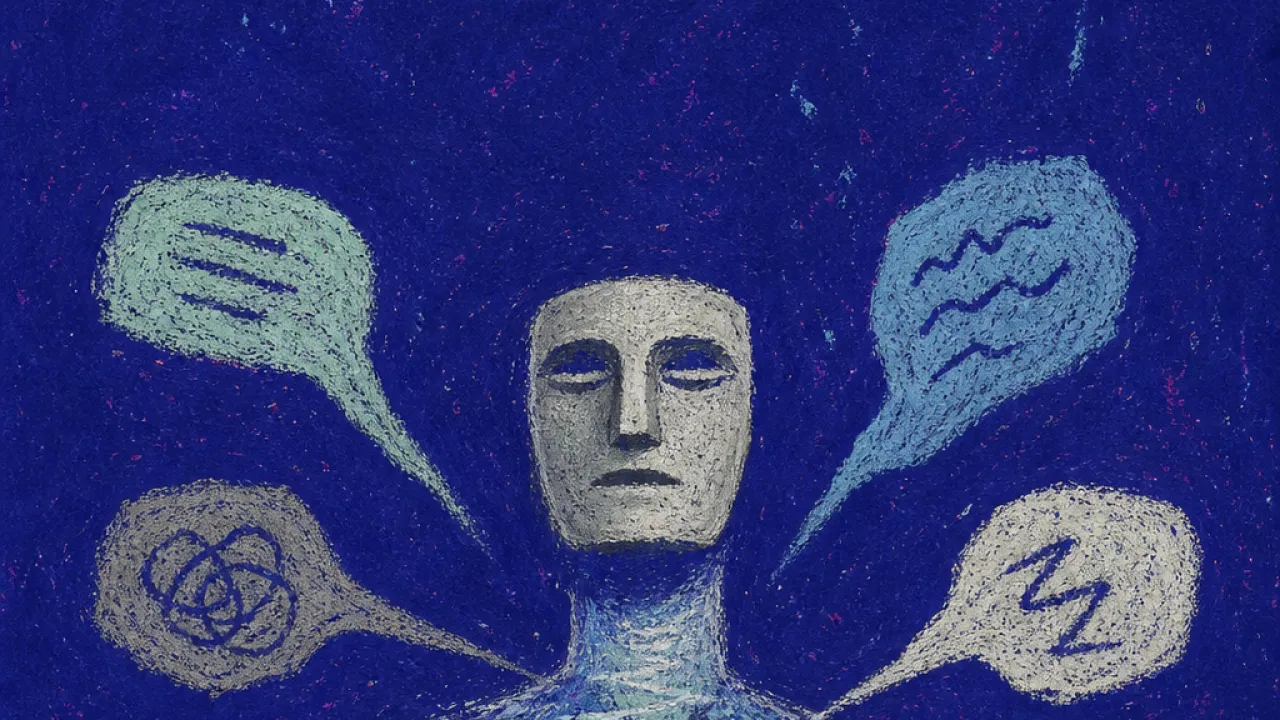
Emotional Suppression Culture is the setting where the room keeps asking you to translate everything into composure, usefulness, humor, or silence before it can be received. That tightness in your throat at the dinner table, in the meeting, or before you send the message is not separate from the environment; it is the body registering an environmental, structural, and dynamic rule about what may appear. The cards below do not ask you to perform calm or decode yourself into something cleaner; they mirror the shape of a culture that controls expression. Here are the Tarot Cards that tend to show up around this kind of contained emotional field.
The Emperor ReversedThe hidden water behind the throne, the sealed mouth under the beard, and the armor beneath the robe show emotional material present but structurally contained. The card does not erase feeling; it places feeling behind stone, rank, and controlled display. In an introspection context, this matches external spaces where softness has no approved channel: a family that changes the subject, a workplace that treats composure as maturity, or a social scene where vulnerability lowers status. The card links this context to the cost of living inside a culture of suppression. You may still function, lead, and appear stable, but the blocked stream behind the throne keeps carrying information that the public role refuses to translate.
The Chariot ReversedThe armor covers the torso, while the two moon faces on the shoulders hold smiling and crying expressions as fixed ornaments. Emotional contrast is visible, but it is pinned to the uniform rather than allowed to move through the body. That image fits a culture of controlled expression, especially in introspective work where the outside world has rewarded composure for so long that honest processing feels disruptive. You may be trying to access inner material through a role that was built to keep it contained. The reversed Chariot shows suppression as an environmental training, not a private flaw. It identifies the outer rule: stay impressive, stay controlled, keep the vehicle upright, and let the softer signals remain decorative instead of operational.
Strength ReversedThe lion’s mouth is the visual hinge of the card: it is the place where force could become sound, appetite, refusal, or danger, and it is being physically managed by calm hands. In the reversed texture, that contact becomes less like mastery and more like a social rule about which reactions are allowed to come out. Emotional Suppression Culture forms when the outer environment rewards the person who can keep the lion’s mouth closed. You may look composed from the outside, but the card reveals the structural cost of living in a setting where intensity must be edited before it becomes acceptable.
The Hermit ReversedThe gray cloak closes around the Hermit's body, and the beard drops across the chest as the lantern does the talking. Expression is present only as controlled light, not as open voice or reciprocal exchange. That image matches Emotional Suppression Culture because the surrounding field rewards composure, privacy, and usefulness while making direct disclosure carry social cost. The card gives shape to an environment where you can be expected to illuminate the room while keeping your own material hidden.
Wheel of Fortune ReversedThe figures around the wheel each occupy assigned positions, and the surface of the wheel is covered in formal codes. The image feels regulated: movement exists, but it has to move through approved symbols and fixed roles. That is the outer shape of an emotional suppression culture. You may be operating in workplaces, families, friend groups, or online spaces where inner reality must be translated into composure, usefulness, humor, or silence before it is allowed to appear. The reversed pressure comes from the system becoming too closed. The card exposes the cost of constantly performing stability and gives you a clearer object to examine: not whether your inner signals are excessive, but where the environment has trained you to make them socially acceptable before they can be understood.
Justice ReversedThe figure’s body is almost fully covered by the red robe, and the face is held in a controlled frontal position between gray pillars. The scene permits authority, balance, and restraint, but it leaves very little room for messy human overflow. In introspective work, that visual pressure becomes a culture where emotional complexity has to arrive in acceptable form before it is allowed to exist. You may be surrounded by language about fairness, maturity, or being reasonable, while the actual structure trains the inner world to hide anything that cannot be presented like orderly evidence.
The Hanged Man ReversedThe hands are concealed behind the back, the face is composed, and the body is displayed inside a rigid frame. The image shows control before it shows release: expression is minimized while the posture remains publicly readable. That visual arrangement fits Emotional Suppression Culture in introspection work. The outer environment rewards being calm, mature, low maintenance, and spiritually composed, while the unprocessed material has to stay hidden behind the posture. The card makes the cost of that culture visible. You can appear regulated while still being suspended by unspoken needs, and the work begins by naming the social frame that taught silence to look like strength.
Death ReversedThe figures before the horse do not meet the scene with free movement. One kneels with her hands lowered and face turned away, another holds a formal prayer posture, and the child stands exposed in the open field while the armored rider keeps advancing. That arrangement mirrors Emotional Suppression Culture because the body language is disciplined into acceptable forms before anything can be openly processed. In introspection, You may be trying to clear inner material while still living inside a social field that rewards composure, avoidance, spiritualized language, or silence over direct emotional truth. The card makes the external rule visible. The pressure is not only inside you; it is also in the rigid atmosphere around expression, where certain reactions are permitted and others are pushed out of view before they can become conscious material.
Temperance ReversedNot a single drop leaves the cups, even though the liquid is moving between containers. The body touches the water, but the visible posture remains composed, symmetrical, and socially present. That visual rule becomes a culture where expression is allowed only after it has been strained into a safe shape. You are not looking at calm as a personal virtue; the card exposes a no-spill environment where the external reward goes to containment, not truthful exchange.
The Tower ReversedThe tower has windows, but they do not function as calm openings; they release fire and smoke. The figures are not shown moving through a door, which makes the structure feel like a container that has denied ordinary emotional ventilation until pressure finds a harsher exit. Reversed, this image maps onto environments where composure is rewarded and emotional reality has to stay hidden. You may be surrounded by productivity culture, family scripts, social performance, or self-improvement language that permits analysis but not honest release. Emotional Suppression Culture fits The Tower because the card shows what happens when containment becomes the only approved strategy. It helps You see the eruption as a property of the system, not a defect in the material that was never given a safe passage out.
The Moon ReversedThe dog and wolf do not speak across the path. They howl upward under a guarded sky, with the towers holding the distance like a checkpoint rather than an open passage. Reaction exists, but it has no clean social channel. That is the outer structure of emotional suppression culture. In a family, workplace, friend group, or online circle, certain reactions may be allowed only when they are coded as jokes, productivity, silence, or calm competence. The Moon gives the suppressed material a visible container. You can see that the reaction is not irrational noise. It is a signal forced to travel through a culture that does not offer direct passage.
Ace of Cups ReversedThe chalice is built to receive and release water, yet it still has a defined rim, stem, and base. When the holding function tightens, the same vessel that should allow flow becomes a pressure point for keeping everything upright. In introspection, that structure reflects environments where composure is rewarded and emotional mess is treated as inconvenience: families that praise being easy, workplaces that prefer calm optics, friend groups that avoid discomfort, or wellness spaces that skip the harder layer. The water remains present, but its movement is controlled until it finds indirect routes. The card identifies suppression as a cultural container, not simply a private habit. You can begin to separate your real emotional signal from the external rules that trained it to stay presentable.
Four of Cups ReversedThe cups are present, but the figure does not speak, reach, or enter exchange with them. His folded body acts like a seal around expression, while the shaded space under the tree keeps the emotional material contained and quiet. As an external context, this points to environments where feeling has to be stored rather than expressed. The culture around the person may reward composure, neutrality, or constant availability, leaving emotional truth to accumulate in private containers. The card makes that suppression visible without turning it into a personal defect. You can begin to see how an outer rule about staying composed has shaped the inner backlog, and where expression needs safer, more deliberate channels.
Page of Cups ReversedThe Page stands between the contained cup and the open sea, keeping the living fish in a small vessel while the water behind him continues to move. The platform edge makes the division visible: controlled surface here, emotional volume there. Emotional Suppression Culture appears in this reversed image when the acceptable container becomes too small for what it is asked to hold. You may be moving through environments where feeling is permitted only when it stays charming, quiet, useful, or easy for others to receive. The Page of Cups connects this context to introspection because the private inner world is not absent; it is being managed under social rules about what can be shown. Seeing that structure helps separate your real emotional signal from the external pressure to keep it display-safe.
Queen of Cups ReversedThe Queen’s face stays serene, her posture remains elegant, and the pointed lidded cup is held in formal stillness. The calm sea and clear sky reinforce an environment where visible disturbance has been edited out. This fits a culture around you that rewards composure while making direct emotional expression feel socially expensive. You are not looking at a lack of feeling; the structure shows feeling being contained so tightly that only the approved surface is allowed to appear.
King of Cups ReversedA ruler surrounded by moving water but dressed in formal gold creates a sharp social geometry: emotion is everywhere, yet it must pass through symbols of control before it can be seen. The shell throne gives the body a platform, but not privacy; any overflow would be visible against the open sea. That arrangement maps onto environments where emotional expression is not absent, but tightly policed. You may be allowed to be calm, helpful, reasonable, and polished, while messier signals are treated as inconvenient or immature. In introspection, this context explains why inner material can feel jammed even when nothing dramatic is happening on the surface. The outside culture has trained the system to contain water so efficiently that the first honest leak feels like a social breach.
Four of Pentacles ReversedThe figure’s mouth is closed, the chest is blocked by a pentacle, and the whole torso is held in a rigid public posture. The body has no visible channel for expression; it can only hold, guard, and remain composed. Even the wealth symbols behave like a grid around the person rather than an active support system. Emotional Suppression Culture is the outer environment that rewards that kind of posture. In introspection, it shows up when your workplace, social circle, family system, or online persona makes composure feel mandatory and emotional reality feel inconvenient. The card gives that pressure a body: the still figure who has learned to treat openness as a threat to order. The town in the background sharpens the social dimension. There are people, systems, and expectations nearby, but the seated figure is not met by them. This context helps you distinguish private restraint from externally reinforced silence, so the blocked material can be located in a structure rather than mistaken for a personal flaw.
Ace of Swords ReversedThe sword dominates a dry, cool landscape where almost nothing grows. The blade is precise and brilliant, but the ground below it carries little moisture, softness, or living exchange. That visual structure turns intellect into the ruling climate. Clear thought is available, but the environment around it is not built for messy processing, slow feeling, or relational repair. In introspection, this points to an external culture that rewards composure and clean explanations while treating emotional residue as inefficiency. You may have learned to translate everything into analysis because the surrounding system gives logic more room than feeling, and the card makes that imbalance visible without reducing it to personal weakness.
Two of Swords ReversedThe swords lie across the chest while the sea stays behind her, calm but deliberately unentered. The image creates a social body that can maintain composure only by turning away from the very material that needs circulation. In a no drama circle, friend group, or polished social scene, that becomes a culture where honesty is treated as disruption and calmness is mistaken for health. The card exposes the cost of that arrangement: the group may look balanced from the outside, but the human parts of the exchange are being held behind a blade.
Three of Swords ReversedThe suit of swords turns feeling into metal: straight lines, sharp edges, and rigid angles pressing into soft tissue. The card does not show a face crying or a body moving; it shows emotional reality forced into the language of sharp analysis. In personal growth spaces, this becomes a culture where pain must be explained, optimized, or reframed before it is allowed to be real. The card exposes the cost of that suppression: insight becomes another blade when the environment has no legitimate place for impact.
Six of Swords ReversedThe passengers' faces are hidden, their bodies are wrapped and quiet, and the swords stand in a precise row around them. The scene is orderly on the surface, but that order is created through concealment, compression, and a narrow channel of acceptable movement. In an introspective context, this points to an external culture that rewards being composed before anything has actually been processed. You may have learned to make inner material look tidy, rational, or already resolved because the surrounding environment has little tolerance for messy truth. The card makes the cost of that culture visible. The crossing can continue, but the hidden faces and rigid swords show how much energy goes into staying legible to others while the private load remains largely unsaid.
Eight of Swords ReversedThe red robe is vivid, but it is wrapped in white bands and covered by a blindfold. The body remains visible and upright in a grey public field, while the fabric keeps movement and expression contained. You may be navigating a social environment where emotional truth has to be translated into calmness, usefulness, or silence before it is tolerated. The card makes the cost visible: what looks controlled from the outside may actually be a culture of compression that leaves inner material with nowhere clean to move.
Nine of Swords ReversedThe swords form a hard horizontal band across the image, while the body contains the reaction behind both hands. Nothing in the room opens outward, and the face is hidden rather than met, turning expression into something that can only happen in private. That structure aligns with emotional suppression culture because the pressure has been organized by an external standard of composure. You may be in spaces where staying reasonable, productive, attractive, or low maintenance is rewarded, while visible distress is treated as inconvenient. For introspection, the card shows how a culture of containment relocates emotional processing into the dark. The issue is not that feeling exists; the issue is that the surrounding environment has trained expression to wait until no one can see it.
Ten of Swords ReversedThe hidden face is not an empty detail; it is the social condition of a body that can be seen but not safely read. The swords create a strict field around the figure, where expression has been replaced by evidence of pressure. Emotional Suppression Culture fits the reversed texture because the scene holds exposure without refuge. In introspective work, you are auditing an environment that may have trained you to stay legible, useful, and quiet while the actual impact accumulated under the surface.
Queen of Swords ReversedThe queen wears the clouds on her cloak while sitting above the thicker cloud layer below. Feeling is present in the image, but it has been formalized, covered, and kept beneath the level where authority and speech operate. That scene mirrors environments where emotional complexity is allowed only after it has been cleaned up, justified, or translated into logic. You may have learned to process everything privately because the surrounding culture treats raw feeling as disruption rather than information. In introspection, this card exposes the external rule system behind private emotional compression. The issue is not that you lack depth; it is that the setting may have trained depth to appear only in acceptable, controlled forms.
King of Swords ReversedThe severe posture, grey stone, and raised blade create a social climate where composure is treated as proof of competence. The red beneath the blue robe shows warmth still present, but the visible architecture privileges cool language, control, and formal correctness. Reversed, this becomes an environment that rewards You for sounding unaffected while narrowing the space where emotional truth can appear. The card exposes suppression as a cultural rule, not a private flaw: the outer standard has trained the inner world to edit itself before it is even heard.
Nine of Wands ReversedThe wand is held in front of the chest, and the whole body narrows around it. Behind him, the row of wands looks orderly from a distance, but the gap shows that the order depends on active containment. In an introspective context, this points to an emotional suppression culture: a room, family, workplace, or self-improvement circle where difficult material must be edited before it can appear. You are not just managing feelings in private; you are navigating an environment that rewards containment and makes honest expression structurally expensive.
No cards available for this filter.