Can Honesty Keep You Close?

A clear look at this split, related tarot cards, and reading insights from people carrying the same pause.

Truth-connection Split
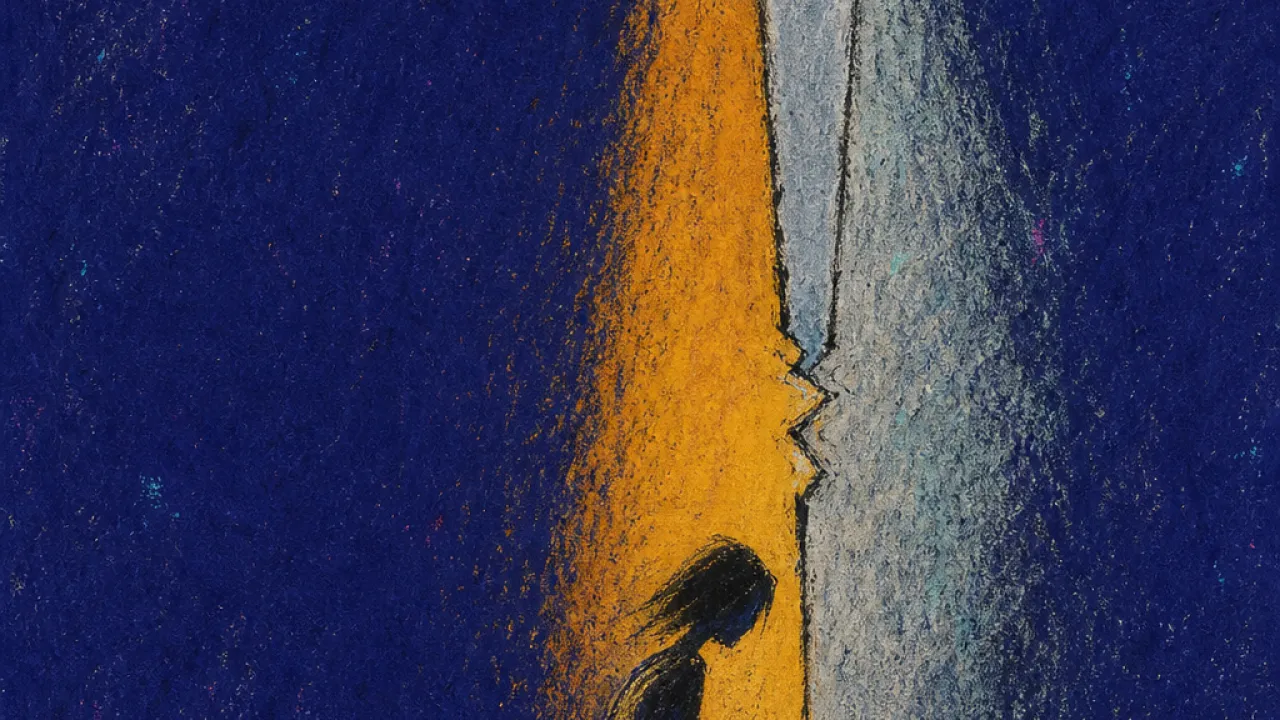
What does this feel like?

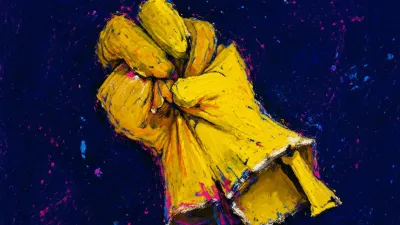
Truth-Connection Split is the moment you know the sentence, maybe word for word, and still feel your body refuse to become the person who says it. You are sitting on the edge of your bed with your phone lit in your hand, or standing in a kitchen while someone keeps talking, and your mind has already found the clean version: I need to say this, I need to name this, I cannot keep acting like this is fine. Then your throat tightens. Your thumb stops above the screen. Your stomach pulls inward as if the room has become smaller. You start editing before you have even spoken: soften that word, add a smile, make it less direct, wait until they are less stressed, wait until you are less tired, wait until the bond feels strong enough to survive a sentence it has been avoiding. Part of you knows that honesty is the only way connection can stop feeling staged, but another part knows how quickly warmth can shift when someone hears what they were not ready to hold. So you become careful in a way that looks calm from the outside. You choose timing, tone, emojis, silence, a half-version, a joke that almost says it, a question that gives them room to notice without making you say the whole thing. And every time you do that, you are not simply avoiding a conversation; you are trying to keep access to someone while not abandoning your own perception. The cost builds quietly. It is not only the unsent message or the swallowed boundary; it is the slow training of your voice to wait outside the room where your life is being discussed, much like Justice, seated between the upright sword and the scales, asking you to hold the sharpness of what you know and the weight of what may change in the same pair of hands.

What's pulling at you?

You are not stuck because you lack honesty or care; you are stuck because both are active at once. One part of you needs the sentence to be named so you can stay aligned with yourself, and another part knows the bond may change the moment it hears it. The freeze happens because silence protects access for now, while speech protects the part of you that does not want closeness to depend on editing yourself.

How It Shows Up?

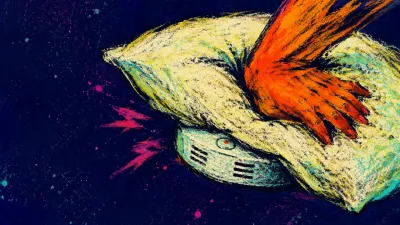
  • At 1:17 AM, you open the notes app and type the message for the fourth time, then delete the part that says exactly what you mean. Your thumb hovers above the keyboard, your throat gets tight, and your shoulders creep up as if the phone has become heavier in your hand. The screen feels like a small set of scales: one side holding the bond, the other holding the sentence. You can leave it in the draft for tonight; the pause is information, not a command.
  • You are sitting across from a partner or close friend while they talk about their day, and the conversation looks normal from the outside. You nod, smile at the right places, and feel the unsaid thing sitting behind your teeth like a bright edge you are trying not to touch with your tongue. Your jaw tightens, your chest feels narrow, and you keep waiting for a clean opening that never arrives. It is okay to let one breath happen before deciding whether the moment can hold more.
  • In a meeting, class, or group project, someone smooths over the problem in a way that keeps everyone comfortable, and you can feel your hand tense around your pen or mouse. The accurate sentence is right there, but saying it would change the temperature of the room, so you watch the conversation move past you while your stomach drops a little. The weight is not only in the task; it is in knowing the version being accepted is incomplete. You can choose timing without pretending the mismatch vanished.
  • At a group dinner or in a group chat, someone makes a comment that shifts the room, and everyone moves on quickly enough that naming it would make you the interruption. You feel your smile stay on your face while your ribs tighten, and there is a split second where you calculate who will understand, who will pull away, and whether the group will treat clarity as drama. The silence feels organized, almost architectural, like a tower everyone has agreed not to look at too closely. You are allowed to notice the structure before deciding what to do with it.
  • Right before you press call, send, or knock on the door, your body answers before your mind finishes the sentence. Your throat closes, your fingers go cold, your breath stays high in your chest, and the words line up neatly while your body acts as if there is no safe channel for them to pass through. The sharpness of the truth and the need to stay connected meet at the same narrow place in your neck. It is reasonable to start by noticing where the body says there is no room, before asking it to produce perfect language.

Truth-connection Split in Tarot Cards

Truth-Connection Split lives in the second before you press send, when the exact sentence is ready and your thumb still will not move. Your throat tightens because the same honesty that could make the bond clearer could also change the closeness you have been protecting. From an existential perspective, the structural framework here is the conflict between being known accurately and staying held in connection. These Tarot Cards make the outline of that conflict visible.

Justice Upright
The sword in Justice's right hand rises straight, while the scales in the left hand keep measuring what can still be weighed. The figure faces forward without leaning toward either instrument, as if truth and relational balance must both be held without dropping either one. In family conversations, that structure becomes painfully specific. You may know the accurate sentence, boundary, or memory, but the act of speaking it can threaten access, warmth, or basic peace with people whose reactions still matter. Justice does not reduce this to honesty versus dishonesty. The card shows a sharper split: the same hand system that reaches for connection must also hold the blade that separates truth from family performance.
The Tower Upright
Yellow lightning cuts into the tower from outside the closed stone system, while flames break through the windows that were supposed to contain the interior. The image does not show a calm disclosure; it shows truth arriving as a force that the old structure cannot absorb without ejecting people from it. Truth-Connection Split appears when family closeness depends on keeping the tower's story intact. You may see the pattern clearly, yet naming it threatens the emotional access you still care about. The Tower holds both facts at once: the revelation is real, and the cost of speaking it inside an inherited system can feel like falling out of the only building that once meant home.
Judgement Upright
The angel's trumpet cuts through the cold field from above, while the figures rise naked from open coffins with their arms lifted toward a sound they did not create. The scene is not a private conversation; it is a summons that makes concealment physically impossible.\n\nIn love, that visual pressure belongs to the moment when the truth cannot stay buried but also cannot arrive gently. You may be carrying a bond where honesty feels like the only way to save the relationship and the very force that could expose its limits.\n\nTruth-Connection Split appears here because the card holds revelation and attachment in the same posture: the body answers the call, but the container that used to protect it is still visible around it.
Eight of Cups Upright
The red-cloaked figure is already walking away from the eight cups, but the cups have not fallen, cracked, or disappeared. They remain upright behind him, which makes the departure harder to dismiss as simple rejection; the body is moving away from something that still has shape, history, and emotional capacity. In a love reading, that visual tension names the split between connection and truth. You may still recognize the bond, the memories, the effort, and the tenderness, while another part of the relationship has stopped answering what your deeper self is asking for. The staff, the dark water, and the uphill path show that this is not a clean emotional exit. The card holds the moment when staying connected would require betraying an inner truth, while following that truth requires walking away from a connection that once made sense.
King of Cups Upright
The King's attention rests on the cup while the scepter remains held but secondary. The image places emotional care in the foreground and boundary authority in the other hand, present but harder to bring forward. In friendship, this is the split between telling the truth and protecting the connection. You may know what is uneven, what hurts, or what needs to change, but naming it risks disturbing the very bond you still value. The card shows why silence can feel like care and honesty can feel like danger. The struggle is not a lack of insight; it is the structural tension between preserving closeness and giving the friendship enough truth to become mutual again.
Ace of Swords Upright
The hand in the cloud does not cradle the sword; it grips a blade meant to separate, define, and reveal. At the tip, the crown and hanging branches place peace, victory, and legitimacy on the same vertical line as the cut, so clarity is not neutral here. It carries the risk of changing the entire structure of connection. In family dynamics, that visual tension becomes the moment when saying the true thing threatens the bond that has made silence feel safer. You may know exactly what needs to be named, but the family system treats naming as disruption, disrespect, or betrayal. This struggle is not confusion about what happened. It is the split between intellectual clarity and relational survival: the sharper your perception becomes, the more exposed your connection to the family can feel.
Two of Swords Upright
The blindfold covers the eyes while the swords guard the heart, placing perception and attachment on opposite sides of the same body. The open sea is behind her, but she faces away from it, so emotional truth exists in the field without being directly met. Within family conflict, this structure names the point where seeing clearly threatens the connection you still care about. You may sense the pattern, the pressure, or the unfairness, yet fully naming it feels like it could sever the fragile bridge that still keeps you connected.
Three of Swords Upright
Three swords enter the red heart from different directions and meet at the same center. The image does not show a clean break from connection; it shows connection itself becoming the place where sharp truth, spoken pain, and emotional attachment occupy the same wound. In friendship, this is the exact pressure point where honesty stops feeling clarifying and starts feeling dangerous. You may know that something needs to be named, but naming it appears to threaten the shared history, the group balance, or the fragile sense that the bond can still survive. The card holds the split between truth and connection without flattening either side. The wound is not random sensitivity; it is the structure formed when the mind's sharp need for clarity pierces the same emotional center that still wants the friend to matter.
Five of Swords Upright
The swords in this scene do not only mark conflict; they mark the failure of words to keep people in the same field. One figure looks back with weapons in hand while the others move away, so the visual line between truth, speech, and separation is impossible to ignore. Inside a family system, that is the precise shape of a conversation where honesty does not simply reveal reality; it threatens the fragile arrangement that has been passing for connection. You may know what needs to be said, yet the family structure has taught your body that clarity can cost access, warmth, or basic recognition. This card does not reduce the struggle to communication style. It shows a deeper split: the same sword that cuts through denial can also cut the remaining thread of belonging when the family has no shared place to receive the truth.
Seven of Swords Upright
The figure in the Seven of Swords is already leaving the camp, but his face is still turned back toward the place he is taking from. His body carries the evidence forward while his attention remains hooked to the social field behind him, making movement and exposure part of the same gesture. In friendship, that image gives Truth-Connection Split a precise shape: the bond can keep moving only while certain facts stay angled away from direct view. You may sense that honesty would clean the air, yet the friendship has become arranged around what must not be said, who must not be upset, or which version of events keeps the group stable. The two swords left behind matter because the concealment is incomplete. Something remains visible in the shared space, so the struggle is not simply about secrecy; it is the pressure of trying to preserve connection while knowing the relationship is still organized around a truth that has not been fully carried into the open.
Eight of Swords Upright
The blindfolded figure is surrounded by swords, the suit of thought, truth, and verbal precision, yet none of those blades are in her hands. The very symbols that could cut through confusion have become the perimeter she is afraid to cross. Truth-Connection Split appears here as the relational fear that seeing clearly may sever the bond. You may want the honest conversation, the defined status, or the direct answer, while another part of the system treats that truth as a blade pointed at the relationship itself. The card does not reduce this to avoidance. It shows a structure where clarity and attachment have been placed on opposite sides of the same threshold, so staying connected starts to require staying blind.
Nine of Swords Upright
The lowest swords pass through the head, neck, and heart, placing thought, speech, and attachment under separate lines of pressure. The throat position matters: the image shows a body caught at the exact channel where inner truth would have to become relational language. In love, the split forms when truth feels like it might cut the bond, while preserving the bond feels like swallowing the truth. The bed should be a place of softness, but the blade-grid turns contact into a calculation about what can be said without losing connection. You are not facing a simple communication problem. The card shows a structural divide where honesty and closeness have been forced onto opposite sides of the same wound.
Page of Swords Upright
The blade of the Page of Swords is held up for clarity, but his face and eyes track the opposite side of the scene. The body does not get to be fully aligned with its own instrument; attention, truth, and relational threat are distributed across different directions. Inside family conversations, that split becomes a precise image of Truth-Connection Split. You may know what is true, but the moment of saying it can feel like stepping onto exposed ground, because the family bond has been organized around what remains unsaid, softened, or delayed. The card does not ask you to choose bluntness over connection. It marks the pressure point where honesty has been made to carry the possible cost of belonging, so the struggle finally has a visible shape instead of remaining a private failure of courage.
Knight of Swords Upright
The knight drives his white horse directly into the wind with the sword lifted before him, so the card's whole body is organized around impact. The blade is clear and elevated, but the charge leaves almost no visible room for relational adjustment once contact begins. In a family system, that visual structure mirrors the moment when speaking the truth feels inseparable from cutting into the bond itself. You may know exactly what needs to be named, yet the family field turns clarity into a threat to belonging, making honesty feel like a weapon instead of a bridge. The struggle is not whether the truth matters. It is the split created when your need for accuracy and your need for connection are forced into the same narrow line of attack.
Queen of Swords Upright
The Queen's open hand reaches outward, but the sword remains the dominant vertical line between her and the space she addresses. Angelic and butterfly carvings sit on the throne, yet warmth and transformation are mediated through stone, distance, and judgment. In growth work, that structure captures the fear that becoming honest will make you unreachable. You are not choosing between being clear and being connected as simply as it seems; the card shows a split where truth feels like it must be paid for with softness.
King of Swords Upright
The King's gaze travels through the sword before it meets the world. His tool of truth becomes the channel of perception, and the living signs around him, butterflies, birds, trees, and moving clouds, are held at a distance by the hard geometry of blade and throne. In a family field, that image carries the split between saying what is real and staying connected to people who may only accept closeness when the truth is softened, delayed, or edited. The sword can clarify, but it can also make every honest sentence feel like it might cut the bond. You are not simply choosing between honesty and peace. The card shows a structure where truth has been loaded with relational consequences, so clarity feels powerful and dangerous at the same time.

Truth-connection Split in Tarot Card Reading Insights

If you have ever drafted the honest message and left it unsent, this split often enters readings through the same throat-tight, thumb-hovering pause. The readings below move from card mirrors into moments where others brought connection, honesty, and consequence into a spread. Tarot Reading Insights on this pattern.
Psychological struggles related to Truth-connection Split