Still Asking For Permission?

Name the household command pattern, then view related tarot cards and reading insights shaped around adult agency.

Authoritarian Parent Dynamic
What is this situation?

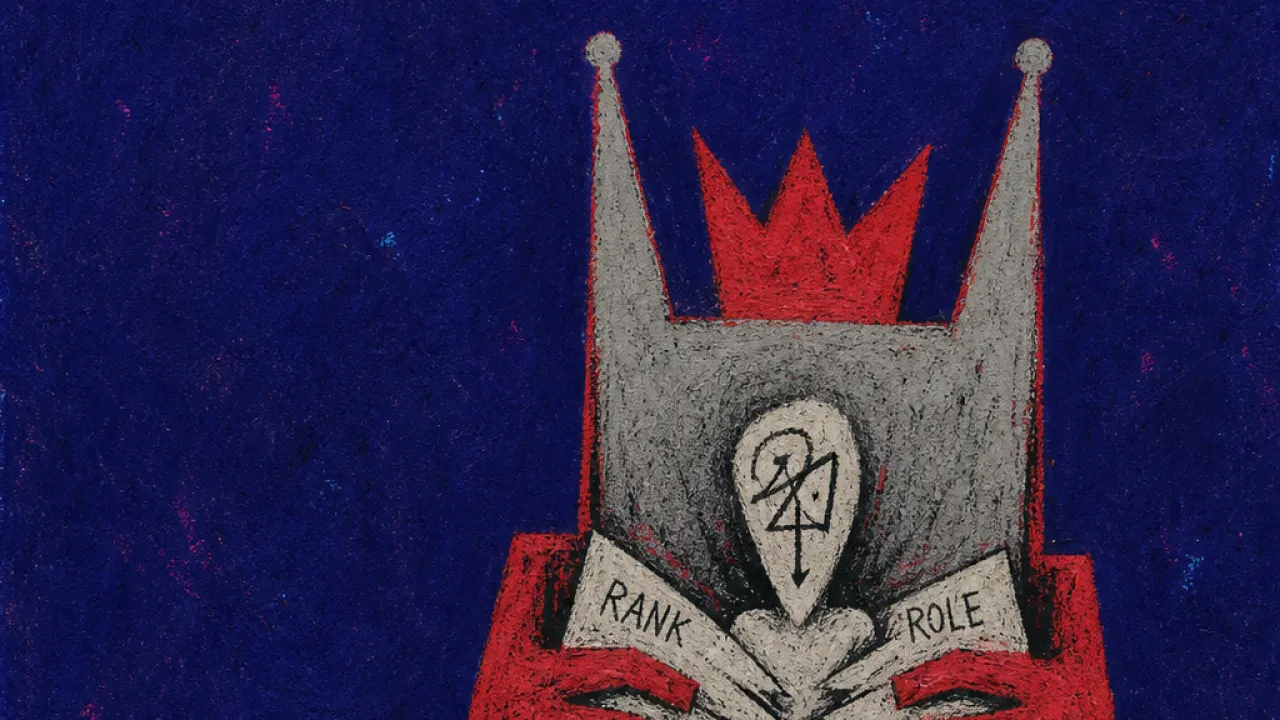
Authoritarian Parent Dynamic - you notice it the moment an ordinary adult choice turns into a test of whether you will obey. You might be in your kitchen after work, sitting in a parked car before a family visit, or watching a parent or elder's name light up your phone, and the topic is something that should belong to your adult life: where you live, who you date, what you study, how you spend money, when you come home, how often you answer. The conversation starts like concern, but it quickly becomes a review panel. Questions arrive in a sequence, your answers are measured against household standards, and any difference in direction gets reframed as disrespect, immaturity, selfishness, or a lack of gratitude. The parent or elder may not raise their voice; they may use silence, money, family peace, tradition, sacrifice, or the phrase 'after everything I've done' to make the room smaller. Other relatives learn the rhythm too, stepping in to smooth things over, warn you not to upset them, or repeat the rule in softer language. You start timing your calls, editing your texts, hiding pieces of information, and rehearsing explanations before you have even made a choice. Your jaw tightens when the phone buzzes, your shoulders climb during dinner, and your breath gets shallow when a simple update becomes another permission check. The daily cost is not just one strict conversation; it is living inside a household command structure where approval acts like a gate and your adult agency keeps being sent back to the highest seat, much like The Emperor, armored beneath a red robe on a stone throne, braced for challenge before anyone has spoken.

Why it's not you?

The problem is not that you are difficult, ungrateful, or too sensitive; the problem is a family setup that treats obedience as the price of peace. When approval, money, silence, or respect language is used to control adult choices, the pressure belongs to the structure around you. This dynamic has a shape: one person keeps the highest seat, and everyone else's choices are asked to pass through it.

Authoritarian Parent Dynamic in Tarot Cards

Authoritarian Parent Dynamic names the household pattern where ordinary choices get turned into obedience tests. The jaw-tightening, shoulder-climbing body response from that dinner table or phone screen is part of how the pressure lands on you. This is an environmental, structural dynamic: the room is organized around rank, approval, and who gets to decide what counts as respect. The Tarot Cards below reflect the visible outline of that pressure without handing authority back to the highest seat.

The Emperor Reversed
The bearded ruler on the stone throne carries the visual grammar of command: crown above, armor beneath, rigid seat around the body, and ram heads fixed into the furniture. Authority is not just spoken here; it is built into the room. In an introspection context, this points to family systems where approval, rules, silence, and performance still organize the inner audit long after the original room is gone. The external parent dynamic becomes a template for what feels allowed, respectable, or punishable. The card links this context to inherited control without asking you to obey it. It shows where the old authority structure lives in the environment of your choices, so its boundaries can be seen rather than automatically enforced.
The Hierophant Reversed
The raised hand, high crown, staff, throne, and stone pillars stack authority into a single immovable figure. The listeners are physically lower, facing forward, and given no visible space to answer back. In a family system, that arrangement becomes a parent or elder whose authority is treated as self-proving. Age, sacrifice, tradition, money, or moral language may be used to settle the discussion before your adult perspective has room to exist. The card makes the hierarchy visible without asking you to demonize the person inside it. It shows where respect has been converted into control, and where your agency needs a structure that does not depend on winning permission from the highest seat.
The Lovers Reversed
The angel towers over the scene while the human figures stand uncovered below. The vertical distance is not just decorative; it creates a hierarchy of who observes, who is observed, and whose interpretation carries weight. The Lovers places human choice under a visible authority structure. Within the family, that hierarchy can resemble a parent or elder whose approval is treated as the final court of reality. You may be an adult in practice, yet the household order still positions your independence as something to be reviewed, corrected, or overruled. The card gives that dynamic a shape outside your body. It shows that the pressure is not only about one conversation; it is about a power arrangement where love, respect, and obedience have been collapsed into the same demand.
The Chariot Reversed
With the lower body locked inside the chariot's cube and the command wand held upright, the figure becomes a symbol of authority that can stand tall while movement stays frozen. The sphinxes do not move by shared agreement; the whole vehicle depends on centralized command. In a family system, that geometry mirrors a parent or elder whose approval functions like the only steering mechanism. You may be treated as capable only when your choices align with the household command structure, so the real issue is not whether you are mature enough but who is allowed to set direction.
Strength Reversed
The lion's mouth is controlled at the point where sound and force would leave the body. The image concentrates power around permission: what can open, what must close, and who gets to decide the timing. In a family hierarchy, that becomes a parent or elder controlling adult choices through access, approval, privacy, and the right to speak plainly. You may be physically grown, but the family field still treats your autonomy as something that can be managed. The reversed Strength structure is useful because it does not frame control as protection. It shows a live force being regulated without a shared boundary, which exposes the difference between guidance and domination.
The Hermit Reversed
The staff plants authority into the ground while the lantern is raised from above. The figure's height, age, robe, and fixed posture create a vertical arrangement where guidance can easily become supervision when the structure hardens. In a family system, this mirrors the parent or elder who treats their viewpoint as the only mature one. Choices about work, love, money, home, belief, or independence may be reviewed from above, with age or sacrifice used as proof that dissent is immaturity. The reversed Hermit shows authority becoming too cold to be relational. The issue is not the presence of experience; it is the way experience is positioned so high above the user's adult life that mutual recognition becomes difficult.
Wheel of Fortune Reversed
The sphinx sits above the wheel with a sword held against its shoulder, occupying the highest and most controlling point in the image. Beneath it, the rest of the scene is arranged into stations that move around the central authority rather than beside it. In a family context, that elevated control point becomes the authoritarian parent dynamic: one person or one senior tier defines what counts as respect, maturity, gratitude, or acceptable independence. Other family members may still move, speak, and perform roles, but the authority position decides which movement is allowed. The card does not reduce this to personality conflict. It shows a hierarchy with tools, witnesses, and rules, making the real question where power sits in the family structure and how much of your adult life still has to pass through that seat before it is treated as valid.
Justice Reversed
The crown, sword, and high stone pillars place judgment in a single elevated seat. Reversed, the structure hardens: authority is no longer a shared container for fairness, but a vertical arrangement where one viewpoint controls the terms of reality in the room. In family life, this maps to a parent or elder whose approval functions like a gate. You are asked to treat their standards as neutral truth, even when those standards organize your choices around compliance rather than adult agency.
The Devil Upright
The horned figure sits above the two chained bodies, one hand raised in a doctrine-like command and the other holding a downward torch. The scene is not just pressure; it is a hierarchy where the rule-maker occupies the whole center of the room while the adults below are kept in assigned positions. In a family system, that visual structure maps onto a parent or elder whose approval functions like a gate. You may technically have adult mobility, but the household command center keeps pulling choices back through permission, obedience, and the fear of being cast as disrespectful.
The Moon Reversed
The two towers stand like a checkpoint on the only visible road, while the moon's spiked rays create an overhead field of pressure without giving clean daylight. Below it, the dog and wolf react upward, caught between obedience, instinct, and alarm. In a family setting, this structure mirrors a parent or elder whose authority shapes the entire emotional climate. Rules may shift, approval may be withheld, and adult decisions may be treated as requests for permission even when you are no longer a child. The Moon links this context to control that works through ambiguity as much as direct command. You are not only dealing with a strict person; you are navigating a household atmosphere where the rules are dim, the consequences are implied, and the path forward requires separating real limits from inherited fear.
Judgement Reversed
The angel is distant, elevated, and amplified through the trumpet, while the figures below respond with their whole bodies. The composition gives authority the height, the sound, and the symbol; the people on the ground get exposure and response. That hierarchy is the family pressure pattern of Authoritarian Parent Dynamic. A parent or senior relative may not need to negotiate because the family system has already arranged their voice as the signal everyone else is expected to organize around. Reversed Judgement makes the imbalance concrete. The issue is not merely a strong personality; it is a one-way command structure that treats adult disagreement as disobedience, and the first act of agency is seeing the structure before answering the sound.
Four of Pentacles Reversed
The crowned figure sits in the foreground like a private ruler over the visible goods. The stone seat, rigid posture, and fixed coins make authority look less like guidance and more like a system of approved access. In family life, that arrangement shows up when one parent or elder turns preference into household law. You are not only disagreeing with a person; you are moving inside a structure where approval, resources, and belonging have been routed through a central chair.
Knight of Pentacles Reversed
The reins, armor, saddle, and fixed posture create a scene where movement is tightly managed. The horse is powerful, but its direction is held inside a system of control. In a family setting, that visual structure maps onto a parent or elder who treats adulthood as something to supervise. Money, housing, access, approval, or family peace may become the tools that decide how far you are allowed to move. The card does not reduce the situation to personal stubbornness on either side. It shows an authority structure using protection and practicality as the language of control, which helps you see where care ends and permission-based adulthood begins.
King of Pentacles Reversed
The black marble throne, bull heads, scepter, armor, and boar under the iron foot give the king's comfort a hard edge. The scene is orderly, but the order is backed by conquest symbols and a body that occupies the center without needing to ask. In family life, this points to a household authority that treats adult boundaries as a challenge to rank. You are not simply facing a strong personality; you are dealing with a private power structure where permission, respect, and access are arranged around one person's control.
Ace of Swords Reversed
The crown impaled on the sword concentrates status, truth, and command into one vertical line. When that image is strained, the family field starts to look like a place where whoever holds authority also claims the power to define reality. This is the external pressure of a parent dynamic where disagreement gets recoded as disrespect. You are not simply facing a hard conversation; you are facing a hierarchy that treats adult perspective as a threat to its position.
Five of Swords Upright
The foreground figure grips three swords while the others retreat with bowed heads, making power visible as a physical arrangement rather than a private mood. One body has the tools, the central position, and the final look back; the other bodies have only distance and lowered faces. That visual structure mirrors a family system where authority is kept by controlling the terms of the argument. You are not just dealing with a strong personality; the scene shows a household hierarchy where one person's version of events is allowed to stand over everyone else's, and disagreement becomes something to defeat rather than understand.
Eight of Swords Reversed
A blindfolded woman stands upright while eight swords define the usable space around her, and the castle remains visible behind the barrier. The blades do not touch her body, yet they organize where her feet can go, turning the scene into a map of rules, surveillance, and managed movement. In a family system, that structure mirrors parents or elders who keep adult choices inside a narrow corridor of approval. You may still function, speak politely, and appear safe, but decisive power remains outside your hands until the rule-set itself becomes visible enough to examine.
Nine of Swords Reversed
The forceful carving on the bed frame shows one figure overpowering another beneath the sleeping surface, while the swords above form a rigid ceiling of command. The pressure is built into both the furniture and the air, making the room feel organized around control. In a family system, this reflects a hierarchy where rules are treated as love and disagreement is processed as disobedience. You may be an adult in practical terms, but the structure keeps positioning parental authority as the final court over your choices.
Page of Swords Reversed
The Page is young, armed, and watched by weather from every side. His posture suggests a person who cannot relax into the landscape because the field demands readiness before anything has even happened. Under an authoritarian parent dynamic, family power works through anticipation. You may be an adult, but decisions, tone, clothing, money, dating, study, work, or timing are still treated as items for parental review. The card's exposed summit shows how control becomes internalized as constant scanning, while the external structure remains a parent-centered command field.
Knight of Swords Reversed
The fully armored rider charges with a raised blade, shouting into a wind that already pushes everything in one direction. The image is not arranged for dialogue; it is arranged around command, speed, and impact. Inside a family system, that becomes a parent or elder whose authority arrives before any real exchange can happen. The sword marks a unilateral rule, while the armor shows a position protected from feedback, correction, or mutual adult recognition. You meet this context when disagreement is treated as disobedience and ordinary choices become arenas for control. The card exposes the external pressure of a household hierarchy that uses urgency and certainty to close down negotiation.
Queen of Swords Reversed
The crown, throne, and upright sword combine into a formal command position when the card is read through a blocked family structure. The figure is elevated, armed with certainty, and separated from the lower field where ordinary exchange would take place. In family life, that configuration mirrors a parent or elder who treats their perspective as the court of final appeal. Discussion may be permitted, but only inside rules that keep rank intact and make adult disagreement look like disrespect. For You, this context identifies the external authority structure pressing on the relationship. The card does not ask You to submit to that structure or defeat it dramatically; it shows where judgment, hierarchy, and access have fused so You can see the actual shape of the pressure.
King of Swords Reversed
The elevated throne, severe face, and upright sword create a family-like architecture of judgment when read through the reversed lens. The figure sits above the field, turning conversation into evaluation and making the surrounding space feel smaller than the authority at its center. For inner work, this points to the way an old household rule can keep speaking through the present. You may be trying to journal, rest, choose, or set a boundary, but the inner room still arranges itself around a parental verdict that needs to be identified before it can lose power.
Ace of Wands Reversed
The hand enters from above the landscape and turns the wand into a vertical command point. Its authority comes less from force than from the way everyone is expected to recognize the object it holds. Within a parent-child dynamic, that becomes a household order where approval is treated as jurisdiction. You are not simply disagreeing with a parent; you are dealing with a family structure that confuses care, rank, and control.
Two of Wands Reversed
The battlement creates a commanding view over the land below, but it also creates a hard boundary around the person standing there. Direction is elevated, supervised, and framed by the wall rather than negotiated in open space. That is the external shape of an authoritarian parent dynamic. The parent or older family authority may call it guidance, concern, or standards, but the structure gives them jurisdiction over choices that should belong to adult life. The reversed Two of Wands is especially sharp here because it shows status without mobility. You may be treated as capable when carrying responsibility, then treated as subordinate when claiming decision rights.
Seven of Wands Reversed
The lower wands rise like demands that do not need faces to carry force. The figure may be higher in the picture, but the pressure still reaches his body, keeping him in a repetitive blocking posture rather than allowing movement. An authoritarian parent dynamic can persist even when You are technically grown. The card shows a hierarchy that has to be defended against, where approval, interrogation, or control keeps arriving as if adult choice were still open for parental review.
Nine of Wands Reversed
The wands behind the figure are upright, ordered, and fence-like, creating a line that looks more like enforcement than comfort. The figure's contracted neck and tight grip show a body shaped by readiness, as though any opening in the rule structure will be noticed. That visual order matches a family environment where parental authority is maintained through monitoring, correction, approval withdrawal, or rigid expectations about how an adult child should behave. The pressure is not always loud; it often works through the knowledge that someone is watching for deviation. Authoritarian Parent Dynamic fits the reversed Nine of Wands because the boundary line has become a surveillance line. You are not only defending yourself from one demand; you are navigating a family structure that treats independence as something to inspect and control.
Page of Wands Reversed
The wand rises like an official staff, and the Page's posture resembles a decree being issued rather than a conversation unfolding. The visual field is clear and exposed, so the command has nowhere soft to land. In family life, that structure appears when a parent or elder treats their preference as the household rule. You are not simply disagreeing with a person; you are meeting a command system that uses rank, correction, and public certainty to narrow the space for adult negotiation.
Queen of Wands Reversed
The throne rises behind the Queen, covered with lions, sunflowers, and signs of command. In the reversed field, those symbols do not simply show confidence; they harden into a hierarchy where one position is allowed to define the room. That is the family logic of an authoritarian parent dynamic. Decisions about dating, work, money, visits, privacy, or basic self-definition may be filtered through an elder's need to remain the unquestioned center of authority. The wand becomes less like creative will and more like a symbolic permission system. The card connects because it shows warmth and power occupying the same seat. You may be dealing with a family structure where approval is offered when you orbit the throne correctly, and withdrawn when you act from your own adult center. Naming the hierarchy is the first step in seeing which rules are family preferences, not universal laws.
King of Wands Reversed
The same grounded wand that can organize a realm becomes, in reversal, a command stake driven into the floor. The closed fist, high throne, lion emblems, and empty desert concentrate power into one seated figure with no visible peer beside him. That is the family atmosphere where a parent or elder turns contact into directives, loyalty checks, and unilateral decisions. The card exposes the structure around the personality: you are not dealing with mere intensity, but with a household hierarchy arranged so that one voice occupies the center and everyone else has to negotiate around it.

Authoritarian Parent Dynamic in Tarot Card Reading Insights

Others have brought an Authoritarian Parent Dynamic into readings when a call, visit, or adult decision still had to pass through permission. The section below shifts from the cards themselves to the readings people sat with around that household command pattern. Tarot Reading Insights from sessions.
Psychological contexts related to Authoritarian Parent Dynamic