Seen, But Not Reached

Explore the social distance of being seen but not reached, with related tarot cards and tarot reading insights.

Approachability Gap
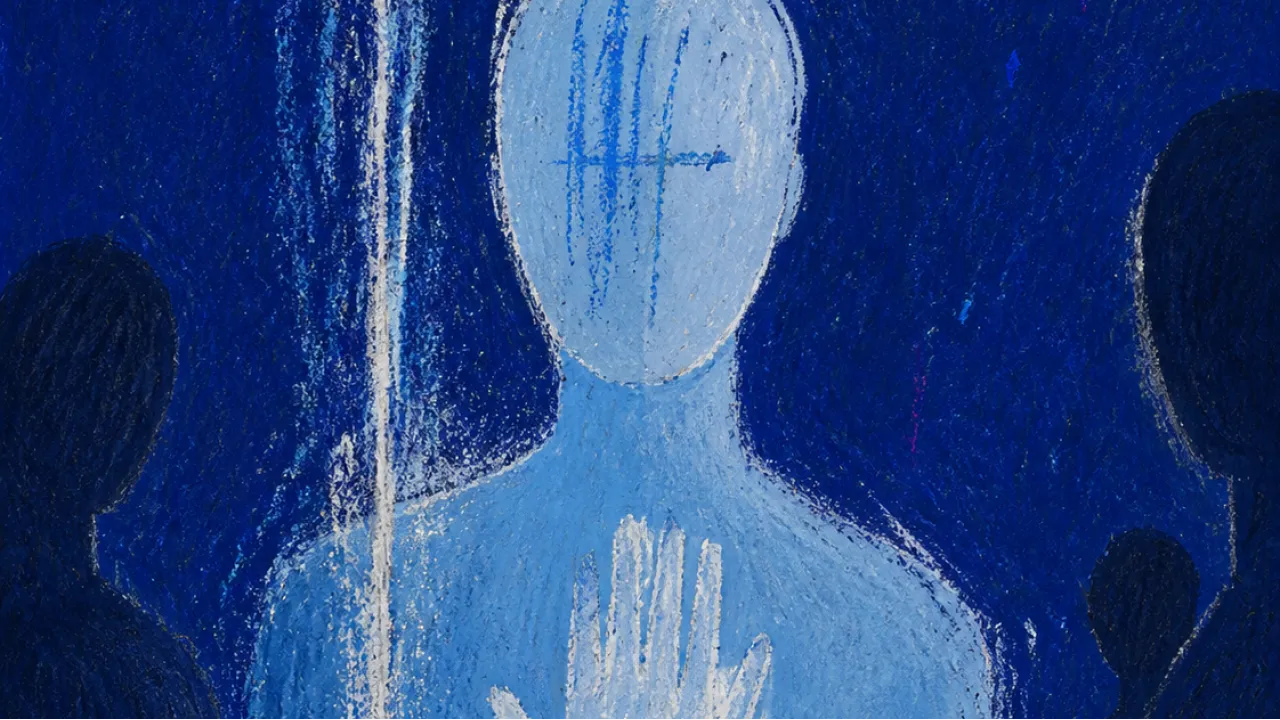
A solitary figure behind a clear pane, silhouettes stopping nearby as cold blue distance opens between them

What is this situation?

Approachability Gap — you enter the room, the group chat, the meeting, the party, the studio, the shared kitchen, and people register you before they actually meet you. Maybe you look focused, polished, quiet, tired, confident, or hard to read; maybe you are simply standing a little apart because the space is loud, the banter is fast, or everyone else already seems to know the rules. The gap opens when people start responding to the version of you they have guessed at from across the room: they assume you are busy, uninterested, intimidating, already taken, too cool, too serious, too independent, or not looking for company. Invitations happen near you but not always to you; conversations pause at the edge of your desk, your table, your profile, your seat at the end of the couch. At work, people praise your competence but loop someone else into the casual coffee chat where decisions really start. In dating, someone tells you later they thought you would reject them, while you remember spending the whole night hoping they would say something. In friendships, people say they did not want to bother you, even though no one asked whether you wanted to be included. Over time, the problem becomes oddly practical: you are visible enough to be interpreted, but not close enough to be known. You start moving through everyday spaces like there is a clear pane between you and everyone else, much like the figure on the Two of Swords, seated in plain sight with crossed blades between the body and the world beyond.

Why it's not you?

The issue is not that you are cold, difficult, or somehow failing at being easy to reach. Approachability Gap is created when other people treat a quick read as enough information and let assumptions decide whether they come closer. That distance is produced by the room, the social pace, and the way people avoid small risk, not by any defect in you.

Approachability Gap in Tarot Cards

In an Approachability Gap, the space between how you are and how people read you becomes the part that does the most damage. The tight shoulders you carry through rooms where no one quite crosses over are not just personal discomfort; they mark an environmental, structural dynamic shaped by quick reads, social shortcuts, and unspoken access rules. The cards below do not decide whether you should change your whole presence or explain yourself harder. These Tarot Cards reflect the shape of being seen from a distance while contact stays out of reach.

The High Priestess
Upright
The High Priestess sits close enough to be seen but keeps a veil between public presence and private depth. Within friendship, that selective access can be misclassified as a wish for distance, especially when a group expects constant disclosure, quick replies, or visible need as proof that connection matters. You may value privacy and still want invitations, practical inclusion, and ordinary check-ins. The upright pillars preserve a workable threshold into closeness, showing that friendship can respect layers of disclosure without making you solely responsible for proving that contact is welcome.
The Hermit
Upright
The cloaked figure occupies a remote position, yet his lantern remains raised where others could see it. In friendship, the visible solitude can eclipse the smaller signal of ongoing connection, allowing a low-maintenance identity to become a standing excuse for friends not to check availability or extend invitations. You may need quiet intervals without having agreed to permanent social self-sufficiency. The upright lantern keeps the support pathway active and reveals the asymmetry in a network that interprets your capacity for solitude as permission to leave all reconnection work to you.
The Moon
Upright
The two towers create a corridor of distance while the dog and wolf produce different responses beneath the same moon. The image captures a social field where posture, clothes, silence, profile activity, and second-hand impressions are read inconsistently, yet each observer may treat their own reading as settled fact. You can become the subject of several incompatible assumptions without having supplied any of them. The upright path remains visible between the towers, distinguishing navigable uncertainty from actual exclusion and showing how direct contact could replace the group's projection with shared information.
Nine of Pentacles
Upright
The solitary figure appears secure among abundant vines, with the falcon and refined clothing reinforcing an image of controlled independence. Friends can read that image as evidence that support, invitations, or spontaneous company would be redundant, even when the friendship still matters to you. You may have strong personal infrastructure without possessing an unlimited social safety net. The upright garden keeps independence as a genuine resource while identifying the friendship error around it: capability is being used as a reason to withhold reciprocity instead of as one quality you bring into the relationship.
Two of Swords
Upright
The crossed swords sit between the figure and the wider landscape, while the blindfold prevents either side from receiving confirming social feedback. In friendship, this resembles the repeated moment when people say they did not want to bother you, although no one asked whether you wanted the invitation, check-in, or company. You may be surrounded by people who consider themselves caring while still being left outside the actions that would make support tangible. The upright scene identifies a reciprocal information block rather than a broken capacity for closeness, leaving the friendship gap available for direct recognition instead of treating silence as consent to exclusion.
Queen of Swords
Upright
The vertical sword and stone throne communicate judgement, competence, and authority before the Queen's extended hand can register as an invitation to speak. In office culture, those visible signals can produce respect at a distance while less formal colleagues receive the quick questions, candid context, and relationship-building contact. You may be direct and highly capable without demanding social deference. The upright card keeps clarity and standards available as career assets, while identifying the approachability gap as an authority projection that coworkers create around your presentation rather than a defect you must compensate for by becoming smaller.
King of Swords
Upright
The King faces forward from a high-backed throne with his sword held upright, creating a stable but highly formal field of contact. In a workplace, that authority-coded presentation can make colleagues organise themselves around anticipated evaluation, approaching only through official channels even when no such restriction has been imposed. You may be respected for judgement and still miss the informal conversations through which teams share uncertainty and build trust. The upright sword supports direct, intelligible exchange, showing that authority and accessibility are compatible even when the surrounding culture has mistakenly treated them as opposites.

Approachability Gap in Tarot Card Reading Insights

Approachability Gap shows up in readings when people bring in the strange distance of being noticed, respected, or watched, but rarely met directly. The shift here is from the cards themselves to what surfaces when others sit with this same kind of social distance. Tarot Reading Insights from sessions on this pattern are gathered below.

Psychological Contexts Related to Approachability Gap