When Belonging Requires Agreement

A close look at clique pressure, related tarot cards, and reading insights for when friendship starts demanding sameness.

Clique Groupthink

What is this situation?

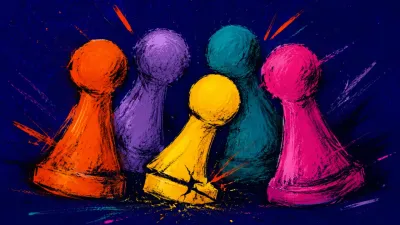
Clique Groupthink — you enter the friend group through a group chat, a shared table, a night out, a fandom circle, a class cohort, a workplace crew, or a city scene where everyone seems relaxed at first because the rules are never said out loud. Someone drops a take, a joke, a screenshot, or a verdict about another person, and the room quickly teaches you which response keeps you inside: the right emoji, the right amount of outrage, the right laugh, the right silence. At first it feels like closeness because everyone has the same references, the same language, the same enemies, the same idea of what is cringe, acceptable, problematic, cool, loyal, or embarrassing. Then the pattern tightens. A small disagreement makes the chat go flat. A different opinion gets treated like you are killing the vibe. If you do not echo the group's version of events fast enough, someone reframes your hesitation as disloyalty, overthinking, or making it about yourself. Plans, invitations, private jokes, and status begin moving through the people who mirror the shared line most smoothly, while anyone who asks a plain question has to work twice as hard to prove they still belong. You start editing before you speak: which words will sound aligned, which friend is listening, which topic is already decided, which person cannot be defended, which boundary will be read as betrayal. The exhausting part is that no one may be openly ordering you around; the pressure lives in timing, tone, side-eyes, screenshot culture, selective warmth, and the quiet knowledge that one wrong sentence can move you from insider to problem. Over time, the group starts to feel less like a place where people meet each other and more like a circle that keeps testing whether every member can keep the same rhythm, much like the reversed Three of Cups, where raised cups and shared movement can stop feeling like celebration and start feeling like choreography with no visible doorway.

Why it's not you?

This is not about you being too sensitive or bad at friendship; the pressure is built into the way the clique maintains sameness. When approval, invitations, jokes, and loyalty all depend on matching the group's line, disagreement is made expensive by the environment itself. The issue has a shape: a social circle that protects its cohesion by narrowing what people are allowed to say, notice, or question.

Clique Groupthink in Tarot Cards

In Clique Groupthink, the tightness is not only in the group chat or the room; it shows up in your shoulders when you start measuring every reply before you send it. The environmental, structural, and dynamic pressure comes from a circle organized around one approved signal: the joke everyone must laugh at, the take everyone must echo, the silence everyone is expected to understand. The cards below do not decide who is right; they reflect the shape of a social field where belonging starts asking for sameness. Here are the Tarot Cards that tend to mirror this kind of group pressure.

The Hierophant Reversed
The Hierophant's central sermon, the mirrored acolytes, and the repeated crosses create a room organized around one sanctioned interpretation. Difference is not given much space in the composition; attention flows toward a single authorized voice. That structure mirrors clique groupthink in friendship. The issue is not simple disagreement; it is a social field where shared talking points become proof of loyalty, and independent judgment starts to look like betrayal to the group.
The Lovers Reversed
The garden is not an empty backdrop; it is organized by visible authorities, paired symbols, exposed bodies, and a script of permitted and forbidden knowledge. The figures stand inside a rule field before they have even negotiated direct contact with each other. In a clique, this same structure appears as a social code that everyone is expected to absorb without explicit discussion. Belonging depends on reading the approved tastes, alliances, jokes, silences, and moral positions quickly enough to avoid becoming the outsider. Clique groupthink is the reversed Lovers as social pressure: connection becomes less about mutual choice and more about passing the group's invisible consensus test. The card helps separate genuine alignment from the quiet demand to merge with the room.
The Chariot Reversed
The two sphinxes embody different directions, yet the chariot presents a single command facade. With no reins between the vehicle and the forces in front, control depends on an invisible agreement that may not actually be shared. In a clique, that becomes the pressure to move with the group's official line even when the social forces underneath are split. You are not just facing disagreement; the card exposes a group structure where belonging is protected by sameness, and difference has to be managed quietly to stay inside.
Strength Reversed
In the reversed Strength field, containment can harden into a rule about what may be expressed. The mouth is still the focal point, but the question shifts from skillful restraint to social permission. The bright protected space can become a closed arena where acceptable tone matters more than honest contact. This is the structure of clique groupthink. A circle may look warm, aligned, and emotionally intelligent from the outside while quietly rewarding only one approved read of events. People stay close by matching the group's response, not by bringing their real perception into the room. The card exposes how soft control can be maintained without overt hostility. No wall is needed if everyone learns where the mouth is allowed to open. Seeing that structure gives you a way to evaluate whether the group offers belonging or only membership in a shared performance of agreement.
Wheel of Fortune Reversed
The four corner figures repeat the same reading posture while the wheel's letters and spokes hold the whole scene in a fixed symbolic pattern. Each figure has a place, a script, and a direction of attention, leaving little room for unsanctioned movement inside the frame. Clique groupthink grows from that kind of social geometry. A group can start using shared language, taste, opinions, and rituals as proof of belonging, so participation becomes less about connection and more about staying in step with the approved pattern. You are dealing with pressure to mirror the group before you can fully know whether the group fits you. The card exposes the difference between a community with shared culture and a circle that turns sameness into the price of entry.
The Devil Upright
The raised hand, inverted mark, and elevated block create a closed doctrine in the image. The two smaller figures stand below it with matching horns and tails, as if the space has taught them which shape they must take to remain included. In a friend group, that hierarchy becomes groupthink: one shared script decides which opinions are safe, which jokes must land, and which boundaries count as betrayal. You can feel attached to the group while also noticing that belonging requires a narrowing of your real voice.
The Sun Reversed
The sunflowers line the wall with their faces turned toward the same light. The arrangement is orderly and visually warm, but it also shows a field where every visible element knows which direction it is expected to face. In a clique, that order can become a quiet rule system: one opinion, one tone, one aesthetic, one approved version of reality. The card makes the conformity visible, so you can separate genuine shared values from a group environment where belonging depends on mirroring the dominant signal.
Judgement Reversed
The mirrored groups rise in similar shapes beneath the same overhead signal. In reverse, that symmetry can harden into synchronized response, where belonging depends on matching the group posture quickly enough. A clique groupthink dynamic forms when friends treat agreement as proof of loyalty and difference as a disruption to be managed. The card shows why the pressure feels structural: the group is organized around one approved signal, not around mutual curiosity.
The World Reversed
The four corner figures form a complete perimeter around the wreath, each holding a fixed position while the center remains on display. The order is visually elegant, but it can also become a closed social code where every part of the circle knows where it is supposed to stand. In friendship, that structure points to a clique that protects sameness more than connection. You can feel the pressure not because one person says a rule out loud, but because disagreement threatens the symmetry that keeps the group feeling intact.
Three of Cups Reversed
The closed circle has no visible leader, yet every body follows the same rhythm. In this reversed context, the lack of hierarchy does not automatically create freedom; it can create a peer field where the group mood becomes the hidden authority. In personal growth, that structure appears when a cohort, friend circle, online community, or self-improvement scene starts enforcing shared language and shared conclusions. The pressure is subtle because it comes through belonging, tone, and approval rather than formal rules. The card helps name the external pattern: your independent judgment may be getting squeezed by a group that calls itself supportive while quietly making difference expensive. The issue is not community itself; it is a circle that stops leaving enough room for separate perception.
Ten of Cups Reversed
The figures move as one unit under a single rainbow, and the scene gives almost no visual space to disagreement. Reversed, the group pattern can become stronger than the people inside it, turning unity into the rule everyone must obey. That structure fits a friendship clique where shared opinions, shared enemies, shared jokes, and shared judgments become the cost of staying inside. You can feel the pressure not because the group lacks closeness, but because closeness has been organized around conformity.
King of Pentacles Reversed
The repeated ox heads, formal crown, scepter, throne, and fortified wall create a visual language of sameness and guarded authority. The scene presents a strong inside, but that strength depends on shared symbols, shared codes, and protection from outside interruption. In a social circle, that can become groupthink: the room rewards agreement, loyalty, and status mimicry while treating difference as disruption. You may notice that belonging requires matching the circle's opinions, taste, humor, or social alliances more closely than feels natural. The card makes the pressure legible as a group structure rather than a failure to fit in. When the inside is too protected, the circle may preserve cohesion by narrowing the range of acceptable selves, and clarity begins with seeing which parts of you are being edited for entry.
Eight of Swords Reversed
The red robe is vivid, but the white bindings standardize the figure's range of movement. A live, expressive body has to become still in order to remain acceptable inside the sword perimeter. That visual structure matches a clique where agreement is rewarded and difference becomes risky. The pressure may not look dramatic from the outside, but inside the circle every deviation can feel like it will draw a blade of commentary, silence, or reputational cost. The card does not treat conformity as a personality issue. It shows a social system that narrows acceptable movement, helping you separate genuine belonging from a circle that only grants safety when everyone mirrors the same line.
Ten of Swords Upright
The ten swords do not scatter in different directions; they repeat the same downward motion with severe uniformity. The visual field creates a single answer, a single pressure line, and a single body made to receive it. That is the social geometry of clique groupthink. A circle can look like belonging from the outside while operating through synchronized agreement, where dissent is treated less like perspective and more like contamination. The card makes the cost visible. You are not just disagreeing with a group; you are standing under a structure that rewards sameness and concentrates pressure on whoever interrupts the shared script.
Knight of Swords Reversed
The card is organized around one blade, one charge, and one direction of force. Even the trees and clouds bend backward, making the whole environment appear subordinated to a single forward line. In a clique or tight social circle, that visual structure can become groupthink: one interpretation becomes the acceptable interpretation, and belonging starts depending on how quickly people align with it. The pressure may look like confidence from the outside, but inside the group it narrows the range of what can be questioned. The card helps identify where social certainty has become a gatekeeping tool. It asks whether the circle can hold multiple perspectives, or whether the dominant narrative has turned connection into compliance.
King of Swords Reversed
Plain blue garments, a fixed forward gaze, and a single upright blade compress the scene into one sanctioned line of thought. The air symbols still suggest ideas, but the cold throne makes those ideas feel organized by authority rather than exchange. In a clique, this becomes the pressure to hold the correct take, laugh at the correct target, and treat disagreement as disloyalty. The card frames the problem as a social system that confuses clarity with conformity.
Four of Wands Reversed
The four wands form a perfect square, and the garlands make that square look warm enough to enter. In the reversed social structure, the same neatness can become a closed circuit where harmony depends on everyone standing in the approved formation. Clique Groupthink appears when a friendship group protects its sense of unity by narrowing what can be said, who can disagree, and which versions of people are allowed to belong. The rituals still look friendly, but the boundary has started to reward sameness over honesty. This card links to that context through its architecture. You can examine whether the group is offering a stable gathering place, or whether the decorated pillars have become social pressure to keep smiling, match the vibe, and avoid disrupting the circle.
Five of Wands Reversed
The figures are visibly different, yet the crowded formation pulls them into the same contest. Their clothes and stances suggest individuality, but the raised wands create pressure to participate in the dominant group mode. That is how clique groupthink often operates: the circle may present itself as expressive, alternative, smart, or socially aware, while still punishing anyone who breaks tone, questions the shared story, or refuses the group's preferred conflict style. Difference is allowed only until it disrupts the hierarchy. Reversed, the Five of Wands shows the cost of belonging inside a crowd that treats consensus as loyalty. The useful audit is not whether you agree with every opinion, but whether the group can tolerate a real difference without converting it into a threat.
Six of Wands Reversed
The wands rise in a coordinated pattern, and the crowd channels its attention toward one sanctioned figure. The visual field has energy, but that energy is organized into a single approved direction. Reversed in friendship, this points to the clique that rewards agreement more than honesty. The group may call it loyalty, vibes, or being on the same page, but the structure makes dissent costly when everyone is expected to raise the same wand at the same time. You can read this card as a map of social pressure inside closeness. The issue is not that friends influence each other; it is whether belonging requires you to edit your perception until the group's version of events becomes the only acceptable one.
Seven of Wands Reversed
Six lower wands point in the same direction, creating a single field of pressure rather than six distinct conversations. The person above holds a different angle, and that difference is exactly what turns him into the focus of the group force. Reversed, the image becomes Clique Groupthink: a circle where agreement is treated as proof of belonging and difference becomes a threat to the group's self-image. The pressure may arrive as teasing, consensus, side-eyes, or sudden coldness, but the structure is the same: one distinct stance is asked to fold back into the shared line. This card gives the social pattern a visible shape. You do not have to confuse coordinated pressure with truth; you can separate genuine feedback from a clique's need to keep every wand pointing the same way.

Clique Groupthink in Tarot Card Reading Insights

When Clique Groupthink turns friendship into a test of matching the room, people often bring that exact pressure into readings: the group chat, the side-eyes, the approved take, the cost of saying something different. The readings below shift from card images into how this situation appears when someone sits with the cards. Tarot Reading Insights from sessions on this pattern.

Psychological contexts related to Clique Groupthink