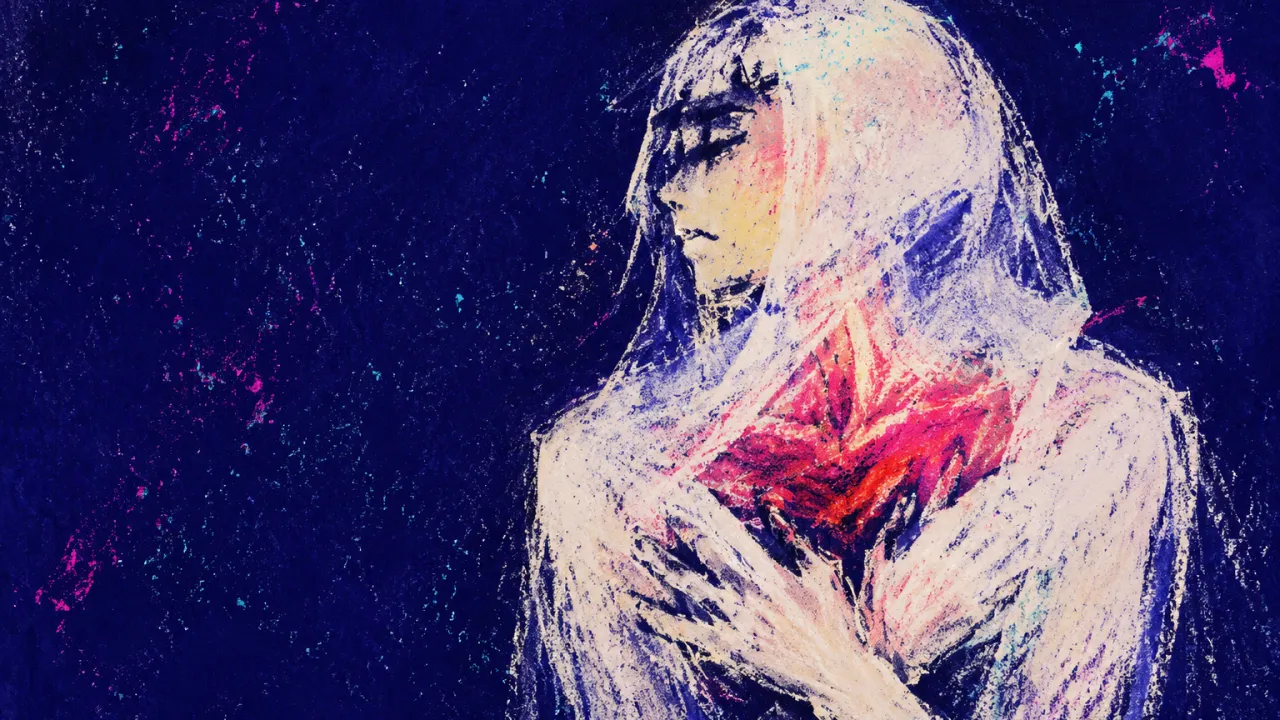
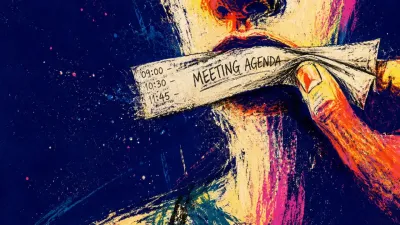
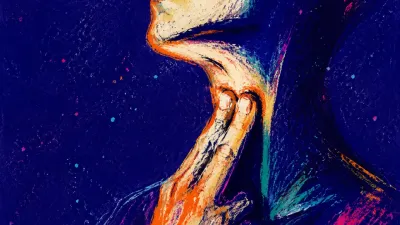
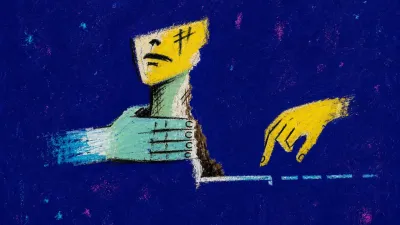
That tight heat behind your face, the lowered gaze, the effort to keep your surface composed — Quiet Shame has a very specific shape. It is a universal emotional experience, even when it feels too private to name out loud. Tarot gives that hidden shape a visual language without turning it into a verdict. Here are the Tarot Cards that tend to mirror Quiet Shame.
The Magician ReversedThe white robe under the red cloak, the bound forehead, and the immaculate tool display create a surface where everything appears intentional. The symbols are intact, the flowers are ordered, and the body gives no obvious permission for mess. Quiet Shame lives in the gap between that immaculate surface and the private knowledge of what still feels tangled. The card does not accuse you of failing; it exposes the harsh inner lens that treats ordinary unfinished feeling as something that must be hidden.
The High Priestess ReversedThe High Priestess keeps the scroll close to her body while the veil protects the inner chamber behind her. Her surface is composed, plain, and controlled, but the image is organized around withheld access: what matters most is present, yet carefully covered. Quiet Shame emerges from that controlled concealment. In introspection, You may not feel exposed in a dramatic way; instead, a private part of the self tightens around what it believes should stay unseen. The shame lives in the distance between the serene outer posture and the guarded material behind the veil. This card gives that feeling a precise visual container. It does not accuse You of hiding; it shows how the psyche can protect tender material by making itself unreadable. Once the concealment is visible, the shame becomes less like a verdict and more like a boundary asking to be understood.
The Emperor ReversedThe Emperor’s mouth is tight and downturned, partly obscured by the beard, while the crown and throne lift him into a highly visible position. The symbols of authority remain intact, but the human softness of the lower face is covered by regalia, hair, armor, and stone. In introspection, that image becomes the private sting of feeling judged by your own inner standard. You may look composed and capable, yet an unseen part of you tightens around the idea that needing care, softness, or uncertainty would make you less legitimate. Quiet Shame is small in volume but heavy in placement. The card anchors it in the sealed mouth and elevated seat, showing a feeling that does not announce itself loudly because it has learned to hide behind competence.
The Hierophant ReversedOnly the acolytes' backs are visible, their bodies lowered toward the central figure while their faces disappear from the scene. Their clothing carries symbols and patterns, but their individual expressions are withheld from view. Quiet Shame forms in that lowered, hidden posture. In a social group, it can feel like everyone else has been given the manual while you are trying to make yourself smaller enough not to be noticed making a mistake. The card does not make that smallness a personal flaw. It shows how a room built around correct posture, correct signals, and correct belonging can make your ordinary uncertainty feel like evidence that something is wrong with you.
The Lovers ReversedThe uncovered bodies stand under direct light with no garment, wall, or shadow to soften the exposure. Even the garden's beauty cannot remove the feeling of being visibly human, visibly desirous, and visibly unfinished. Quiet Shame attaches to that exposed stillness. You may not be facing public judgment at all; the pressure comes from the inner witness that sees the parts of you the polished self would rather edit out.
The Hermit ReversedThe Hermit's face is mostly hidden beneath the hood, his head lowered, his body wrapped in gray and set apart on the summit. The cloak creates privacy, but it also reduces visibility. The cold field around him makes the figure feel muted, as if exposure has been carefully minimized. Quiet Shame appears when personal growth becomes a private audit that never feels passed. In this card, the light is still present, but the body does not fully step into it. That visual tension mirrors the feeling of measuring yourself against an imagined evolved self and shrinking from the gap. The card gives this shame a specific shape: not dramatic collapse, but a guarded inward lowering. It shows how self-improvement can turn cold when every unfinished habit, inconsistency, or unintegrated lesson becomes evidence you quietly hold against yourself.
The Star ReversedThe nude figure bends toward the pool, and the water can reflect the face back under an open sky. In reversal, that reflective clarity becomes too sharp, with the body exposed and the gaze drawn downward. That arrangement gives shame a quiet, private architecture. You are not being judged by a crowd; the sting comes from seeing your own hidden material too clearly and wanting to lower your eyes before it can be understood. Quiet Shame fits the reversed Star because vulnerability loses its softness and becomes self-exposure. The card names the hush that falls when introspection turns into a mirror you are not ready to meet.
The Sun ReversedThe child’s naked body is held above the wall in full view, with no garment, shadow, or lowered gaze to soften the moment. The wall still marks a threshold, so the image holds exposure and separation at the same time. Quiet Shame lives in that threshold. It is the feeling of a private inner part becoming visible before it has enough language, protection, or context to explain itself. In introspection, this card does not accuse you. It shows the exact geometry of the feeling: a hidden self brought into light, a hard boundary behind it, and a body that needs more gentleness than the brightness first seems to offer.
Five of Cups UprightThe lowered head, hidden hands, and black cloak create a body that has folded inward before anyone else enters the scene. Nothing in the image performs confession, yet the posture carries the pressure of being privately observed by the self. Quiet Shame belongs to the introspective shadow of this card because the figure is not only looking at loss; they are looking from inside a darkened self-image. You may recognize this as the moment self-reflection stops being clear and starts feeling like an internal courtroom. The remaining cups behind the figure complicate the shame. They show that the whole self has not been invalidated, even when the inner gaze is narrowed to evidence against you. The card helps name the difference between accountable seeing and the soft, heavy pressure of self-condemnation.
ReversedThe black cloak turns the figure into a nearly faceless shape, with identity swallowed by the same dark fabric that covers the body. In an academic reading, that visual field can mirror the private contraction after a bad grade, failed presentation, rejected application, or supervisor comment that makes you want to become less visible. The figure is not looking at the bridge or the cups that remain; the body faces the evidence of what went wrong and lets that evidence stand in for the whole self. Quiet Shame is the inward hush that follows academic exposure, when you keep functioning on the outside but feel internally reduced to the mistake.
Page of Cups ReversedThe Page is visually charming and composed, yet his attention turns inward toward the cup rather than outward toward the viewer. The private object inside the chalice is visible, but only within the controlled frame of what he is holding. Quiet Shame grows from that guarded exposure. In introspection, the tender material that surfaces may not be dramatic, but it can feel embarrassing because it reveals needs, fantasies, attachments, or softness that the public self has learned to manage carefully. The card holds this feeling without condemnation. You are not wrong for having private inner material; the image shows how vulnerability can become difficult when it appears in a setting where you still feel watched by the polished version of yourself.
Queen of Cups ReversedThe white gown, shell clasp, covered chalice, and privacy wall create a scene of protected purity and hidden contents. The Queen holds the vessel close, not spilling it and not showing what it carries. Quiet Shame forms in that protected secrecy. You may be carrying a tender inner fact as if it must be kept immaculate or unseen, and the card mirrors the low-volume ache of hiding something that actually needs clean witness rather than punishment.
Four of Pentacles UprightThe figure faces outward, but the tightly pursed mouth and dark cloak keep the image sealed. The town behind him is visible, yet his body remains separated from it, placed in the foreground like a guarded object. Quiet Shame emerges from that combination of exposure and closure. In an introspective spread, it can describe the low-volume feeling that something inside you must be managed carefully before anyone, including you, gets too close to it. The card gives that hidden pressure a visible shape. You are not being asked to confess or perform vulnerability; the image simply shows the cost of holding your inner material so tightly that even self-recognition starts to feel risky.
Five of Pentacles UprightThe ragged clothes, wrapped foot, lowered posture, and huddled red cloth make the figures look reduced in public, exposed to weather with almost no protective surface. Their faces are not presented as open claims on the viewer; the bodies stay small and moving. Quiet Shame grows from that lowered visibility. You may carry a private sense that your needs, injuries, or unfinished parts are too visible, so inner work becomes less about dramatic confession and more about noticing the places where you shrink before anyone asks you to.
ReversedThe ragged clothing and hidden posture place the figures in public exposure while the lighted window displays what they do not have. The body is not only cold; it is visible in its lack of protection. Quiet Shame is the private shrinking that happens when you compare your career position to the polished interior others seem to occupy. The card gives that shrinking a concrete shape: passing by resources, credentials, and status while trying not to let your own need become too visible.
Six of Pentacles ReversedThe kneeling body, the extended hand, and the torn cloth make vulnerability physically visible without making it dramatic. Need appears close to the ground, partially covered, and still exposed enough to be seen. Quiet Shame is the emotional weather of that image turned inward. You may not feel publicly humiliated; instead, a smaller and more persistent heat gathers around the exposed part of you that wants care, approval, rest, or repair. The Six of Pentacles supports this feeling because the card does not hide need behind abstraction. It places need in a measured exchange, showing how shame can form when the inner self feels visible before it feels safe.
Three of Swords ReversedThe Three of Swords has no witness, no expression, and no spoken defense. It leaves the heart exposed in a grey field, pierced in a way that looks both private and visible at the same time. Quiet Shame in academic life often appears after a disappointing mark, missed deadline, stalled draft, or confusing feedback. The pain is not always dramatic; it sits silently around the thought that the struggle itself has revealed something unacceptable about you. The card helps separate that private verdict from the actual academic event. The swords show where evaluation entered, but the grey field shows how the mind can turn that impact into a whole atmosphere of self-judgment unless the feeling is named and examined.
Five of Swords ReversedThe two figures in the distance move away with bowed heads and covered faces while the foreground figure remains visually separate. Their bodies do not argue, defend, or reach back; they reduce their presence and exit through the gray shore. In a career environment, that posture captures the private collapse that can follow being corrected, outplayed, excluded, or publicly misread. You may continue functioning, but internally the body wants less visibility, less contact, and fewer witnesses. Quiet Shame names the low-volume contraction that happens when a workplace moment makes you feel smaller than your actual capacity. The card holds that feeling as an emotional weather pattern, not an identity statement, so it can be examined without letting the room's power dynamic define your whole self.
Seven of Swords ReversedA small smile sits on a body doing something it does not want fully witnessed. The swords are heavy, the gait is careful, and the camp behind him becomes a silent witness to the gap between what is being presented and what is being carried. Quiet Shame arises from that gap. In introspection, the card points to the private sting that appears when you notice how much emotional labor has gone into concealment, self-editing, or strategic omission. This is not a public confession scene; it is a private recognition scene. The Seven of Swords holds shame at a low volume, showing how it can live in the backward glance, the unfinished trace, and the body that keeps moving while trying not to be fully known.
Eight of Swords ReversedThe face is covered, the body is bound, and the figure stands exposed in an open landscape with no one else present. The image creates a private exposure: not public judgment, but the sensation of being visible to yourself while unable to meet your own gaze. Quiet Shame lives in that covered face and interrupted red robe. It does not need a dramatic scene; it works through muffling, hiding, and the internal belief that something expressive must be restrained before it can be seen. In introspection, this card gives the shame a visual surface without treating it as truth. The blindfold becomes the object of inquiry, showing where self-perception has been covered by old rules about what parts of you are acceptable to notice.
Nine of Swords ReversedThe face is covered, the room is dark, and the quilt repeats symbols that never fully resolve. Nothing in the scene announces itself loudly, yet the body remains folded inward as if the self has become hard to meet. Quiet Shame belongs to the reversed Nine of Swords when family judgment settles into a low, persistent background. It may not arrive as one dramatic accusation; it can live in small comparisons, old labels, disappointed tones, or the sense that your separate life requires apology. The darkness around the bed gives that low-volume verdict a place to spread. The card’s clarity is gentle but firm. It shows shame as an atmosphere you inherited from repeated family contact, not as the final truth of who you are.
No cards available for this filter.