Why Does Ease Feel Unsafe?
A grounded look at this inner split, the tarot cards that mirror it, and reading insights from similar sessions.

Ease-safety Split
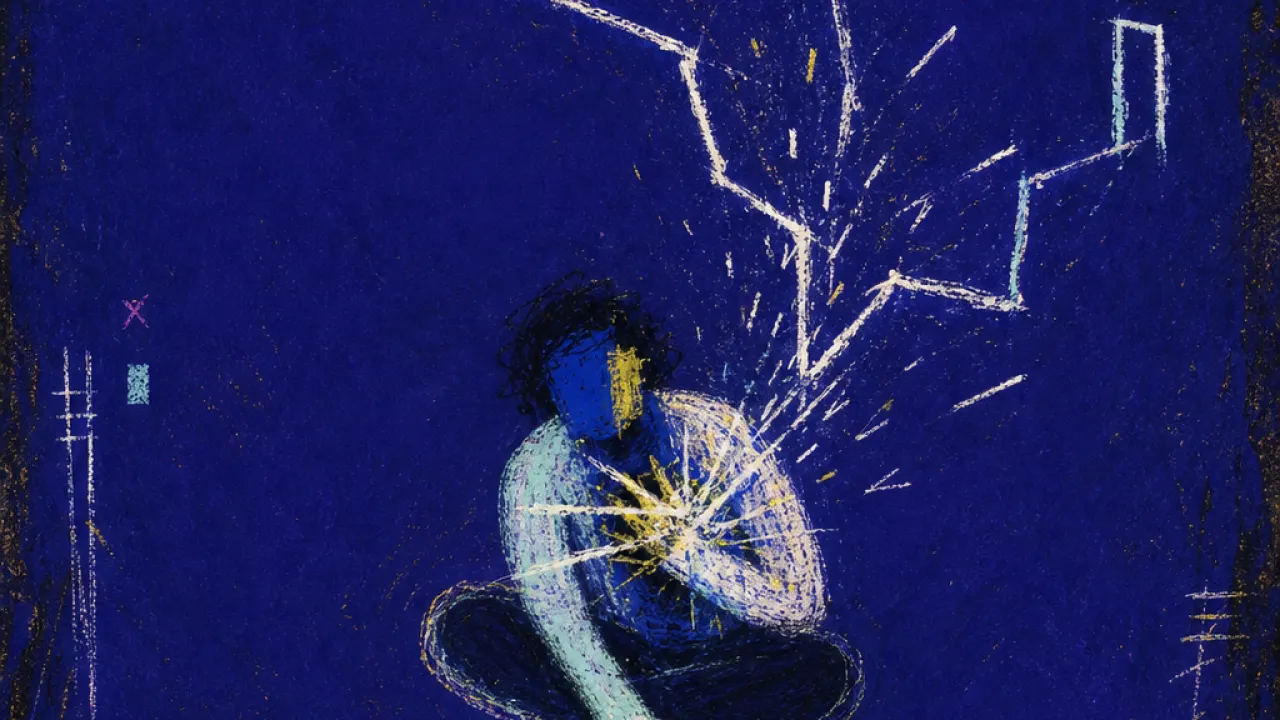
What does this feel like?
Ease-Safety Split — you are sitting on the edge of your bed on a free morning, phone in hand, with nothing urgent waiting for you, and somehow that is exactly what makes your body tighten. You want the day to feel open, soft, unplanned, but the openness has no handles on it; there is no schedule to lean against, no clear next step, no small proof that everything is contained. So you start checking things: unread messages, your calendar, the weather, the balance in your account, the tone of a text you already replied to yesterday. It does not feel dramatic while it is happening. It feels practical, maybe even responsible, except your shoulders are up near your ears and your breath is sitting high in your chest. Part of you craves ease so badly you can almost taste it — the kind where you say yes without running five scenarios, where you rest without earning it first, where you can sit with someone you like and not monitor every shift in their face. But another part of you keeps a quiet hand on the emergency brake, because ease feels too much like letting go, and letting go feels too close to being caught off guard. You end up living in the small space between comfort and control, wanting your life to be lighter while building little walls around every moment that might actually let it be. The cost is not that you never relax; it is that relaxation arrives with a guard posted at the door, much like the figure on the Nine of Wands, bandaged and upright, gripping the last barrier between themselves and a world they cannot quite trust enough to soften into.
What's pulling at you?
You're caught between the part of you that wants life to feel easier and the part that only settles down when everything is checked, planned, and controllable. Ease starts to feel like exposure, while safety starts to feel like a room with the windows sealed shut. So you keep choosing the thing that protects you, even when it also keeps the lighter version of your life just out of reach.
How It Shows Up?
- You wake up on a Saturday with no plans, and instead of relief, your hand reaches for your phone to check messages, weather, bank balance, calendar, anything that proves the day has edges. Your chest feels oddly tight for a morning with nothing wrong in it, and your shoulders stay lifted as if the room might ask something from you at any second. A blank day can feel less like freedom and more like standing in an open field with no map; it is allowed to take one small anchor without turning the whole day into a checklist.
- A friend says, "Let's just see where the night goes," and you smile because you want to be that easygoing version of yourself, but your stomach drops before you can answer. You start calculating rides home, cost, timing, who will be there, whether you can leave without making it weird, and your jaw tightens while everyone else seems already inside the fun. You can want spontaneity and still need a clear exit; those two needs can sit in the same body for a while.
- At work or school, someone says a deadline is "pretty flexible," and the word flexible makes your brain louder, not calmer. Your tabs multiply, your breathing gets shallow, and you keep refreshing the thread for details that never come, like you are standing behind the crossed arms of the Two of Swords, waiting for one clean signal before you move. It is reasonable to ask for the next concrete step when vagueness starts taking up the whole room.
- You are lying in bed after a good day, the kind of day you are supposed to enjoy, and your mind starts scanning for what you missed. Did you say too much at lunch, spend too much, forget an email, misread someone's tone? Your hands rest on your stomach, but your fingers are tense, and ease slips away the second you notice it, as if being okay is something you have to supervise. You do not have to solve every loose thread before your body is allowed to unclench.
- You are in a group setting, maybe at dinner or in a shared kitchen, and someone teases you lightly, with no edge in their voice, but your face freezes for half a second before you laugh. Heat rises under your collar, your throat narrows, and you start choosing every word with the care of someone stepping across a narrow bridge, even though the room is warm and no one is asking you to perform. It is fine to let your response arrive slowly; ease does not have to look effortless from the outside.
Ease-safety Split in Tarot Cards
Ease-Safety Split lives in the moment when a blank Saturday or a flexible plan should feel freeing, but your body starts checking for exits instead. The tight chest, raised shoulders, and narrowed throat show how quickly ease can turn into exposure when safety depends on control. From an existential perspective, the structural framework here is the cost of needing life to feel secure before it can feel light. These Tarot Cards reflect the visible outline of that split.
Ease-safety Split in Tarot Card Reading Insights
Ease-Safety Split is the experience of wanting a lighter life while still needing proof that nothing will slip out from under you. Others bring this into readings when spontaneity, rest, or closeness starts feeling strangely hard to stay with. Tarot Reading Insights from sessions on this pattern.
From Overworking for a Permanent Offer to Sustainable Scope
Topic:Timing Tarot Reading
Struggle:Forced Blooming Trap
Context:Always On Availability

Three Roommate Chats, One Easy Yes: Reopening the Comparison Sheet
Topic:Lifestyle Tarot Reading
Struggle:Unspoken Expectation Load
Context:Unspoken Expectations Gap

Decluttering Procrastination: Forty Minutes of Research, One Boundary
Topic:Lifestyle Tarot Reading
Struggle:Identity Shedding Strain
Context:Minimalist Transition

Promotion Anxiety After Chaos Reframed by One Handoff and a Calm Week
Topic:Career Tarot Reading
Struggle:Support Access Split
Context:First Manager Transition

Living Out of Boxes After the Move: One Way to Stop Staying Ready
Topic:Personal Growth Tarot Reading
Struggle:Comfort Entrapment
Context:Adulting Performance Pressure

Putting the Chocolate Back—and Giving Current You a Fair Share
Topic:Introspection Tarot Reading
Struggle:Permission Paralysis
Context:Hustle Culture Trap

From Peace Feeling Suspicious to Trusting Calm a Little Longer
Topic:Family Tarot Reading
Struggle:Vigilance-Connection Split
Context:Secure Attachment Rehearsal