When Closeness Wants Access

Explore the pressure of family disclosure, related tarot cards, and reading insights on privacy, closeness, and adult boundaries.

Family Privacy Negotiation
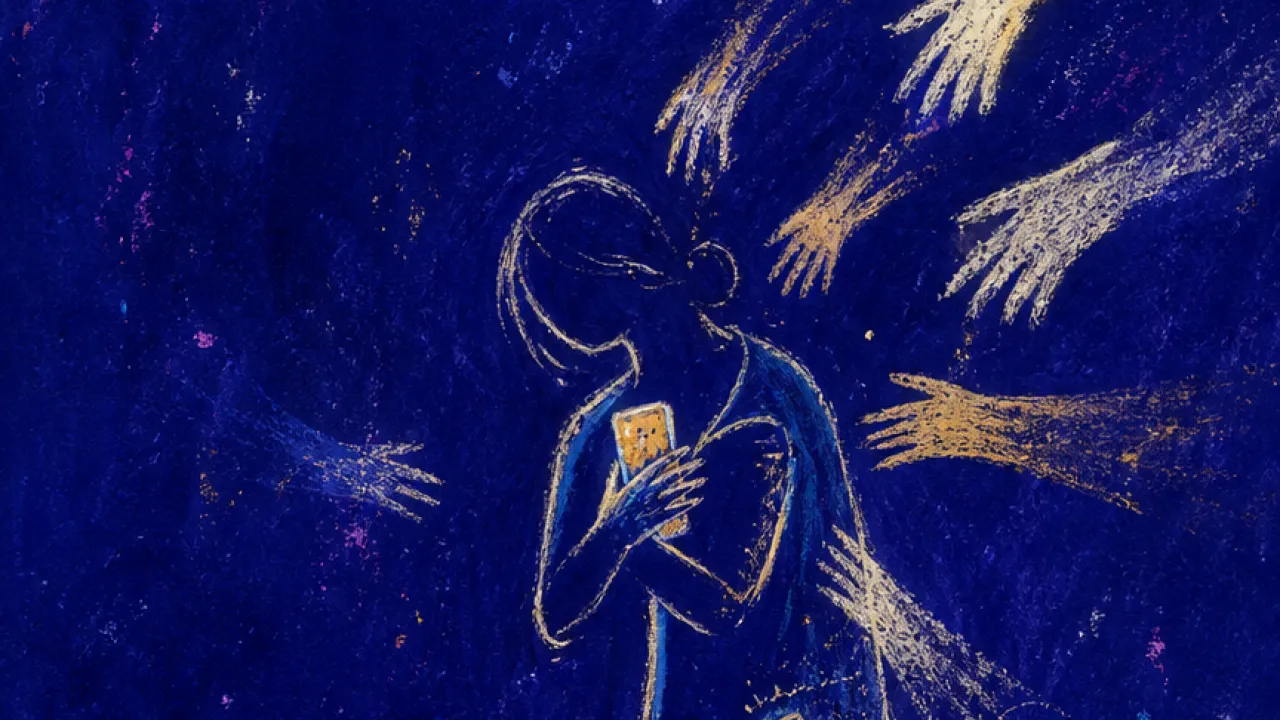
What is this situation?

Family Privacy Negotiation — you are not just deciding what to tell your family; you are managing a daily stream of questions, expectations, and quiet checks around your adult life. It may start with one casual text asking where you are, who you are with, or why you did not answer sooner, then widen into relationship updates, spending choices, work plans, living arrangements, travel details, beliefs, therapy, friendships, or anything that can be folded back into the family conversation. At dinner, someone asks in front of everyone because privacy is treated like avoidance; on the phone, a parent frames constant access as care; in the group chat, a sibling repeats something you shared once and suddenly it belongs to the room. You learn to edit before you speak, to give enough detail to avoid suspicion but not enough to invite commentary, and to keep certain parts of your life off the shared channel because openness has often turned into advice, comparison, pressure, or review. The power dynamic is subtle because the language is usually love, worry, tradition, closeness, or “we just want to know,” but the effect is that your choices become available for inspection before they have had time to belong to you. Your body starts responding to the notification preview before your mind has formed an answer: shoulders lifting, chest tightening, thumb hovering over the reply box as if every sentence needs a privacy filter. Over time, connection can begin to feel conditional on being readable, reachable, and explainable, much like the High Priestess holding a partly hidden scroll in her lap: the information exists, but it is touched, veiled, and not automatically open to everyone standing at the threshold.

Why it's not you?

The issue is not that you are cold, secretive, or difficult to love; the issue is a family environment that treats access to your private life as proof of closeness. Repeated questions, group-chat exposure, location checks, and pressure for updates are external patterns, not personal failures. Privacy is not a rejection of connection; it is the line that keeps connection from becoming inspection.

Family Privacy Negotiation in Tarot Cards

Family Privacy Negotiation often shows up when private adult choices keep getting pulled into the family conversation before you have chosen to share them. The tight chest before a call, the lifted shoulders around questions, and the phone held too carefully are part of the body-level record of that pressure. This is an environmental, structural dynamic around access: who gets to know, when they get to know, and whether closeness is being used as a passcode. The Tarot Cards below reflect that boundary line between being connected and being inspected.

The High Priestess Upright
The partly hidden scroll in the High Priestess's lap is not absent; it is held, touched, and deliberately veiled. Her position between the pillars creates a threshold where information exists, but access is mediated by timing, trust, and the right to know. In family life, that visual structure maps onto the pressure to make private adult choices available for inspection. You may be negotiating how much of your relationship, money, plans, or inner life belongs in the family conversation before it becomes raw material for judgment.
The Empress Upright
The heart-shaped Venus shield rests openly beside the throne, close enough to protect the figure but visible enough to become part of the shared scene. Her pearls, robe, and open garden make intimacy, communication, and identity publicly readable. That visual arrangement matches a family space where closeness is expected, but personal information needs clearer ownership. You may be asked for relationship updates, money details, location tracking, or emotional access under the language of care. Family Privacy Negotiation belongs here because the issue is not secrecy; it is whether the family system can recognize privacy as a valid adult boundary.
The Lovers Upright
The exposed figures stand in the garden without clothing, armor, or objects that could shield them. Yet they do not touch, and each body occupies its own side of the scene. The visual tension is not secrecy; it is the effort to remain visible without being owned. Inside a family system, that image maps onto the negotiation of adult privacy. You may be close to relatives, dependent on shared history, or still inside a familiar household pattern, while also needing parts of your life that are not open for inspection. The garden’s protection matters because privacy here is not a rejection of connection. It is the boundary that lets connection stay voluntary, selective, and adult rather than turning every relationship, decision, or personal detail into family property.
The Chariot Upright
The armored driver stands in an open-front vehicle: protected, visible, and still under the gaze of the surrounding order. The moat and city wall clarify boundaries, while the public stance keeps his role exposed. In family privacy negotiations, the central tension is not secrecy; it is who gets access to your interior life as a condition of belonging. The card makes that access problem visible, showing where information-sharing becomes a control route instead of mutual trust.
The Hermit Upright
The star is bright, but it is contained inside a lantern. The hood, beard, and gray robe keep most of the figure covered, so the image does not show total secrecy; it shows selective disclosure. Family privacy works through the same structure when relatives treat access to your life as proof of closeness. The card separates what can be shared from what must remain held, especially when questions about relationships, money, location, beliefs, or plans become a way to monitor rather than connect. The Hermit's light does not lose its value because it is protected by glass. In this context, the card reframes privacy as an adult boundary around information flow, not as betrayal of the family system.
The Star Upright
The nude figure is visible under a clear night sky, but she is not displayed as an object for others to manage. Her posture is self-directed, and the open landscape creates exposure without handing control of the scene to anyone else. That distinction is central to family privacy. The Star separates vulnerability from unlimited access: being honest, reachable, or emotionally open does not mean every detail of your life becomes shared property. The constellation above her adds another layer because visibility is organized, not invasive. For you, the card points to the need for a family privacy structure where information can be shared intentionally instead of extracted through guilt, questioning, comparison, or constant monitoring.
The Moon Upright
The moonlight reveals the path without fully exposing the landscape, and the two towers hold the far boundary like a checkpoint between what is known and what remains private. The dog, wolf, and crayfish each occupy a different zone, creating a family field where closeness does not automatically mean full access. In a family context, this visual structure maps onto the difficult work of deciding what information belongs to the household and what belongs to your adult life. You may still be connected to parents, siblings, or relatives, but connection does not require open surveillance of your choices, messages, money, relationships, or plans. The card links this context to the need for clear visibility without total exposure. It frames privacy as a boundary architecture, not secrecy for its own sake, and it helps you see where family concern has become a claim on information that no longer belongs to everyone.
The Sun Reversed
The naked child stands under a sun that leaves almost no shadow, while the stone wall keeps the scene contained. Nothing in the image is hidden: the body, the flag, the flowers, and the movement are all exposed to the same bright field. Inside a family system, that much light can become a demand for disclosure. Parents or relatives may treat your location, relationships, finances, feelings, or plans as shared property, reading privacy as distance and distance as disloyalty. The card makes the privacy problem concrete rather than vague. The issue is not whether family connection exists; it is whether connection has become dependent on being fully legible to people who do not automatically have the right to every detail.
Queen of Cups Upright
The Queen sits on a narrow shore with water around her, an ornate closed cup in her hands, and a wall cutting off the view behind her. Nothing in the scene is chaotic, but access is carefully staged: the cup is held close, the throne frames her body, and the shoreline marks where contact begins and ends. That visual structure mirrors the family problem of privacy becoming a negotiation instead of a given. You may be trying to decide what parts of your inner life, relationship status, money choices, home plans, or emotional process relatives are allowed to know, while the family system treats limited access as suspicious. The card does not frame privacy as withdrawal. It shows privacy as a container: a necessary boundary that lets care stay intact without turning every feeling into family property.
Two of Pentacles Upright
The infinity cord gives the two pentacles a visible rule: whatever moves on one side affects the other. The figure has room to move, but only inside the reach of that loop, and the scene offers no enclosed private chamber around the performance. That visual structure fits a family privacy negotiation because information does not remain neutral inside some households. A dating update, a salary detail, a location change, or a future plan can become part of the family system's ongoing circulation of questions, opinions, and pressure. The card does not frame privacy as disappearance. It shows privacy as the amount of space required for movement to stay coordinated, so you can remain connected without turning your whole adult life into a family-managed object.
Two of Swords Upright
The blindfold, crossed arms, and covered chest create a scene where access is deliberately limited. The woman is not absent from the world around her, but she controls what can reach her and what can be read from her. Family privacy negotiation lives in that narrow defended space. You may be deciding how much to share about your relationship, money, work, identity, plans, or daily routines with people who are used to treating closeness as full access. The card turns privacy into a boundary of information rather than a sign of secrecy. It shows that the timing, amount, and audience of disclosure are part of the structure being negotiated.
Seven of Swords Upright
Tiptoeing away from the tents with five exposed swords, the figure moves through a field where direct access is unsafe and timing matters. The two swords left behind create a visible boundary at the camp edge, showing that not everything can or should be carried into the open at once. In a family privacy negotiation, that image becomes a structure of selective disclosure. You may be managing what relatives know because previous openness turned into pressure, commentary, or control. The card does not romanticize secrecy; it separates privacy from avoidance. It shows the exact point where a family system treats your inner life as shared property, and where reclaiming access becomes a practical act of self-definition.
Page of Swords Upright
Wind, birds, and the lifted sword make the Page of Swords a card of information moving through open air. Nothing in the landscape is enclosed; privacy has to be created through stance, timing, and selective disclosure rather than through walls. In a family setting, You may be deciding what relatives are entitled to know and what belongs to Your adult life. The card links this context to the tension between communication and exposure: the same channels that keep family contact alive can also become routes for intrusion when boundaries are not defined.
Queen of Swords Upright
The Queen's sideways seat, throne arms, and upright sword make privacy visible as a perimeter, not a mood. She is present, but the angle of her body controls how close others can come and what kind of access is permitted. That visual boundary fits a family environment where private information often becomes shared property. Dating choices, money, work plans, living arrangements, and personal routines can be pulled into the family court unless a new perimeter is stated and maintained. For You, this context names the pressure of deciding what is discussable and what is not. The card gives privacy a structure: not secrecy, not rejection, but a defined adult space that does not have to be opened for inspection every time someone asks.
King of Swords Reversed
The King's forward-facing gaze and raised sword create a line of inspection across the whole scene. With no armrests and an open field around the throne, the body looks exposed from the front while still trapped inside the authority of the seat. Family privacy negotiation lives in that exposed geometry. Your choices, relationships, phone habits, spending, or living arrangements can become material for family review, even when they belong to adult life. The card reveals the difference between healthy transparency and a household structure that treats access to your inner world as proof of loyalty.
Queen of Wands Upright
The Queen faces forward with a sunflower in view, while the black cat stays low between the throne steps and her feet. The card shows two zones at once: what is offered openly and what remains guarded. That visual split is the core of family privacy negotiation. In adult family life, not every detail of dating, money, location, therapy, friendships, work plans, or daily choices belongs in the shared family channel. The sunflower can stay visible without giving the whole interior away. This context fits the card because the throne creates privacy inside exposure. You may still speak, visit, and remain warm, but the black cat marks the protected material that does not need to be explained into approval. The work is to decide what information builds connection and what information only invites control.

Family Privacy Negotiation in Tarot Card Reading Insights

When Family Privacy Negotiation is the background, people often bring questions about disclosure, family access, and adult boundaries into readings. The focus shifts from the cards themselves to what came up when this situation entered the room. Tarot Reading Insights from sessions on privacy, closeness, and information control.

Psychological contexts related to Family Privacy Negotiation