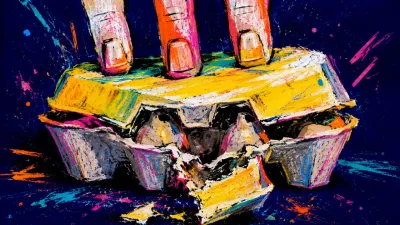
Why Does Ease Feel Exposing?

Explore the exposed feeling of wanting ease, the Tarot Cards that mirror it, and related Tarot Reading Insights.

Soft Life Shame

What does this feel like?

Soft Life Shame — you feel it in the small flinch that arrives right after wanting something gentle: a slower morning, a prettier room, better food, more rest, a life that does not require you to look exhausted before you are allowed to need care. Your body may soften for half a second, then tighten again, as if pleasure has been caught on camera and now has to explain itself. You might hover over a purchase, a nap, a quiet weekend, a less punishing routine, and hear the inner voice start building a defense before anyone has even accused you of anything: Is this too much? Have I earned this? Will people think I am unserious if I choose the easier path? The shame is not loud at first; it is a warm pressure in the face, a guarded feeling in the chest, a habit of shrinking your comfort so it does not look like you are asking for too much. You may downplay what feels good, joke about being lazy, over-explain why you need rest, or keep a small performance of struggle running in the background so your softness seems acceptable. Even when no one is watching, you can feel watched, as if your ease has been placed in a display case under bright light. What you want is not extravagant, necessarily; sometimes it is just a clean bed, a gentle schedule, a candle on the desk, a body that is not always proving its worth through strain. But the moment softness becomes visible, something in you braces, much like The Empress seated among red cushions, pearls, loose fabric, and a bright garden, with comfort in full view and no apology built into the scene.

Why you're feeling this?

Soft Life Shame makes sense when part of you has learned to treat ease as something that needs permission. The feeling is not proof that your desire for comfort is wrong. It is a signal that softness matters to you, even when receiving it feels exposed.

Soft Life Shame in Tarot Cards

That tight blush you feel when you want rest, beauty, and ease without building a defense for it — Soft Life Shame has a very specific texture. It can sit in the throat, in the shoulders, or in that guarded pause before you let yourself enjoy something gentle. This is a universal emotional experience: the body reaching toward softness while the mind checks whether softness is allowed. The Tarot Cards below mirror that exposed, defended, quietly desired shape of ease.

The Empress Reversed
The Empress sits in softness without apologizing for it: loose fabric, red cushions, a garden, and a shield marked with Venus. When the inner atmosphere tightens, those same textures can feel too visible, as if pleasure itself has become evidence to be defended. Soft Life Shame appears when personal growth culture has taught your body to distrust ease. The card exposes the emotional bind of wanting a gentler life while still measuring your worth by how much strain you can display.
Ace of Cups Reversed
The jewel-covered cup, white dove, and clean lilies make softness look almost ceremonial, as if receiving care should happen in a perfectly worthy state. The hand is delicate, not forceful, which makes the whole scene depend on careful holding rather than conquest. Within lifestyle questions, Soft Life Shame appears when ease is available but your inner standards make it feel suspicious. You can see the cup being offered, yet part of you still scans for proof that you have done enough to deserve a slower, gentler structure.
Nine of Cups Reversed
The Nine of Cups is rich with sensory ease: warm color, decorative dress, and a full row of cups lifted behind the seated figure. Yet the body remains guarded, as if pleasure can be visible only when it is also defended. Soft Life Shame enters through that guarded pleasure. In families where sacrifice, endurance, or constant usefulness became proof of worth, wanting ease can feel emotionally risky, even when nothing in the present moment is being taken from anyone. The reversed card catches the shame before it turns into self-erasure. It shows that comfort is not the problem; the pressure comes from an inherited emotional economy that treats softness as something you must justify before you can inhabit it.
Ten of Cups Reversed
The Ten of Cups is full of ease: open bodies, green land, a sheltered home, and a gentle emotional atmosphere overhead. Nothing in the image appears to demand strain as proof of worth. In personal growth, that softness can expose a belief that ease is suspicious. When your identity has been organized around effort, discipline, and constant upgrading, a gentler life may trigger the feeling that you are getting away with something or falling behind because you are no longer suffering visibly. Soft Life Shame fits the reversed card because the scene’s comfort becomes emotionally complicated. The image asks whether the self can receive safety without converting it into guilt, and whether growth can include softness without needing pain as a receipt.
Page of Cups Reversed
Pink cloth, blue water tones, flowers, and a careful cup make this Page visibly soft, but the pose is still shaped by duty. He is gentle and responsible at the same time, holding something delicate without being allowed to disappear into ease. That tension becomes sharp in lifestyle questions when wanting more rest, softness, beauty, or spaciousness starts to feel embarrassing. You may know that your body needs a gentler rhythm, while another part of the system treats that need as a threat to seriousness. Soft Life Shame fits the Page because the card shows tenderness under observation. The feeling is not about laziness; it is the blush that appears when your daily blueprint has not yet learned to respect softness as a valid form of structure.
Ace of Pentacles Reversed
The card's garden is soft, green, and protected, while the pentacle is polished and weighty. Reversed, that combination can turn comfort into a charged object, something beautiful that still feels like it has to be earned, defended, or explained. Soft Life Shame appears when ease triggers self-surveillance. In lifestyle questions, this emotion often sits under the desire for a calmer home, better rest, nicer food, gentler routines, or a more supportive physical environment. The card reveals that the shame is not proof that comfort is excessive. It is a signal that your inner system may still be treating care as a reward for endurance rather than a condition that helps you stay resourced.
Six of Pentacles Reversed
The torn blue cloth revealing red beneath makes need feel physically exposed, while the open hand turns that exposure toward someone who holds the resource. The card does not hide vulnerability; it places it in the center of the exchange. In lifestyle tarot, this image maps onto the shame that can appear around wanting ease. A cleaner home, fewer obligations, better sleep, paid help, slower mornings, or a less punishing routine may all be reasonable, yet the act of wanting relief can feel like being seen in a place you would rather keep covered. Soft Life Shame is the sting that appears when comfort feels morally suspicious. The card helps separate the desire for a sustainable life from the internal gaze that treats softness as something you have to earn under observation.
Nine of Pentacles Reversed
The embroidered robe, ripe fruit, gold disks, slow snail, and manicured garden give the scene a deliberately softened texture. The card lets beauty, ease, and slowness take up visible space without apology. Soft Life Shame appears when family stories glorify struggle so intensely that wanting calm feels embarrassing. The Nine of Pentacles reflects the hidden conflict between the life your body wants to inhabit and the inherited script that says comfort must be earned through visible hardship.
Queen of Pentacles Reversed
The Queen sits inside visible ease: a fertile garden, roses, flowing water, and a carefully held pentacle. Yet her gaze turns downward, fixed on what she holds, giving the scene a private inward charge rather than an uncomplicated display of enjoyment. Soft Life Shame forms when abundance is present but cannot be received without self-questioning. The card's visual field offers comfort and stability, while the concentrated gaze suggests the mind still checking whether this ease is deserved, responsible, or allowed. For introspection, this emotion names the hidden friction around softness. You may want a slower, gentler, more supported inner life, but a self-monitoring part keeps treating that desire as indulgent. The card reflects the audit point where receiving care becomes emotionally harder than enduring strain.

Soft Life Shame in Tarot Card Reading Insights

Soft Life Shame often follows people into readings when rest, beauty, comfort, or a gentler pace feels harder to receive than strain. These readings turn from the cards themselves toward the moments where others brought that same embarrassed wanting into the spread. Tarot Reading Insights for Soft Life Shame.

Psychological emtions related to Soft Life Shame