Why Are You In The Middle?

Explore this friendship pressure pattern, the tarot cards that mirror it, and tarot reading insights from similar readings.

Friend Group Triangulation
What is this situation?

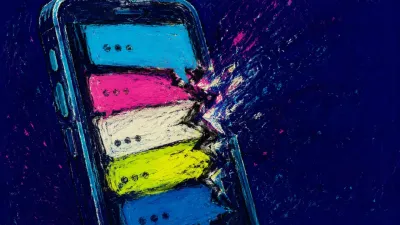
Friend Group Triangulation — you notice it the first time one friend says, "Don't tell them I said this," and then waits for you to react as if the conversation is private when it is clearly about someone else in the group. It usually starts small: a late-night voice note, a screenshot sent without context, a casual "Did they mention me?" after brunch, a group chat that goes oddly quiet after one person replies. Then the routes multiply. One person vents to you instead of speaking directly to the person involved; another asks whether you are "still cool" with them; plans get made in smaller chats before appearing in the main one; invitations start to carry signals about who is aligned with whom. You are not given a clean disagreement to respond to. You are handed fragments, tone readings, partial histories, and side comments, then expected to hold them carefully enough that nobody can accuse you of choosing wrong. The group may still look friendly from the outside, with birthday posts, shared jokes, and weekend photos, but underneath it the conflict is moving through indirect channels. Your phone becomes the place where everyone else's unfinished conversation lands. You start checking who has seen what, who knows which version, who will be upset if you reply too warmly, who will read silence as betrayal. The exhausting part is not only the conflict; it is being placed at the crossing point of it, asked to translate, soften, carry, and absorb tension that the people involved are not bringing to each other, much like the Three of Swords, where separate blades enter from different angles and force one heart to hold the impact of all three lines.

Why it's not you?

The problem is not that you are bad at friendship, disloyal, or making things complicated. The group structure is complicated because conflict is being routed through side chats, selective disclosures, and messenger roles instead of direct conversation. That pressure belongs to the way the group is operating, not to your worth as a friend.

Friend Group Triangulation in Tarot Cards

Friend Group Triangulation is not just a messy social moment; it is the repeated routing of conflict through side chats, selective updates, and loyalty tests instead of direct contact. The tightness in your shoulders when another message arrives is part of the pattern, because your body is being placed where the group keeps sending unfinished tension. This is an environmental, structural dynamic shaped by how information moves, who gets access, and who is expected to hold the middle. These are the Tarot Cards that tend to mirror the outline of this situation.

The Chariot Reversed
Two sphinxes face different directions while one driver stands between them, trying to hold a single line of movement. The absence of reins makes the central position more exposed: the body is expected to coordinate forces that are not actually connected through a workable channel. In a friend group, that becomes triangulation when two people or subgroups pull you into the middle instead of addressing each other directly. You are not just choosing between personalities; the structure is asking you to become the steering mechanism for a conflict that belongs between them.
Wheel of Fortune Reversed
The wheel is touched by three dominant figures at different points: one perched above with a sword, one lifting from below, and one pulling down the side. The center becomes a contested object, with force moving through indirect positions instead of a straight line. In a friend group, that maps to tension being routed through side chats, alliances, and shifting status instead of direct repair. You are looking at a social mechanism where the issue keeps turning because each person is managing the wheel from a different angle.
Justice Reversed
Justice sits between two pillars with both arms extended, but the curtain behind the scene blocks what happens out of view. Reversed, that arrangement fits a friend group where direct speech is replaced by side channels, relayed messages, partial screenshots, and selective updates. The visible balance can be misleading because the access is uneven. You may be asked to respond to a version of the conflict that has already passed through other people's framing, and the card exposes the hidden route as part of the situation itself.
The Devil Reversed
The two chains do not connect the figures directly to each other; they meet through the same ring on the cube. The composition turns relationship into routing, with the central structure controlling how contact passes between people. In a friend group, that visual logic becomes triangulation: side messages, alliances, and messenger roles replace direct repair. You may be pulled into carrying someone else's tension because the group has learned to move conflict through intermediaries instead of facing the person involved.
The Tower Reversed
The two falling figures split to opposite sides of the tower while sparks scatter around them. The center cannot hold the scene together, so every fragment starts to define itself by its distance from the others. That geometry mirrors friend group triangulation, where a direct conflict becomes a loyalty field and You are pulled into positions that were created by other people's rupture. The card helps name the structure: the real pressure is not only which friend is right, but how the group has turned division into the organizing force.
The Moon Reversed
Two animals stand on opposite sides of the path, both reacting to the same moon while the central route runs between them. The scene creates a triangle of signal, reaction, and passage rather than a direct line of movement. In a friend group, this becomes the structure of being placed between two people, two subgroups, or two versions of the story. Information travels sideways, loyalty gets tested through implication, and the person in the middle becomes the path everyone uses without naming the pressure. The Moon shows triangulation as a social geometry. You are not just caught in drama; you are being positioned inside a communication pattern where indirectness gives other people leverage.
Two of Cups Reversed
The caduceus does not sit beside the pair; it stands between them. A third symbolic structure occupies the center of a two-person exchange, splitting the direct line that the cups are trying to create. That spatial interference fits friend group triangulation. You may be dealing with an issue that belongs between two people, but it is being routed through group chats, mutual friends, side comments and alliance signals, so the original bond becomes harder to repair directly.
Three of Cups Reversed
Three bodies create a triangular social field, and every gesture of attention can travel through more than one route. When the exchange is blocked, the toast no longer circulates cleanly; approval starts moving through side channels. In friendship, this looks like one person becoming the messenger, one pair becoming the real alliance, or the group processing tension through screenshots, subtweets, private chats, and selective invitations. You may be dealing with a conflict that is not direct enough to resolve because it keeps being redistributed across the triangle. The card's three-person structure makes this context especially exact. The problem is not closeness itself; it is the way closeness can become a pressure system when direct communication is replaced by indirect positioning.
Page of Cups Reversed
The Page and the fish face each other across the cup, forming a tight exchange that excludes the rest of the landscape. In reversal, that closed loop can become less like intimacy and more like a message circuit that keeps attention trapped between partial disclosures. Friend group triangulation works through that same circuit. One person brings a feeling, complaint, or secret to a second person in order to affect a third, and the group starts operating through interpretation rather than direct contact. The card makes the indirectness visible. You are not simply dealing with gossip or awkwardness; you are dealing with a social system where the cup becomes the relay point, and the first structural move is to identify who is carrying whose message.
King of Cups Reversed
The King is centered while the boat and dolphin move separately on either side of the water. In the reversed texture, the scene stops reading as calm navigation and starts resembling a network where emotional movement passes through indirect channels. That is the architecture of friend group triangulation. Instead of the people in conflict speaking directly, one person becomes the hub for screenshots, side conversations, loyalty checks, and selective context. The card clarifies why this can feel so hard to exit: the central position looks powerful, but it also traps you inside everyone else's unfinished repair. Seeing the triangle is the first structural move toward refusing to be the route through which the group avoids direct accountability.
Two of Swords Reversed
The two swords do not point toward a single opponent; they create a split field around the seated body. The figure is held between directions, with land, water, island, and distant shore arranged as separate zones that do not easily speak to one another. In a friend group, that geometry becomes triangulation: one person tells you their version, another waits for your loyalty, and the group’s real conflict gets routed through private messages, screenshots, and side alliances. You are positioned as the stabilizer of a tension that belongs to the wider social system. The blindfold intensifies the trap because the available information is partial by design. The card exposes the hidden structure: you are being asked to choose a side before the actual issue has been brought into direct contact.
Three of Swords Upright
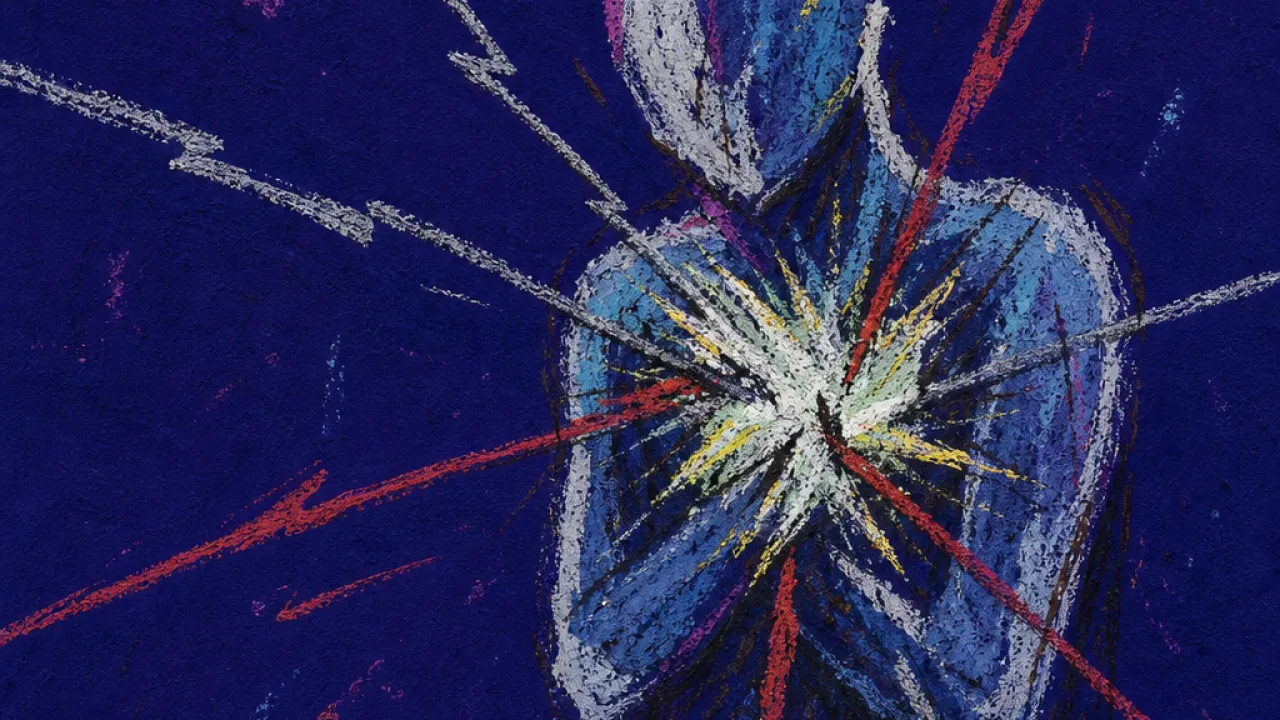
Three separate blades enter from different directions and meet inside the same heart. That geometry is the visual logic of triangulation: several lines of pressure are routed into one central bond until private loyalty, side conversations, and group positioning become impossible to separate. You are dealing with more than one friend's opinion. The card reveals a social arrangement where the friendship circle has made one point carry multiple conflicts, and clarity begins by separating which tension belongs to which relationship instead of absorbing the whole pattern as one wound.
Five of Swords Reversed
Three people occupy the same conflict field but none of them face one another directly. The swords lie between them like messages that have been dropped, redirected, or collected by someone else before they can become a clean exchange. That geometry is the social logic of triangulation in a friend group. Instead of direct repair, the conflict travels through side chats, mutual friends, and loyalty tests, leaving You positioned inside a network of indirect pressure rather than a conversation with the person actually involved.
Seven of Swords Reversed
The image is split into three active zones: the organized camp, the lone carrier, and the open ground beyond. Swords move through one body rather than through a shared process, so the social charge is routed through an intermediary instead of being faced directly. This is the friend group logic of triangulation. You become the passage for comments, screenshots, interpretations, or loyalty checks that should have stayed between the people involved. The card makes the hidden cost visible: when a group refuses direct contact, the messenger becomes the pressure point.
Eight of Swords Reversed
The woman is placed between separate clusters of swords, with some blades near the castle side and others close to her body. The arrangement creates divided pressure points instead of one clear obstacle, and her blindfold prevents her from seeing which direction the pressure is coming from. Friend group triangulation operates through that same divided geometry: side chats, selective updates, indirect complaints, and emotional errands passed through the person in the middle. You are not just managing drama; You are standing inside a communication layout that turns distance, secrecy, and unclear authority into the real problem.
Nine of Swords Reversed
The swords line up like parallel tracks above one isolated person, while the conflict on the bed frame is displaced into a separate scene below. The pressure is not happening through one clean channel; it is layered, indirect, and staged across different surfaces. That is why the card fits Friend Group Triangulation. In a circle, conflict can move sideways through screenshots, private briefings, selective sympathy, and coded loyalty tests instead of meeting the person directly involved. The visual split between the seated figure and the carved dispute shows how the central issue can be kept near you while still being kept away from direct repair. This card does not make the group the enemy; it maps the indirect routing that turns friendship tension into a social maze.
Page of Swords Reversed
The Page’s sword and gaze do not face the same direction. One line of attention points outward, another checks behind, while birds and wind carry movement across the background without creating a direct channel. That split is the visual logic of triangulation in a friendship circle. A conflict that belongs between two people starts moving through mutual friends, side chats, screenshots, selective updates, or someone acting as the unofficial messenger. The card makes the cost of that structure clear. You are not only dealing with the original issue; you are dealing with the distortion that happens when information has to pass through extra hands before it reaches the person who can actually respond.
Five of Wands Reversed
The figures in Five of Wands do not face a single shared opponent. Their angles cross, their tools interrupt one another, and the eye cannot settle on one clean line of conflict. That scattered geometry mirrors triangulation inside a friend group. A disagreement that could have stayed between two people gets routed through third parties, side conversations, loyalty tests, and shifting interpretations until nobody is only speaking for themselves. You are seeing a social map with too many indirect lines. The card makes the hidden cost visible: the original issue becomes harder to solve because the group is now managing positions, alliances, and reputational risk at the same time.
Seven of Wands Reversed
The people holding the lower wands are hidden, yet their pressure still reaches the central figure. That matters because the conflict is not fully face-to-face; force travels through intermediaries, angles, and unseen positions. Friend group triangulation works through the same offscreen mechanics. You may be dealing with mutual friends carrying messages, people taking sides before speaking directly, or a disagreement that expands through side conversations until the original issue becomes harder to locate. The figure's isolated height shows how triangulation can make one person visible while the wider network stays partially concealed. The card anchors this context as a pressure system where clarity begins by separating direct conflict from the extra wands others have added to it.
Queen of Wands Reversed
Behind the Queen, two lions face each other around a dark crossing mark, while the seated figure remains between the viewer and the symbolic tension. The image gives conflict a third point: attention is not moving cleanly from one side to the other, but through a charged center. That is how triangulation works inside a friend group. Instead of direct repair, messages pass through you, loyalty gets tested through side conversations, and the group's real tension is carried by whoever is most available to mediate. The card exposes the hidden geometry so you can see the pressure line rather than absorbing it as your personal responsibility.

Friend Group Triangulation in Tarot Card Reading Insights

When Friend Group Triangulation turns a friendship circle into side channels and loyalty signals, people often bring that exact middle-position pressure into readings. The focus shifts from the cards themselves to what appears when someone asks about a group conflict that keeps moving through them. Tarot Reading Insights from sessions on this kind of friendship pressure are collected below.
Psychological contexts related to Friend Group Triangulation