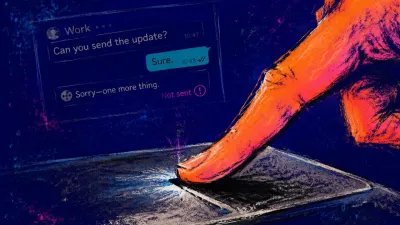
What Will This Choice Cost?
Explore Consequence Lock through grounded struggle language, related tarot cards, and reading insights shaped around choice and cost.

Consequence Lock
What does this feel like?
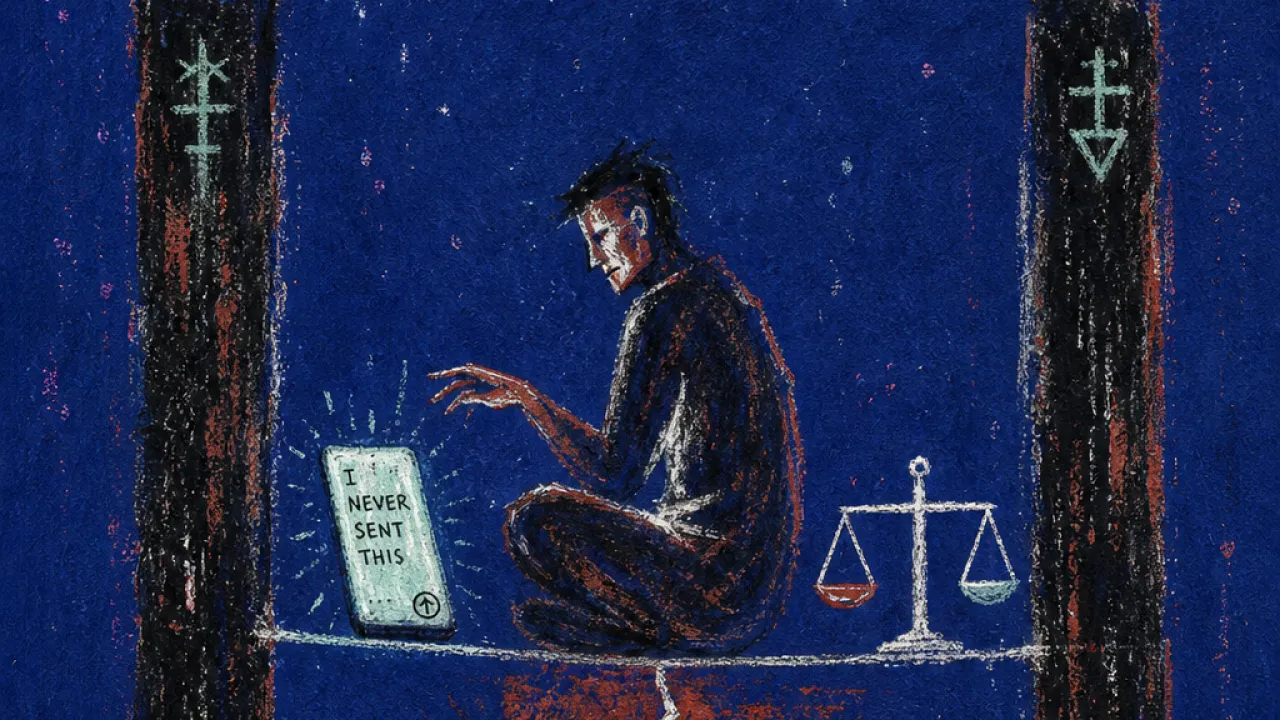
Consequence Lock — you know the facts, or at least enough of them, but your body still will not move, because the second you imagine choosing, the choice stops being a choice and becomes a sentence you might have to live inside. It can start with something ordinary: an email sitting in drafts, a job posting still open in another tab, a message you have typed and deleted three times, a relationship conversation you keep postponing because every version of honesty seems to create damage somewhere. Your hand hovers, your jaw tightens, your stomach pulls in, and the room gets strangely quiet around one question: what will this cost? You are not confused in the dramatic way people expect; you can often name the options, list the risks, and even explain what you probably want. The lock comes from what happens after that. You start measuring who may feel let down, what identity you would have to stop performing, what future would disappear the moment another one becomes real. Even relief feels complicated, because relief would mean admitting that one path was never going to come with you. So you keep holding the decision in the air, not because you want to suffer, but because not choosing still feels like the only way to avoid becoming the person who caused the consequence. Days pass in this suspended posture. You answer people vaguely. You keep collecting more information, then more information after that, hoping one clean fact will arrive and make the cost painless. But the deeper ache is that no amount of clarity can make a real choice leave nothing behind. What gets lost is not just time; it is trust in your own ability to move without turning every step into evidence against yourself, much like the figure on Justice, seated between two pillars with the scales level and the double-edged sword upright, holding still because every action has weight and every cut has two sides.
What's pulling at you?
You are not stuck because you cannot think; you are stuck because thinking has started to make every possible move feel heavier. Part of you wants the relief of choosing, and another part keeps tracking what the choice will close, who it may affect, and what it will say about you afterward.
How It Shows Up?
- You open your laptop to reply to a simple message, and suddenly the cursor feels like a blade hovering over the rest of your week. Your shoulders creep up, your breath gets shallow, and your fingers pause above the keys because every wording seems to create a different future you will have to stand behind. You can leave the draft open for now; a paused sentence is still a place you are allowed to breathe.
- You're talking with a friend or partner about what you want, and you can hear yourself softening every sentence before it fully lands. Your throat tightens, your tongue presses against the roof of your mouth, and you start scanning their face for the moment your choice might disappoint them. You don't have to turn the whole conversation into a verdict in one sitting; it can stay partial while you find your footing.
- At work or school, a decision sits on your calendar like a deadline with teeth: apply, quit, ask, submit, move, decline. Your stomach pulls in when the reminder pops up, and the back of your neck goes hot because it feels less like choosing a next step and more like signing away every route you did not take. It is okay to separate the next practical move from the entire life it seems to represent.
- You're out with people, and someone casually asks, 'So what are you going to do?' Everyone keeps eating, laughing, scrolling, but your body freezes for half a second as if the room has gone quiet around one question. Your chest feels compressed, your smile arrives a little late, and you give a polished answer while the inner scale keeps tilting behind your ribs. You can let the answer be temporary; not every public sentence has to become a permanent ruling.
- Late at night, you replay the options with the lights off, imagining who will be hurt, what will close, what version of you will be left behind. Your jaw locks, your hands go still under the blanket, and the ceiling above you starts to feel like the stone space between two pillars, with no movement allowed until every cost is counted. You can put the weighing down for tonight; rest does not erase responsibility.
Consequence Lock in Tarot Cards
Consequence Lock lives in the moment when a choice is clear enough to see, but every outcome feels heavy enough to stop your hand. You might notice it in the jaw locking at night, the chest compressing in public, or the shallow breath before one ordinary reply. From an existential view, the structural framework here is about movement turning into a ruling before you have even moved. The Tarot Cards below make that locked shape visible without explaining it away.
Consequence Lock in Tarot Card Reading Insights
When Consequence Lock turns one decision into a whole map of costs, other people bring that same stuckness into readings too. These readings follow the moment when choice, impact, and identity all arrive at the table together. Tarot Reading Insights for this struggle are collected below.
Protecting the Happy-Family Image: A Boundary Without a Showdown
Topic:Family Tarot Reading
Struggle:Belonging-Authenticity Split
Context:Emotional Suppression Culture
At 11:40 p.m., Three Criteria Tested a Good-on-Paper Offer
Topic:Choice Tarot Reading
Struggle:Value-Action Split
Context:Direct Communication Trial

Editing the Dealbreaker at 11:40 p.m.: From Exceptions to Action
Topic:Choice Tarot Reading
Struggle:Relational Boundary Drift
Context:Dealbreaker Reveal
A 'Mutual Mistake' Text, Then Leaving the Repair Where It Belongs
Topic:Love Tarot Reading
Struggle:Consequence Lock
Context:Care Reciprocity Test