When Being Seen Feels Unsafe

Explore the exposed, shrinking feeling behind Toxic Shame, related tarot cards, and tarot reading insights from sessions.

Toxic Shame
What does this feel like?

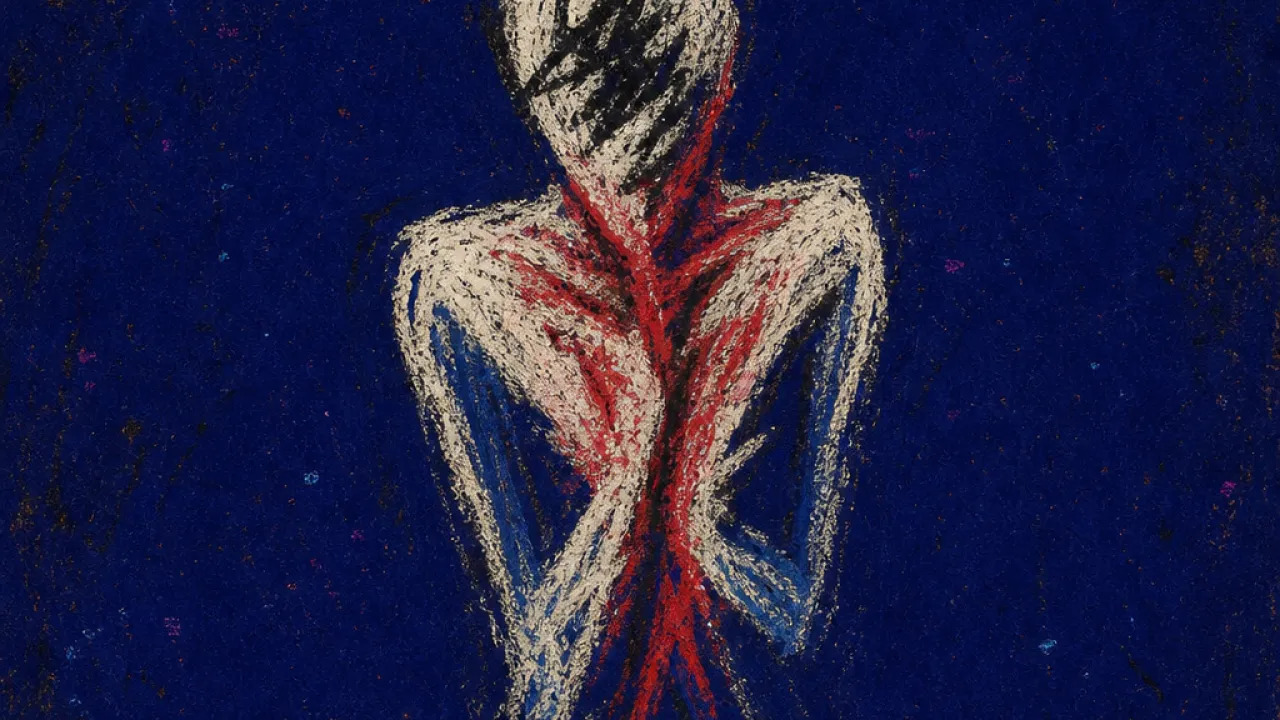
Toxic Shame feels like the room gets too bright inside your own body: your face heats, your throat tightens, and your stomach drops as if one exposed part of you has suddenly been made to stand for all of you. It can arrive after a want, a mistake, a jealous flash, a sexual thought, a messy text, or even a moment of needing too much, and then everything in you starts shrinking around it. Your shoulders fold in, your eyes avoid mirrors, your hands reach for your phone and then freeze, because every ordinary choice feels like it might reveal more than you meant to show. You keep replaying the moment, not to understand it, but to find the exact place where you became unacceptable; the inner voice gets small and sharp, asking, Why did I say that, why do I want that, why am I like this? The hardest part is how total it feels: a single reaction becomes a black stamp over your whole self, and even when no one is looking, you feel watched from the inside. Toxic Shame makes privacy feel like hiding and self-awareness feel like exposure, much like The Devil, where the naked figures stand under a raised hand with lowered gazes, their human wanting made painfully visible in a dark, enclosing field.

Why you're feeling this?

Toxic Shame isn't proof that something is wrong with your whole self. It is a human response to the feeling of being seen through a lens too harsh to hold nuance. Something in you is asking for privacy, dignity, and a measure that does not turn one exposed moment into your entire identity.

Toxic Shame in Tarot Cards

That hot face, tight throat, and dropping stomach are part of the way Toxic Shame marks the body before words catch up. This is a universal emotional experience, even when the details stay private and hard to say out loud. Tarot gives a visual language for the outline of that shrinking, exposed feeling without turning it into a final verdict. Here are the Tarot Cards that tend to mirror Toxic Shame.

The Devil Reversed
The naked figures stand exposed with small horns and tails, as if private impulses have been pushed onto the surface of the body. The inverted symbol, drooping torch, and black altar pull the whole scene into a downward concentration, where one visible mark can start to feel larger than the person carrying it. Toxic Shame forms when shadow material stops being one part of the inner landscape and becomes a total verdict on the self. In this topic, the card reflects the moment self-examination turns too harsh: you see an impulse, a fixation, or a hidden want, and the mind tries to convert that single detail into a full identity.
The Tower Reversed
The crown falls with the bodies, and the tower's broken top exposes what was once held above everything else. The image turns elevation into visibility, as if the highest self-image has been stripped of its protective distance. Toxic Shame enters when one exposed crack starts feeling like a verdict on the whole self. The card gives that collapse a boundary: it shows a structure breaking open, not a person becoming unworthy.
The Moon Reversed
The moon's face is closed, solemn, and downward-facing, with droplets falling through the night like suspended tears. Below it, the path is exposed in open space, as if the inner landscape is being lit from above without receiving warmth or shelter. Toxic Shame appears when self-observation turns into self-condemnation. In the reversed Moon, the inward gaze stops being a tool for clarity and becomes a harsh light under which every hidden reaction feels like evidence against the self. For introspection, this card separates the act of seeing from the act of attacking yourself for what is seen. The emotional audit becomes empowering only when shame is named as a distorting atmosphere, not accepted as the final truth of who you are.
Judgement Reversed
The pale figures are visible before they are free. They stand inside open coffins, surrounded by cold ground and encircling mountains, as if the old container has opened but has not stopped defining the body inside it. Toxic Shame appears here as a reversed Judgement state because exposure does not feel like release; it feels like being revealed in the place you most wanted to leave behind. The trumpet's call becomes hard to receive when the inner system translates visibility into contamination. In introspection, this emotion can make every old wound feel like a verdict on who you are. The card offers a cleaner mirror: what has been uncovered is material for recognition, not proof that the self is ruined.
Five of Cups Reversed
The spilled cups sit directly in the figure's line of sight, while every other stabilizing feature is pushed to the edge of awareness. The body does not simply notice the loss; it organizes itself around the nearest visible evidence of what went wrong. Toxic Shame appears when the inner audit turns an event into an identity verdict. You may feel as if one spill explains the whole self, even though the card quietly preserves other objects, other routes, and other capacities in the same field. The reversed Five of Cups makes that compression visible. It shows how self-blame can shrink the inner world until the damaged foreground becomes the only available reality, and it restores agency by separating the fact of the spill from the total meaning you have attached to it.
Seven of Cups Reversed
The veiled figure in one cup hides the self while the surrounding cups expose masks, status symbols, instinct, danger, and desire. The person before them faces this display without a visible face of their own, as if identity is being inspected through images rather than met directly. In the reversed texture, that inspection can harden into a painful inner verdict. Every symbol becomes something to compare against, explain, or defend, and the hidden self remains covered while the more performable parts of identity take up the visual field. Toxic Shame belongs here because the card shows the self encountering its own projections without enough warmth or grounding to metabolize them. You may feel as if each private desire proves something damaging about you, when the deeper structure is a hidden self asking to be seen without being put on trial.
Three of Swords Reversed
The reversed Three of Swords can make the pierced heart feel less like an event and more like an identity trap. The blades remain fixed in the center, and the heart has no body, face, or surrounding context to prove that it is more than the wound shown on the card. Toxic Shame grows from that compression. In introspection, old hurt can stop reading as something that happened inside you and start feeling like evidence against your core self. This card names the distortion without endorsing it. The wound is visible, but visibility is not the same as definition; seeing the structure clearly gives you room to separate pain from identity and reclaim a more accurate inner record.
Five of Swords Reversed
The figure’s smile does not erase the discarded swords around him. The whole scene remains exposed on a bleak shore, with the visible aftermath arranged around the body like evidence that cannot be put away. In personal growth, this image can turn inward as a harsh self-verdict after a mistake, relapse, or messy attempt at change. Instead of seeing a pattern that can be examined, the inner field starts treating the fallout as proof of personal contamination. Toxic Shame names the moment when self-audit stops producing clarity and starts producing self-erasure. The card’s value is in separating the visible damage from the total identity of the person standing inside it, returning agency to what can be looked at, repaired, or released.
Nine of Swords Upright
The woman hides her face completely, while the side of the bed carries a carved scene of one figure overpowering another. The image places private pain above an exposed record of domination, as if the room itself contains both the reaction and the source pattern. Toxic Shame fits this card because the feeling has turned inward and become totalizing. In a family setting, repeated criticism, comparison, dismissal, or emotional control can leave a person covering the face even when no one is physically present. The old gaze has become internal enough to activate in the dark. The card does not reduce you to that shame. It makes the mechanism visible: a family power pattern enters the private mind, and the self starts treating its own needs, anger, or separation as evidence of being wrong.
Reversed
The lowest blades visually strike through the heart, throat, and head, while the face collapses into the palms. The exposed carving on the bed frame keeps a hard old story visible beneath the sleeping surface, as if the private room itself has learned to repeat an accusation. Toxic Shame takes shape when a setback stops being one event and starts feeling like evidence against the whole self. In personal growth, this card names the inner weather where missed discipline, slow progress, or an old pattern becomes a statement about worth rather than information you can use.
Ten of Swords Reversed
The figure's face is hidden, but the back is completely exposed. The swords enter along the spine, the body's line of support, turning vulnerability into a harsh visual inspection rather than a shared human moment. Inside an introspective reading, this arrangement mirrors the feeling of being seen only through your most painful evidence. The mind looks at old choices, private failures, or hidden reactions and starts treating them as a full identity rather than as material to be understood. Toxic Shame is not the same as accountability. This card shows what happens when the inner audit loses proportion: the whole self lies under the weight of a single verdict, and the first movement back toward agency is separating what needs to be witnessed from what does not deserve to define you.
Nine of Wands Reversed
The white bandage makes the head visibly marked, while the eyes slide sideways from behind a guarded stance. The figure stands at the gap in the wall, exposed exactly where the protective structure is incomplete. In introspection, that image can become the sting of feeling revealed at the weakest point. The mind starts treating the unfinished place as evidence against the self, and self-observation turns sharp enough to feel like prosecution. Toxic Shame fits the reversed Nine of Wands because the card shows exposure filtered through defense. The emotion is not simple regret; it is the painful sense that what is wounded, guarded, or unfinished inside you might make you unacceptable if fully seen.

Toxic Shame in Tarot Card Reading Insights

When Toxic Shame makes one exposed moment feel like your entire identity, others have brought that same shrinking feeling into readings. The focus shifts from the cards themselves to what surfaced when people sat with that hot face, tight throat, and inner verdict. Tarot Reading Insights from sessions with Toxic Shame.
Psychological emtions related to Toxic Shame