Always The Backup Adult?

A grounded look at this family role, the Tarot Cards that mirror it, and related reading insights from sessions.

Parentified Adult Child Role
What is this situation?

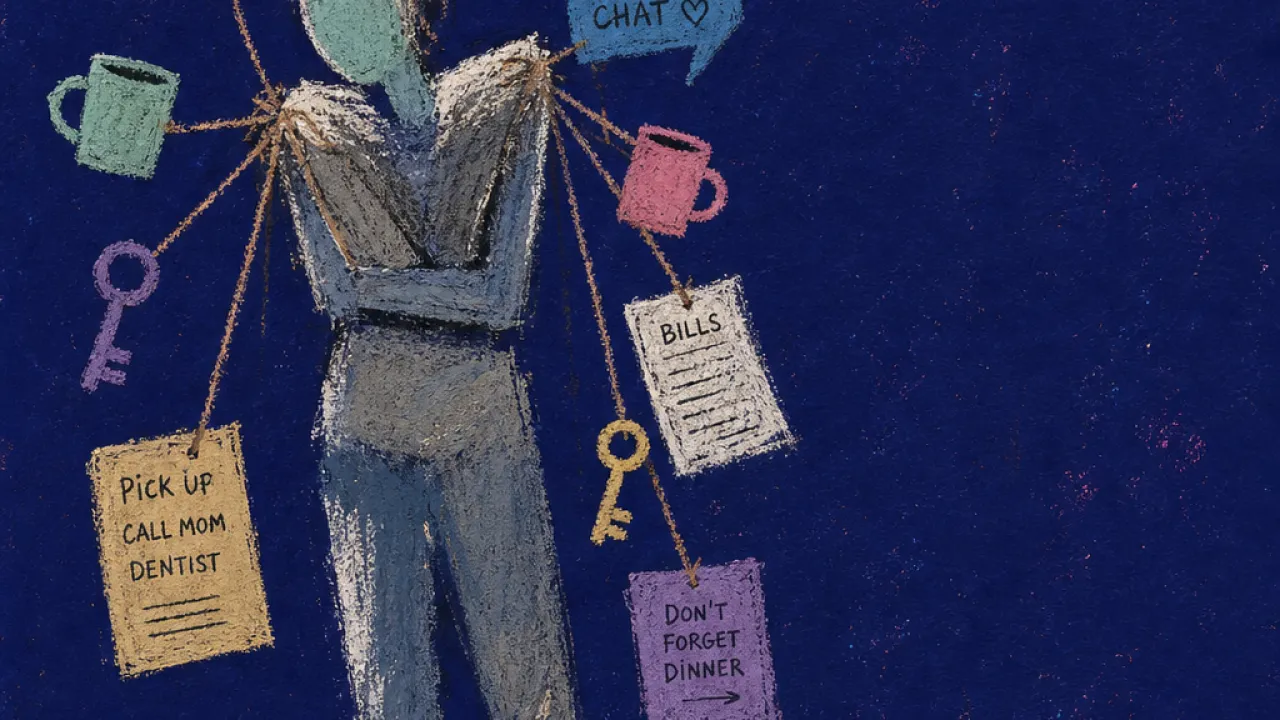
Parentified Adult Child Role — you step into family life and the room already seems to know what it wants from you before anyone says it out loud. Maybe it starts with small things: remembering appointments, calming a parent after a bad day, checking on a sibling, translating a tense text thread, or noticing which topic will set off another argument at dinner. Over time, those small tasks stop looking optional and become the job everyone assumes you will do, because you are the one who notices, the one who stays composed, the one who can explain both sides, the one who somehow knows where the documents are, who needs a ride, who is upset, and what cannot be said in front of whom. Older relatives may still keep the title, the final say, or the right to dismiss your boundaries, but the daily work of keeping things functional gets placed on your shoulders. You become the buffer in phone calls, the planner behind holidays, the emotional translator after arguments, the person asked to be mature while being given very little room to be separate. Even when you move out, start your own work, build your own relationships, or try to have a private weekend, the role can follow you through messages, missed calls, guilt-laced check-ins, and the expectation that you will drop back into position whenever the household feels unsteady. The cost is not only exhaustion; it is the way your own adulthood keeps getting paused while everyone else treats your availability as proof that the system is working, much like The Hanged Man, held in place by one tied ankle while the whole body is made useful through a posture ordinary movement cannot sustain.

Why it's not you?

The problem is not that you are too sensitive, too responsible, or somehow better built to carry everyone else's tension. The problem is a family setup that moved adult-level tasks onto you and then treated your usefulness as normal. Organizer, mediator, listener, backup adult — those are roles, not proof that the load belonged to you.

Parentified Adult Child Role in Tarot Cards

Parentified Adult Child Role is not just about being helpful; it is about a family arrangement where adult-level holding gets routed through the person least allowed to set the terms. The tight shoulders, the always-available phone, and the quiet night-watch feeling are physical signs of an environmental, structural dynamic that keeps asking one body to manage too many moving parts. These Tarot Cards reflect the shape of that role: the bracing, the holding, the suspended movement, and the mismatch between responsibility and permission.

The Magician Reversed
A young figure stands with every suit's tool laid out before him, as if one body is expected to manage thought, feeling, conflict, work, and material reality at once. The posture is composed, but the arrangement concentrates too many domains on a single operator. In a family system, the parentified adult child role appears when maturity becomes a job assignment. You may be expected to manage moods, remember logistics, stabilize arguments, advise adults, protect siblings, or keep the household emotionally functional. The Magician reversed connects this context to premature competence. What looks like capability can be the residue of an external structure that rewarded you for becoming useful before you were allowed to be separate.
The High Priestess Reversed
The High Priestess sits at the center as the holder of the scroll and the guardian of the threshold. Her stillness is not casual rest; the whole architecture frames her as the person others must pass through to reach what is hidden. That visual role maps onto the parentified adult child position when a family turns one member into the interpreter, buffer, and emotional administrator. You may be expected to hold adult information, translate between sides, and keep the system coherent while your own movement remains suspended.
The Empress Reversed
The Empress is not shown rushing, yet the whole landscape is arranged around her capacity to sustain life. Wheat, water, forest, cushions, and throne make one seated figure appear like the reliable center of provision. In a family system, that image can describe an adult child positioned as the stabilizer while still being denied full adult standing. You may be expected to soothe parents, manage siblings, organize practical needs, or absorb household tension because the system already treats you as the functional center. Parentified Adult Child Role fits the reversed Empress because care is no longer mutual; it has become a role assignment disguised as maturity.
The Emperor Upright
The ruler's straight-backed posture, occupied hands, and concealed armor turn responsibility into a public office. He is not lounging in comfort; he is seated in a role that requires constant containment, practical oversight, and readiness to respond. In a family system, that visual structure maps onto the adult child who becomes the unofficial stabilizer while older relatives still hold the title of authority. You may be treated as the one who organizes, absorbs, mediates, and keeps the household functioning, even when the role was never openly negotiated.
The Hierophant Reversed
The two acolytes are shown from behind, kneeling in service positions, with Y-shaped ribbons across their backs like formal restraints. Their role is visible before their faces are, which makes function more important than personhood in the scene. In family life, that becomes the adult child who is expected to regulate the household: manage a parent's mood, translate between relatives, handle siblings, organize care, or absorb conflict while being praised for being mature. The card makes the assigned role visible as a structure, not a personality trait. You can recognize the competence you built while also questioning why the family system keeps placing adult-level responsibility on the child position.
The Chariot Upright
The young driver stands like a commander between the starry canopy and the heavy cube, with the two sphinxes waiting for his alignment. His body is not relaxed into belonging; it is organized as the control point for a whole moving system. In family life, this maps to being treated as the capable adult who keeps everyone else coordinated. You become the one who translates conflict, plans logistics, and stabilizes older relatives' reactions, while your own adulthood is measured by usefulness rather than freedom.
Strength Reversed
The woman bends toward the lion while the rest of the scene stays still. Her body is the place where the animal's force is met, softened, and kept from spilling into the surrounding field. That image mirrors the adult child role in a family where one person is expected to regulate a parent's reactions or hold the household together. You are not just helping; you are being positioned as the stabilizing mechanism for forces that are not yours to carry alone. Strength gives this role a sharp outline because it shows competence under pressure without romanticizing the burden. The card makes the assignment visible: the system works because your body keeps returning to the jaw.
The Hermit Reversed
The Hermit carries the light alone on a frozen summit. The staff and lantern do not create movement here; they keep the figure upright as the only visible point of stability in an otherwise dark field. In a family system, this becomes the role of the adult child who is expected to interpret, soothe, fix, translate, organize, or hold perspective for everyone else. The user may become the mature one by default, even when the role was never freely chosen. The reversed Hermit makes the burden visible as an external arrangement. The issue is not that you are naturally responsible for every emotional weather system in the family; it is that the family has centralized steadiness in one person and treated it as normal.
Wheel of Fortune Reversed
The lower figure braces beneath the wheel, pushing upward while the highest figure holds the balancing point. The visual weight is not evenly distributed; one station carries the motion while another station supervises it. That arrangement mirrors the parentified adult child role in a family system. You may be treated as the organizer, interpreter, emotional buffer, crisis manager, or backup adult while still being denied the authority that should come with that responsibility. The card makes the hidden labor visible. It shows the difference between caring for relatives by choice and being positioned as the load-bearing part of a system that keeps turning because you keep holding it up.
The Hanged Man Reversed
All the body's weight runs through one tied ankle, while the hands are folded out of use behind the back. The figure is held upright by the system only by being turned upside down, making his stability depend on a posture that ordinary movement cannot sustain. That is the physical logic of the parentified adult child role. You become useful to the family by holding tension, translating conflict, anticipating needs, or providing practical backup, while your own forward movement is treated as secondary. The card makes the role visible as an external arrangement: the family keeps functioning because your adulthood is being suspended at one specific knot.
Death Reversed
The child standing while the adult figures collapse or kneel makes a role reversal visible without needing explanation. Authority symbols are on the ground, adult bodies are immobilized, and the smallest figure remains upright in the direct path of the approaching force. In a family context, that arrangement maps onto the adult child who becomes the stabilizer, interpreter, emotional container, or practical manager when older structures fail to function. The problem is not competence; the problem is where the competence has been placed. The card gives this role a shape, which matters because parentification often hides behind praise for maturity. You can see where adult responsibility has been displaced onto you and where the family system benefits from calling that displacement love, loyalty, or strength.
Temperance Reversed
The central figure in Temperance performs the scene’s repair work alone. The cups, the water, and the balance all depend on one poised body keeping the exchange in motion. In a family system, that image can describe an adult child being assigned functions that belong to the older generation or to the group as a whole. You become the one who steadies parents, manages siblings, remembers everyone’s sensitivities, and keeps the household story coherent. The card exposes the role without making it your identity. The problem is not that you are capable; the problem is that the family has learned to treat your capability as the infrastructure that keeps everyone else from having to develop their own.
The Devil Reversed
The chains sit at the necks of the lower figures while the upper figure occupies the only stable seat. Their hands are free, but the load of the system is still routed through their bodies. This is the shape of an adult child being made responsible for the emotional operating system of the family. The card shows a role where you can function, organize, soothe, and respond, yet the structure keeps treating your availability as infrastructure rather than a choice.
The Star Reversed
Both of the figure's hands are busy managing flow, and her body becomes the point where sky, water, and land are linked. In a strained family system, that central placement stops looking peaceful and starts resembling a role assignment: one person is expected to keep the emotional ecosystem functioning. This is the visual logic of the adult child who becomes translator, stabilizer, listener, planner, or backup parent. The card does not frame that role as maturity; it exposes the imbalance of being needed for regulation while not being given an equivalent place to receive. For you, the key signal is the lack of a free hand. The Star makes visible how constant usefulness can block individuation, because every move toward your own life is measured against whether the family system loses its usual source of steadiness.
The Moon Reversed
The dog and wolf stand at the threshold as reactive guardians, their bodies turned toward pressure from above while the path waits behind them. The falling droplets move one way, from the moon to the ground, creating contact without balanced exchange. In a family system, that arrangement reflects the adult child who is made responsible for emotional weather they did not create. You may become the translator, mediator, scheduler, comforter, or stabilizer, while your own movement along the path is delayed by the need to keep the threshold calm. The Moon ties this role to unequal circulation. Care is present, but it does not flow evenly; responsibility gathers around the person most trained to respond. Seeing the role clearly is the first step in separating genuine care from a family job you were never fairly offered.
Ace of Cups Reversed
Only the hand is visible while the chalice dominates the scene, so the labor of holding is present but the full person behind it disappears. The cup becomes the center, and the hand becomes a function. Within a family, this maps to being treated as the emotional holder for parents, siblings, or the household atmosphere. You can see where responsibility has been routed through you because you are reliable, not because the role was ever fairly assigned.
Six of Cups Reversed
A child body is the one moving the cup, carrying care across the courtyard with a seriousness that belongs to the exchange. In reversal, that gesture can stop being innocent and become a fixed role: the smaller figure keeps the emotional circulation of the household moving. For you, Parentified Adult Child Role appears when the family system assigns you the job of stabilizing everyone else. The Six of Cups makes the role visible through the body of the giver: care is flowing, but the wrong level of the family hierarchy may be carrying it.
Page of Cups Upright
The young attendant holds the cup as a duty, not as a casual object. His body is composed, focused, and visibly responsible for a fragile emotional container while the sea moves behind him with more feeling than the small vessel can reasonably hold. That visual arrangement mirrors a family system where one person is handed the job of keeping everyone emotionally connected. The cup becomes the role, the fish becomes the live emotional demand inside it, and the platform beside the water shows how little separation exists between personal ground and family overflow. You are not just reacting to relatives being intense or sentimental. The card maps a social position where emotional maintenance has been assigned to you, and the real question is where care ends and inherited emotional labor begins.
Queen of Cups Reversed
The Queen's hands are fully occupied with the cup, and the throne makes that act look official. The vessel is not simply held for a moment; it is maintained, guarded, and given central importance. Reversed into a family context, this image shows the adult child placed in charge of emotional containment. You may be expected to listen to a parent's distress, mediate between relatives, remember everyone's sensitivities, and keep the atmosphere from spilling over. The card makes the role visible as labor. It does not deny your capacity for care; it shows how care becomes distorted when the family assigns you authority over feelings without giving you the freedom, reciprocity, or age-appropriate distance that should come with it.
King of Cups Reversed
The King appears mature, composed, and fully equipped, but the visual load is concentrated on one body. The sea does not settle itself; the central figure is made responsible for looking steady while the whole emotional environment remains in motion. In a family system, this becomes the adult child who is expected to handle parent feelings, sibling tension, practical updates, and the emotional aftershocks of decisions they did not make. You may be treated as capable because You learned the role early, but the card exposes how capability can hide an unfair distribution of responsibility. Parentified Adult Child Role fits because the reversed King of Cups turns emotional competence into premature authority. The family does not simply ask for help; it organizes itself around Your ability to absorb, interpret, and stabilize what older relatives leave unmanaged.
Two of Pentacles Reversed
Both pentacles sit in the figure's hands, and the body has to stay moving so neither one falls. Reversed, the scene turns into a picture of responsibility captured too early and kept in circulation for too long. This maps onto the parentified adult child role because the family system places practical coordination, emotional regulation, or crisis prevention onto the person who was not supposed to become the household stabilizer. You may look capable from the outside, but capability has become the reason more weight keeps arriving. The closed loop between the coins is the key pressure point. It shows how every request seems connected to another request, making it difficult to know where care ends and inherited responsibility begins.
Three of Pentacles Reversed
The person with the tool is the one turning the plan into reality, while the other figures retain the positions of supervision and interpretation. The image separates authority from labor with unusual clarity. In a family system, this becomes the adult child who is relied on as the practical operator, emotional translator, or responsible one while older or more powerful relatives keep the right to direct the project. The role looks competent from the outside, but the distribution of work and authority is mismatched. Reversed, the Three of Pentacles reveals how usefulness can become a trap. You may be trusted to carry the family's functioning while still being denied equal standing in deciding what the family structure should become.
Seven of Pentacles Reversed
The plant holds the visual center while the young worker leans on the hoe at the side, positioned as the one who must keep the system productive. The body is not collapsed, but it is stationed in service to a crop whose needs dominate the scene. Parentified Adult Child Role takes shape when a family assigns an adult child the job of maintaining emotional weather, practical logistics, peace, or stability. The card shows the hidden imbalance: the system may look fertile from the outside, but its growth depends on one person staying available as worker, planner, interpreter, and buffer.
Eight of Pentacles Upright
The figure's whole body is organized around useful work: one hand holds the chisel, the other raises the hammer, and the bench turns his position into a small production station. Nothing in the image is casual; every tool and posture serves the task of making something stable for the wider world. Within a family system, that functional posture can describe the adult child who becomes useful before they are allowed to be separate. You may be the one who manages logistics, translates conflict, remembers obligations, steadies relatives, or turns family disorder into something presentable. The card clarifies the role without romanticizing it. Skill and reliability may be real strengths, but the image also asks whether your competence has become the family's infrastructure, leaving your own adult path treated as work to be finished later.
Page of Pentacles Reversed
A young messenger raises the pentacle as if carrying news that belongs to a larger system. The image gives the junior figure a serious function: holding, translating, and presenting the material object on behalf of others. In family life, that can become the adult child who manages logistics, tracks moods, mediates arguments, explains money, organizes care, or keeps everyone functional. You may be treated as reliable enough to carry the family's weight while still not being granted equal authority inside it. The reversed pressure comes from role imbalance. The card reveals a household structure where responsibility travels downward faster than recognition, support, or consent.
King of Pentacles Reversed
The king is surrounded by symbols of management: the pentacle, the scepter, the armor, the estate, and the throne. The body is still, but the scene loads him with responsibility for keeping the material world stable. In a family context, that arrangement can mirror being treated as the practical adult even when authority remains elsewhere. You may be expected to translate conflicts, organize care, manage money conversations, or keep the household functioning while the people with rank keep the final say.
Six of Swords Reversed
The ferryman’s body is braced into the labor of the whole crossing while the other figures sit covered and silent. The image gives one person the visible work of movement, protection, and direction, while the family cargo stays inside the boat. Parentified Adult Child Role emerges when a family system assigns the work of rowing to the person who was supposed to be allowed a seat. You become the one who moves conflict, calms parents, translates needs, and keeps siblings or household logistics afloat. The card makes that role visible as a distribution of labor, not a natural personality trait.
Nine of Swords Reversed
The woman is awake while the room should be asleep, with the upper body exposed and the lower body trapped under a patterned cover. The image makes the private body into the night watch point for everything the room has not processed. In a family context, this maps onto being the one who monitors moods, translates conflicts, keeps siblings calm, or absorbs a parent's unfinished burdens. The card frames the role as an imposed station, not proof that you are naturally better at carrying the family system.
Page of Swords Reversed
A young Page carries a serious blade on a high ridge, dressed simply and standing alone in weather that demands constant attention. The visual mismatch matters: the body is youthful, but the assigned function is defensive, strategic, and far heavier than the figure's rank suggests. In family life, this mirrors the role where You become the watcher, translator, emotional manager, or emergency adult before the system has given You equal power. The card makes the imbalance visible: responsibility has been handed upward to You, while authority and protection remain elsewhere.
Ace of Wands Reversed
The wand is held as a mission, not just a spark. The grip is strong enough to carry it, but that strength also makes the hand the obvious place for the whole charge to land. In a family system, this becomes the role of the capable adult child who is expected to organize, soothe, translate, fix, or absorb problems before anyone else moves. You may be recognized for competence while being loaded with responsibilities that were never properly yours to hold.
Nine of Wands Reversed
The figure is not merely standing near the wall of wands; his body completes it. Eight staffs remain planted behind him, while the ninth has to be held by the already bandaged person at the exposed point of the structure. That arrangement turns support into duty. In a family system, the person at the gap becomes the one expected to regulate conflict, anticipate pressure, protect others from fallout, and keep the household narrative intact while everyone else stays fixed in place. Parentified Adult Child Role fits this card because the burden is not only emotional; it is positional. You are placed where the family structure is weakest, then treated as responsible for preventing the whole line from breaking.
Ten of Wands Reversed
The bowed figure disappears behind the ten wands as he carries living growth toward a house that waits to receive it. The household gains a delivery of value, but the carrier's face and line of sight are consumed by the load before he reaches the door. Parentified Adult Child Role appears when a family system assigns adult-level containment to someone who was supposed to be allowed a separate developmental lane. The card's structure shows responsibility becoming identity: You are recognized less for who you are than for how much family weight you can keep moving.
Page of Wands Reversed
The Page's job is to carry and announce the court's message, not to author the message himself. His body becomes the channel through which a larger authority speaks. In a family system, that image maps onto the adult child who becomes the messenger, mediator, organizer, or emotional translator for everyone else. You may be treated as responsible enough to manage the family's tensions, but not equal enough to set the terms of that responsibility. The card exposes the asymmetry: your function is expanded while your authority remains junior.
Queen of Wands Reversed
The Queen holds the wand and the sunflower at the same time, seated in the central position where authority and warmth are both expected to come through her. The image concentrates steadiness, leadership, and emotional availability in one body. In reversal, that concentration becomes the parentified adult child role. You may be expected to calm a parent, manage a sibling, translate conflict, plan logistics, remember everyone's needs, and still remain kind enough that no one has to name the imbalance. The throne is elevated, but the role may not come with real permission, rest, or support. This card connects because it shows care and command fused into a single family position. The issue is not that you are capable; it is that the family may have built its functioning around your capability. Naming the role makes it possible to distinguish genuine leadership from emotional labor that was quietly assigned to you.

Parentified Adult Child Role in Tarot Card Reading Insights

Parentified Adult Child Role often enters readings through the same images: being the organizer, mediator, listener, or backup adult while your own life waits in the background. Other people have brought this family position into readings when they needed to see the role more clearly. Explore Tarot Reading Insights connected to this situation.
Psychological contexts related to Parentified Adult Child Role