Stuck in the Middle Again?

Read the family relay role, explore related tarot cards, and browse tarot reading insights from similar sessions.

Triangulated Family Mediator
What is this situation?

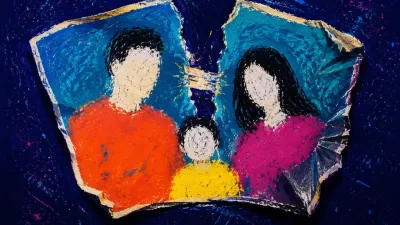
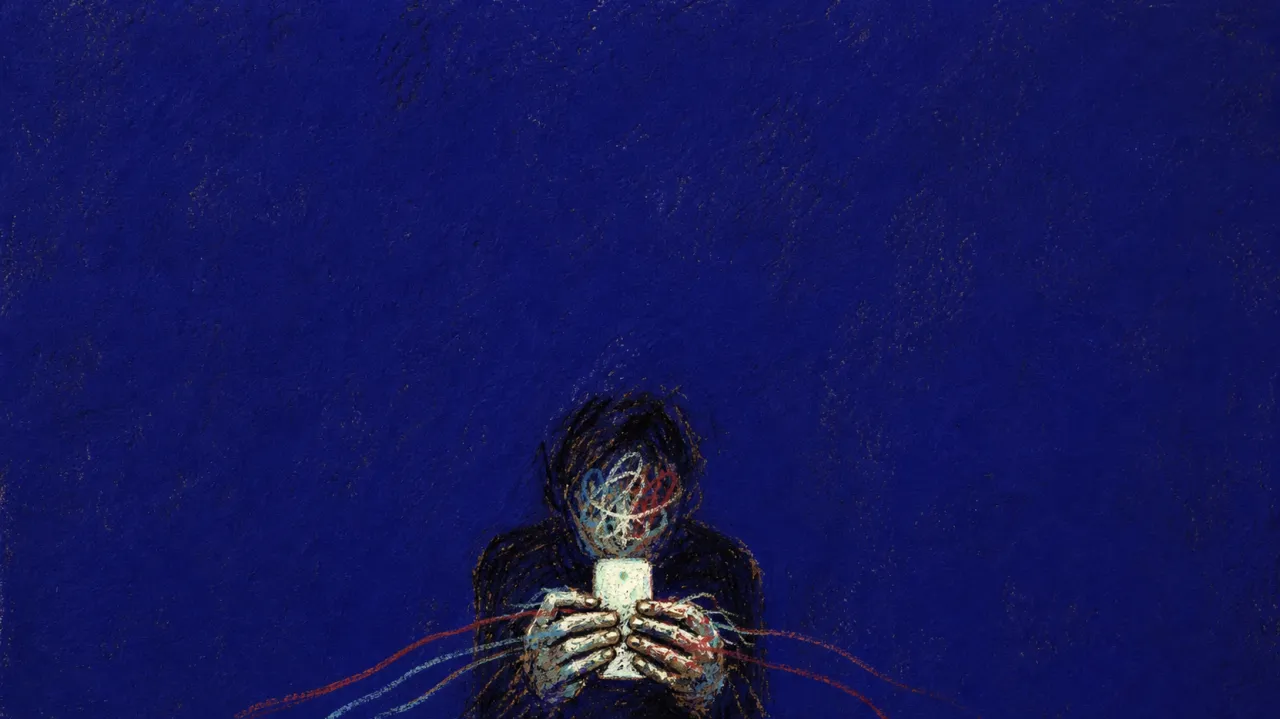
Triangulated Family Mediator — it starts in the middle of an ordinary family moment: a parent texts you instead of calling the person they are angry with, a sibling asks what everyone really meant, or a relative pulls you aside after dinner and asks if you can just explain it to them. At first it may look like you are helping, because you know everyone’s tone, history, and likely reaction, so you translate a sharp message into something softer, delay bad news until the right time, smooth over a group chat, or stand in the kitchen doorway while two people talk around each other through you. Over time, the route becomes fixed: people call you before they call each other, send screenshots for you to interpret, expect you to calm the room, and treat your availability as the family switchboard. The power dynamic is quiet but heavy, because the conflict belongs between other people while the timing, wording, and fallout get placed on your schedule, your body, and your language. You learn which phrase will set someone off, which silence means trouble, which apology needs editing, and which visit requires you to stay nearby in case the conversation tips over. By the end of the day your shoulders are tight, your phone feels like a live wire, and you are tired less from one argument than from being the place where arguments are routed, much like The Magician, one figure centered between raised and lowered hands while every tool on the table waits for that single operator to keep the transfer moving.

Why it's not you?

The problem is not that you are too involved, too sensitive, or failing to explain things well enough; the route itself is misplaced. When relatives send messages, moods, complaints, and decisions through one person instead of speaking directly, the family has turned mediation into an assigned role. That role can look useful from the outside, but it is still an external setup that concentrates other people's conflict in your hands.

Triangulated Family Mediator in Tarot Cards

In a Triangulated Family Mediator role, the tight shoulders and live-wire phone are not random background noise; they mark the point where other people's conversations keep being routed through you. This is an environmental and structural dynamic, built by repeated indirect contact, not by your personality or your ability to explain things well enough. The Tarot Cards below do not decide who is right or what you should do next; they reflect the visible shape of being placed in the middle. Here are the Tarot Cards that tend to mirror this kind of family mediation structure.

The Magician Reversed
One hand reaching upward and one hand pointing down makes the Magician a relay between levels. The whole scene converges on a single operator, with every tool placed where one person can manage the transfer. In a family system, triangulation makes one person the unofficial channel between people who will not speak directly. You may be asked to soften a parent's message, explain a sibling's choices, calm a relative, carry news, or make conflict easier for everyone else to avoid. The Magician reversed ties this context to overcentralized communication. The role may look competent from the outside, but the structure shows an external burden: the family has made your nervous system, schedule, and language the infrastructure for other people's unresolved conversations.
The Hierophant Reversed
The crossed keys form an X between the two kneeling figures, linking them through an object controlled by the central authority. The two followers appear balanced, but the real power remains above the connection between them. In family life, that visual structure becomes triangulation: one person is placed between parents, siblings, or relatives as messenger, translator, referee, or emotional buffer. The mediator position can look important while still preventing the actual parties from taking direct responsibility. The card names the trap of being useful to a system that does not change. You can see the connection you are asked to carry, then ask whether your role is creating clarity or merely keeping the hierarchy comfortable.
The Lovers Reversed
The figures are near each other, but contact is indirect. The man looks across, the woman looks upward, the serpent speaks from the side, and the angel presides from above. The Lovers is full of relationship, yet the communication lines do not move cleanly from one person to another. In a family system, that indirect routing becomes triangulation. You may be asked to explain one parent to another, absorb a sibling’s frustration, soften a relative’s reaction, or carry messages that should never have been placed in your hands. The card makes the mediation burden visible as a structure rather than a personality trait. It shows where your position in the middle is being used to keep other relationships from facing their own direct tension.
The Chariot Reversed
The black and white sphinxes sit in front of the chariot with divergent bodies, while the charioteer is fixed at the midpoint. The image places one figure between opposing carriers and asks his posture to hold the system together. That is the geometry of being pulled between parents, siblings, or competing household narratives. You are not simply helping people communicate; the family structure has made you the crossing point where other people's unresolved tension gets routed.
Strength Upright
A single figure stands at the exact meeting point between the lion's jaw and the open field. The card places the work of containment in one body, making that body the channel through which pressure is redirected before it spreads. That visual structure fits the family mediator role because the system starts using one person as its translation device. You become the one who softens the tone, carries the message, reads the room, and keeps relatives from colliding directly. Strength keeps the focus on the cost of being effective at this role. The family may look calmer because you are there, but the card exposes the hidden architecture: the peace depends on your body standing in the pressure point.
Justice Reversed
Justice is placed at the exact midpoint, with both instruments held outward and no easy exit from the seat. Reversed, the central position becomes less like fairness and more like a traffic point through which everyone tries to route conflict. In a family system, that is triangulation: one person is asked to carry messages, decode moods, soften accusations, or pick the acceptable side. The card exposes how your fairness can be used as infrastructure for conflicts that other adults are refusing to hold directly.
Temperance Reversed
The stream between the cups does not move through open space on its own; it is held, aimed, and sustained through the central figure’s hands. The figure stands at a border, one foot in water and one on land, making the body itself the passage between separate zones. That is the exact geometry of triangulation in a family system. Instead of two relatives speaking directly, their messages, resentments, and emotional demands pass through you, turning your attention into the route that keeps the whole exchange moving. Temperance makes the hidden conduit visible. It does not blame you for being in the middle; it shows how the family has built a communication pattern that depends on someone occupying the middle for them.
The World Reversed
The two wands stretch the body into left and right balance while four corner figures hold separate positions. In the reversed texture, that balance becomes a job assigned to the person in the center rather than a shared responsibility across the system. You may be asked to translate, soften, carry messages, or keep everyone connected while the actual conflict avoids direct contact. The card exposes mediation as an external role placement, not a sign that you are naturally responsible for holding the family together.
Two of Cups Reversed
The caduceus rises between the two figures like a channel that both organizes and interrupts direct contact. The people face each other, yet the strongest vertical structure sits in the middle of the exchange. In family dynamics, that middle position can become a person who carries messages, translates tension, or softens conflict for others. You are not the conflict itself; the card reveals the role slot where the system keeps routing pressure through you instead of allowing direct repair.
Three of Cups Reversed
The composition depends on three figures holding the circle in balance. No one stands above the others, but the shared center also means tension can travel around the triangle instead of being owned directly by the person who created it. In a family system, that geometry becomes mediation by assignment rather than by choice. You may be pulled between parents, siblings, or relatives as the messenger, translator, peacekeeper, or emotional buffer, while the actual conflict keeps moving through you instead of resolving between the people involved.
King of Cups Reversed
The boat and dolphin occupy opposite sides of the water, while the King holds the center between them. The scene contains movement and signals, but the routes do not meet directly; everything appears to require a central interpreter. That is the structure of family triangulation, where relatives avoid direct contact and route messages, complaints, apologies, or pressure through You. You become the emotional bridge not because it is the healthiest path, but because the system has learned to keep conflict indirect. Triangulated Family Mediator fits because the reversed card turns emotional intelligence into a traffic-control position. The real pressure is not one conversation; it is the repeated assignment to carry meaning between people who will not face each other clearly.
Two of Pentacles Reversed
The figure stands between two pentacles, one in each hand, with the cord routing movement through his body. Reversed, the body becomes the passageway that keeps two separate points connected when direct exchange is not functioning. That is the structure of a triangulated family mediator. You are not merely hearing both sides; you are being positioned as the channel that carries complaints, explanations, pressure, or decisions between people who avoid direct accountability. The open stage intensifies the role because the balancing act is visible and expected. The card shows how mediation can look like helpfulness while quietly turning your presence into the system's preferred communication infrastructure.
Two of Swords Reversed
Two swords point outward while one blindfolded person sits in the center. The image creates a triangle of force: separate sides, blocked sightlines, and a central body required to hold the connection. Triangulated family mediation appears when relatives speak through you instead of to each other. Messages, complaints, updates, guilt, and loyalty tests pass through your position, making your nervous system the relay point for a conflict that belongs elsewhere. The card clarifies the structure by showing that the problem is not your inability to explain things well enough. The problem is the route itself: communication has been displaced into a triangle, and the first point of clarity is seeing who has been made responsible for carrying it.
Three of Swords Reversed
Three separate swords enter from three separate directions, yet the image forces all of them into one shared center. There are no visible people, rooms, or sides of the table; the heart becomes the entire meeting place for the conflict. That is the architecture of a triangulated family role. Different relatives may not speak directly, but their complaints, disappointments, and unfinished arguments are routed through you because you are treated as the point where the system can discharge pressure. The card makes the hidden workload visible. You are not simply being caring or mature in the abstract; you may be carrying the contact point for a conflict that belongs between other adults, and seeing that geometry is the first act of reclaiming your position.
Six of Swords Reversed
The ferryman is placed behind the covered adult and child, directing the boat while the seated figures face away. No one is turned toward direct exchange; the movement is routed through the person with the oar. Triangulated Family Mediator appears when a household avoids direct accountability by sending messages through you. The card shows how one person can become the passageway between others, carrying softened versions of conflict across water that no one else wants to cross directly.
Seven of Swords Reversed
A lone figure carries blades between the camp and open ground, turning his body into the transport system for dangerous material. The scene has multiple zones but no open meeting point, so movement happens through one person instead of shared confrontation. That is the architecture of a triangulated family mediator. You become the messenger, translator, peacekeeper, or emotional courier between relatives who refuse to speak plainly to each other. Seven of Swords exposes the hidden cost of that role. The person in the middle may look useful to the system, but the sharpness is being carried by one body, and the family conflict stays intact because it keeps traveling indirectly through you.
Page of Swords Reversed
The Page's face turns one way while the sword points another, creating a body split between competing directions. Around him, birds carry distant signals and clouds crowd the air, so communication moves through indirect routes instead of clean contact. That split maps closely onto family triangulation. You are placed between people who will not speak directly, then expected to carry messages, soften reactions, or decode what each side really means. The card reveals the hidden cost of being useful in the middle: movement becomes cautious because every direction belongs partly to someone else.
Queen of Swords Reversed
The Queen's sword and extended hand can become a channel through which messages are filtered, judged, and redirected. Seated alone in the open landscape, she appears positioned as the point where the surrounding field must pass for interpretation. In a family conflict, that structure resembles being made the translator between people who avoid direct contact. The mediator role looks responsible from the outside, but it concentrates pressure on one person while allowing the original relationship fracture to remain untouched. For You, this context exposes the hidden job description inside the family system. The card shows how being the clear one, the reasonable one, or the one who can explain everyone can become a role that keeps other adults from doing their own relational work.
Two of Wands Reversed
The figure is visually placed between two vertical forces: one wand in hand and one attached to the wall. His elevated position makes him look like the person who can see the whole domain, which is exactly why the structure can turn him into a coordinator rather than a free actor. In family systems, this becomes the mediator role. You may be expected to explain one parent to another, soften a conflict, carry messages between relatives, or make everyone’s position feel less exposed. The reversed Two of Wands shows the cost of being positioned as the one with perspective. Seeing more does not mean you are responsible for holding the entire family map together.
Five of Wands Reversed
The figures do not form clean pairs. Their wands cross through the middle, turning the space between them into a relay zone where force travels sideways instead of moving directly between the people who need to deal with each other. That visual pattern fits the triangulated family mediator role: one person becomes the passageway for everyone else's conflict. You may be asked to explain one relative to another, soften a parent's reaction, carry a sibling's resentment, or keep the room functional by absorbing messages that were never yours to hold. The card's chaotic center is important because it shows why the role is so draining. The problem is not your communication skill; the family structure has outsourced direct contact into your body, and clarity begins when the triangle itself becomes visible.

Triangulated Family Mediator in Tarot Card Reading Insights

When a Triangulated Family Mediator role follows someone into a reading, the focus often shifts from individual arguments to the repeated route those arguments take through one person. Other people have brought this same family pattern into sessions, asking what the cards show about the middle position they keep being given. Tarot Reading Insights from related readings are gathered below.
Psychological contexts related to Triangulated Family Mediator