Lost Without a Plan?

See how borrowed structure shapes your choices, which tarot cards mirror the pattern, and how it appears in reading insights.

External Structure Dependence
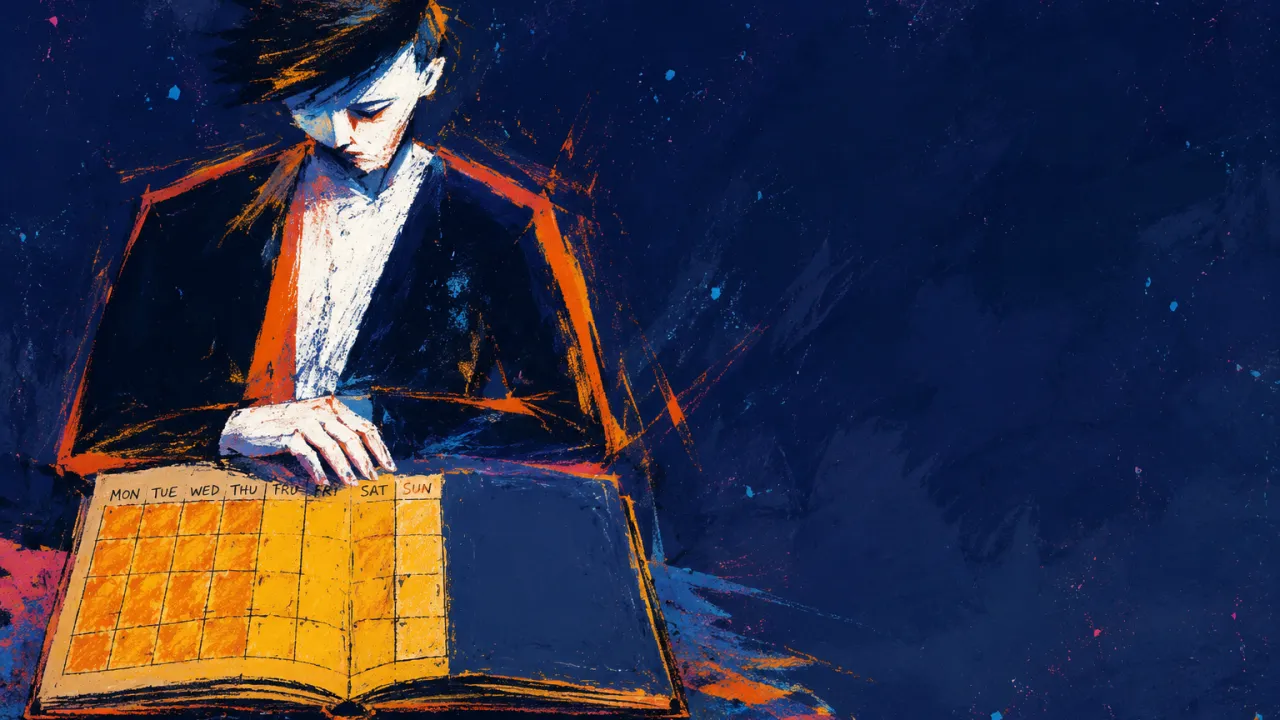
A seated figure with rigid shoulders and one hand on an open planner, amber calendar blocks ending against blue-grey space.

What is this really?

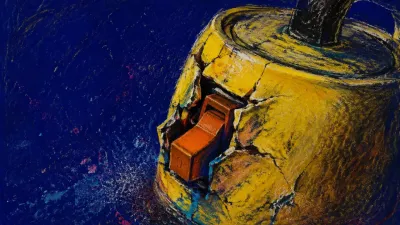
You can move quickly when a deadline, timetable, manager, class, or shared plan tells you what happens next; when those cues disappear, you may reorganize the list, wait for the right starting point, or let an open day pass without choosing. Having the sequence supplied reduces cognitive load and decision fatigue, keeping uncertainty at a manageable distance when making the plan yourself feels too exposed. Yet the framework that gets you moving can make your own preference harder to hear: faced with unmarked time, your shoulders drop, every option feels equally ungrounded, and you reach for another rule only to feel even less able to begin without one, much like The Emperor seated rigidly on a stone throne, armor visible beneath his robes and no path marked through the bare mountains behind him.

Why did it happen?

During periods when school, work, or someone else's timetable set the next move, following the sequence helped you act without carrying every decision at once. Now, when no one marks the order, an inner pattern may keep you waiting for a signal that never comes, leaving your chest heavy, your thoughts restless, and your attention worn out by a day that looked wide open.

How does it feel?

  • When a manager leaves the sequence up to you, you nod, open the project board, and move the same task card between columns before typing a first line. In that pause, your shoulders may stay slightly raised and your fingertips hover above the keys; the stillness can feel more noticeable than the task. You can let the pause be there without demanding an immediate answer from it.
  • When a group chat stalls on where to meet, you type a suggestion, erase it, then leave the app open while the typing bubble appears and disappears. As you wait, your jaw may hold firm and a quick flutter can move across your chest before the final message arrives. Uncertainty can remain present for a moment without needing to be settled.
  • On a free morning, you square your open planner with the edge of the table, redraw the hourly boxes, and shift the same three tasks into a new order. Afterward, your eyes may feel dry and your shoulders sink while the blank spaces on the page seem unusually loud. You can allow the unfinished outline to exist as it is for now.
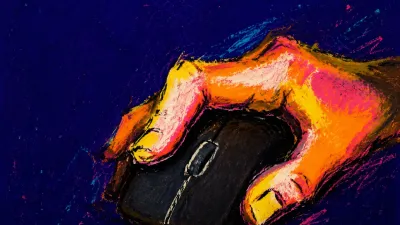
  • Before starting a personal project, you open three templates, resize the title, and click through settings while the main page stays blank. Your hand may tighten around the mouse, and a dull weight may settle across your chest once the screen goes still. That sensation can be acknowledged without turning it into a verdict.
  • After a class, appointment, or scheduled shift ends early, you stay seated, zip and unzip your bag, then check the calendar twice before standing. In the gap, your legs may feel restless while the rest of you feels flat, and your eyes keep returning to the next marked time. It is fine if the gap feels undefined before you choose what follows.

External Structure Dependence in Tarot Cards

External structure dependence is the shift from moving inside a set sequence to hovering when the schedule leaves the next step open. The moment your shoulders sink over the blank spaces in an open planner is one bodily trace of that shift; Jungian archetypal theory offers a language for understanding the pattern. The Tarot Cards below mirror its unconscious dynamics, from borrowed order to the pause without it; here are the cards connected to this pattern.

The Fool
Reversed
The Fool stands at the edge of a cliff with a small pack, a white rose, distant mountains, and no visible road across the landscape. Reversed, the exposed threshold captures the hesitation that can arise when possibility is present but no authority has marked where your foot should land. The pause is not simply a lack of ambition. You may be using guidance as a container for uncertainty, waiting for a map to absorb the risk of self-authorship before allowing movement toward a new direction.
The High Priestess
Reversed
The High Priestess sits before a patterned veil, with a partly hidden scroll in her lap and the contrasting pillars of B and J on either side. Reversed, the scene evokes inner knowledge remaining present but screened from conscious use by a threshold that feels easier to approach through external interpretation. You may keep asking which framework explains your state while the less organised evidence of preference, fatigue, or curiosity receives little weight. The search for a definite container protects you from ambiguity, yet it can also make your own psychological data seem inaudible unless someone else names it first.
The Emperor
Upright
The Emperor occupies a fixed stone throne with armour under his robes, holding the symbols of rule while the landscape behind him remains severe and sparsely marked. The centralised authority mirrors a family system in which one person, routine, or hierarchy supplies the order everyone else follows. You may feel functional and secure while that arrangement remains intact, then unexpectedly helpless when schedules, roles, or decision-makers change. The family structure has carried so much sequencing that acting without it can feel like violating order rather than exercising ordinary judgment.
Reversed
The Emperor's armour, stone throne, ram carvings, and symbols of command create an image in which authority has hardened into a complete external shell. Reversed, that shell reflects the difficulty of accessing flexible self-command when discipline has been experienced mainly as something imposed by a system, programme, or authority figure. You may mistake the absence of imposed rules for the absence of personal capacity. The growth task exposed by the image is not the rejection of structure, but recognising how borrowed order has prevented your own adaptable authority from becoming visible and trusted.
The Hierophant
Upright
The Hierophant raises one hand in instruction while two students kneel before him between the ordered pillars of an institution. The scene gives knowledge a recognised authority, curriculum, and sequence, closely matching the conditions under which your attention can become focused and productive. When the syllabus disappears, you may keep searching for the correct course, reading order, or expert method before allowing learning to begin. The educational structure lowers cognitive load, but dependence on it can make curiosity alone feel insufficiently authoritative.
The Chariot
Reversed
The armoured charioteer stands above a black sphinx and a white sphinx that face slightly different directions, yet no physical reins are visible in his hands. Reversed, the scene shows how movement can collapse when opposing priorities must be coordinated internally rather than through an explicit command. You may function decisively while a manager, roadmap, or shared plan acts as the reins, then feel unexpectedly stalled when that coordinating structure disappears. The immobility protects you from choosing one motive over another, but it also leaves external leadership carrying too much of your directional agency.
Judgement
Upright
An angel sounds a trumpet above figures who rise from their coffins with arms lifted toward the call. Their simultaneous movement is visibly organised by a signal from outside, making the scene a precise image of activation arriving only when a moment has been formally announced. You may experience deadlines in the same way, becoming focused and fast once time delivers a clear summons. The difficulty appears in the unmarked interval, where readiness remains suspended because no external event has yet declared that beginning is allowed or necessary.
Four of Cups
Upright
The seated figure folds his arms beneath a tree while three cups remain arranged before him and a fourth is offered from a cloud. His closed posture and fixed gaze resemble the physical drop that can arrive when an open day presents possibilities but no sequence for engaging with them. The emotional flatness may therefore function as a pause around unsupported choice rather than a true absence of desire. You can remain disengaged while waiting for the day itself to provide a cue, allowing usable time to pass as each option feels equally ungrounded.
Seven of Cups
Upright
Seven cups float on clouds before a silhouetted figure, each holding a radically different object with no common scale for comparison. The display turns possibility into an unranked field, closely mirroring the decision fatigue that appears when no external sequence or criterion identifies what matters first. You may respond by examining every option while committing to none, because choosing would expose a preference that the framework cannot certify. The abundance is therefore less important than the missing hierarchy that would normally carry part of the decision for you.
Two of Pentacles
Reversed
Two pentacles circulate inside an infinity loop while the juggler adjusts continuously to the unstable waves behind him. Reversed, the scene reflects course modules and study blocks being rescheduled again and again without settling into a sequence that supports absorption. You may be trying to reduce the cognitive burden of deciding what counts as enough, what comes first, and when to move on. In the absence of a teacher's timetable, planning can become the substitute structure that keeps uncertainty contained while the actual learning remains delayed.
Three of Pentacles
Upright
A craftsperson works beneath the architectural pattern of an arch while two figures hold a plan and observe the work. The blueprint and review relationship make progress measurable, embodying the kind of assigned sequence that can bring your concentration online. You may learn effectively in this scaffolded setting while feeling lost when research or study requires you to create the steps yourself. The contrast indicates that ability is present, but access to it has become too closely tied to external criteria and feedback.
Two of Swords
Upright
The blindfolded figure sits before a rocky sea with two swords crossed at equal height over her chest. Her symmetrical posture creates a physical stalemate in which neither option can move while visual information and felt preference remain blocked. You may reproduce this balance by waiting for someone else to decide, for a deadline to force the issue, or for one more criterion to make the answer indisputable. The suspension reduces immediate uncertainty, but it also teaches the decision system that unsupported choice is unsafe.
Eight of Swords
Upright
The bound and blindfolded figure stands inside a partial fence of swords, although the surrounding ground is not fully sealed. The image captures a growth system that responds to freedom by adding more restrictions, because a narrow field can feel safer than an open one that requires self-authored movement. You may collect methods, templates, and behavioural rules in the name of becoming more capable, only to make capability increasingly conditional on following them correctly. The enclosure reveals the loop clearly, since every new structure reduces uncertainty while quietly confirming that unsupported action remains too dangerous.

External Structure Dependence in Tarot Card Reading Insights

When a set sequence keeps you moving but unmarked time leaves you redrawing the same hourly boxes, others have brought that pause to the cards as well. Below are Tarot Reading Insights from readings where external structure dependence surfaced.
Psychological patterns related to External Structure Dependence