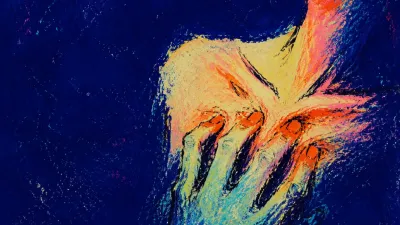
When Waiting Becomes the Cage
Explore Stagnation Lock through lived experience, related Tarot Cards, and reading insights from sessions about stalled timing.

Stagnation Lock
What does this feel like?
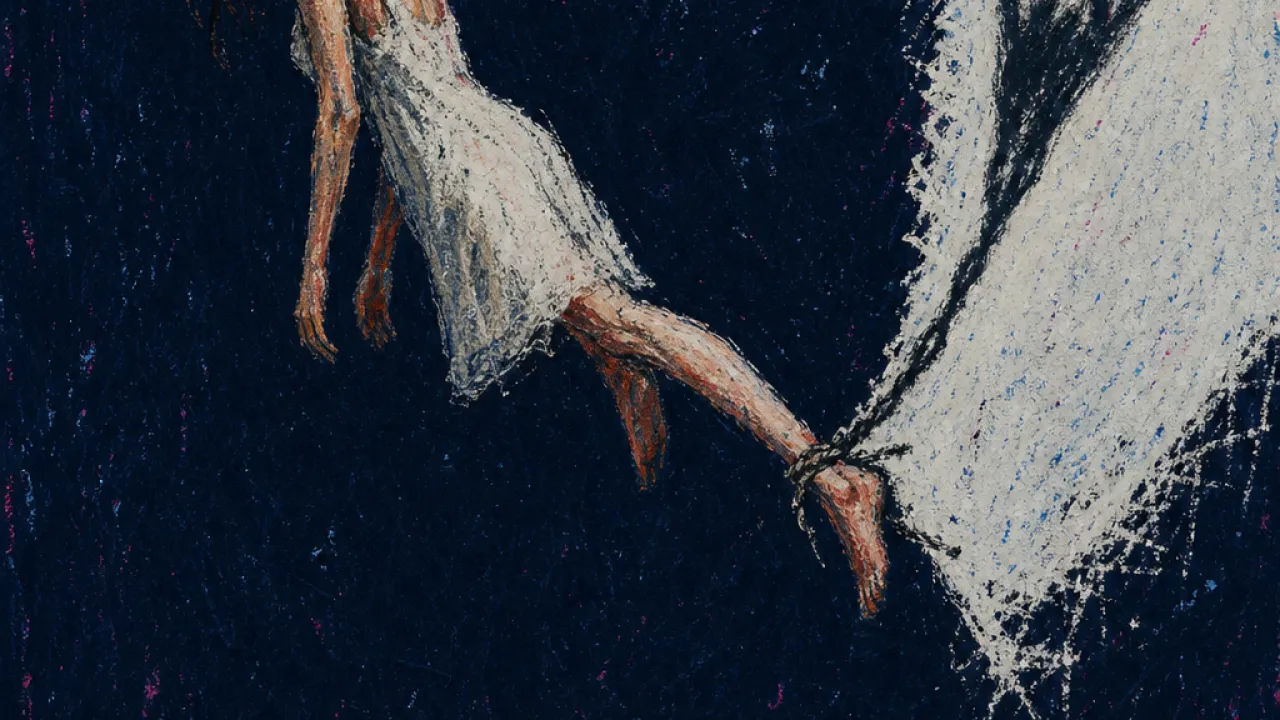
Stagnation Lock — you notice it in the second before you answer a simple question like 'so what's next?', when your mouth opens and nothing clean comes out. You have reasons, and none of them are fake; the timing is complicated, the money needs watching, the application needs one more pass, the conversation needs the right mood, your body needs a little more energy. On the outside it can look like patience, but inside it feels like your whole day has been built around not disturbing one tied point. Your laptop stays open with the same tab from last week, your notes are tidy, your calendar has reminders that keep sliding forward, and every time you think about choosing, your stomach goes quiet and hard, as if the floor has dropped away. You are not doing nothing. You are researching, saving drafts, mentally rehearsing, staying available, keeping routines intact, collecting signs that might finally make movement feel allowed. The strange part is how responsible it can look. You can answer messages, meet deadlines, keep your room mostly functional, show up to work or class, and still feel like your life is hanging in place by one ankle. There is space around you, so much space that people might wonder why you do not just walk through it, but from where you are, every exit looks like it would snap the only thing keeping you organized. The cost is not just delay; it is the slow way the pause starts using your life as furniture, arranging your sleep, plans, confidence, and desire around the need to remain suspended. You keep telling yourself you are almost ready, but the word almost becomes a room you live in, much like The Hanged Man, held upside down in an open field by a single tied ankle, surrounded by space that no longer functions as a way through.
What's pulling at you?
You're not stuck because there are no options; you're stuck because your energy is being spent keeping the current position intact. One part of you wants one clean signal before you move, while another part already knows that the waiting has started protecting itself. The lock forms in the gap between readiness and movement, where staying put feels safer than finding out what changes once you step.
How It Shows Up?
- You wake up on a Saturday with no urgent alarm, and instead of relief you feel the blank hours stretch out like a room with no door. Your hand reaches for your phone before your eyes settle, and the same saved jobs, half-finished form, or unread message is still there, waiting under your thumb. Your chest feels packed tight, your ankles heavy under the blanket, and the open day feels less like freedom than The Hanged Man's white field with no floor underneath. You can name the stillness without turning the whole morning into a decision.
- At work or in class, you keep a tab open for the thing that would move you forward: the internal role, the transfer form, the email to the supervisor, the portfolio draft. You adjust tiny details, rename files, check deadlines, and your shoulders rise toward your ears every time the cursor hovers over send. It has the still, planted weight of the Knight of Pentacles, ready in every visible way while the field stays untouched. You can pause at the edge without pretending the edge is the whole path.
- A friend asks, 'Any update on that thing?' and you smile too quickly, giving the polished version: 'I'm working on it.' Your throat tightens as soon as you say it, because you can feel how much of your week has been spent protecting the same unfinished answer. The conversation moves on, but your body stays behind, like a cup offered to someone whose arms have already folded shut. You can let one honest sentence exist, even if it is only 'I'm still sorting it out.'
- At dinner, everyone swaps updates: new apartments, new roles, new classes, someone planning a trip with dates already booked. You nod, laugh, ask clean follow-up questions, and feel a small clamp under your ribs when the attention turns toward you. Your answer becomes a hallway of almosts: almost applying, almost leaving, almost ready, almost done. You do not have to turn a table conversation into proof of where your life should be by now.
- It's 1:17 AM and your laptop is still open, casting blue light over a notebook full of lists that have started to copy themselves. Your eyes burn, your jaw is set, and one ankle hooks around the chair leg like your body is trying to keep itself from drifting or standing up. You read one more thread, save one more link, move one more reminder, and the room starts to feel built around a single tied point. You can close the screen for the night without calling that closure a final answer.
Stagnation Lock in Tarot Cards
Stagnation Lock lives in the point where waiting has stopped buying time and started arranging the whole day around staying put. You can feel it in the tight chest, the raised shoulders, and the ankle hooked around the chair leg while the open screen keeps glowing. From an existential perspective, the structural framework here is simple: readiness and movement have stopped working together, so the pause becomes the only stable architecture. The Tarot Cards below give that suspended shape a visible outline.
Stagnation Lock in Tarot Card Reading Insights
For anyone who has watched waiting turn into the structure of their day, Stagnation Lock has entered readings as stalled choices, delayed messages, and bodies arranged around the same pause. The focus shifts from the card list to the moments people bring into a session when the next step keeps sliding forward. Tarot Reading Insights from sessions where the pause became the question.