When Waiting Becomes a Choice

Explore the situation of a threshold choice, related tarot cards, and reading insights from sessions where waiting has costs.

Decision Cliff Edge

What is this situation?

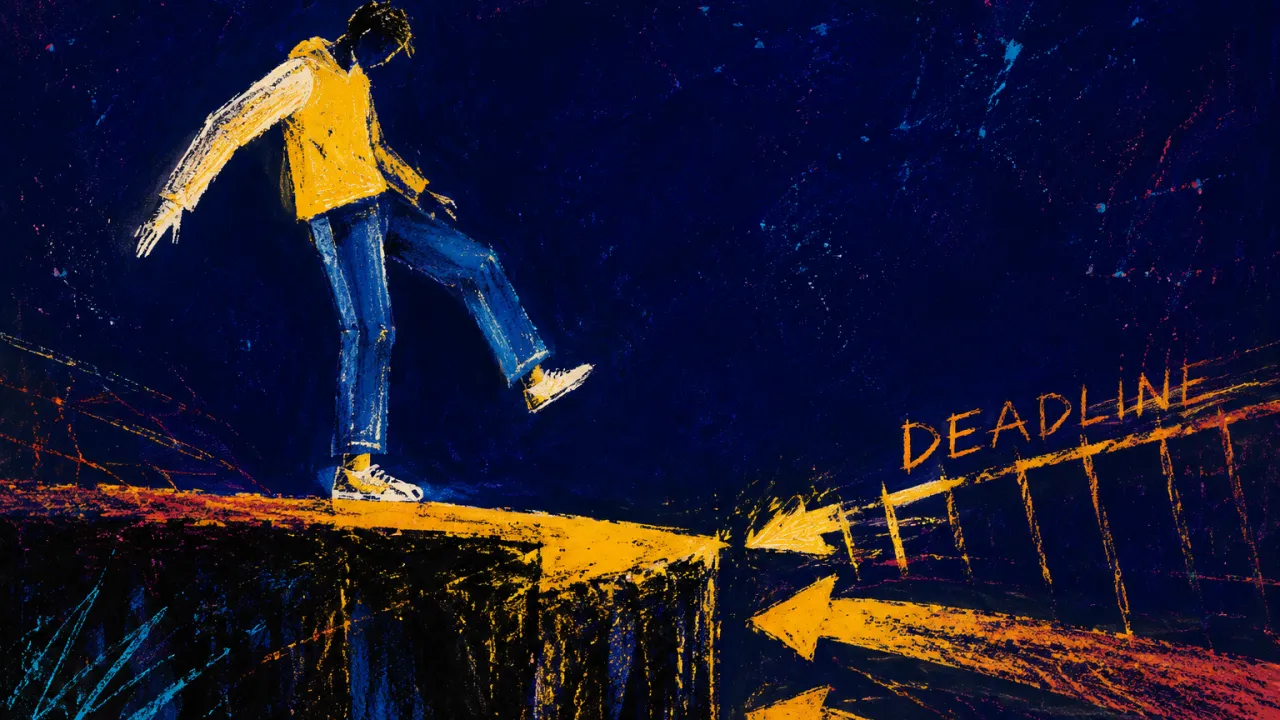
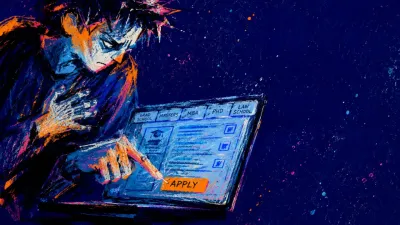
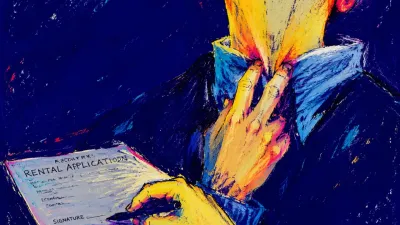
Decision Cliff Edge is the moment you realize the choice has stopped living in your notes app and has moved into the calendar, the lease renewal, the offer email, the unanswered message, the deadline someone else can enforce. At first it looked like a normal decision: apply or don't, stay or leave, sign or walk away, say yes or ask for more time. Then the outside pieces started closing in. A manager wants an answer by Friday, a landlord needs a renewal, a partner is waiting for a line to be named, a program deposit is due, a move date is being held open by someone else's patience. You keep opening the same tabs, refreshing the same thread, re-reading the same pros and cons, but the situation is no longer giving you the comfort of unlimited review. People keep asking what you are going to do, and every question turns the air smaller. Your jaw gets tight when the notification lands, your shoulders stay lifted while you try to sound reasonable, and your chest holds a shallow pause before you answer, because every option now has a visible cost. Staying keeps the current ground under your feet but may close the window in front of you. Moving could open a route, but it asks for money, time, access, a public answer, or a version of yourself you cannot quietly test first. Waiting no longer feels neutral because the world around the choice keeps moving without you. By the end of the day, the decision is not an idea anymore; it is a physical edge in your room, on your screen, in the conversation waiting for a reply, much like The Fool with one foot raised at the cliff, where the next step is active and the empty drop has already removed the comfort of pretending this is still far away.

Why it's not you?

The issue is not that you are weak at decisions; the setup has made delay count. Deadlines, expiring access, other people's timelines, and missing information have turned a normal choice into a pressured threshold. A Decision Cliff Edge is an external structure, not a flaw in how you think.

Decision Cliff Edge in Tarot Cards

In a Decision Cliff Edge, the tight jaw and shallow pause before you answer belong to the situation itself: deadlines, messages, deposits, and other people's timelines have made the choice physically present. This is an environmental and structural dynamic, where the ground around the decision keeps narrowing whether you move or not. The cards below do not choose for you; they reflect the shape of the threshold, the cost of delay, and the support needed before movement becomes harder to reverse. Here are the Tarot Cards that mirror this kind of edge.

The Fool Reversed
The lifted foot hangs beside a cliff edge where the ground ends without a bridge, railing, or visible landing. The body is already in motion, but the environment has not confirmed that the next step can hold weight. In an introspective spread, that image becomes a decision point that has arrived before the inner audit is finished. You may be facing a choice that looks simple from the outside, while the actual structure underneath is full of missing information, timing pressure, and unclear support. The value of the card is the way it slows the threshold down. It does not decide for you; it makes the cliff line visible so momentum, fear of delay, and genuine readiness can be separated.
The Magician Upright
One hand lifted with the wand and the other pointing toward the ground turns The Magician into a visible hinge between idea and execution. The pose is not passive reflection; it is the body held at the exact point where a possibility must become a concrete move. That is why this card fits a decision cliff edge. The table is prepared, the tools are present, and the stage is clear, yet the image concentrates pressure into one decisive channel. You are not looking at a lack of options; you are looking at the moment when options stop being abstract and start demanding a real-world cost. In a choice reading, this card names the external pressure of a decision that has become time-sensitive or identity-defining. The leverage lies in seeing which part of the setup is already actionable, which part is only symbolic readiness, and where delaying the move has started to function as its own commitment.
The High Priestess Upright
The two pillars and the curtained sanctuary frame the High Priestess as a living threshold, not a moving figure. She sits exactly where passage becomes possible but not casual, holding the line between what is known on the outside and what remains protected behind the veil. That visual structure mirrors a decision point where staying neutral has become structurally costly. You are not facing a vague preference; you are standing before a gate where each option changes access, responsibility, and future leverage. The card gives this context weight because the pressure is not only to choose, but to recognize the threshold quality of the choice. Once the gate is crossed, the terms of the next room are different, so clarity has to come from reading the structure before stepping through it.
Reversed
The High Priestess sits before a narrow gateway, holding the scroll without opening the passage behind her. The pillars make the threshold unmistakable, but the veil prevents the next space from becoming fully available. Decision Cliff Edge appears when a long-term choice has gathered enough pressure to feel unavoidable, while the conditions for clean certainty are still absent. You may be dealing with a direction question where waiting, moving, and refusing the choice all carry consequences. The stillness of the figure is not passivity; it is compressed decision energy. The card shows the moment before crossing a gate, when the work is to distinguish real unreadiness from the fear produced by standing at a visible threshold.
The Emperor Upright
Seated on a stone throne at the mountain peak, the Emperor holds authority in both hands while his armored feet remain ready to move. The image turns decision-making into a public, load-bearing position where delay is not neutral because the seat itself keeps the whole structure waiting. For you, this points to a choice where every option carries visible consequences and someone has to own the call. The card does not push impulsive action; it exposes the moment when gathering more control can become another way of staying frozen at the edge.
The Hierophant Reversed
The steps, keys, and formal posture create the feeling of a threshold, yet no open road appears beyond the temple chamber. The followers are positioned near the access point, but they are still receiving instruction instead of moving through it. Reversed, this becomes the pressure of a decision point where waiting has hardened into exposure. The next move seems to require permission, certainty, or a formal crossing, but the longer the user stays at the threshold, the more the threshold itself becomes the crisis. This card connects to the cliff edge through the stalled crossing. It shows a choice that has moved from contemplation into structural urgency: the question is no longer only what is correct, but what continued suspension is now costing.
The Lovers Upright
The mountain at the center rises like a point of no easy return, and the figures stand exposed beneath a watching presence in a garden organized by visible rules. The scene holds the exact moment before a choice becomes lived reality. This is why The Lovers connects so directly to a decision cliff edge. The pressure comes from knowing that the situation can no longer remain abstract; choosing, delaying, or refusing will all create consequences. The card turns that pressure into a visible threshold rather than a vague dread around change. You are not being shown a random fork in the road. You are being shown the moment where the structure asks for authorship, where the next move changes the terms of belonging, identity, or future direction.
Reversed
The figures stand before the fruit is taken, with the serpent already inside the garden and the mountain fixed behind them. Nothing has happened yet, but the whole scene is arranged around the cost of the next movement. You may be at a point where delaying the decision has become its own pressure. The Lovers in this state names the edge: the issue is not a lack of options, but a choice whose consequences will reorganize your long-range path.
The Chariot Reversed
The chariot is positioned at a hard threshold: city behind, water and walls nearby, guardians in front, open terrain implied but not yet entered. The scene holds the pressure of a move that has become visible before it has become enacted. You may be at the point where not choosing is no longer neutral. The reversed Chariot turns the stopped vehicle into a reality audit: the decision has gathered enough weight that suspension now has consequences of its own. The missing reins matter because the usual control mechanism is not available. This context asks for a clear look at the external edges around the choice, including what keeps the vehicle parked, what gates must be crossed, and what cost is accumulating while the move remains only imagined.
Strength Reversed
The reversed image concentrates all movement at the lion's jaw while the ground under its paws shows strain. There is no rail, no wall, and no external structure taking pressure off the central point of contact. A decision cliff edge forms when postponement stops feeling neutral. The situation keeps asking for containment, but each day of maintenance also changes the cost of acting later. You are facing a choice where the lack of a perfect backup plan is part of the landscape, not a personal flaw. The card makes the pressure visible so the decision can be judged by actual leverage points rather than by the impossible demand for a risk-free move.
The Hermit Reversed
The Hermit stands on a cold height where the ground is narrow and the road beyond the lantern is not visible. The staff keeps him upright, but it also marks how much pressure is now concentrated in the next step. For a high-stakes choice, the image becomes a decision edge rather than a simple moment of reflection. You are facing a structure where staying, leaving, waiting, or committing each carries a visible cost, and the card helps separate the real drop-offs from the pressure created by standing too long at the ridge.
Wheel of Fortune Upright
The suspended wheel, divided by spokes and watched by fixed figures in the corners, gives the image the pressure of a turning point rather than a simple choice. There is movement everywhere, but no ordinary road underneath it, so the decision has to be read through timing, position, and consequence. That is why the card fits a Decision Cliff Edge in a choice reading. You are not only asking which option looks better; you are standing before a threshold where one move changes the operating conditions around the next move. The sphinx at the top holding a sword adds the audit layer: the decision needs clarity, not panic. The structure asks which cost becomes visible only after the wheel turns, and which option keeps your agency intact once the first step is no longer reversible.
Justice Upright
The white foot touches the step while the sword remains upright. Justice is still seated, but the threshold is already under the body; the scene holds the instant before a choice becomes a consequence. That is the pressure of a decision cliff edge. The options may still be visible, yet time, deadlines, commitments, or relational stakes are turning delay into its own verdict. The card does not frame urgency as panic. It shows the need for a clean final weighing: what must be cut, what must be protected, and which consequence you are prepared to stand behind once the step is crossed.
Reversed
The sword stands straight in the foreground, sharper than the seated body around it, while the white foot touches the step without crossing the hall. The image holds a decision at the exact point where consequence becomes more visible than comfort. A direction choice can become a cliff edge when every option changes the structure of your next life chapter. You are not facing a casual preference; you are facing a threshold where postponing the decision also becomes a decision with costs.
Death Upright
The armored rider on the white horse does not pause for the fallen crown, the kneeling figure, or the praying hands. The image turns decision into a moving force: once the old arrangement has been entered by this kind of pressure, neutrality no longer protects the previous order. The black flag with the white rose gives the scene a single hard signal, while the river and distant towers keep a route visible beyond the immediate disruption. That combination is the anatomy of a cliff-edge choice: something must be released, but the release is not meaningless collapse; it is the price of crossing into a different structure. You may be standing before options that both look costly because the real decision is not between comfort and discomfort. The card exposes the hidden question underneath: which cost is already happening, and which cost would restore your ability to move deliberately?
The Tower Upright
The figures falling from the tower are already beyond the ledge, with no visible staircase, balcony, or controlled route back into the structure. The image compresses time into a threshold: the body has left the old platform, but the ground has not yet been reached. In timing work, that is the texture of a decision that can no longer be kept abstract. The question is not simply whether you prefer one option over another; the scene shows a narrowing corridor where delay itself becomes part of the consequence. The card brings the cliff edge into view so the pressure can be assessed cleanly. You regain agency by seeing which parts of the choice are still movable and which parts have already been set in motion by the external situation.
Five of Pentacles Reversed
The two figures occupy a thin, exposed strip of movement beside the church wall and under the storm. There is forward motion, but no visible doorway, no protected pause point, and no clear turnoff from the snow-covered route. That visual pressure captures a decision point where delay no longer feels neutral. The current path keeps demanding movement, while every possible alternative appears to carry immediate exposure, cost, or loss of face. The card's value is in separating urgency from clarity. It shows why the choice feels sharp, then asks which part of the cliff is real and which part has been created by missing information, narrowed timing, or a lack of visible support.
Ace of Swords Upright
The crown sits on the sword's point, making consequence look narrow, elevated, and hard to avoid. The blade is double-edged, the hand is firm, and the empty sky leaves little visual clutter to soften the pressure of the choice. Decision Cliff Edge is the external moment when timing compresses a wider situation into a visible call. You may not have every variable settled, but the card shows why the deadline feels real: the available clarity is sharp enough to act, while the cost of indefinite delay has also become visible.
Two of Swords Reversed
The crossed swords look balanced, but the body cannot keep them suspended indefinitely. The stone seat, the shore, and the tide place the figure in a temporary position where the environment will keep changing whether the decision is made or not. In a career setting, this becomes a decision point where delay has started to carry its own cost. A role may be closing, a manager may be recalibrating headcount, a competing candidate may be moving, or an exit window may be narrowing while the choice remains held in the air. The card does not rush the decision; it clarifies that the current posture has a shelf life. You regain agency by naming what will change if nothing moves, because in this structure, waiting is already participating in the outcome.
Six of Swords Reversed
The boat is just leaving the shore, with the far bank still pale and underdefined. The image captures the exact threshold where the old ground is no longer fully available and the next ground has not yet become solid. That is the pressure point of a decision cliff edge. You are dealing with a choice whose cost changes once movement begins, and the card makes the threshold visible before it turns into a rushed crossing.
Ten of Swords Upright
The fallen figure lies at the riverbank, close enough to the crossing for the route to remain visible but too late for the old timing to hold. The calm water and distant yellow light create a sharp threshold: there is still direction, but the previous window has closed around the body. A Decision Cliff Edge appears when delay has become part of the cost structure. You are not simply choosing between options; you are reading what the missed timing has changed, which risks are now unavoidable, and which path still has enough ground beneath it to support a deliberate move.
Page of Swords Reversed
The Page stands high on a rugged ridge, with the ground beneath him broken enough to punish a careless step. His readiness has value, but the space itself is exposed, narrow, and difficult to occupy indefinitely. That is the pressure of a decision that has reached a threshold. The issue is not ordinary indecision; the terrain has made delay, overreaction, and false certainty all carry a visible cost, so the choice feels like a step that changes what can be recovered later. This card gives the cliff edge a structure rather than letting it become panic. It helps distinguish the actual point of no return from the imagined one, so agency can return through precision instead of forced urgency.
Seven of Wands Upright
The young man stands above the six raised wands, but his advantage is planted on rough ground split by a small stream. One foot is near the edge, so the position that gives him leverage also demands constant correction. In a choice reading, that image fits a decision point where every option has a visible cost. You are not simply comparing preferences; you are holding a pressured position long enough to see which move preserves agency and which move only keeps you balancing on unstable ground.
Reversed
The man’s advantage is perched on an uncomfortable edge. One foot is near the high ground’s boundary while the other is partly split across the stream, so the body’s position carries both leverage and instability. This is the outer architecture of a decision cliff edge: the future cannot be held as a soft possibility anymore, because the ground under the current stance has narrowed. Pressure from below makes delay feel active, while the uneven ridge makes movement feel consequential. In a direction reading, the card does not force a leap. It shows the exact shape of the ledge so you can separate real structural risk from the intensity created by being watched, challenged, and compressed into a decision before the terrain has settled.
Eight of Wands Reversed
The lower edge of the scene offers only a narrow bank while the active wands descend toward land without a visible runway. The motion is fast, but the receiving surface looks incomplete from the viewer's position. That is the pressure of being asked to decide at an edge rather than on stable ground. A deadline, ultimatum, expiring opportunity, relocation date, breakup line, contract, or public reveal can make the choice feel like a drop instead of a step. The card gives that edge a shape. You can inspect what is missing from the landing zone, what is genuinely time-sensitive, and what support would turn the cliff into a platform before the decision becomes irreversible.
Nine of Wands Upright
The bandage, the tight grip, and the centered defensive stance place the figure at a hard threshold. The scene is not wide open; it is organized around a line that has already taken effort to hold. In choice work, that visual pressure maps onto the moment when a decision starts changing the shape of the whole field. You can still act with agency, but the card makes the threshold visible: commitment, delay, and withdrawal each carry a different structural cost now.

Decision Cliff Edge in Tarot Card Reading Insights

Decision Cliff Edge also shows up when others bring deadline pressure, unanswered messages, renewals, deposits, and waiting conversations into a reading. From there, the focus shifts from card images to how this threshold appears when someone has to sit with a choice that is already costing something. Tarot Reading Insights from related readings.

Psychological contexts related to Decision Cliff Edge