Should You Stay or Move?

A grounded look at lease renewal pressure, related tarot cards, and reading insights from housing-decision sessions.

Lease Renewal Decision Paralysis
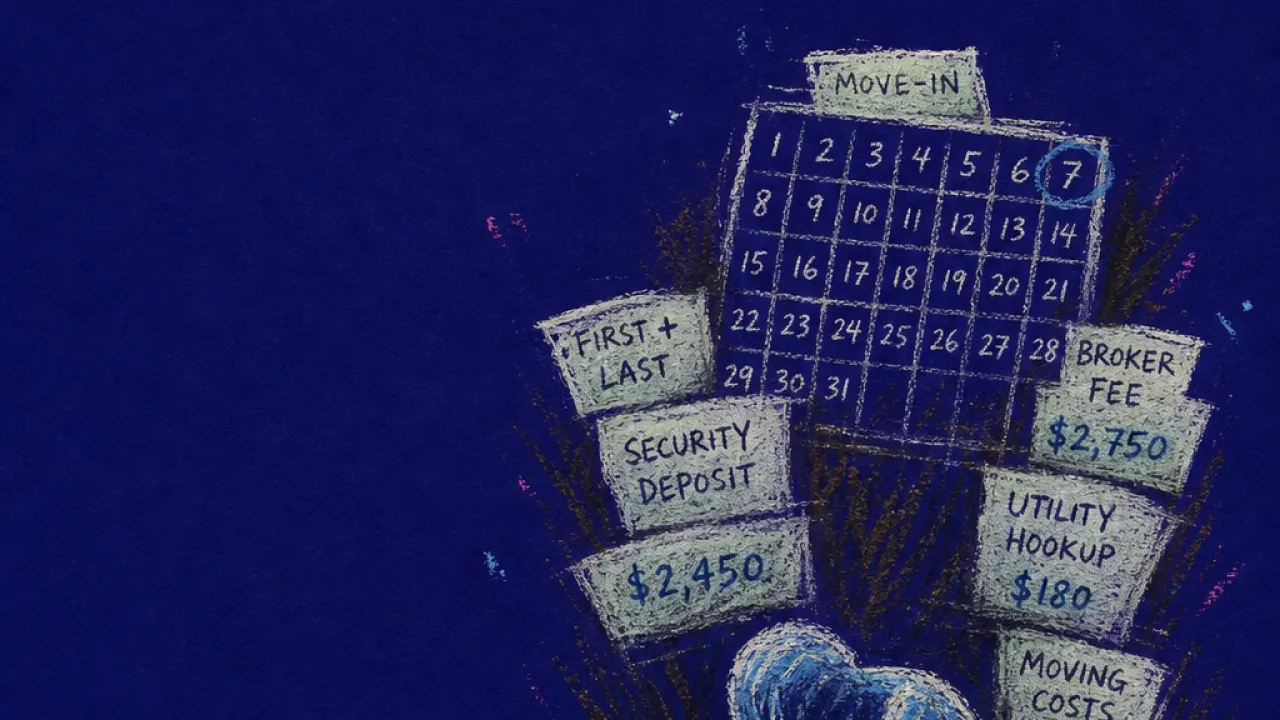
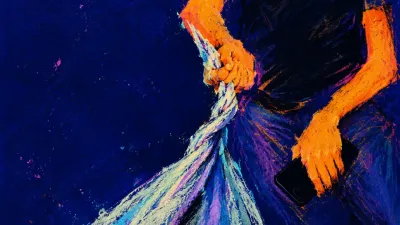
A solitary figure hunched over a lease document as calendar squares and listing tabs press toward one signature line

What is this situation?

Lease Renewal Decision Paralysis — it starts when the renewal email lands in your inbox with a date, a new monthly number, and just enough fine print to make the whole next year feel like it has been dropped onto your desk. You open the portal, leave it open, close it, then reopen it at night while tabs multiply across your screen: apartment listings, moving trucks, security deposits, commute maps, roommate texts, landlord messages, utility estimates, neighborhood reviews. The place you live in is no longer just a place; it becomes a deadline with walls around it. If you stay, you may be signing up for higher rent, another year of the same noise, the same commute, the same maintenance requests that take too long to answer. If you leave, you are suddenly pricing out boxes, deposits, application fees, days off work, and the risk of ending up somewhere no better. The power sits partly with a landlord, partly with a rental market that moves faster than your ability to compare it, and partly with a calendar that keeps shrinking the space between now and the decision. Everyday life starts to run through the question: should I renew, move, negotiate, wait, ask for more time, or pretend the email is not there until the reminder arrives. Your shoulders get tight at the thought of opening the lease document because the choice is not clean; it is a stack of costs, trade-offs, timing, and unknowns pressing into one signature line, much like the figure on the Two of Swords, blindfolded with two blades crossed while water waits behind her.

Why it's not you?

This is not a personal failure to make a simple choice; the choice has been made unusually heavy by rent pressure, renewal deadlines, moving costs, and limited information. The problem has a shape: a high-stakes housing decision being squeezed into a short window by systems that do not slow down for your life.

Lease Renewal Decision Paralysis in Tarot Cards

Lease Renewal Decision Paralysis is not just about choosing an address; it is the pressure of a housing deadline, rising costs, moving logistics, and incomplete information all arriving at once. The tightness in your shoulders when the renewal email sits open is part of the signal that the environment is structuring the choice before you have enough room to think. This is an environmental and structural dynamic, not a private failure to decide. These Tarot Cards reflect the shape of being held between stay, leave, and wait.

The Chariot
Reversed
An armored driver stands above a black sphinx and a white sphinx that face different ways, with the city positioned behind the vehicle and no visible reins in his hands. The opposing bodies reproduce the lease split: one vector pulls toward the familiarity of renewing, while the other pulls toward relocation, lower costs, a shorter commute, or better living conditions. In the reversed orientation, the steering mechanism is unavailable while the external forces remain active. You are expected to declare a direction even though landlords, listing speed, deposit requirements, and the calendar control much of the vehicle. The stalled movement therefore reflects competing structural pressures rather than a simple shortage of determination.
Justice
Upright
A level scale is held opposite an upright sword while the seated figure faces forward between formal pillars. The visual structure matches a lease decision governed by written terms: rent increases, notice periods, deposits, fees, maintenance clauses, and signature deadlines convert a personal housing preference into a contractual judgment. You have access to visible language and comparable terms in the upright orientation, even if the landlord and rental market still hold more leverage. The scale exposes where unlike costs have been collapsed into one monthly number, while the sword marks the point at which evaluation becomes binding. Paralysis intensifies when the contract demands precision that the surrounding housing market cannot provide.
The Hanged Man
Reversed
A figure hangs by one ankle from a wooden frame, physically paused while a halo surrounds his head and the landscape remains still. The image reflects the suspension created when you delay signing, keep searching, wait for a landlord response, or hope a clearer apartment option will appear before the renewal window closes. In the reversed orientation, additional suspension is no longer producing proportionate insight. The same tabs are revisited, the same costs are recalculated, and the external calendar consumes the remaining room to maneuver. Time has stopped functioning as an informational resource and has become another constraint, leaving you suspended between an expiring known option and alternatives that are still incomplete.
The Moon
Upright
A narrow path runs between two towers under moonlight while a dog and wolf react from opposite sides and a creature emerges from the water. The route exists, but the lighting makes distance and detail difficult to judge. Apartment listings create a comparable landscape: polished photos, partial reviews, uncertain maintenance quality, unfamiliar noise, and projected commutes provide information without producing certainty. You still have a visible path in the upright image, so uncertainty does not erase direction altogether. The card distinguishes a route that is incomplete from one that is absent. Lease paralysis develops when the rental system demands commitment under low visibility and every unknown is treated as evidence that the next home could be worse.
Four of Cups
Upright
A seated figure folds his arms beneath a tree while three cups remain on the ground and a fourth is extended from a cloud. The closed posture resembles reopening the lease portal, scanning familiar options, and closing it again because neither the renewal offer nor the available listings feel acceptable enough to engage. You are not without options in the upright scene; the offered cup remains present and the existing cups are still visible. The bottleneck is that repeated exposure has flattened their differences and reduced attention. Avoidance provides temporary distance from an overloaded choice, but the external renewal clock continues to alter the value of every unattended option.
Seven of Cups
Upright
A silhouetted figure faces seven cups suspended in a cloud, each containing a different promise, warning, or concealed unknown. The scene mirrors a screen crowded with apartment tabs: one listing offers lower rent, another a better commute, another more space, while hidden fees, poor management, noise, or competition remain outside the frame. You can see that alternatives exist in the upright image, but visibility is not the same as comparability. The cups expose how rental platforms package unlike trade-offs as interchangeable options. Paralysis emerges because each listing invites projection before enough evidence exists to determine whether it is a genuine route or merely a more attractive uncertainty.
Two of Pentacles
Upright
Two pentacles linked by an infinity loop move between the figure's hands while ships rise and fall on the water behind him. The image mirrors the practical juggling created by renewal: current rent, a higher monthly figure, deposits, moving costs, commute time, utilities, and work disruption all compete for the same limited money and attention. You still have movement in this upright composition; the figure is balancing rather than dropping the resources, and the ships remain afloat despite unstable conditions. That available flexibility does not make the lease decision simple, but it makes the workload legible: the paralysis is being produced by several fluctuating variables, not by an inability to manage ordinary life.
Four of Pentacles
Upright
A seated figure clamps one pentacle to his chest, balances another on his head, and pins two beneath his feet while the city remains behind him. The posture captures the appeal of keeping a known apartment when rent, deposits, and market uncertainty make housing stability feel like something that must be physically held in place. You do possess a real resource in the upright image: an established home base with known bills, routines, commute patterns, and neighborhood knowledge. The constriction appears when protecting that stability limits your ability to test alternatives, allowing security to become indistinguishable from lock-in even when the rent rises or the living conditions remain unsatisfying.
Seven of Pentacles
Upright
A worker leans on his tool and studies six pentacles growing on a vine while a seventh rests near his feet. The pause resembles the renewal checkpoint after another year of rent payments, commute repetition, delayed repairs, neighborhood routines, and accumulated knowledge about what the apartment actually delivers. You have a visible record to assess in the upright scene; the investment has produced something concrete, even if its return is uncertain or disappointing. The timing question is whether another lease cycle is likely to improve that return or merely extend the same compromise. Paralysis appears when the calendar demands an answer before the current housing investment feels clearly successful or clearly exhausted.
Two of Swords
Upright
A blindfold blocks the figure's view while two swords are held in a precise cross and the uneven shoreline sits behind her. The configuration exposes a decision system trying to create perfect symmetry between options that are structurally different: renewing contains known recurring costs, while moving contains uncertain upfront costs and untested living conditions. You retain a deliberate pause in the upright image, and the controlled blades make the decision rule available for inspection. The deeper cognitive bottleneck is the demand that one lease option remove regret, uncertainty, and trade-offs before it can be chosen. The crossed structure reveals that no amount of additional tab-opening can make two unequal housing futures perfectly comparable.
Six of Swords
Reversed
A ferryman pushes a low boat across water while six upright swords occupy the passengers' limited space and obstruct the view ahead. The scene closely resembles relocation under constraint: you may want passage to a different home, but the costs, possessions, application requirements, work schedules, and unresolved uncertainty all have to travel with you. In the reversed orientation, the crossing is not simply refused; the transport system is failing to produce a viable transition. You may have listings but no deposit, a preferred area but no affordable unit, or enough money but no time to move before the lease expires. The blocked path locates the paralysis in the missing bridge between intention and executable relocation.
Eight of Swords
Upright
A blindfold covers the figure's eyes, loose bindings restrict her arms, and a broken ring of swords turns the surrounding ground into an apparent enclosure. Internally, the lease problem can take the same shape when rent, deposits, deadlines, commute limits, and fear of a worse apartment merge into the conclusion that every available option fails. You can still observe gaps between the swords in the upright image, even though the constraints remain serious and physically present. That visual distinction matters because the mind stores a compressed version of the housing market: many separate obstacles become one total feeling of entrapment. The card exposes where material limits end and undifferentiated threat projection begins without pretending the external barriers are imaginary.
Nine of Swords
Upright
A person sits upright in bed with their face in their hands while nine swords line the dark wall and a patterned quilt covers the lower body. The night setting mirrors the renewal portal reopened after hours, when rent figures, imagined moving failures, landlord messages, and deadline calculations enter the space that should contain rest. You can see the full burden arranged above the bed in the upright image, which makes the cognitive load observable rather than shapeless. The swords show multiple recurring thoughts attached to one external housing event. This visibility separates a stressful decision cycle from a personal defect: the lease has occupied the mental buffer because its consequences are large and its variables remain unresolved.
Two of Wands
Upright
A figure stands on a battlement with a globe in one hand, one wand fixed to the wall, and another held beside him as he looks across land and water. The current lease resembles the secured wand: it is a known base, while the open landscape holds other neighborhoods, commute patterns, rental prices, and versions of daily life that have not yet been tested. You have access to both a vantage point and a wider horizon in the upright scene, so the direction problem is not pure aimlessness. It is the difficulty of comparing a concrete present with an abstract future when the market supplies listings faster than lived evidence. The paralysis sits between retaining a proven base and authorizing a move toward incomplete possibilities.
Eight of Wands
Upright
Eight wands travel in the same diagonal direction above a river and settled landscape, creating a scene of messages and events already in motion. The renewal email, reminder notices, listing alerts, viewing slots, and competing applications reproduce that velocity: housing information arrives quickly, but each item requires consequential evaluation. You can see the trajectory clearly in the upright image, which makes the time pressure identifiable rather than random. The problem is that the rental market's communication speed exceeds the pace required for careful comparison. A year-long commitment is therefore being processed through short response windows designed around transaction flow rather than the tenant's need for certainty.
Ten of Wands
Upright
Ten wands fill the carrier's arms, bend his posture, and obstruct his view even though the town ahead is close. The renewal decision takes on the same physical structure when listings, inspections, landlord messages, boxes, deposits, utility transfers, roommate coordination, and time away from work are bundled into one supposed housing choice. You can still see a destination in the upright scene, which makes the burden finite and identifiable rather than endless. The card preserves the possibility of completion while exposing why staying can win by default: the moving path may be technically open, but its administrative load has been concentrated onto one already occupied person.

Lease Renewal Decision Paralysis in Tarot Card Reading Insights

When Lease Renewal Decision Paralysis shows up, others have brought the same renewal window, rent increase, and moving-question spiral into readings. The focus shifts from the cards themselves to what appears when people sit with this housing deadline. Tarot Reading Insights from sessions on this situation.
Psychological Contexts Related to Lease Renewal Decision Paralysis