Explore the uneasy return to shared routines, the Tarot Cards that mirror it, and reading insights from moments left unresolved.
Conflict Reentry Limbo
What is this situation?
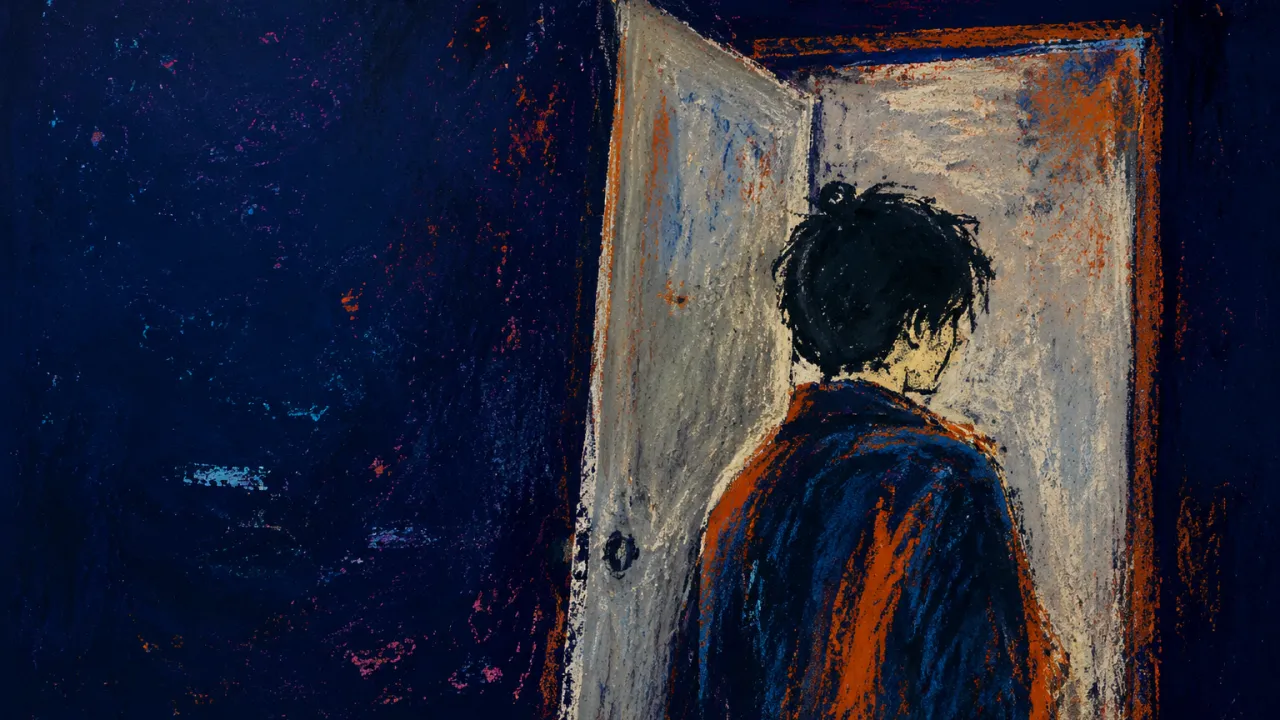
Conflict Reentry Limbo begins after a rupture with a partner, friend, roommate, or colleague, when you are expected to return to the same rooms, group chats, plans, or shifts before anyone has said what happens next. The argument may have ended abruptly, been paused by work or distance, or been followed by a brief apology that did not address the point of conflict. Now everyday contact resumes in fragments: a practical text, a shared dinner table, a meeting invite, a casual reply that skips over the unresolved part. You watch the timing of messages, decide whether a neutral tone means peace or avoidance, and enter familiar spaces with your shoulders prepared for the conversation that may or may not happen. The other person is still present, but the terms of being close, cooperative, or comfortable again have not been made clear. It can leave every ordinary interaction carrying two tracks at once: what is being said and what remains untouched, much like the figure on the Two of Swords, seated at the water's edge with a blindfold on and two swords held evenly in front of her.
Why it's not you?
Conflict Reentry Limbo is created when ordinary access resumes before the disagreement has been named or repaired. The mixed signals, logistical contact, and unspoken terms belong to that unfinished arrangement; they are not evidence that you should make the transition easier alone.
Conflict Reentry Limbo in Tarot Cards
In Conflict Reentry Limbo, shared routines resume while the terms of contact stay unspoken. The pause can show up when your hand hovers over a message or your shoulders prepare before you enter a familiar room. This is an environmental and structural dynamic: the social space is open again, yet the unresolved conflict still governs the dynamic. The Tarot Cards below mirror the outline of this in-between arrangement.
Two figures stand beneath an angel between distinct trees, placing relationship choice and mutual alignment in a shared landscape. Reversed, the scene shows a partnership returning to contact without restoring agreement about values, boundaries, or the kind of closeness that should follow the rupture. You may be asked to continue the relationship before the choice about its terms has been made jointly. The divided orientation does not dictate an outcome; it reveals that ordinary access can conceal a fundamental misalignment about whether the conflict is being repaired, bypassed, or repeated.
The formal figure sits between pillars holding scales and a sword, presenting the tools for weighing competing accounts and stating an enforceable conclusion. Reversed, those tools lose institutional force, leaving the family system active without a trusted process for accountability. You may be expected to attend, reply, or cooperate because family access is treated as automatic. The unsettled scales show why resumed contact cannot settle the conflict when responsibility, impact, and boundary consequences remain unevenly recognised.
The figure hangs upside down from a living tree, suspended in a posture that stops ordinary forward movement. The image fits a conflict whose practical timeline keeps moving while its relational resolution remains held in place. You may be expected to return before the arrangement has produced a usable perspective on what happened. The suspension is not evidence of personal failure or a permanent verdict; it shows a system paused between old access and a new agreement, with neither side yet changing the frame enough to release the next stage.
The angel carefully pours between two cups while standing across land and water, creating a visual model of negotiated balance. Reversed, the friendship's separate positions do not blend into a shared understanding even when plans and messages begin again. You may participate in ordinary contact while still carrying a different account of what repair would require. The disrupted stream shows why a friendship cannot regain ease through proximity alone when no one has built a common container for the conflict and its aftermath.
The moon casts reflected light over a winding path between two towers while a dog, a wolf, and a creature emerging from the water respond differently to the same landscape. Enough is visible to keep moving, but not enough to collapse uncertainty into one reliable interpretation. You may read a neutral message several ways because the social environment is producing cues without naming its terms. The moonlit scene keeps the source of the ambiguity external and relational: your mind is working with partial signals from a connection that has resumed contact but withheld a shared explanation.
The trumpet addresses rising figures in a scene designed to make review, recognition, and transition collective and explicit. Reversed, the call is not fully answered, so ordinary life can restart without the shared reckoning that would give the restart a different meaning. You may be tempted to interpret a casual invitation or practical message as proof that the conflict is over because access has returned. The blocked awakening reveals the deeper structural distinction: contact can resume through habit or necessity, while accountability, revised understanding, and restored trust remain separate and unfinished processes.
The central figure moves inside a wreath while four witnesses hold the outer frame, creating an image of completion, recognition, and a boundary fully closed. Reversed, the frame fails to seal the transition: the visible world carries on, but one relational chapter remains structurally unfinished. You may appear to have returned to normal while still lacking a shared account of whether the conflict changed the relationship. The incomplete enclosure shows why long-term direction cannot be inferred from casual messages, meetings, or plans alone; the social cycle has restarted without establishing what has actually ended or begun.
Two people face one another with cups raised in a visibly reciprocal exchange beneath a binding emblem. Reversed, proximity remains possible while the mutual agreement represented by that exchange is no longer secure. You may trade memes, answer practical messages, or accept a casual invitation from your friend while still not knowing what the friendship can hold. The interrupted exchange distinguishes communication from reconciliation, showing why familiar friendliness does not by itself restore confidentiality, loyalty, or equal emotional access.
Three figures raise their cups in a circle, their arms creating a shared social rhythm. Reversed, the circle loses its easy coherence: friends may continue making plans or exchanging casual messages while the original conflict remains an unspoken object inside the group. You can join the celebration and still feel that the social structure is performing continuity rather than establishing it. The overturned orientation exposes the difference between being included in an event and having the friendship network acknowledge the terms under which you are returning.
The seated figure looks down at three cups while a fourth is extended from a cloud, creating a scene of an offer that does not meet the visible emotional position. In a friendship, a casual plan or practical message can function as that cup when the fallout itself is still being avoided. You may recognize the invitation without treating it as repair. The figure's fixed posture shows the structural difference between returning to contact and receiving an account of what happened, especially when the friendship expects ordinary participation before it has made the unresolved point speakable.
The cloaked traveller moves away from eight carefully arranged cups beneath an eclipse, crossing uneven ground toward an uncertain horizon. Reversed, the directional force turns back toward what was left unfinished, while the gap in the cups remains visible. You may return to messages, plans, or shared spaces because separation was never fully chosen, yet find that return does not equal recommitment. The blocked departure exposes the real decision bottleneck: access has resumed before anyone has clarified whether the connection is continuing under new terms or simply defaulting to the old ones.
The couple, children, home, and arc of cups create a complete public image of family continuity and shared emotional life. Reversed, the image of togetherness remains visible while the emotional agreement supporting it is unavailable. You may sit at the same table, attend the celebration, or answer the family chat while everyone behaves as though physical presence settled the rupture. The inverted household exposes the structural split between family membership and repaired belonging, making the unspoken conflict part of every apparently ordinary reunion.
The Page holds a cup containing an unexpected fish, turning an emotional offering into something surprising, awkward, and difficult to interpret. Reversed, the message cannot reliably carry the maturity or substance required for repair, even though it creates an opening for renewed contact. You may receive a quick apology, joke, or soft check-in from your friend and then find the old conversation has been treated as complete. The compromised offering shows why the friendship can reopen without the rupture being metabolised: a signal was sent, but accountability, impact, and revised boundaries were not fully contained within it.
The juggler keeps two pentacles moving inside an infinity loop while ships rise and fall on the water behind him. The scene mirrors a daily system carrying two tracks at once: practical coordination continues while the unresolved conflict remains in circulation beneath it. You may manage meals, messages, rooms, and schedules with competent flexibility while never receiving a stable arrangement for the relationship itself. The looping coins show why routine can absorb the conflict without resolving it, making every ordinary task part logistics and part emotional risk management.
The artisan, the two plan-holding figures, and the unfinished structure show learning and production occurring through coordinated expertise. Reversed, the shared project remains active while the collaborative scaffold fails to align the people responsible for it. You may return to the group document, lab, or seminar discussion because the deadline did not pause with the argument. The unstable workshop makes the educational bind visible: completing the assignment requires contact, but task contact alone cannot clarify trust, credit, feedback boundaries, or how the conflict changed the team.
The standing figure weighs coins while distributing them to two kneeling people, turning support into a visible exchange. Reversed, a friendship can resume its practical rhythm while one person supplies most of the explanation, emotional labor, or flexibility needed to make the return appear smooth. You may be invited to participate without wanting to become the friendship's designated repair manager. The uneven scale names the structural issue: resumed access is not proof that responsibility for restoring trust has been shared.
The sword crowned with a wreath rises cleanly above the clouds, a visual promise that the central issue can be spoken plainly. Reversed, the friendship has access to messages and plans but not to the sentence that would identify what happened and what the connection requires now. You may keep translating a friend's neutral tone because the friendship has no shared wording for its changed terms. The inverted blade shows how silence is not empty here; it actively preserves multiple incompatible interpretations of the same renewed contact.
The blindfolded figure holds both swords at the same height, creating a private barrier between herself and the water. That barrier resembles a friendship that has resumed messages or plans without deciding whether the old level of access still applies. You can participate in the friendship's logistics while remaining unable to tell whether the unresolved issue is being held for later or erased from the social script. The card keeps both possibilities in view and shows why a neutral reply cannot, by itself, establish a repaired friendship.
The recumbent figure lies beneath three suspended swords while a fourth rests beside him and a stained-glass scene marks the protected interior. Reversed, the shelter cannot hold long enough for the pause to become restorative; activity resumes while the conflict still hangs overhead. You may be back on shift, at the table, or answering practical texts because the calendar has restarted the relationship before either person has established readiness. The premature return makes timing itself part of the problem, separating externally required contact from an internally and mutually completed cooling-off period.
The sword-holding figure remains in the foreground while two others retreat and discarded blades mark the ground between them. The image keeps the relational cost visible after the active confrontation has ended, including who retained control and who had to withdraw. You may meet your friend again because the invitation is easier to answer than the conflict is to revisit. The visible aftermath explains why a familiar hangout can still feel structurally unequal: renewed access has not yet restored dignity, shared reality, or confidence that disagreement will be handled differently next time.
The boat, its quiet passengers, the divided water, and six swords embedded in the vessel depict a crossing that carries its burden with it. Reversed, the passage cannot establish a reliable far shore; logistical movement occurs, but the conflict remains inside the structure doing the moving. You may be back in the relationship, team, or shared environment without knowing whether it is actually going anywhere different. The blocked crossing distinguishes renewed access from directional progress, making it possible to see why familiar contact has not resolved the larger question of what comes next.
The page stands with a sword raised, body turned toward every movement in the windy landscape. In a workplace, that alert stance resembles reading a coworker's messages, meeting tone, and timing for evidence about whether the unresolved disagreement is likely to surface again. You can remain professionally engaged while treating each exchange as data because the team has not given the conflict a clear status. The sword shows attention becoming a workplace coping system when direct clarification is missing from the communication channel.
Four wands hold a decorated canopy before an inhabited building as figures approach the shared threshold. Reversed, the physical structure stays accessible while its promise of stable welcome and communal ease is withdrawn. You may return to the family home or resume household plans because the space and obligations are shared, not because the relationship has been repaired. The unstable threshold captures the limbo precisely: entry is permitted, but the emotional and practical conditions governing that entry remain unspoken.
Five figures crowd together with staffs crossing at incompatible angles, creating a public field of contested movement. Reversed, the visible clash is pushed below the group's operating surface, but the same intersecting interests continue to structure how everyone occupies the space. You may reenter a group chat or social plan where people act casual because open disagreement would inconvenience the wider circle. The compressed conflict makes every joke, reply, and seating choice carry extra meaning, while the group gains continuity without creating a shared process for repair.
Eight wands travel through open air toward the ground, creating a clear visual of messages or events moving quickly toward arrival. Reversed, the sequence becomes delayed and uneven: practical texts, replies, and reentry signals do not arrive in a pattern that clarifies what the conflict now means. You may be forced to make timing decisions from fragments, with one message opening contact and the next disappearing into silence. The inverted motion shows why a resumed channel can still feel unusable when the pace of communication is disconnected from any shared repair process.
The bandaged figure watches from behind a held wand while eight others create a protective barrier across the scene. His stance makes memory, vigilance, and a still-available boundary physically visible without pretending the earlier impact has disappeared. You may enter each message thread, room, or shift prepared for the unresolved issue to return. The guard position reveals how external ambiguity occupies internal bandwidth: contact keeps restarting, but no explicit repair signal has allowed the monitoring system to release its post.
No cards available for this filter.
Conflict Reentry Limbo in Tarot Card Reading Insights
When Conflict Reentry Limbo keeps shared routines moving without a clear return, people bring that unfinished contact into readings. Browse Tarot Reading Insights from sessions shaped by this in-between.