Stuck at the Edge of Choice?

Explore the freeze before choice, related tarot cards, and tarot card reading insights from other readings.

Analysis Paralysis
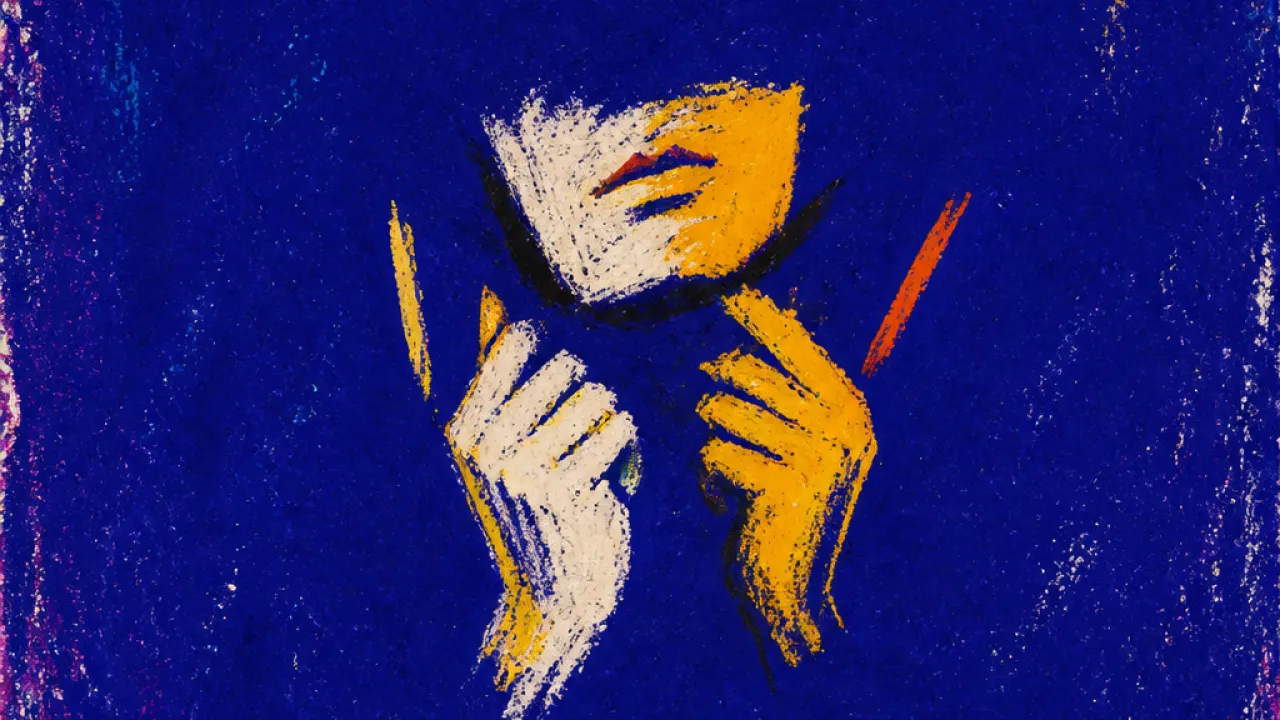
What does this feel like?

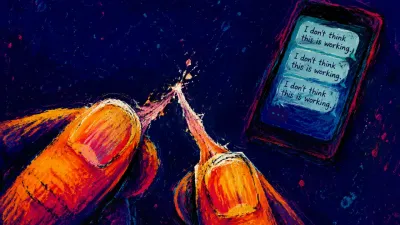
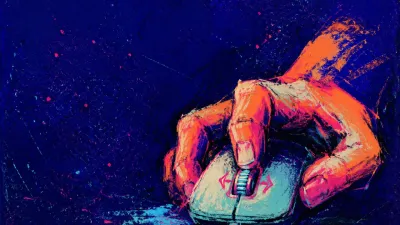
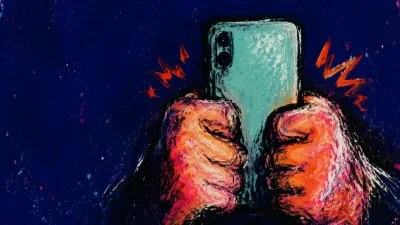
Analysis Paralysis is the feeling of standing at the edge of a choice while your mind keeps adding another angle, another cost, another version of what could go wrong or right. It often lands in the body as a tight band behind the eyes, a shallow breath, a held jaw, hands hovering over the screen while you reread the same message, tab, pros-and-cons note, or shopping cart like it might finally give you one clean answer. The day keeps moving, but inside, everything is paused: you refresh, compare, ask one more person, open one more review, make a new plan, then feel the answer slip farther away because every new detail brings a new "but what if." You can look calm from the outside, even productive, while the inside feels overlit and crowded, like every option has become a tiny courtroom where you have to defend the future before you are allowed to take one step. The inner voice sounds reasonable at first — just check this, just be smart, just don't miss the obvious thing — until the checking turns heavy and the choice starts to feel less like a doorway and more like a weight you have to hold perfectly still, much like the blindfolded figure on the Two of Swords, holding both blades so evenly that the body has no free hand left to move.

Why you're feeling this?

Analysis Paralysis is not a failure of will; it is what happens when the need to choose starts carrying more weight than one moment can comfortably hold. You are not wrong for wanting enough clarity before you move. Something in you is asking for a decision that feels safe enough to inhabit, not just smart enough to justify.

Analysis Paralysis in Tarot Cards

That tight band behind your eyes, shallow breath, and held jaw are how Analysis Paralysis can take shape before a choice ever happens. This is a universal emotional experience: the mind keeps adding angles while the body waits for one signal clean enough to trust. Tarot can mirror that suspended threshold without turning it into a lecture. These Tarot Cards reflect the contours of Analysis Paralysis.

The Lovers Reversed
The Lovers is built from divided reference points: two figures, two trees, a serpent winding through one side, and an overhead presence that neither figure physically touches. The eyes do not settle into one shared line, so the image holds multiple interpretations at once. In reversal, that multiplicity hardens into a loop. The coiling serpent becomes a perfect image for thought circling the same branch again and again, while the separate trees turn each option into its own self-contained argument with its own cost, promise, and hidden implication. Analysis Paralysis belongs to this card when the decision has become over-symbolized. You are no longer comparing options; you are trapped inside the meaning of comparing, trying to solve the entire future before allowing one grounded move to exist.
The Hermit Reversed
The Hermit's gaze bends toward the lantern, and the entire dark field is reduced to the small area the light can reach. The wider landscape exists, but the eye keeps returning to the contained circle of illumination. Analysis Paralysis belongs here when a decision becomes trapped inside its own lamp. The same facts are inspected again and again, not because they are useless, but because the mind is trying to make limited light behave like total certainty. You may be gathering more data, replaying more scenarios, or comparing more costs, yet the inner system remains still on the ridge. The card makes the loop visible: clarity has become too narrow to create movement, and the decision needs a wider field of meaning rather than another pass over the same evidence.
Justice Reversed
The scales hang evenly, the sword stays vertical, and the figure faces forward without any visible motion toward resolution. Behind the seat, the curtain keeps the deeper machinery hidden, while the hall rises beyond the frame. For a choice reading, this is the moment when weighing becomes its own enclosure. The mind keeps asking for one more factor, one more hidden cost, one more proof that the decision will not betray you later, and the stillness starts to harden into delay. Analysis Paralysis belongs to Justice because the card’s instruments can clarify or immobilize depending on how they are held. Here, the emotional knot forms when the search for fairness, accuracy, and consequence becomes so strict that it blocks the very agency it was meant to protect.
The Hanged Man Reversed
The halo concentrates light around the inverted head while the body remains completely still. The image gives attention a clear center, but that light does not translate into physical movement. Analysis Paralysis belongs here because the decision field becomes overlit in the mind and under-moved in the body. Risks, hidden costs, timing, and possible regret keep gaining detail until the act of choosing feels farther away, not closer. The Hanged Man makes this loop visible without reducing it to indecision. You are suspended inside cognition itself, seeing more angles than your nervous system can metabolize, and the card points to the place where insight has stopped becoming agency.
Temperance Reversed
The angel balances between land and water while the liquid moves from cup to cup in a perfectly controlled loop. The road beyond the figure is clear enough to see, yet the body remains absorbed in the transfer, as if the next step has been delayed by the need to keep refining the mixture. Analysis Paralysis grows from that suspended precision. In a decision spread, the card can mirror the state where every option is repeatedly reprocessed, every tradeoff is remeasured, and the actual movement toward the path keeps being postponed. You may be calling it being responsible, but the image shows how responsibility can become a closed circuit when no amount of additional comparison is allowed to become a choice. Temperance here names the exhaustion of trying to reach perfect inner proportion before granting yourself permission to act.
The Moon Reversed
The road through The Moon looks navigable and unreadable at the same time. It leads forward, but the towers, hills, animals, water, and reflected light create a field of signals that never resolves into simple instruction. In personal growth, that becomes the mental loop of trying to decode every sign before taking a step. You may collect frameworks, compare routines, audit beliefs, and keep searching for the perfect explanation because movement feels unsafe without full interpretive control. Analysis Paralysis is anchored in the reversed Moon's overloaded ambiguity. The mind keeps working because the landscape refuses to become certain, and the effort to solve the path replaces the act of walking it.
The Sun Reversed
The Sun's rays are highly organized, alternating between straight and wavy lines, while flowers, wreaths, wall, flag, horse, and child all carry their own visible signal. The card is bright, but it is also full. Every part of the image asks to be read. In a decision spread, that fullness can become a pressure field when every factor is illuminated at once. The hidden cost, the better option, the old investment, the future upside, and the desire underneath the logic can all appear simultaneously, leaving the system flooded with clarity it has not yet organized. Analysis Paralysis is the freeze that happens when illumination outpaces integration. The Sun does not make the choice unclear; it shows how too much visible information can stall action until the central signal is separated from the decorative noise.
Seven of Cups Reversed
The figure faces seven cups without stepping toward any one of them. The lifted arm and fixed stance hold the body at the threshold, as if the act of choosing has become heavier than the visions themselves. In personal growth, this is the state where every path demands comparison before it earns commitment. The more the mind evaluates courses, strategies, identities, habits, and outcomes, the more the body remains unmoved. Analysis Paralysis names the frozen pressure of trying to think your way into the perfect evolution. The reversed Seven of Cups shows that clarity cannot be recovered by adding more options; the emotional knot sits in the fear of reducing possibility into one grounded move.
Four of Pentacles Reversed
The figure faces forward, but the body does not follow the direction of the gaze. The town and mountains are visible behind him, while the coins remain fixed at head, heart, and feet. Analysis Paralysis takes that split and turns it into an inner state: the mind can see the decision field, but the body cannot translate visibility into motion. Every new angle adds another point to secure, another cost to count, another reason to remain still. The card gives the paralysis a concrete form. It shows that the blockage is not a lack of information; it is a system where information has been recruited to prevent the discomfort of movement.
Eight of Pentacles Reversed
The craftsman’s body folds toward a single coin while other pentacles wait around him, finished and unfinished. The scene contains progress, but it also contains a narrowness of attention that can turn one detail into the whole world. In a decision spread, that visual compression becomes the emotional logic of Analysis Paralysis. The choice is not ignored; it is examined so intensely that every mark on the surface produces another possible interpretation, another condition, another reason to keep working before choosing. This feeling often arrives when clarity has been confused with total certainty. The Eight of Pentacles reveals how diligence can become a closed loop when the workbench replaces the horizon and the mind keeps carving the same question instead of recognizing when enough has been seen.
Page of Pentacles Reversed
The raised coin fills the Page's field of vision until the open landscape behind him becomes secondary. His body contains the beginning of movement, but the gaze keeps returning to the same object for another round of inspection. Analysis Paralysis is the feeling of being mentally pinned by the very thing meant to clarify the choice. In a decision reading, this card shows how scrutiny can stop serving agency and become a loop where every new detail delays the moment of ownership.
Knight of Pentacles Reversed
The horse is built to move, yet every visible line of the card holds it in place: armor, reins, the lifted pentacle, and the distant gaze. The Knight is dressed for action while the scene suspends him in calculation. Analysis Paralysis forms when the decision system keeps asking for one more scan of the horizon before allowing movement. The card mirrors the way a choice can become heavier each time you try to make it perfectly rational, until clarity starts feeling like another condition you must satisfy.
Ace of Swords Reversed
The sword is raised in a position that implies action, yet the image holds it in suspension. The distant hills remain visible below, but the eye keeps returning to the blade, as if the mind cannot move from seeing the route to entering it. Analysis Paralysis lives in that suspended posture. In timing questions, the inner system keeps testing the angle of the strike, the possible consequence, the exact opening, and the meaning of every delay. The more the mind studies the moment, the harder movement becomes. You may not be avoiding action because you lack desire. The card reflects a sharper bind: thought has become so responsible for finding the perfect time that it has lost contact with the body that would actually move.
Two of Swords Upright
The blindfolded woman holds two swords in a perfectly balanced V over her chest while the dark water stays behind her. The image turns decision-making into a held muscular equation: every option remains lifted, every consequence stays suspended, and the body has no free hand left for movement. In personal growth, that posture maps to the moment when insight becomes a blockade instead of a bridge. You can see too many angles at once, so the next step stops being a step and becomes a mental courtroom with no clear ruling. Analysis Paralysis belongs to this card because the visual system is not confused in a loose or chaotic way; it is too evenly balanced to move. The swords show a mind trying to protect clarity so intensely that clarity itself becomes immobilizing.
Reversed
Both swords remain raised with equal force, and the scene offers several directions without giving the body a route. The card is full of possible movement, but every line is held inside a rigid pause. Career analysis can take this same shape when strategic thinking turns into a closed loop. You keep comparing titles, salaries, growth paths, stakeholder reactions, industry timing, and future credibility until the comparison becomes heavier than the decision itself. Analysis Paralysis fits the card because the mind is not empty; it is over-structured. The reversed energy shows the decision frame becoming too rigid to move through, turning intelligence into suspension instead of direction.
Seven of Swords Reversed
The figure is already in motion, but his gaze keeps returning to the camp and the two swords left behind. The scene never feels fully complete because the body has chosen a direction while the mind remains attached to the unchosen remainder. That split creates the texture of Analysis Paralysis in a decision context. You may keep moving in small ways, collecting reasons, comparing outcomes, and checking for hidden downsides, while the deeper system refuses to let the choice become final. The Seven of Swords makes the paralysis concrete: it is not a lack of intelligence, but an overload of strategic surveillance. The card points to the moment where more review stops producing clarity and starts protecting you from the vulnerability of commitment.
Eight of Swords Upright
The woman is upright, surrounded by eight separate blades, with her arms bound and her eyes covered. The body has not fallen, but it also has not translated the available space into action; the scene feels like motion paused by too many sharp reference points. That is the visual grammar of Analysis Paralysis in a choice spread. The mind keeps treating each option, cost, and contingency as another sword to account for before movement is allowed, until evaluation itself becomes the enclosure. The card keeps the focus on clarity rather than blame. It shows that the problem is not a missing ability to choose; it is an over-constricted decision system where more mental scanning has stopped producing more freedom.
Reversed
The blindfold removes direct sight while the eight swords multiply the sense of possible wrong turns. The body cannot test the field freely, so the mind is left to simulate risk through a rigid perimeter of blades. Analysis Paralysis is a precise fit for timing questions because the card shows what happens when reading the moment becomes more important than inhabiting it. Every signal can become another sword, every condition another reason to remain locked in place. The reversed expression is not simple caution. It is an overstructured inner field where the search for the perfect opening drains the capacity to recognize a workable one.
Nine of Swords Reversed
The figure cannot see, yet she is surrounded by signs: swords overhead, symbolic fragments below, darkness everywhere else. The image creates a field where information exists, but orientation does not. That is the emotional logic of Analysis Paralysis in a choice reading. The user keeps gathering, comparing, decoding, and replaying, but the more material enters the field, the less the body can move toward a decision. The card's power is that it separates thinking from clarity. It shows a mind trapped in interpretation, where the next piece of data may feel necessary while actually deepening the stall.
Ten of Swords Reversed
The ten swords are not chaotic; they are almost too orderly. Their precision turns the body into a fixed diagram, as if every thought has found a place to land and none of them create movement. In reverse, this becomes Analysis Paralysis: thought multiplied until it immobilizes the choice it was supposed to clarify. The dark sky and pinned body show a mind crowded by variables, risks, and counterarguments until the decision field loses oxygen. This card does not shame thinking. It reveals the point where thinking has stopped serving agency and started reenacting pressure, which is the exact place a Choice Tarot reading can separate useful evidence from mental overstrike.
King of Swords Reversed
The raised sword draws the eye into a narrow line of judgment while the open sky and distant trees offer a wider field of possible movement. The King remains seated, so perception sharpens without turning into motion. In direction work, this becomes Analysis Paralysis: the future is not invisible, but every visible path is cut into smaller and smaller arguments. The blade that could clarify starts multiplying criteria until choice itself feels suspended. The reversed emotional logic is not simple confusion. It is the exhaustion of excessive precision, where You keep trying to think Your way into the perfect trajectory and end up unable to enter any trajectory at all.
Three of Wands Reversed
The wide sea offers routes, ships, distances, and a far shoreline, while the man remains in place with the wands forming a structured frame around him. The scene can be read as strategy, but in reversal that same structure can harden into a mental grid with too many variables to resolve. Analysis Paralysis appears when the horizon becomes more scannable than actionable. In personal growth, it is the state of consuming frameworks, comparing possible selves, and refining plans until movement is postponed by the need for cleaner certainty. The Three of Wands connects this feeling to the body at the edge. You can see more than enough to begin, but the mind keeps treating the next step as a navigation problem that must be solved completely before it is allowed to be lived.
Five of Wands Reversed
Raised arms and crossed wands hold the scene in a suspended collision. Nothing has landed, nothing has integrated, and the crowded foreground leaves almost no clean space for the eye to rest. In reverse, that suspended motion becomes the inner freeze of Analysis Paralysis. The mind keeps lifting one more wand, one more variable, one more possible consequence, but the added information does not build structure; it only thickens the field. This emotion belongs to the choice process because the card shows effort without resolution. You are not avoiding the decision through emptiness or laziness; you are caught in a system where every new angle seems necessary, yet each one makes movement harder to initiate.
Eight of Wands Reversed
The Eight of Wands offers eight similar lines in motion, but no person in the scene to rank them, hold them, or choose among them. Their repetition creates coherence at a distance, yet up close the lack of hierarchy can make each line feel equally persuasive. When a decision has too many defensible reasons, the mind can become trapped in comparison even when the overall direction seems obvious. The stream below adds a boundary: there is a before and an after, a near bank and a far bank, but the crossing point still has to be chosen. Analysis Paralysis fits the reversed expression of this card because too much signal can become its own blockage. The card turns the overload into something visible, so you can examine which line is evidence, which line is noise, and which line only repeats the fear of choosing.
Ten of Wands Reversed
The wands rise in front of the man like a portable thicket, hiding the face and crowding the space where clear sight would usually be. The route still exists, but the body is organized around holding the bundle rather than scanning the landscape. Reversed, this becomes a decision state where information does not clarify; it accumulates. Every factor is kept in the same mental grip, so the choice turns into a dense object that must be carried whole instead of a set of pieces that can be inspected. Analysis Paralysis is the felt freeze of too much evaluation inside too little inner space. The card does not suggest that thinking is the problem; it shows the moment when thought has become load-bearing, and the first clean move is to see what has fused together.

Analysis Paralysis in Tarot Card Reading Insights

When Analysis Paralysis leaves you rereading the same signs and still holding the choice in place, it can enter a reading as a pause before movement. Others have brought that same overlit decision-space to the cards, where the spread reflects the shape of what keeps circling. Tarot Reading Insights for Analysis Paralysis.
Psychological emtions related to Analysis Paralysis