Too Many Valid Paths?

Explore the crowded feeling of competing choices through related tarot cards and tarot reading insights from similar sessions.

Choice Integration Overwhelm
What does this feel like?

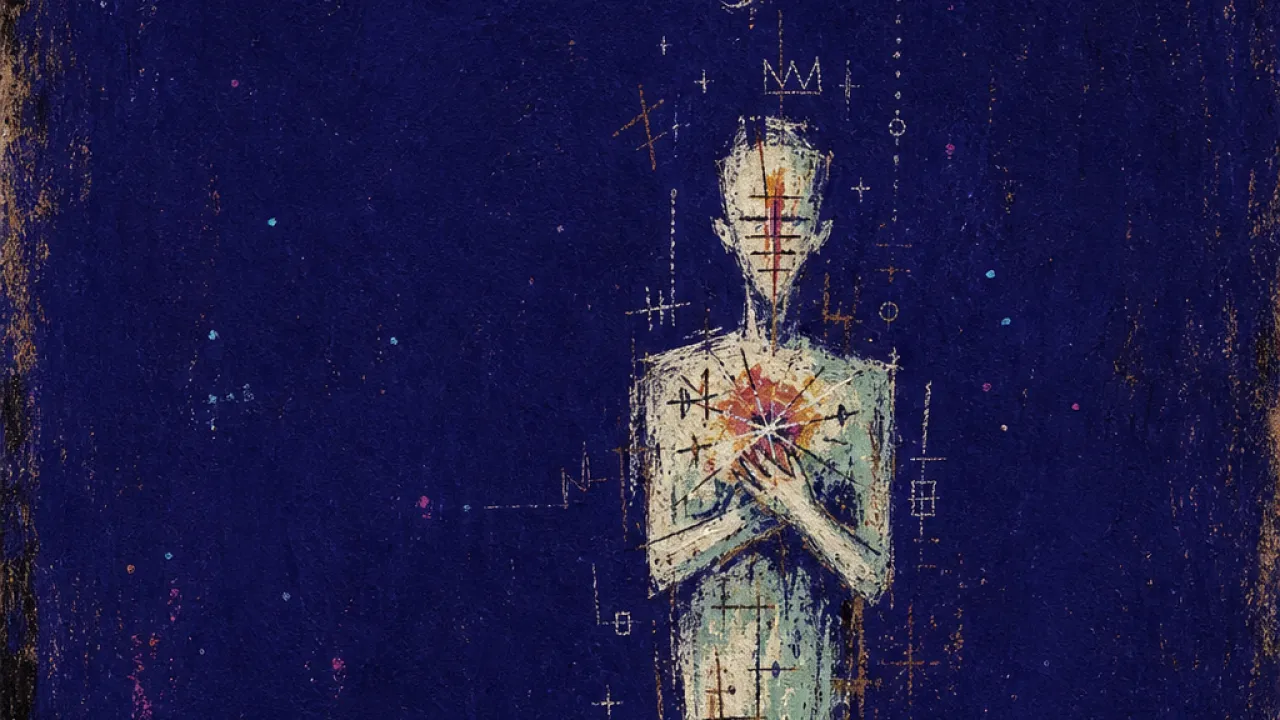
Choice Integration Overwhelm — you feel it in the moment before you answer, when your chest tightens and your mind starts opening every drawer at once: consequences, timing, values, money, feelings, future versions of yourself, the people who might be affected, the version of you who says yes, the version of you who says no. Nothing is empty, and that is exactly the problem; each option carries something legitimate, so your attention keeps splitting until even a simple choice starts to feel like standing in front of a wall of open tabs you cannot close. Your body may go still while your mind gets loud, as if movement would mean betraying one important piece of the picture. You reread messages, replay conversations, make lists, change the list, ask yourself what you really want, then immediately ask what that want would cost. The overwhelm is not only about choosing; it is about trying to let every signal matter equally and still produce one clean yes. You may feel a strange mix of responsibility and paralysis, like your inner world has become too complete to move through, much like the figure beneath the Seven of Cups, facing a clouded spread where every cup holds a different possible life and none of them can be touched yet.

Why you're feeling this?

Choice Integration Overwhelm makes sense when every part of you is trying to stay honest about what matters. You are not failing because the answer is not instant. Sometimes the system gets loud because it is trying not to erase something important too quickly.

Choice Integration Overwhelm in Tarot Cards

That split-second freeze in your chest is the signature of Choice Integration Overwhelm: every option feels too full to reduce. The body can get tight and static, as if one nervous system is trying to hold seven possible lives at once. This is a universal emotional experience, especially when clarity is crowded by too many meaningful inputs. The Tarot Cards below mirror that crowded field without forcing it into a simple answer.

The World Reversed
The card gathers the wreath, the crown, the ribbons, the four creatures, the clouds, and the two wands into one densely integrated field. Everything connects, but that very completeness can make the image feel overloaded when the system has no room to simplify. Choice Integration Overwhelm is the feeling of trying to make every consequence matter equally. In a high-stakes decision, you may keep adding variables, hidden costs, possible regrets, values, timelines, and imagined outcomes until the map becomes too complete to move through. The World gives this emotion a distinct shape because its symbol is totality. In this orientation, totality becomes saturation: the desire to account for the whole picture starts consuming the agency that the whole picture was supposed to return.
Ace of Cups Reversed
The cup releases five separate streams into one shared pool, and each stream remains visible before it merges. The image holds plurality at the center: senses, feelings, inputs, and possible meanings moving at the same time. A crossroads can feel exactly like that when two good options each carry a legitimate truth. Choice Integration Overwhelm is not simple indecision; it is the strain of trying to honor every real emotional input while still producing one embodied yes.
Two of Cups Upright
Two cups held at the same height make the decision feel less like a simple preference and more like a demand to honor two living claims at once. The man steps forward while the woman stays rooted, so movement and steadiness occupy the same frame without one cancelling the other. The caduceus between them turns the space into a negotiation channel rather than a clean split. You may feel overwhelmed because the real task is not picking the shinier cup; it is integrating values, costs, loyalties, and future consequences that all appear legitimate. The distant town gives the exchange a life beyond the moment. The pressure comes from sensing that each option could become a whole path, and that your choice has to carry more emotional complexity than a quick yes or no can hold.
Three of Cups Upright
Grapes, vines, gourds, pumpkins, cups, robes, wreaths, and bodies all crowd the visual field with signs of ripeness. The scene is positive, but it is not visually minimal; it gives the eye many completed signals to process at once. That density maps cleanly onto a decision where the difficulty is not scarcity but integration. You may have good advice, promising outcomes, emotional encouragement, and practical evidence, yet each supportive signal becomes another data point demanding a place in the final equation. Choice Integration Overwhelm arises when abundance stops feeling simple. The Three of Cups shows the harvest after effort, but in the context of choosing, the harvest also asks you to sort which rewards are truly yours to carry and which are only making the decision feel more crowded.
Seven of Cups Upright
Seven cups rising in the mist turn desire into a visual crowd. The figure does not stand before one clear object but before seven charged versions of a possible life, each asking for attention before any of them has become real. That crowded field mirrors the personal growth state where every framework, future identity, and upgrade path feels meaningful at once. You are not lacking ambition; your inner system is trying to hold too many possible selves without a hierarchy strong enough to sort them. Choice Integration Overwhelm names the pressure of having many real signals but no embodied sequence. The card shows the exact moment when imagination has outpaced integration, and clarity has to be reclaimed from the fog before action can become grounded.
Ten of Cups Upright
The Ten of Cups is visually full: ten vessels, four figures, a house, a river, trees, and a wide rainbow all arrive in one completed field. In a decision context, that fullness can feel like every value asking to be included at the same time. Choice Integration Overwhelm appears when the problem is not a lack of good options but the emotional load of holding all the good consequences, costs, people, and future versions together. The card shows why the choice feels heavy even when nothing is visibly wrong.
Page of Cups Reversed
The cup holds one living signal while the sea behind the Page carries the wider emotional field. The image asks the eye to hold containment and vastness together: a small fish, a formal chalice, a platform, and moving water all occupying the same decision space. That structure mirrors the overwhelm of trying to integrate every layer of a choice at once. Desire, risk, timing, sunk cost, emotional truth, and future uncertainty all arrive as valid inputs, but the system struggles to give each one its correct weight. Choice Integration Overwhelm belongs to the reversed Page of Cups because the emotional signal has not disappeared; it has multiplied into too many interpretive demands. The card turns the overload into something visible, so the decision can be broken back into signals rather than swallowed as one impossible mass.
Queen of Cups Reversed
The ornate chalice, the island, the throne, the surrounding water, and the distant wall create a series of containers nested inside one another. Each boundary preserves something, but each boundary also adds one more layer to metabolize before movement can happen. Choice Integration Overwhelm fits when two or more options each carry a true emotional claim. The card mirrors the pressure of trying to hold every hidden cost, every sunk investment, and every private longing inside one coherent decision without losing the thread of what actually matters.
Two of Pentacles Upright
The two pentacles are not separate objects waiting in clean boxes; the cord turns them into one moving circuit. Each coin affects the other, and the sea behind them repeats the same rise-and-fall logic on a larger scale. That is why Choice Integration Overwhelm belongs to this card in a decision reading. You are not only comparing option A against option B; you are trying to metabolize how money, timing, identity, opportunity, and risk keep looping through one another. The figure can still move, but every movement has to account for the whole system. The feeling is not simple indecision; it is the pressure of seeing too many valid variables at once and needing a structure strong enough to hold them without flattening them.
Three of Pentacles Reversed
The three figures cluster around one narrow doorway, and every element asks for attention at once: the hammer, the pillar, the blueprint, the robed observers, and the unfinished architecture. The scene is collaborative, but the visual field is also crowded with valid inputs. Choice Integration Overwhelm forms when every option carries a legitimate reason, a hidden cost, and a version of you that would have to live with it. The card reflects a mind trying to combine too many correct signals into one clean answer, turning the decision into a compressed workshop with no spare floor space.
Ten of Pentacles Reversed
The scene gives no single object permission to stand alone. Couple, child, elder, dogs, crest, arch, house, wall, and coins all belong to one integrated field, so attention keeps moving from one consequence to another without finding a clean stopping point. Choice Integration Overwhelm comes from that same compression of variables. You may be trying to make one decision, but the inner system is reading every option as a whole ecosystem of money, belonging, time, identity, and future cost, which makes the act of choosing feel too interconnected to simplify.
Ace of Wands Reversed
The card stacks several systems into one frame: a forceful wand, a thin river, uneven terrain, trees, hills, and a distant castle. Each element points to a different layer of the decision, from immediate desire to emotional flow to long-range consequence. Choice Integration Overwhelm appears when the problem is not a lack of options, but the burden of trying to hold every option's hidden cost at once. You are not only asking what to choose; you are trying to reconcile what each route would do to your energy, identity, security, and future self-image. The reversed Ace of Wands makes this overwhelm visible by separating impulse from route. The wand carries ignition, but the landscape demands integration, and the emotional pressure rises when those two systems do not yet speak the same language.
Four of Wands Upright
Flowers, fruit, pillars, distant home, bridge, clear sky, and gathered people all compete gently for attention inside the same stable scene. Nothing is obviously wrong, which is exactly why the decision can become heavy: every signal looks valid enough to deserve a seat at the table. Choice Integration Overwhelm grows when the mind is not starved for information but crowded by meaningful evidence. You are trying to make one clean move out of many true inputs, and the card turns that pressure into something visible enough to audit.
Five of Wands Upright
Five different bodies bring five different angles into the same clearing. Their clothes, stances, and wand positions refuse to merge into one smooth gesture, even though the open sky suggests that the scene is not permanently sealed. Choice Integration Overwhelm arises when a decision asks you to combine incompatible truths rather than simply pick a favorite. One option may protect stability, another may answer desire, another may preserve investment, and another may open a future self you cannot yet measure. The card gives form to the strain of holding those selves at once. You are not just choosing between external paths; you are trying to integrate competing values without pretending that any one wand contains the whole answer.
Seven of Wands Reversed
The single wand has to answer six separate wands at once, while the body holding it is already stretched across a difficult slope. Nothing in the scene is relaxed enough to sort one pressure from the next. Choice Integration Overwhelm appears when every option carries a real argument, a real cost, and a real version of you attached to it. The card mirrors the mental load of trying to hold all those stakes in one nervous system without letting any one wand become the whole truth.

Choice Integration Overwhelm in Tarot Card Reading Insights

When Choice Integration Overwhelm makes every possible path feel equally loaded, other people have brought that same crowded inner weather into readings. The shift from cards to sessions shows how this feeling can appear when a question is too full to sort cleanly. Tarot Reading Insights from related readings.
Psychological emtions related to Choice Integration Overwhelm