Neutrality That Traps You

A clear look at shared-friend pressure, related tarot cards, and reading insights for navigating forced social overlap.

Mutual Friend Neutrality Trap
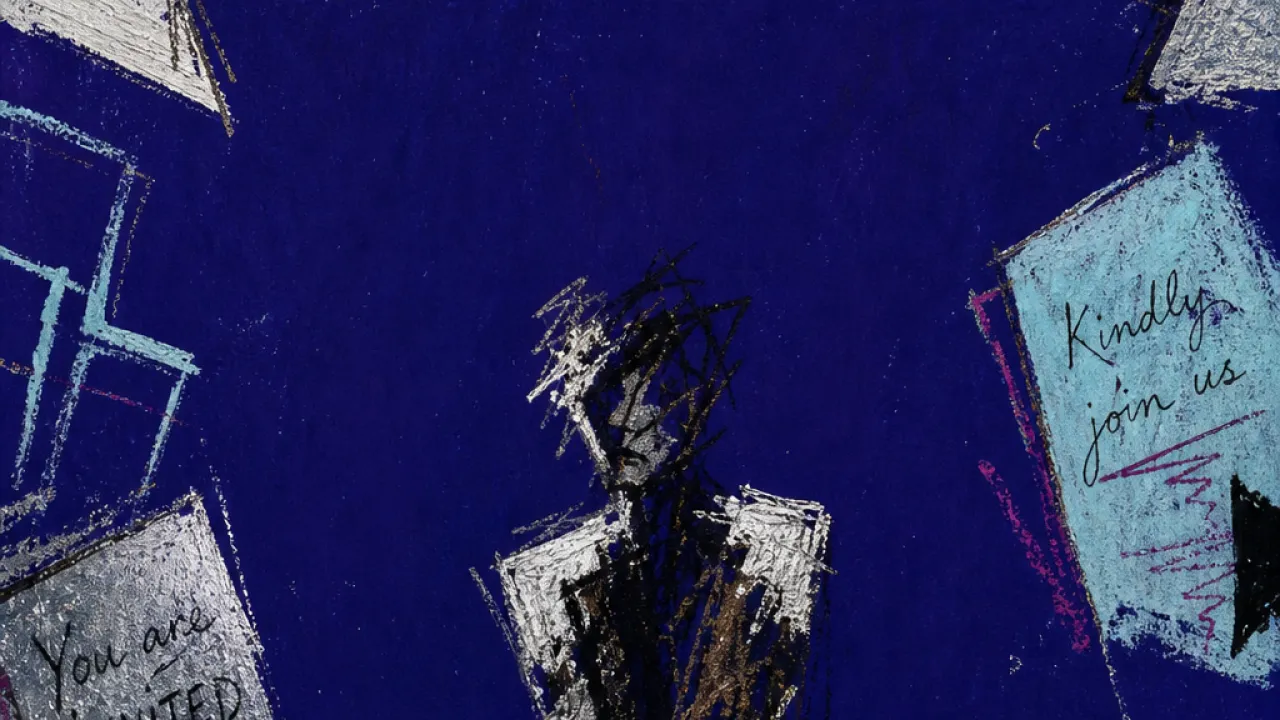
A solitary figure surrounded by chairs and invitation slips, unseen hands closing the room into forced proximity

What is this situation?

Mutual Friend Neutrality Trap — you enter it the moment a breakup, fallout, or quiet betrayal stops being just between two people and gets folded into the group chat, the birthday invite, the house party, the weekend plan. Everyone says they "don't want to take sides," but somehow that neutrality lands on you as a new assignment: be fine in the same room, don't make the table tense, answer normally when their name comes up, and pretend the group can stay exactly the same after something between you has clearly changed. You see it in small logistics before you ever see it in big speeches: the invite that includes both of you without warning, the friend who says "I hope that's okay" after the decision is already made, the silence when you ask for a heads-up, the quick subject change when you try to explain why shared spaces feel different now. The power sits with the people who control the rooms, the chats, the guest lists, and the social temperature; they get to call it balance, while you are left doing the body work of staying composed, swallowing the stomach drop, keeping your shoulders loose, and calculating whether leaving early will be read as drama. Over time, your choices shrink into bad options: attend and manage the awkwardness, skip and become the one who is "pulling away," speak up and risk being framed as divisive, stay quiet and watch the group mistake your silence for consent. What drains you is not only the original conflict, but the way everyone else's comfort keeps being placed between you and the basic right to choose your distance, much like the blindfolded figure on the Two of Swords, holding two blades perfectly crossed while the water behind her keeps rising.

Why it's not you?

This is not you being difficult, dramatic, or too sensitive. A group that treats unequal discomfort as if it were shared equally is creating the trap, especially when its version of neutrality protects the group's convenience more than your need for distance. When people control the rooms and the invitations, their silence still has weight.

Mutual Friend Neutrality Trap in Tarot Cards

In the Mutual Friend Neutrality Trap, the stomach drop before a group chat reply or a shared invite is part of the situation, not a random private reaction. The pressure comes from an environmental, structural dynamic where the group preserves its own ease by asking you to keep absorbing contact and public politeness. The cards below do not tell you who to cut off or keep close; they reflect the shape of that room, the silence around it, and the cost of being placed there. Here are the Tarot Cards that tend to mirror this kind of social bind.

The Emperor
Upright
A crowned figure sits squarely on a stone throne, gripping a scepter and occupying a fixed seat of authority. You encounter this structure when the people who decide the guest list or set the group-chat tone can arrange simultaneous access and then present the result as the only practical option. The Emperor shows that neutrality is not merely an attitude; it can be an administrative decision made by whoever controls the social infrastructure. Your discomfort is therefore competing with an established authority that has the power to define what counts as reasonable participation.
Justice
Reversed
A seated figure holds a sword while the scales beside her are visibly inverted, turning the symbols of judgment into a picture of distorted balance. You are placed under that imbalance when a group calls two simultaneous invitations fair even though the emotional and physical cost of that arrangement is not shared equally. The reversed scales do not require a villain to produce an unequal outcome. They show how a process can sound reasonable while protecting the people who control the rooms, guest lists, and social temperature. The sword identifies the need to inspect the rule itself rather than accepting its neutral wording.
Temperance
Reversed
An angel stands with one foot on land and one in water while liquid passes between two cups, but the reversed flow turns careful blending into an unstable mixture. You encounter that imbalance when mutual friends combine both people in every plan and call the resulting discomfort a shared issue. The cups show why the group's version of harmony can feel invalidating: it mixes access without repairing trust or establishing separate conditions. The reversed image reveals that a smooth surface is not the same as a workable social arrangement, especially when one person is doing most of the adaptation.
The Devil
Upright
Two figures stand chained to a pedestal beneath a larger horned figure, while the chains appear tight enough to suggest captivity but loose enough to be mistaken for choice. You are in that structure when access to mutual friends remains technically open only if you tolerate a shared social arrangement that overrides your need for distance. The card reveals why the trap can persist without an explicit threat. Belonging, history, invitations, and group identity become linked to compliance with the room's preferred emotional temperature, so leaving the arrangement feels like surrendering the entire network rather than changing one boundary.
Three of Cups
Reversed
Three friends lift their cups in a circle, yet the reversed tableau turns their shared celebration into a symbol of cliques, avoidance, and social unity that cannot hold its former meaning. You are dealing with a friendship network that wants the circle intact even when one connection inside it has become unsafe or untenable. The cups show why the pressure feels relational rather than merely logistical: staying close to the group can require you to soften the account of what happened. The card identifies the support network's collective mood as an active force, not a neutral background to your friendship decision.
Six of Cups
Reversed
A child offers a flower-filled cup to another child in a quiet courtyard, but the reversed exchange makes the image feel fixed in an earlier social world. You are confronted with that past-facing structure when mutual friends treat shared memories as proof that everyone should still occupy the same rooms. The cups preserve tenderness and familiarity, yet they do not show the event that changed the relationship. Reversed, the card exposes nostalgia as a pressure mechanism: the group can protect its continuity by asking you to behave as though the present has not altered the terms of friendship.
Eight of Cups
Upright
A cloaked figure walks away from a line of cups, leaving the communal setting behind for a narrow path into the mountains. You face that image when the most workable social boundary is reduced attendance, separate plans, or a period outside the mutual circle. The departure is quiet rather than punitive, but the group may still experience it as a disruption because its existing structure depends on your continued participation. The card identifies the mismatch between your need for distance and the network's assumption that access should continue unchanged.
Two of Pentacles
Upright
A figure juggles two pentacles inside an infinity loop while ships rise and fall on rough water behind him. You are doing the same kind of balancing work when every party, birthday, or weekend plan requires a new calculation about whether both people will be present and what your response will signal. The moving coins show flexibility, but the waves show that this flexibility is not free. The group can keep changing details and call the arrangement workable while you absorb the repeated planning, emotional preparation, and reputational risk of making each decision.
Two of Swords
Upright
A blindfolded figure holds two swords perfectly crossed while dark water rises behind her and the shore offers no visible route forward. You are placed in the same suspended posture when mutual friends keep both people in the room and treat your reaction as the variable that must stay controlled. The crossed blades make every option look equally dangerous: attending requires bodily composure, leaving can be labeled dramatic, and speaking can be framed as taking sides. The card exposes a social stalemate whose apparent balance protects the group routine more than it distributes discomfort fairly.
Reversed
The blindfolded figure's crossed swords are visibly destabilized when the card is reversed, turning a controlled pause into a position that cannot hold. You encounter that instability when a shared invitation converts a private boundary into a public decision about who is allowed to remain comfortable. The reversed image does not promise an easy answer; it shows the collapse of the group's convenient middle position. Each route carries a social interpretation, so the real structure to inspect is who created the forced choice and who benefits from making your response visible.
Five of Swords
Upright
A figure stands with several swords gathered in his arms while two others walk away over a bare, divided landscape. You are placed in this aftermath when mutual friends treat the fallout as an interpersonal contest and preserve the social winner's access without acknowledging the cost imposed on you. The scattered swords show that the conflict has not ended simply because no one is openly arguing. Power remains in who gets believed, who receives the easy invitation, and who is expected to leave the room quietly. The card exposes the difference between avoiding a side and refusing responsibility for the conditions that keep the conflict socially active.
Six of Swords
Upright
A boat carries a seated passenger and six swords across gray water, moving toward a quieter shore while the blades remain inside the vessel. You are in this transition when reducing contact with a mutual friend group offers relief but cannot instantly remove the shared history, social labels, or unresolved explanations. The card distinguishes movement from erasure. A new social distance can be created even while the fallout travels with you, which is why reentry, separate invitations, and group-chat contact require a changed structure rather than a simple request to act normal.
Eight of Swords
Upright
A blindfolded figure stands bound with eight swords surrounding her, while the path out appears open only in theory because her sight and movement are constrained. You are placed in that field when the group presents attendance, absence, silence, and confrontation as options that all carry a social penalty. The swords form an external perimeter of expectations, but the blindfold also shows how repeated labeling can make the available routes difficult to see. The card identifies a decision environment designed around reputational consequences rather than around your actual right to choose distance.
Queen of Swords
Upright
A seated queen holds a sword upright while her free hand remains open, combining a firm boundary with a capacity to hear what is actually being said. You are navigating the same balance when mutual friends need a clear account of your distance but may interpret clarity as an attack on the group. The sword makes selective access visible: a friendship can remain meaningful without every person receiving the same room, timing, or level of contact. The card names a support network that must distinguish honesty from punishment instead of treating all boundaries as evidence of disloyalty.
Four of Wands
Reversed
Four wands support a decorated garland in front of a communal structure, but the reversed frame makes the celebration look unsettled rather than securely held. You face that instability when a house party or birthday invite is presented as familiar even though sharing it with the other person changes what the space requires from you. The wands show why logistics can carry so much force: the physical setting remains available, yet its meaning as a safe social container has weakened. The group preserves the visible ritual and leaves you to decide whether the old frame can still hold the new reality.
Five of Wands
Upright
Five figures raise their wands into one another's space, creating a crowded field where no single movement can happen without contact. You experience the same structure when every group plan carries several competing demands: preserve the old friendship map, avoid a visible rupture, and keep your own distance invisible. The wands do not show a resolved conflict with a clear victor; they show friction being circulated through the group. That makes neutrality costly because the absence of a decision does not remove the collision. It simply assigns you the work of moving through it without making the table uncomfortable.
Six of Wands
Reversed
A rider carries a laurel while a crowd gathers around him, but the reversed procession turns public recognition into unstable approval. You face this structure when leaving a shared event or declining an invitation becomes evidence used to decide who is calm, reasonable, or responsible for the tension. The crowd makes reputation social rather than private. The group does not need to openly condemn you to shape the narrative; it can simply reward the version of events that keeps access easy and makes your boundary look like the disruption.
Seven of Wands
Upright
A single figure stands on higher ground with one wand while six others press upward from below. You occupy this position when a mutual friend group can apply pressure from several directions at once: the invitation, the group chat, the request to be normal, and the suggestion that your absence changes the mood. The card shows that defending distance does not require a public campaign against the group. It names the concrete work of holding your position while other people interpret the boundary as hostility because it interrupts their preferred arrangement.
Ten of Wands
Upright
A figure carries ten wands so densely that the bundle obscures the path ahead and bends the body toward the ground. You are placed in that posture when attending a gathering means tracking the room, controlling your shoulders and voice, anticipating contact, and calculating the social meaning of leaving. The visible event may look ordinary to everyone else, but the card makes the hidden workload legible. Neutrality does not remove the burden; it transfers the work of maintaining a comfortable atmosphere to the person whose access to that atmosphere is already compromised.

Mutual Friend Neutrality Trap in Tarot Card Reading Insights

When mutual friends keep calling the setup neutral, other people have brought the same shared-room pressure into readings too. The focus shifts from the cards themselves to what appeared when this social bind entered the session. Tarot Reading Insights from readings that circle this kind of group dynamic.
Psychological Contexts Related to Mutual Friend Neutrality Trap