Always Scanning For Impact?

A clear look at hypervigilance, related tarot cards, and tarot reading insights that mirror this watchful pattern.

Hypervigilance
What is this really?

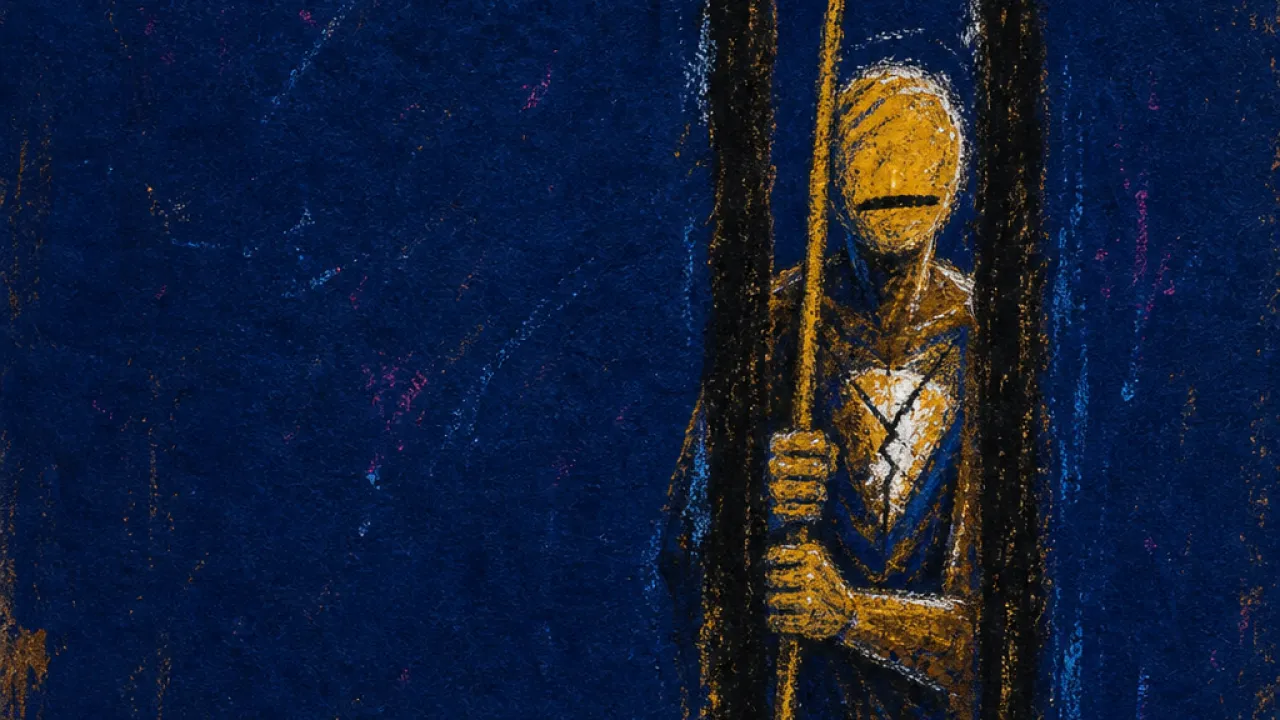
You keep scanning the room, the chat, the silence, the timing, and the smallest shift in someone's face before you let yourself relax or speak. Part of you is trying to stay ahead of impact, using attention as a shield so you are not caught off guard by a mood change, a hidden rule, or a consequence no one names out loud. Yet the scan that once helped you feel prepared can start turning connection, work, and rest into a surveillance field, leaving your body stationed at the edge of every moment like the bandaged figure in the Nine of Wands, gripping the staff while the gap in the fence never stops asking to be watched.

Why did it happen?

At some point, reading the tiny details may have helped you move through rooms where people did not say what they meant, or where the mood changed faster than anyone explained. Over time, that quick reading can become an inner pattern that switches on before the present moment has fully arrived, making neutral pauses, short replies, or quiet rooms feel charged. The result is not more control; it is a kind of mental overwork where rest gets interrupted by the need to keep checking.

How does it feel?

  • You reread a short text three times, thumb hovering over the screen as you check the punctuation, the delay, and whether the tone feels slightly off... in that moment, your chest may tighten and your breath may get shallow before you have any clear reason. Let the scan be noticed without forcing it to prove anything yet.
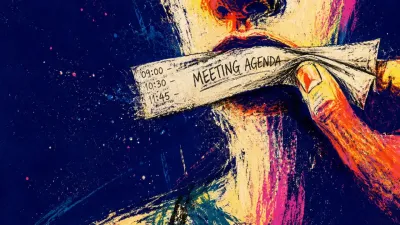
  • In a meeting, you keep your face neutral while your eyes flick from a manager's expression to the Slack sidebar, then back to whoever stopped speaking mid-sentence... afterward, your jaw may feel locked, like your body stayed in the room longer than your attention did. It is okay to let that tension be present before deciding what it means.
  • At dinner or in a group hang, you hear one small change in someone's voice and your shoulders lift before you realize it; you start tracking who is quiet, who looks away, who laughs late... your stomach may drop as if the room has shifted temperature. That reaction can be acknowledged as an old alert signal, not an instruction you have to obey immediately.
  • When you are alone, you pause a show, mute your music, or sit up in bed because a sound, notification, or sudden thought seems to need checking... your scalp, throat, or hands may feel charged, as if rest has been interrupted from the inside. You can give the body a moment to register the present before adding another layer of monitoring.
  • Before sending a simple reply, you delete one word, add a softer phrase, then remove it again while your eyes keep returning to the last message you received... you may feel a thin pressure behind your eyes, like your focus is being pulled through a narrow tunnel. Uncertainty is allowed to exist for a few breaths without becoming an emergency.

Hypervigilance in Tarot Cards

The reflex to read tone before words, to scan the room before your voice enters it, is the core shape of hypervigilance. That shallow breath and locked jaw from checking every pause are where the pattern becomes visible in the body. From a Jungian perspective, archetypal theory gives this watchful stance a symbolic language without turning it into a diagnosis. The Tarot Cards below reflect the unconscious dynamics beneath that constant threat scan.

The High Priestess Upright
The veil hides the inner chamber, the scroll only shows part of the word, and the water stays visible but distant behind the curtain. Almost everything important is present in fragments, so the scene trains the eye to monitor what is implied rather than what is plainly stated.\n\nYou can see why this maps to hypervigilance in family life. When direct communication has never been enough, your attention learns to track tone, pauses, facial shifts, and tiny changes in atmosphere before you speak. The card's stillness is not simple peace here; it is the posture of someone who has learned that subtle cues may matter more than words.
The Emperor Reversed
The Emperor wears armor beneath ceremonial robes, keeps his body braced even while seated, and holds both symbols of power without any softness in the hands. Nothing in the image fully stands down; even rest looks like a strategic pause. That is the bodily logic of Hypervigilance when this card turns inward. You may scan silence for the next disturbance, treat reflection like surveillance, and stay prepared for an emotional breach that never quite arrives. The system calls this safety, but it also recruits your recovery time into permanent readiness.
The Hermit Reversed
The lamp is held up against a starless night, forcing the eye to search a hostile field with limited information. The empty space around the figure is huge, cold, and overexposed, so attention has no choice but to keep scanning for what might be hidden just beyond the edge of the light. That is the posture of Hypervigilance in group settings. Your social radar starts treating every silence, glance, delay, or shift in tone as data that must be monitored before you can relax. The result is exhausting: you stay busy detecting possible rejection while missing the slower evidence that you are already safe enough to remain present.
Wheel of Fortune Reversed
The eye is pulled through spokes, symbols, rising and falling figures, with no quiet patch of space to rest on. That crowded surveillance field mirrors the family nervous system that learns to read pauses, glances, and minor shifts as early warning signals. Because the whole frame is organized around movement before impact, you may feel safest when you are already braced. The pattern is not random anxiety; it is a watchfulness trained by a system where emotional weather could change before anyone named it.
Justice Reversed
The architecture around Justice is heavy, vertical, and inescapably formal. Towering pillars, a stone seat, and a closed backdrop create the atmosphere of a chamber where things are reviewed, recorded, and weighed. The body mirrors that environment by staying locked, alert, and visibly armed even in stillness. That is why this card maps so cleanly onto workplace hypervigilance. You may scan for hidden standards, subtle status shifts, political danger, or signs that the criteria have changed again. The card shows a nervous system that has internalized the tribunal. Once the environment feels like ongoing assessment, readiness itself becomes the coping style, even when the cost is chronic tension and loss of ease.
The Tower Reversed
The tower's windows are no longer clean openings; they are filled with fire and smoke. The dark sky, falling debris, and scattered flames turn the whole field into a system of threat cues, leaving very little visual space for calm orientation. Hypervigilance works by turning timing into surveillance. Instead of tracking cycles with proportion, the mind scans every pause, message gap, market shift, or delay as if it might be the first sign of collapse. In this card, the crisis field is visually real, which is why the pattern can feel so convincing. The audit point is that constant scanning may keep You alert, but it also makes every timing signal look like lightning before it has been tested.
The Moon Upright
The dog and wolf stand on either side of the path with their bodies angled upward, barking into a light that never fully explains itself. Their alertness is not random panic; it is a body-level attempt to read an ambiguous field before stepping further into it. In family systems, this maps to attention becoming a surveillance instrument. You learn to scan tone, silence, facial expression, and timing because the emotional weather around you once carried real consequences. The Moon turns that scanning visible: the signal is dim, the path is unclear, and the body tries to protect you by detecting danger before anyone names it.
Reversed
The dog and wolf do not rest at the gate; they are fully activated, necks lifted and bodies turned toward a signal they cannot control. The long path behind them disappears into dim space, so the whole field feels like a warning system with no off switch. In friendship, Hypervigilance turns the support network into something that must be constantly scanned. You may track who replied first, who sounded cold, who met without you, or which group chat pause means something, because the nervous system treats uncertainty as social danger. The reversed Moon intensifies the cost of this scanning. The more you monitor the field, the less grounded the friendship feels, until tiny signals carry the weight of exclusion, betrayal, or replacement.
Two of Pentacles Reversed
The figure's attention is locked onto the next coin while the sea behind them keeps shifting. The body has no spare posture; every part of the image suggests that one missed cue could disturb the whole cycle. That is how Hypervigilance operates when the card turns inward. The psyche becomes a monitoring system, scanning moods, reactions, and subtle changes as if emotional movement itself were a threat to control. In introspective work, this pattern often feels like self-awareness, but the card shows its cost. You may be watching yourself so closely that the watching becomes another source of pressure, turning ordinary inner fluctuation into something that must be constantly managed.
Four of Pentacles Reversed
The coin on the crown makes the figure's stillness precarious. A slight tilt, a breath too large, or a shift in posture could disturb the balance, so the whole body stays on alert while pretending to be composed. Hypervigilance emerges when the inner world uses attention as a guardrail. Instead of resting, the psyche scans for emotional leakage, unwanted thoughts, changes in mood, or signs that control is slipping. You may experience this as being unable to relax inside your own head because part of you is always watching for the next destabilizing feeling. The empty ground and distant city intensify the pattern. There is space around the figure, but none of it feels available. The field has been compressed into monitoring, and the cost is chronic inner tension disguised as self-control.
Three of Swords Reversed
The three blades do not arrive from one clean direction; they approach the heart from separate angles and still find the same vital point. Around them, rain and cloud remove any sense of shelter, making the whole field feel like it could become another point of entry. That visual structure is the reversed form of Hypervigilance in career settings. You start tracking Slack timing, a manager's tone, meeting invites, stakeholder silence, and subtle shifts in attention as if each one could become the next blade. The pattern gives you a temporary sense of preparedness, but it also turns the workplace into a threat map that keeps your focus locked on potential injury.
Seven of Swords Upright
The figure's hands are full of exposed swords, but his attention is still pulled backward toward the camp. His smile performs confidence while his turned head keeps checking the social field, as if the real danger is not the weight of the swords but the possibility of being noticed, judged, or intercepted. This is a body organized around surveillance. The camp, flags, and open ground create a relational field where every movement feels observable, so the figure cannot simply leave; he has to leave while tracking the reactions behind him. In friendship, Hypervigilance shows up when You read delayed replies, tone changes, inside jokes, and group chat timing as signals that must be decoded before You can relax. The Seven of Swords anchors this pattern because the card makes mental scanning visible: the mind is already halfway out the door, but the nervous system is still watching the room.
Reversed
The figure's attention is split across the entire scene. He moves forward, looks backward, carries the swords carefully, and remains visually tied to the camp, the path, and the risk of being noticed. In reversal, this scattered attention becomes an inner surveillance system. The psyche stops using awareness for clarity and starts using it to scan for threat, exposure, contradiction, or anything that might reveal too much. For introspection, Hypervigilance appears when self-reflection feels less like listening inward and more like monitoring Yourself for danger. The card shows a mind that cannot fully rest inside its own process because every hidden motive, emotional spike, or unfinished truth feels like something that could catch up with You.
Nine of Swords Upright
The figure sits up before rest can settle, boxed in by a black background and a ceiling of blades. The bed should be a safe container, yet the image stages wakefulness as a guard post, with the body braced before any visible attacker enters. Hypervigilance in family systems often looks like reading tone before content. You scan a parent's text, a pause at dinner, or a shift in the room because earlier contact taught your body that emotional weather changes fast. The card does not shame that alertness; it shows how a protective scanner can keep operating long after the immediate signal has passed.
Reversed
The body is partly covered and partly exposed, caught between protection and alertness. Above it, the swords remain close to the head and throat, while the dark room offers no clear signal that the present moment is safe. Hypervigilance appears when awareness becomes surveillance. The mind scans every sensation, thought, and emotional shift as if one missed signal could become danger. The posture shows a system that cannot fully rest because it is still monitoring the inner field. For introspection, this pattern reveals why looking inward can feel exhausting instead of clarifying. You may call it self-awareness, but the card shows a nervous system treating the inner world as a place to patrol, not a place to inhabit.
Ten of Swords Reversed
The attack has already landed from behind, and the body is pinned before it can reach the other shore. The scene carries the psychology of ambush: harm arrives before the figure can orient, respond, or protect the private self. In friendship, that structure becomes constant cue-scanning after social pain. Group chat pauses, inside jokes, unfollowing, and small tone shifts start to feel like incoming blades, not neutral data, because the attention system has learned to treat closeness as a place where betrayal may already be forming.
Page of Swords Upright
The Page's sword points in one direction while his face turns sharply into another, with wind and clouds moving around him on the exposed ridge. His body is arranged like a lookout post, ready to detect a signal before it becomes visible. That split attention maps onto Hypervigilance because growth is treated as territory that has to be patrolled. You may enter a new level of life already scanning for failure, criticism, or the next hidden demand, so the nervous system never gets to register progress as safe. The Page of Swords carries a useful alertness, but in this pattern the alertness becomes the whole identity of the moment. The higher you climb, the more exposure your mind detects, and the more personal growth feels like staying on guard.
Reversed
The Page's head turns one way while the sword points another, forcing his body to monitor more than one possible direction at once. On the exposed ridge, with clouds pressing close and wind moving through his hair, readiness becomes visible in the posture before any threat is confirmed. Hypervigilance internalizes that stance. You may scan every mood shift, body sensation, or sudden thought as if it could reveal hidden danger in your inner world. The pattern tries to keep you prepared, but it also turns self-awareness into a surveillance system that rarely lets the nervous system stand down.
Queen of Swords Reversed
The Queen watches from a high, exposed place, with the lone bird moving through distant sky and clouds gathered low around the throne. Her stern face and vertical sword create the impression of a system built to notice what others might miss. When this vigilance turns inward against a relationship, attention stops feeling like presence and starts acting like surveillance. Tone, timing, pauses, and small changes become data points in a private threat audit. The card links this pattern to protection rather than weakness. The same sharp perception that can name truth can also become exhausting when every subtle shift is treated as evidence that rejection is approaching.
Seven of Wands Upright
The figure's eyes and arms are pulled toward the wands rising from below, while his own staff cuts diagonally across the scene like an emergency barrier. The clear sky does not soften the moment; it makes the confrontation more exposed, as if there is nothing to hide behind and every movement must be watched. That visual tunnel captures the mechanics of Hypervigilance in a career setting. The mind narrows around possible threats: a manager's tone, a delayed reply, a colleague's new access, a shift in who gets invited into the room. The pattern is trying to protect You by detecting danger early, but it keeps the body braced long after the actual information runs out. In the Seven of Wands, readiness is useful because pressure is real. The trap appears when readiness becomes the only state You know how to occupy, turning strategy into constant surveillance and making ordinary workplace ambiguity feel like an incoming attack.
Reversed
The six opposing wands rise from below without showing the people who hold them. The figure can see the pressure, but not the full source of it, so his body must brace against a partly faceless field of threat. That facelessness is the psychological hinge. When challenge is visible but its source feels unclear, the mind starts scanning for danger everywhere: criticism, comparison, failure, being exposed, losing ground. The elevated position then stops feeling like perspective and starts feeling like isolation under watch. Hypervigilance in personal growth appears when You cannot relax into progress because every upgrade feels like it will attract attack. The card makes the mechanism visible: the body is trying to protect growth, but the nervous system has begun treating growth itself as a threat environment.
Nine of Wands Upright
The figure’s neck is contracted, the hands clamp the wand in front of the chest, and the eyes angle toward the side of the frame as if the next impact is already being tracked. The eight upright wands behind him do not form a home; they form a surveillance line, with his body stationed at the break in the barrier. That arrangement turns protection into an attention system. You are not simply standing firm; your inner bandwidth is being recruited to scan for the one cue that might prove the threat has returned. In introspection, Hypervigilance shows up when quiet self-reflection feels less like rest and more like threat monitoring. The psyche keeps checking memories, moods, and body signals for danger, so clarity is delayed by the reflex to brace before anything can be felt.
Reversed
The figure grips the wand with both hands while his neck contracts and his gaze stays fixed to the side. The body is not simply resting after a fight; it is still scanning, as though the next threat has already been given a place in the scene before it appears. Hypervigilance grows from that frozen readiness. The bandage says the threat memory is not imaginary, but the locked posture shows how memory can keep editing the present until every unknown challenge feels like a repeat attack. In personal growth, this pattern makes progress unsafe because the next level becomes a surveillance field. You may be technically moving forward, but the inner system is still stationed at the fence, scanning for criticism, collapse, exposure, or proof that the upgrade will cost too much.

Hypervigilance in Tarot Card Reading Insights

For anyone who has felt that shallow breath kick in while reading tone, timing, and tiny shifts, others have brought the same watchful pattern into readings. The cards move from symbols into lived reading moments here. Below are Tarot Reading Insights that speak to this pattern.
Psychological patterns related to Hypervigilance