Reading the Room, Losing Yourself?
A clear map of relational cue-scanning, matching tarot cards, and reading insights that show how this pattern feels.

Relational Hypervigilance
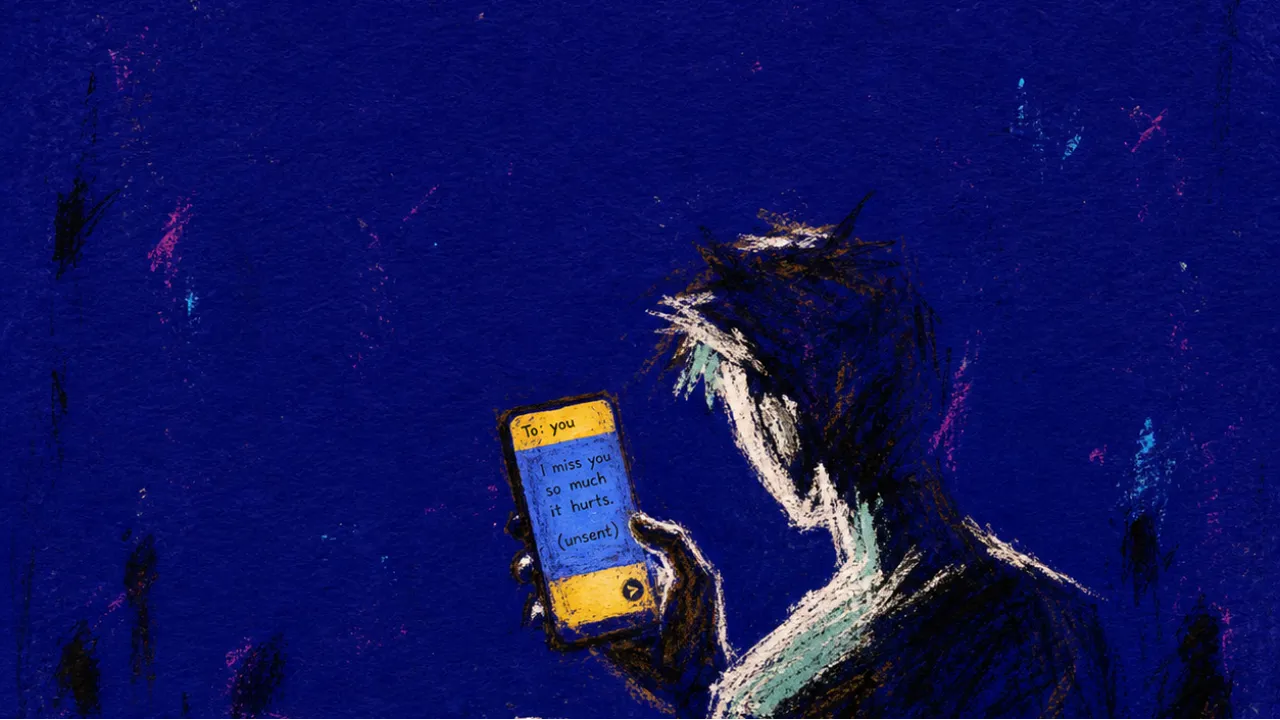
What is this really?
You read relationships like live dashboards: tone, pauses, punctuation, eye contact, a delayed reply, the split second before someone's smile lands. You are trying to keep closeness steady by catching relational shifts early, using cue-scanning as protection against being blindsided. But the scan that helps you feel prepared can become a cognitive load that keeps your body braced even when nothing is happening, only to find that the closeness you tried to protect starts feeling like a room you can never sit down in—much like the Page of Swords, standing in gusting wind with a raised blade, body turned toward the slightest movement on the horizon.
Why did it happen?
When closeness has felt unpredictable, tracking tiny changes in tone, timing, or attention may have helped you stay steady enough to respond before things shifted. Your body learned to treat small cues as important data: a slower text, a flat "I'm fine," a glance away at dinner. Now that inner pattern can become a subconscious loop, keeping you alert long after the moment has passed, until connection feels less like contact and more like being mentally on-call.
How does it feel?
- You reread the last message, then hover your thumb over the reply field without typing, checking the timestamp once more before locking the screen. In that pause, your chest lifts, your breath goes shallow, and your tongue presses against the roof of your mouth. You can let that signal be present for a moment without treating it as an instant instruction.
- At a table with friends, you notice two people drop their voices and glance sideways; your smile stays in place, but your fingers tighten around the glass. A small drop lands in your stomach, your ears warm, and your shoulders inch upward before you have decided what anything means. It can be noticed without needing to become a verdict.
- In a meeting, someone says, "Can we revisit this later?" and you immediately scroll back through your notes, editing your wording while your face stays still on camera. Your jaw sets, your neck feels held, and the back of your eyes gets heavy from staying alert. You are allowed to pause before turning every silence into a task.
- When someone you care about goes quiet, you ask "Are we good?" with a light laugh, then pick at the edge of your sleeve while waiting for their answer. Your throat narrows, your skin feels slightly electric, and your body leans forward before the words arrive. Uncertainty can sit in the room without you having to fill it right away.
- Alone afterward, you replay the conversation while brushing your teeth, mouthing a sentence again to test whether your tone sounded off. Your temples feel pressed, your shoulders stay high, and tiredness sits behind your eyes even though the moment is over. This is a signal you can meet gently, not a command you have to obey.
Relational Hypervigilance in Tarot Cards
That reflex to reread a message until the words stop looking like language belongs to the same relational scan you just named. Your chest lifts, your breath goes shallow, and the body starts answering before the room has changed. From a Jungian perspective, archetypal theory gives this pattern a symbolic frame without turning it into a verdict. The cards below reflect the unconscious dynamics underneath that scan; here are the Tarot Cards connected to this pattern.
Relational Hypervigilance in Tarot Card Reading Insights
For anyone who has reread a message until the words stop looking like language, others have brought that relational scan into readings as well. Below are Tarot Reading Insights where similar cards and questions appeared.

Long-Distance Friendship Overextension Gives Way to One Focused Window
Topic:Social Tarot Reading
Struggle:Social Energy Drain
Context:Always On Availability

A Long-Distance Reply Gap Turns Into One Clear Request Before the Call
Topic:Love Tarot Reading
Struggle:Distance-Intimacy Split
Context:Long-Distance Relationship
Why Copying Family on Email Starts Fights: Choosing a Smaller Audience
Topic:Family Tarot Reading
Emotion:Grounded Agency
Pattern:Boundary Discernment

Three Rehearsed Stories—And the Three Seconds That Loosened the Script
Topic:Family Tarot Reading
Struggle:Belonging-Authenticity Split
Context:Direct Communication Trial

Three Slack Drafts Before 8:47 a.m.: Keeping One Point at Work
Topic:Social Tarot Reading
Struggle:Belonging-Authenticity Split
Context:Unspoken Expectations Gap

Feeling Unseen After a Breakup—And the Direct Ask That Followed
Topic:Friendship Tarot Reading
Struggle:Capacity Misalignment
Context:Care Reciprocity Test

The Pinned Group Chat: From Belonging Test to Measured Choice
Topic:Friendship Tarot Reading
Struggle:All-or-Nothing Belonging
Context:Chosen Family Transition

Conditional Help From a Friend: From Betrayal Alarm to Clear Terms
Topic:Friendship Tarot Reading
Struggle:Clarity-Exposure Split
Context:Strings Attached Offer

An Overground Text Edit: The Sentence That Held Truth and Privacy
Topic:Friendship Tarot Reading
Struggle:Truth-Connection Split
Context:Pathless Social Transition

Mutual Burnout Disguised as Loyalty—From Rescue to Shared Care
Topic:Friendship Tarot Reading
Struggle:Boundary Collapse
Context:Always On Availability