Why Does Being Ordinary Feel So Exposing?

Explore ordinariness shame through tarot cards and reading insights from sessions carrying this quiet, exposed feeling.

Ordinariness Shame
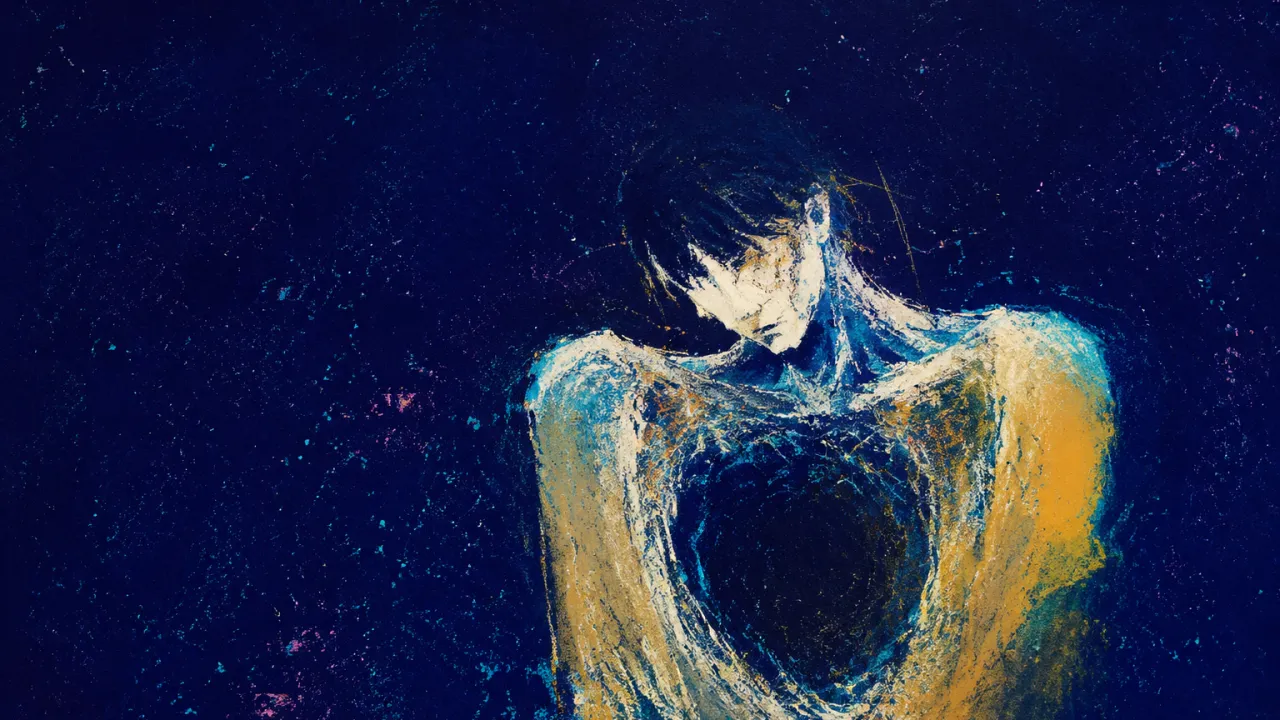
A figure with inward shoulders, hollow chest, outline dissolving into faded silver, muted amber, and deep indigo space.

What does this feel like?

Ordinariness Shame - you can feel it in the small drop in your stomach when someone asks what makes you different, or in the way your shoulders draw in when a room fills with people who seem effortlessly impressive. Nothing is visibly wrong, yet your body feels quietly exposed, as if being average has become something everyone can see. A normal day starts to look like evidence: the familiar job, the half-finished hobby, the outfit you like but do not think anyone will remember. You scroll past achievements and polished introductions, then return to your own life with a flat, heavy feeling, measuring what is there against an imagined version of what should be there. Even good moments can carry a thin layer of embarrassment; you laugh, contribute, or share something you made, and a private voice asks whether it is interesting enough to deserve space. You may want to fade into the background and, at the same time, be unmistakably chosen, admired, or known. The feeling is not simply wanting more; it is the ache of believing that being ordinary makes you less visible, less worthy of attention. It can leave your hands still, your chest hollow, and your attention turned inward, much like the figure on the Four of Cups, seated beneath a tree with folded arms while a cup appears before them.

Why you're feeling this?

Ordinariness Shame does not become less valid because your life looks ordinary from the outside. You are not wrong for feeling exposed; this feeling can be present without becoming a verdict on your worth.

Ordinariness Shame in Tarot Cards

That small drop in your stomach and the hollow feeling in your chest give ordinariness shame a shape you can recognize. This is a universal emotional experience: the uneasy distance between living an ordinary day and feeling you should somehow appear remarkable. The cards below mirror that feeling's outline without turning it into a verdict. Here are the Tarot Cards that reflect ordinariness shame.

The Magician
Reversed
The figure raises a wand above a table holding the four suit symbols, with an infinity sign overhead and cultivated flowers below. The available tools, focused stance, and connection between above and below create a visual structure of capacity becoming concrete action. In the reversed orientation, the tools remain present but fail to organise into trusted authorship. You may view each ability as too common to matter, dismiss early efforts as unimpressive, or wait for proof of exceptional talent before acting, creating a widening gap between real capacity and lived development.
The Star
Reversed
A nude figure kneels beneath one large star and seven smaller stars, pouring water onto both land and pool. The exposed body, open night sky, and uneven scale of the stars create a direct image of vulnerability beneath an ideal of brightness and visibility. In the reversed orientation, the large star becomes a painful comparison point rather than an orienting light. You may believe that growth only counts if it makes you visibly extraordinary, then feel ashamed of the quieter person doing the work; this can drain meaning from small acts that do not immediately produce a recognisable glow.
Judgement
Reversed
An angel's trumpet reaches figures rising from open coffins, their arms lifted as mountains hold the distant horizon. The image makes transformation visible as a response to a call, while the exposed bodies suggest that the former self cannot remain hidden during the transition. In the reversed orientation, growth becomes jammed inside an evaluative demand to have already transformed. You may interpret every recurring limitation as proof that you are still ordinary, using the ideal of a dramatic awakening to shame the slower, less photogenic process through which cognition and behaviour actually change.
The World
Reversed
A central figure moves within a laurel wreath while four witnesses occupy the corners of the card. The completed circle, exposed body, and surrounding observers create an image of culmination made visible, the kind of milestone against which ordinary progress can feel painfully inadequate. In the reversed orientation, the wreath becomes a threshold that never feels fully earned. You may reach a real milestone and still experience it as unremarkable, because the internal standard keeps postponing completion until the achievement proves that your life is exceptional enough to be witnessed.
Three of Cups
Reversed
Three figures raise their cups together above fruit and flowers, forming a tight circle of shared celebration. Their synchronised gesture, decorated clothing, and mutual orientation create an image of friendship in which every person appears equally expressive and included. In the reversed orientation, the circle becomes vulnerable to comparison, asymmetry, or emotional exclusion. You may feel like the least interesting friend, edit your stories before sharing them, or withdraw while secretly hoping the group will prove that you are especially valued rather than merely included.
Four of Cups
Upright
The solitary figure folds their arms beneath a tree as three cups sit within reach and a fourth arrives from beyond the visible landscape. The inward posture and unreceived offering closely mirror the private voice that discounts ordinary experiences before they can register as meaningful. Upright, the emotional retreat is still a recognisable pause with edges, allowing you to observe the shame rather than fully merge with it. You may notice how your attention repeatedly turns inward to ask whether each thought, pleasure, or contribution is interesting enough, leaving good moments present but emotionally unclaimed.
Seven of Cups
Upright
Seven cups hover before a silhouetted person, each offering a different symbol of power, beauty, wealth, danger, or recognition. The options are visually impressive but physically ungrounded, turning choice into a contest between identities that promise to make the chooser look exceptional. Upright, the multiplicity remains open enough for the underlying pressure to be observed. You may feel pulled toward the most prestigious or memorable option, not because it fits, but because choosing an ordinary path seems to confirm the shame that there is nothing distinctive about you.
Ten of Cups
Reversed
A couple raises their arms beneath a rainbow of cups while children dance near a home and river. The perfected family tableau compresses love, joy, security, and public recognisability into one polished image, making a quieter relationship vulnerable to comparison. In the reversed orientation, the ideal scene functions like a standard that lived intimacy cannot satisfy. You may feel embarrassed that your partnership looks normal, lacks a cinematic story, or contains mundane friction, even when care is present; the shame emerges from treating the picture of love as more legitimate than the relationship itself.
Knight of Cups
Reversed
A knight on a white horse carries a single cup through a sparse landscape, presenting emotion as a deliberate romantic gesture. The formal armour, carefully held cup, and composed approach evoke an ideal of love that is elegant, expressive, and narratively memorable. In the reversed orientation, the romantic image becomes a performance standard that ordinary intimacy cannot sustain. You may feel ashamed when your relationship, partner, or own way of loving seems less poetic than the fantasy, causing authentic but unpolished affection to register as evidence that the bond is not special enough.
Three of Pentacles
Reversed
An artisan's work is visible beneath an arch while two people hold plans and participate in its evaluation. The shared document, elevated maker, and detailed structure create a recognisable academic scene of presenting developing knowledge before peers or authorities. In the reversed orientation, feedback becomes difficult to separate from identity. You may feel ashamed of asking basic questions, produce less in group work, or hear a normal revision request as proof that your thinking is average, especially when classmates appear more fluent or original.
Seven of Pentacles
Reversed
A worker leans heavily on a tool while studying pentacles growing slowly from a vine. The bent posture, accumulated crop, and extended pause place the body inside an uncomfortable review of whether sustained effort has produced enough to be visible or impressive. In the reversed orientation, patient assessment becomes a shame-loaded comparison with faster or more spectacular timelines. You may read incremental progress as proof of mediocrity, especially when other people's milestones appear fully harvested, and the waiting period starts to feel like exposure rather than development.
Eight of Pentacles
Reversed
A learner repeats one precise task at a bench, with completed pentacles displayed above and beside the workspace. The repeated forms, hand tool, and distance from the town frame knowledge as something absorbed through basic exercises and private effort. In the reversed orientation, repetition stops feeling developmental and begins to feel humiliating. You may rush past foundations, conceal imperfect drafts, or lose focus because practising ordinary skills appears to confirm that you lack natural brilliance, even though the visible sequence shows that mastery has always required accumulated attempts.
Ten of Pentacles
Reversed
An elder sits beneath an arch while adults, a child, dogs, buildings, and ten pentacles fill the family scene. The layered generations, material environment, and heraldic pattern present family identity as something publicly legible through legacy, stability, and accumulated status. In the reversed orientation, that legacy structure becomes a standard the family story seems unable to meet. You may feel embarrassed by a modest background, conventional household, or lack of visible achievement, absorbing the idea that an ordinary family history makes you less interesting or socially credible.
Knight of Pentacles
Reversed
The knight sits on a stationary dark horse, holding one pentacle above a carefully worked field. The still horse, repeated furrows, and single practical object embody a life structured around steadiness rather than spectacle, precisely the kind of physical routine that can become vulnerable to ordinariness shame. In the reversed orientation, deliberate consistency hardens into a humiliating story about being dull, stalled, or undistinguished. You may experience dependable habits as evidence that nothing remarkable is happening, even while the cultivated ground shows that this supposedly unimpressive rhythm is producing a real material foundation.
Five of Wands
Upright
Five figures raise intersecting staffs in a crowded, unsettled field, with no single person holding a stable centre. The visual noise, competing gestures, and similarly dressed participants create a room where everyone must struggle to become distinguishable. Upright, the comparison pressure remains active and visible rather than hidden behind composure. You may overperform, interrupt yourself, or retreat when others seem sharper or more charismatic, because ordinary participation feels insufficient in a social environment organised around standing out.
Six of Wands
Reversed
A recognised rider carries a laurel-topped wand while the surrounding crowd remains lower and less individually defined. The height difference, public wreaths, and collective gaze turn professional success into a visible ranking between the person who stands out and everyone who blends in. In the reversed orientation, recognition becomes withheld, doubted, or unable to settle into self-worth. You may treat a missed promotion, quiet launch, or ordinary performance review as exposure of your replaceability, even when the deeper pain is that work has been asked to prove you are unforgettable.
Queen of Wands
Reversed
The queen sits upright between lion motifs, holding a sunflower and wand while a black cat watches from below. The warm symbols, direct posture, and composed throne project visible charisma without any need to chase the room's attention. In the reversed orientation, those symbols of presence become an internal comparison target rather than an embodied resource. You may feel plain beside socially magnetic people, interpret quietness as a personal defect, and monitor whether your stories, clothes, or personality are interesting enough to deserve space.

Ordinariness Shame in Tarot Card Reading Insights

For anyone who knows the hollow, exposed feeling of ordinariness shame, others have brought that feeling into readings too. Here are the Tarot Reading Insights from sessions where these cards met a similar emotional atmosphere.

Psychological emtions related to Ordinariness Shame