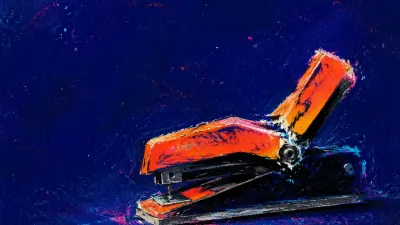
A shifting creative review process, the Tarot Cards it mirrors, and Tarot Reading Insights from readings shaped by conditional approval.
Creative Direction Validation Trial
What is this situation?
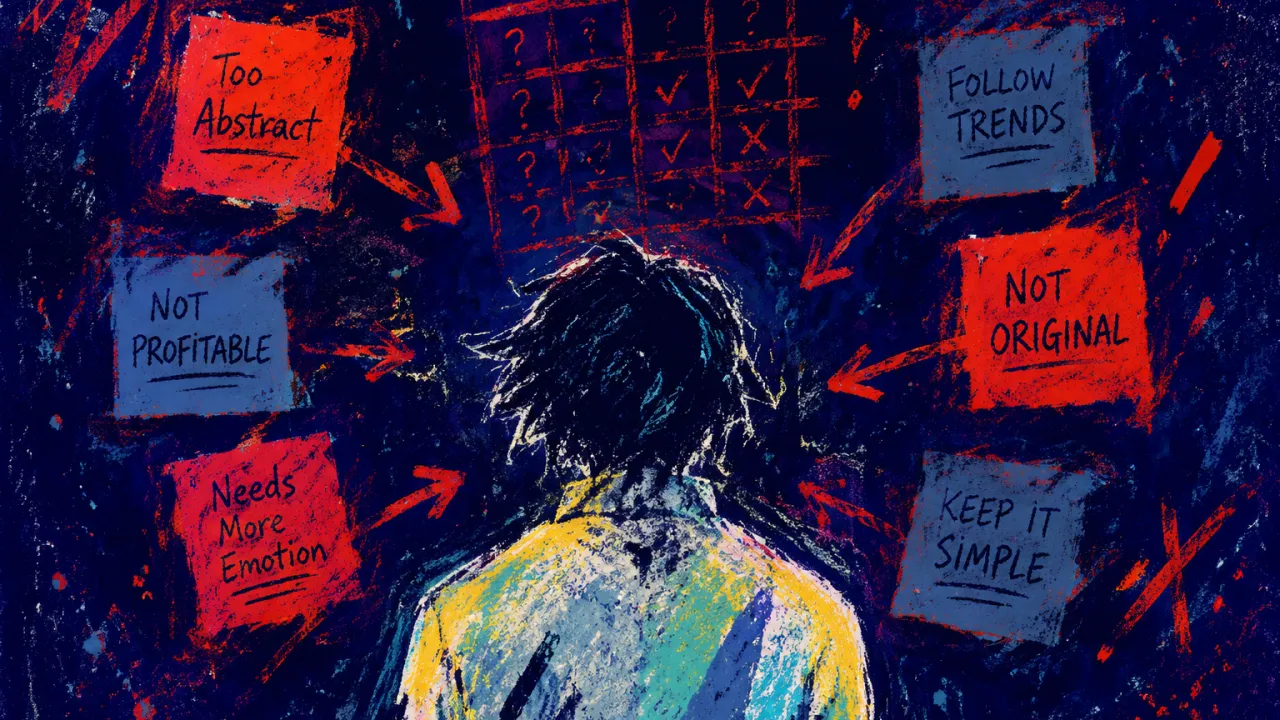
Creative Direction Validation Trial — you enter with a concept you have shaped through late edits, reference pulls, and careful choices, then place it in front of a panel, client, or team that has the power to approve it. The brief sounds simple at first: prove that the direction works. Then the questions begin. One person asks for something bolder, another asks for something safer, and a decision-maker returns with notes that quietly change the original goal. You revise the deck, rebuild the moodboard, explain the same visual choice in new language, and send another version before the deadline. Praise lands conditionally, approval stays just out of reach, and every round makes the direction less recognisable while the people judging it remain free to move the standard. By the time you present again, your shoulders stay raised, and the work is carrying not only the idea but the burden of demonstrating that it deserves to exist, much like the figure on the Seven of Wands, standing alone above a field of competing wands and holding one position against pressure from below.
Why it's not you?
The problem is not that the direction is unclear or that you are failing to explain it; the trial has no stable standard for approval. Shifting briefs, competing opinions, and conditional feedback create the uncertainty from the outside.
Creative Direction Validation Trial in Tarot Cards
The raised shoulders and repeated revisions in a Creative Direction Validation Trial point back to an approval process that keeps changing around the work. This is an environmental, structural dynamic: competing voices and moving standards shape what can be accepted before the direction can settle. The Tarot Cards below reflect that visible pressure and the position you are being asked to hold.
The crowned ruler sits on a stone throne marked by ram heads, holding the orb and sceptre that signal control over the territory. Reversed, the authority remains visible but its governing frame becomes unstable, so you are expected to execute decisions from above even when the decision-maker changes the conditions of success. The hard stone and armour show why the feedback carries more than preference: it has access, hierarchy, and consequences behind it. The reversed structure exposes an approval relationship in which control is concentrated but the standard is not, leaving the creative direction to absorb the volatility.
The robed teacher sits between two pillars while two students kneel before a formal lesson, creating a visible institution of accepted knowledge and entry. Reversed, the structure shows that the lesson can become a conformity gate: you are asked to make the direction legible in the institution's language before it will be treated as credible. The pillars suggest a stable standard, but the reversed orientation exposes a rule system that can preserve its authority while changing what it rewards. The scene reveals why a distinctive concept becomes less recognisable through review when approval is tied to familiar conventions rather than to the original creative problem.
The seated figure holds a sword and scales beneath a formal canopy, presenting the review as a structured judgment. Reversed, the same symbols expose a broken relationship between evidence and verdict: you can answer every note and still find that the balance has been reset before approval is granted. The sword suggests decisiveness and the scales suggest consistency, but neither instrument can stabilise a process whose standard keeps moving. The structure names the external source of the uncertainty, so the burden does not have to be misread as a personal failure to explain the direction.
The figure hangs by one foot from a living tree, suspended between the ground and the sky while his face remains calm and attentive. You are in an approval window that has become a holding pattern: the work cannot advance, yet each pause is filled with another request to reconsider the direction. The inverted perspective suggests that the panel treats reframing as progress, even when no decision follows. The structure makes the timing problem visible as prolonged suspension rather than simple delay, with the creative concept asked to keep changing while the gate remains closed.
The moon hangs over a narrow path between two towers while a dog, a wolf, and a creature rising from the water respond to the same uncertain light. You are trying to keep a creative heading visible when external feedback changes the landmarks and makes each version appear to promise a different destination. The path is present, so the scene does not describe a directionless concept; it describes a route whose conditions are difficult to read. The structure reveals how shifting approval standards can make a coherent idea look unclear after repeated translation, even when the original direction had a deliberate centre.
The trumpet calls above figures rising from enclosed boxes, making review, public reckoning, and release part of one physical scene. Reversed, the call does not become a clean verdict; you are summoned to present the direction again, asked to justify it in new language, and returned to the same approval threshold. The boxes show that the work has not been granted a clear next stage, while the trumpet keeps the demand for proof active. The structure reveals an evaluation loop in which the direction is repeatedly judged but never given the stable decision needed to move beyond the trial.
The cloaked figure faces seven cups floating with different images, creating a visual field of competing creative possibilities and projected outcomes. You are looking at requests for safer, bolder, cleaner, louder, or more familiar versions, each presented as though it could replace the direction already built. The distance between the figure and the cups shows why abundance does not equal clarity. The structure reveals a choice environment in which every new suggestion can look like useful feedback while the accumulation of options quietly removes the concept's original centre.
The juggler keeps two pentacles moving inside an infinity loop while ships tilt through rough water behind him. You are balancing the original concept, competing stakeholder notes, the next deck, and the deadline at the same time, so the approval process becomes a cycle of continuous adjustment. The moving ships show that the external environment is active rather than paused for your revisions. The structure reveals why timing feels difficult: momentum can be preserved through another version, but without a fixed review threshold the same motion can keep postponing the decision.
The mason stands on a bench while two observers consult the plans beside three carved pentacles in the structure, making the work visibly dependent on both craft and evaluation. You are bringing a shaped concept into a room where people can recognise the quality of the build while still changing what they say the finished structure must contain. The shared architectural setting gives approval a legitimate collaborative form, but it also exposes the power imbalance when the plan is not fixed. The scene names why conditional praise can feel disorienting: the work is being acknowledged as skilled while its route to completion is repeatedly redesigned by the observers.
The seated craftsperson works beside a row of repeated pentacles, each one showing another unit of focused production. Reversed, the same orderly labor becomes a loop: you keep refining the deck and moodboard, but the visible output does not create a dependable endpoint because each new note changes what counts as finished. The physical repetition explains why the direction can lose its identity through polishing. Skill and effort remain present, yet the work is being measured by an external review system that can request another pass without naming the standard that would release it.
The seated figure is blindfolded with two swords crossed tightly across the body, creating a direct image of a creative decision held between opposing instructions. You are asked to choose a route while the people providing the options keep the relevant standard obscured. The still water and closed posture show a decision paused to avoid privileging one side without sufficient grounds. The structure makes the bottleneck external and procedural: the problem is not a shortage of possible directions, but the absence of a trustworthy way to determine which one the approval group will actually support.
Five figures raise wands into the same crowded space, with no clear victor and no visible referee. You are presenting a direction inside a group contest where one person asks for greater impact, another asks for lower risk, and the decision-maker can combine both demands without resolving their contradiction. The crossed wands turn feedback into friction rather than a clean sequence of revisions. The scene shows why the direction can become less recognisable even while the team appears highly engaged: activity is present, but the authority to define a finished answer remains distributed and unstable.
The rider lifts a wand marked by a laurel while figures follow behind him, creating the image of a public win. Reversed, the procession loses its finality: you may receive compliments or visible enthusiasm, but the recognition does not settle the brief or give the creative direction permission to move forward. The laurel becomes a performance contract when it is offered without a decision. The structure reveals why conditional praise is exhausting: it signals that the work is close enough to keep revising, yet never clear enough to establish professional closure.
The lone figure on the ridge grips one wand while six rise from below, turning a creative review into a visible contest over who gets to define the standard. You are holding a direction in place while a panel, client, or team applies pressure from several positions, each request carrying approval power without a shared brief. The elevated ground gives you a defensible point of view, but the narrow footing also shows why every revision feels like a test of legitimacy rather than a normal craft discussion. The structure names the work required to distinguish useful critique from moving goalposts while keeping the concept recognisable under professional pressure.
Eight wands fly across an open sky in a clean horizontal movement; reversed, that physical momentum becomes interrupted circulation between versions, messages, and last-minute notes. You are sending work quickly enough to meet the deadline, but the responses keep redirecting the direction before any version can settle. The open air suggests that communication is possible, yet the reversed movement shows why speed does not produce closure. The structure reveals a timing trap in which every new file creates another opportunity for the approval standard to shift.
The bandaged figure braces himself against a wand while eight wands line the ground behind him, making repeated challenge and accumulated strain visible in one frame. You are presenting again after several rounds, with the concept still standing but with the record of every revision held behind your body. The figure's guarded stance does not erase capability; it shows a position that has survived enough pressure to become deliberate. The structure also makes the cost legible: a review that should assess the work now requires you to defend the right of the direction to remain coherent.
The bent figure carries ten wands in both arms, with the bundle blocking his view of the path ahead. You are carrying the concept, the rationale, the moodboard, the revisions, and the evidence that the direction should be allowed to continue, so the work becomes heavier than its original brief. The blocked view is the key structural fact: effort is being spent transporting demands rather than seeing the destination. The scene shows why conditional approval can turn creative responsibility into an overloaded role where every new note feels personally attached to the project's survival.
No cards available for this filter.
Creative Direction Validation Trial in Tarot Card Reading Insights
People have brought this kind of creative review process into readings, carrying the shifting brief and conditional approval with them. Here are the Tarot Reading Insights from those readings.