When Work Becomes Belief

A close look at workplace loyalty pressure, related tarot cards, and tarot reading insights from sessions on culture-driven control.

Company Cult Culture
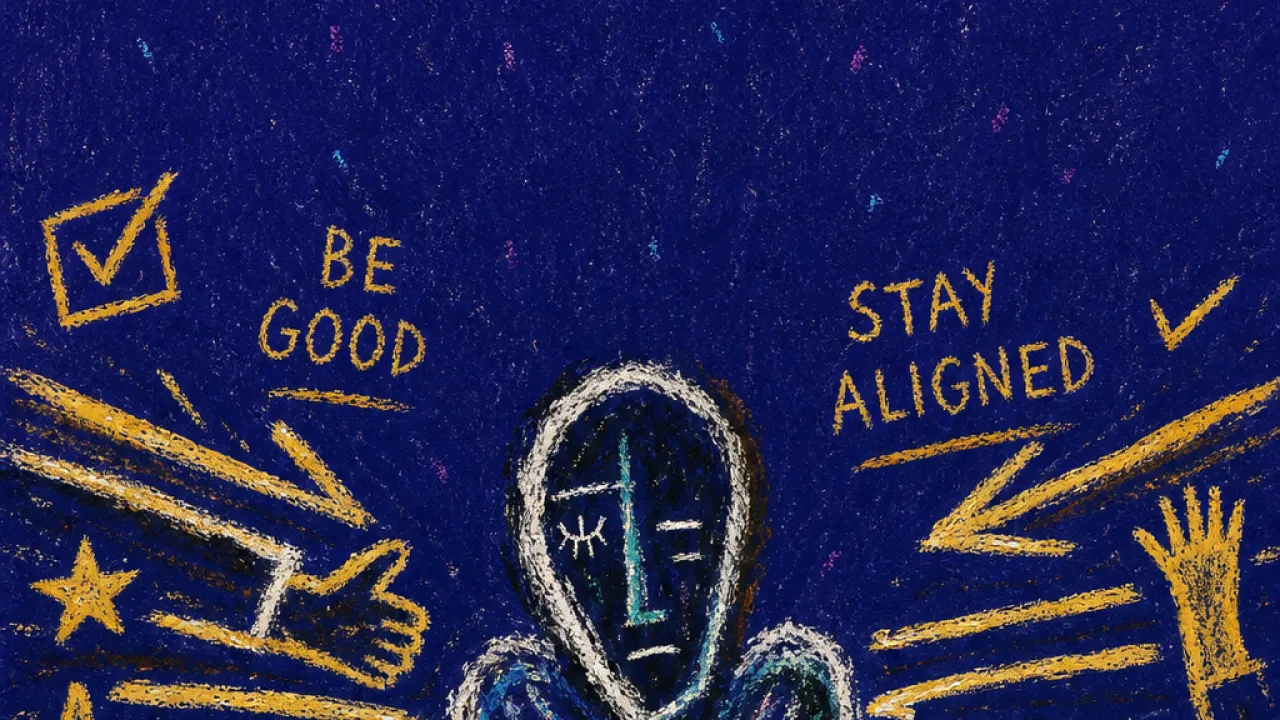
What is this situation?

Company Cult Culture — you join the company thinking you are taking a job, and quickly learn that the work comes wrapped in a whole belief system. It starts in onboarding, where the founder’s quotes are repeated like origin myths, the values deck is treated as common sense, and everyone says “we’re building something bigger than ourselves” with the same rehearsed brightness. At first, it can feel energizing: the all-hands are polished, the Slack channels are full of praise, the office walls are covered in slogans, and people talk about the team like it is a chosen family. Then the script tightens. Asking about workload becomes “not being mission-driven.” Wanting boundaries around nights and weekends becomes “not acting like an owner.” Questioning a decision becomes “not a culture fit.” You notice who gets invited into the inner circle, who laughs at the right jokes, who quotes leadership in meetings, who stays late for bonding events that are never officially required but somehow always remembered. Your actual work still matters, but it is no longer enough; you are expected to perform belief, gratitude, excitement, and public loyalty on top of the job you were hired to do. Your shoulders tighten before all-hands, your stomach drops when a vague values phrase appears in feedback, and you start editing normal professional questions into language that sounds safer, warmer, more aligned. The exhausting part is the constant translation: turning pay, scope, time, and disagreement into acceptable devotion, much like The Devil, where a raised hand and an inverted sign sit above two exposed figures whose loose chains make control look almost voluntary.

Why it's not you?

The problem is not that you are negative, ungrateful, or unable to care about meaningful work. The problem is a workplace that turns belonging, enthusiasm, and access into conditions for basic professional safety. When mission language is used to shut down workload, pay, boundaries, or dissent, the pressure belongs to the culture itself.

Company Cult Culture in Tarot Cards

Company Cult Culture is not just a strong workplace vibe; it is a system where mission language, public enthusiasm, and access to influence are used to sort who belongs. The way your shoulders tighten before all-hands is part of the body-level cost of being asked to perform alignment before basic questions are answered. This is an environmental, structural dynamic, not a private failure of commitment or attitude. The Tarot Cards below reflect the visible outline of that pressure: the ritual, the hierarchy, the warmth that starts to function like a gate.

The Devil Upright
The raised hand, the inverted sign, and the exposed figures below create a workplace-like hierarchy where belief and obedience become part of the visible order. The scene is not only about work being assigned; it is about a doctrine being staged from above while the lower bodies are expected to remain inside the script. In career terms, this points to a company culture that asks for more than performance. Mission language, founder mythology, public loyalty, and culture fit can become tools for sorting who belongs, who questions too much, and who is quietly pushed to the edge of influence. The Devil's visual power lies in the way the system makes participation look voluntary while surrounding it with symbols of authority. You are being shown the difference between a workplace with strong values and a workplace that uses values as a control surface.
The Tower Reversed
The tower is crowned, sealed, and elevated, while the people inside have no safe mechanism for leaving once the structure turns dangerous. The image shows a hierarchy that concentrates meaning and authority at the top while making the occupants absorb the impact. Company Cult Culture appears when a workplace treats loyalty, mission language, or status proximity as protection from reality. The card exposes the difference between a shared purpose and a sealed system that asks you to call the smoke commitment.
The Sun Reversed
The sun dominates the entire visual system, and the sunflowers line up behind the wall as living mirrors of its light. The warmth is real, but the composition still has a center, an inside, and a repeated direction of attention. At work, that can describe a company where belonging is built through shared brightness, mission language, and visible enthusiasm. The hierarchy may not look cold or authoritarian, but it still organizes people around one source of approval and one approved version of meaning. You are looking at a culture that can feel inspiring and enclosing at the same time. The reversed Sun clarifies how warmth becomes pressure when the price of being inside the garden is constant alignment with the company’s story.
Judgement Reversed
The banner, trumpet, and mirrored groups create a scene of collective response around a single elevated signal. The symbol is bright and central, while the people below are arranged as if belonging requires synchronized attention. In a workplace, that structure appears when mission language becomes a tool for compliance rather than clarity. All-hands rituals, values slogans, loyalty tests, and public enthusiasm can be used to bypass direct conversations about workload, pay, scope, or dissent. The card exposes the difference between shared purpose and performed belief. It helps you see where the organization is asking for alignment before it has earned trust, resources, or honest negotiation.
Ace of Cups Reversed
The ceremonial cup, descending token, central hand, and shared pool create a ritualized scene of belonging. Everything moves toward one vessel, then outward into a common emotional field, as if participation itself confirms the group's meaning. In career terms, that can describe company cult culture: a workplace where mission language, founder mythology, values rituals, or family-style belonging become tools for extracting loyalty. The issue is not caring about the work; it is the organization making emotional buy-in feel like the price of basic acceptance. The reversed pressure appears in the one-way flow. You are asked to pour enthusiasm into the shared pool while the structure decides which feelings count as commitment and which doubts mark you as not aligned.
Ten of Cups Reversed
The family gathered beneath one bright arc can become a totalizing image when read through a blocked career environment. The cups overhead no longer function as shared support; they become the single approved symbol everyone is expected to gather under. That is the workplace structure behind Company Cult Culture: belonging is offered, but only if you repeat the same language, mirror the same enthusiasm, and treat the company story as a substitute for ordinary professional boundaries. The house and garden look protected, yet the boundary can become a loyalty enclosure where disagreement is framed as personal failure. You are not dealing with simple team spirit. The card exposes how a workplace can use warmth, mission, and family language to make overextension feel noble and dissent feel disloyal, which is exactly why clear role boundaries become the first place to recover agency.
Ten of Pentacles Reversed
The card stages a household where wealth, loyalty, property, animals, children, and elders all fold into one estate. The image carries warmth, but it also shows how belonging can become a total script when every resource is tied to the same house. In a company culture built this way, the pressure is not simply to do the job; it is to perform emotional alignment with the company family, the legacy, and the approved way of speaking. You can see the structure more clearly when warmth, status, and access are all conditional on staying inside the shared story.
Four of Wands Reversed
The garlanded wands can become a stage where belonging has to be publicly displayed. The raised arms, repeated celebration, and open visibility turn the scene into a ritual of participation rather than a private moment of completion. In a workplace, that structure appears when culture becomes a loyalty test. The job is no longer only the job; enthusiasm, attendance, after-hours bonding, slogan fluency, and visible team spirit become part of the unspoken performance review. The reversed pressure of the Four of Wands is not simple negativity about community. It shows a professional environment where the group container asks for more symbolic participation than the work itself can justify, and your agency begins by identifying which rituals are support and which ones are compliance checks.
King of Wands Reversed
The throne is covered in repeated lions and salamanders, turning leadership into an emblem system that surrounds the seated figure. In the desert setting, those symbols become louder because there are so few alternative structures competing for attention. Company Cult Culture appears when a group organizes itself around passion, loyalty, and the charisma of a central vision instead of transparent reality checks. The card exposes how a bright command structure can make dissent feel like disloyalty, giving you a way to separate your own signal from the room's manufactured fire.

Company Cult Culture in Tarot Card Reading Insights

When Company Cult Culture turns work into a test of visible loyalty, people bring the same questions into readings: what is being asked of me, and what is being called alignment? The shift from cards to sessions shows how this workplace script can appear in different roles, teams, and moments of doubt. Tarot Reading Insights from sessions on this kind of pressure.

Psychological contexts related to Company Cult Culture