Healing Without a Container

A grounded look at unsupported healing setups, related tarot cards, and tarot reading insights from similar reflective work.

Unscaffolded Healing Environment
What is this situation?

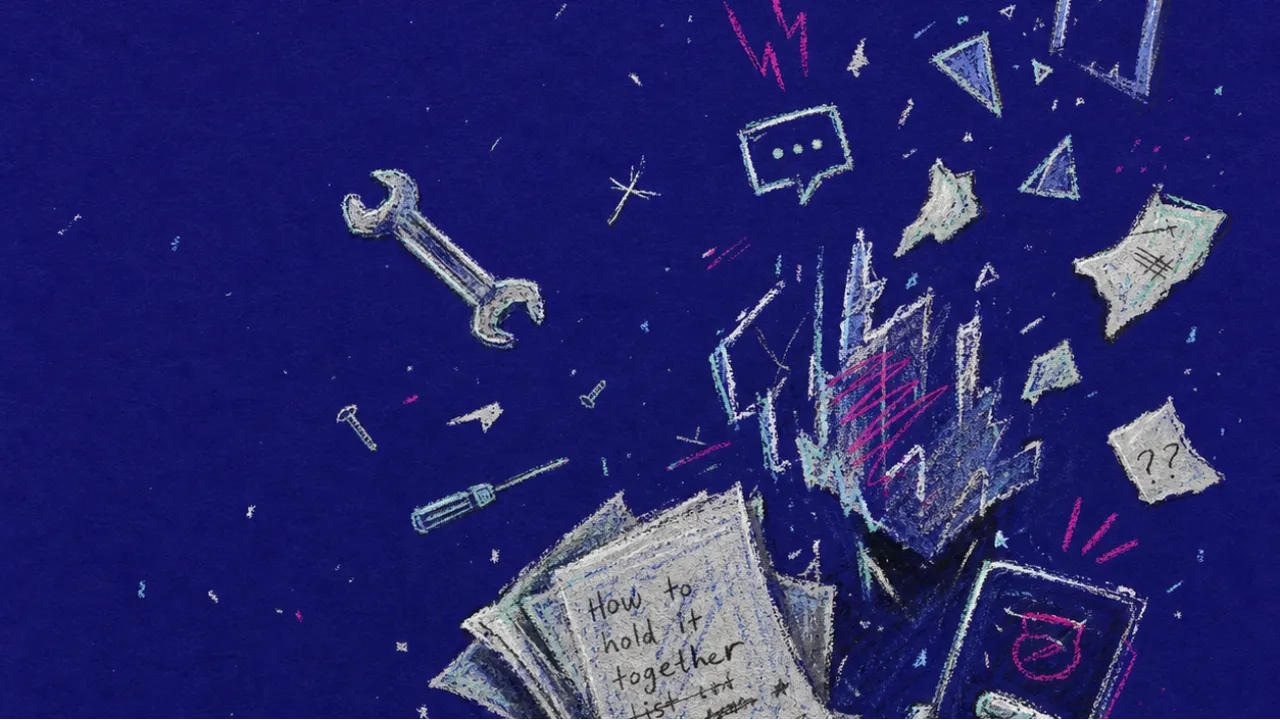
Unscaffolded Healing Environment — you enter it the moment you decide to finally deal with something difficult, but the room around that decision is made of scattered pieces: a notes app full of midnight entries, a saved video you watched between notifications, a friend who says “you should process it” but cannot stay with the conversation, a busy apartment where privacy ends as soon as someone knocks, a calendar that gives you ten minutes of quiet and then pulls you back into work, school, errands, family messages, or another demand. At first, the setup looks like support because there are tools everywhere: prompts, podcasts, worksheets, group chats, books, wellness language, advice threads, and people who mean well in short bursts. But none of it becomes a structure you can lean on; there is no steady pace, no trusted witness, no clear place to stop, no one helping you sort what opened up from what still needs to wait. You are asked to be honest, reflective, self-aware, and changed, while the environment keeps interrupting the very process it encouraged you to start. One day you write too much and have to go straight into a meeting; another night you read something that unlocks a layer you cannot put back down, then fall asleep with your phone beside you because there is no other container for it. The work is real, but the conditions around it are improvised, and over time the whole thing starts to feel less like repair and more like standing outside in weather with a handful of tools, much like the Five of Pentacles, where the injured figure keeps moving with a crutch while the lit window stays separate from the street.

Why it's not you?

The problem is not that you are bad at healing, reflection, or self-awareness. The problem is that this setup gives you tools without giving you the structure those tools need: pacing, privacy, steady feedback, and a place to stop. That is a support gap in the environment, not a flaw in your ability to do the work.

Unscaffolded Healing Environment in Tarot Cards

In an Unscaffolded Healing Environment, the pressure is not just the material you are trying to process; it is the thin container around the work itself. The tight chest, the overfull notebook, and the feeling of having nowhere to put the next layer are signals from an environmental, structural dynamic where support arrives in fragments instead of forming a reliable frame. The cards below do not tell you to push harder or stop reflecting; they mirror the shape of a process being asked to hold more than its setting can carry. Here are the Tarot Cards that tend to surface around this kind of unsupported healing setup.

Five of Pentacles Reversed
The injured figure keeps moving with a crutch while the ordered window stays separate from the street. The body has a small tool for continuation, but not a full structure for recovery, shelter, or integration. In inner work, that image maps onto healing attempts done without enough scaffolding. Journaling, shadow work, self-help content, or private reflection can open deep material, but the surrounding environment may not provide pacing, containment, feedback, or a safe stopping point. The reversed card makes the missing support architecture visible. The issue is not that the inner work is unreal; it is that the work is happening in weather it was never meant to withstand alone.
Six of Pentacles Reversed
The clear sky leaves the scene exposed, and the platform gives no shelter to the kneeling figures while they wait for measured help. Resources exist, but they arrive as isolated coins rather than as a stable structure around the people receiving them. This describes inner work attempted in an environment that offers occasional validation but no real scaffolding. The card separates a moment of help from a system of support, making visible why self-work can keep stalling when privacy, continuity, and reliable holding are missing.
Seven of Pentacles Reversed
The cultivator is alone with the plant, the tool, and the visible weight of what has grown. There is fertile ground, but no shelter, no companion, and no wider structure shown around the work. For deep inner processing, that absence becomes part of the context. Some material can be examined privately, but sustained self-audit without pacing, witnessing, or a stable container can make the whole field feel heavier than the person tending it. You are facing a support problem around the work, not a defect in your capacity to reflect. The card shows why the same process that produces growth can become draining when the environment around it offers no scaffolding.
Eight of Pentacles Reversed
The craftsperson works outside, near a building but not fully inside it, with sharp tools and unfinished coins exposed in the open air. The town is present in the distance, yet the immediate workspace is a makeshift container built around a single bench. For introspection, that spatial arrangement points to deep inner work taking place without enough boundary, pacing, or trusted support around it. You may be trying to process material in a setting that keeps opening more than it can hold, and the card makes the missing container visible without turning the struggle into a personal failure.
Page of Pentacles Reversed
The Page is alone in a wide field, with no visible teacher, shelter, bench, circle, or structure around the work. He has the pentacle in his hands, but the environment does not provide much scaffolding beyond open space and distant mountains. In introspection, that image can describe trying to process complex inner material with only isolated effort, online prompts, and personal discipline. The work may be sincere, but the surrounding container is thin, leaving the person to hold both the object and the method at the same time. You may not need more pressure to be self-aware. The card points to the missing external support around the process: pacing, witness, structure, and a place where the material can be held without turning every difficult layer into a solo project.
Knight of Pentacles Reversed
The open field offers horizon but no shelter, and the rider's protection has to be carried on the body. Armor, reins, and the held pentacle become the only structure around a landscape that has not yet been built into a supportive place. In introspective work, that image becomes an unscaffolded healing environment: You are trying to handle difficult inner material without enough pacing, privacy, language, or external containment. The card does not make the depth of the work the problem. It shows the missing container around the work, where self-protection has to do the job that a steadier structure should be doing.
Two of Swords Reversed
The woman sits alone on a cold slab at the edge of the sea, with no wall, guide, shelter, or visible support around the emotional tide behind her. The swords create a private container, but that container depends entirely on her arms continuing to hold. In introspection work, this reflects the outer condition of processing heavy material without enough structure around the process. The issue is not that solitude is wrong; the issue is that the whole scene places regulation, pacing, interpretation, and protection on one isolated body. The card shows why clarity can feel hard to keep when the environment provides no scaffold. A stronger container would not take agency away from you; it would keep the tide from becoming the only force in the room.
Three of Swords Reversed
The red heart is suspended in weather with no hands, shelter, tools, or body around it. The scene shows injury without infrastructure: the wound is visible, but nothing in the environment helps hold it. For personal growth, this points to being expected to process rupture, criticism, or life change without a stable container. The card makes the missing scaffolding visible, so the problem is not reduced to willpower when the surrounding environment has offered no real place for repair.
Four of Swords Upright
The knight has a place to lie down, but the setting is austere: stone, armor, blades, and distance. The chamber offers quiet without much visible softness, turning rest into something structurally possible but thinly supported. In direction work, that difference matters. You may have technically stepped away from pressure, yet the environment around the pause may not provide enough reflection, guidance, or relational holding to turn recovery into a new course. An Unscaffolded Healing Environment is the stage where stopping is available but integration is underbuilt. The card points to the missing external supports around the pause, helping you distinguish true recalibration from simply lying still inside the same hard architecture.
Reversed
The figure is alone on a tomb-like platform, with the only color placed high and away in the stained-glass window. The space can hold stillness, but it does not show active support, conversation, touch, or practical scaffolding around the resting body. In introspective work, this maps to trying to process heavy inner material with too little external structure. You may have concepts, content, or symbolic language available, but not enough pacing, privacy, guidance, or grounded routine to make the process livable. An Unscaffolded Healing Environment appears when the room is quiet enough to expose what needs attention but not equipped enough to help You integrate it. The card makes the missing support visible without turning it into a personal defect: the chamber itself is underbuilt for the amount of material being held.
Six of Swords Reversed
The ferryman rows from behind while the covered passengers sit inside a small boat surrounded by open water. The vessel offers some boundary, but it is also narrow, exposed, and dependent on one person, one oar, and one fragile line of movement. That image turns introspection into an environmental problem, not just an inner one. When the reflective process has no reliable container, no consistent witness, or no grounded rhythm, the crossing can become a private effort to hold too much with too little structure. The card does not pathologize the difficulty. It shows a support gap: the work may be real, but the vessel may be underbuilt for the weight it is carrying, which makes the first task naming what kind of scaffolding the passage actually requires.
Seven of Swords Reversed
Bare or exposed feet moving through dusk, hands wrapped around sword blades, and a military camp behind the figure create a scene of inner work done without a soft container. The tools are real, but the setting is not built for careful handling. For introspection, this describes trying to process private material in an environment that gives You prompts, pressure, or scrutiny without enough containment. You may have language for the issue, yet no reliable structure for pacing, privacy, or honest reflection. The reversed Seven of Swords makes the danger concrete: sharp tools carried alone can become another form of strain. The point is to identify the missing scaffold around the work, not to treat the work itself as the problem.
Eight of Swords Reversed
The woman stands outside the castle, exposed in muddy ground, with no visible bridge, guide, or protective enclosure connecting her to the safer structure in the distance. The swords create a perimeter, but they do not create support. Unscaffolded Healing Environment is the reality stage where a person is expected to process, improve, or rebuild without enough containment. The growth demand is present, but the pacing, feedback, and stabilizing structure are missing. The Eight of Swords makes that absence visible. You are not simply failing to move; the environment may be asking for transformation while withholding the supports that make transformation executable, and seeing that mismatch is the first step toward building a more realistic container.
Nine of Swords Reversed
The bed creates a boundary, but it is a thin one: the lower body is covered while the upper body remains exposed to the full line of swords. Around that partial shelter, the black room offers no visible structure, witness, or external support. In personal growth work, this becomes the reality of trying to process heavy material with fragments instead of scaffolding. You may have language, prompts, and private insight, yet the environment lacks the steady container that would help those pieces become integration rather than more pressure. The Nine of Swords points to the missing architecture around the work. The issue is not whether growth is meaningful, but whether the setting you are using can actually hold the intensity of what it asks you to face.
Ten of Swords Reversed
The open bank gives the fallen body no shelter, no container, and no immediate structure of care. The horizon exists, but it is thin and distant; the foreground is all exposure, pressure, and unbuffered aftermath. This is the outer context of trying to recover or grow without scaffolding. You may be surrounded by advice, expectations, or a demand to move on, while the actual environment provides little pacing, containment, or reliable support. The card makes that missing structure visible. It does not turn recovery into a private character test; it shows that integration requires conditions, and that an exposed field can keep a growth process pinned even when the next shore is real.
Page of Swords Reversed
The Page stands high on a rugged ridge with only one tool in hand, no shelter, no companion, and no visible structure around him. The wind and clouds make the space active, but nothing in the landscape offers containment. Reversed, this becomes the reality of trying to do deep inner work without a scaffold. You may have insight, language, and intensity, yet the external setup lacks rhythm, privacy, trusted reflection, or a stable container that lets difficult material be processed without spilling into every part of life. The Page of Swords connects this context to intelligence under exposure. The sword is useful, but a sword is not a room, a schedule, a witness, or a boundary; the card makes visible the difference between having sharp insight and having an environment that can actually hold it.
Queen of Swords Reversed
The queen has a throne, a crown, and a sword, but no companion or shared working surface appears beside her. The sparse hilltop and distant trees make the scene capable, elevated, and strikingly unsupported. That arrangement mirrors a healing environment where the tools exist, but the container is thin. You may be expected to process old material alone, stay articulate while doing it, and produce clarity without reliable witnessing or structure. For introspection, the card names the gap between being insightful and being supported. The sword can separate truth from noise, but the landscape asks whether your inner work has enough human and practical scaffolding to hold what it uncovers.
King of Swords Reversed
The stone throne stands on a barren mound, with distant trees visible but not physically close. The image contains authority and clarity, yet the immediate ground offers little softness, support, or living contact. For introspection, this describes trying to process heavy inner material in an environment that gives You language but not enough holding structure. The card makes the container problem visible: insight alone cannot do the work of privacy, time, relational steadiness, and grounded support.
Ace of Wands Reversed
The hand holding the wand is powerful, but it is also strangely alone. The wand is alive, the landscape is fertile, and the leaves are moving, yet there is no close container around the hand and no visible human structure receiving the force. That image fits an unscaffolded healing environment in introspection work. Deep material can become active before there is enough pacing, support, language, or reality testing to hold it, so every insight arrives with more charge than the surrounding structure can absorb. The card’s open space is not empty; it is under-contained. It shows why a breakthrough can feel destabilizing when the outer setup consists only of private effort, scattered resources, and no reliable frame for integration.
Three of Wands Reversed
The cliff gives height, but it does not provide a bridge. One wand has to serve as both support and boundary while the sea opens in front of the figure with no visible crossing structure. For inner work, that exposed geometry becomes a situation where deep material is being handled without enough container. You can see the direction of growth, but the environment around the process may not yet offer rhythm, feedback, or a grounded way to cross from insight into repair.
Four of Wands Reversed
The four wands promise structure, but the open foreground and distant house show that the real shelter is still across a threshold. When the frame is mostly ceremonial, it can expose a person to attention without giving them a private room to process what the ritual opens. For inner work, this maps onto environments that ask for depth, vulnerability, or transformation without providing containment. You are left with language, symbols, or group energy, but the practical scaffold for integration is too thin to hold what comes up.
Five of Wands Reversed
No figure holds the center, and no wand creates a stable frame around the conflict. The ground is uneven enough that every move has to account for shifting footing, other bodies, and tools coming from different angles. That layout fits deep inner work attempted without a reliable container. You may have practices, language, memories, prompts, and feedback, but the surrounding environment does not provide sequence, pacing, or a protected frame for integration. The card identifies the missing structure without turning your effort into the problem. It shows that self-examination can become harder when every tool is active at once and nothing is allowed to settle long enough to become support.
Seven of Wands Reversed
The scene gives the figure no wall, no shelter, and no second set of hands. One wand has to function as tool, shield, boundary, and proof of position while the ground remains uneven beneath him. That is the external shape of an Unscaffolded Healing Environment. In introspective work, the problem is not the absence of insight; it is the absence of a stable container where insight can be processed without constant interruption, pressure, or exposure. The card reveals why private repair can feel harder than it should. You may be trying to rebuild inner order while still standing in the same open field that keeps demanding defense, and that lack of scaffolding becomes part of the context that needs to be named.
Nine of Wands Reversed
The bandage, the lone figure, and the partial fence create a scene where repair is happening without visible backup. Resources exist in the image, but they are arranged behind the body rather than actively sharing the load at the exposed gap. In personal growth, this speaks to rebuilding yourself in an environment that offers inspiration, concepts, or distant possibility but not enough scaffolding. You may see the green hills of a different life, yet the immediate structure still asks You to hold the breach alone. The card makes the missing support concrete. It does not turn your stalled progress into a character flaw; it shows the difference between having growth language around You and having an actual container that can carry pressure.
Ten of Wands Reversed
Both arms are consumed by the wands, and the open ground offers no protected place to set the bundle down. The carrier can keep moving, but he cannot sort, adjust, or separate the load while it is pressed against him. An unscaffolded healing environment has that same pressure pattern. Inner material may be real and ready to be examined, yet the external container is missing: privacy, time, rhythm, trusted reflection, or a practical boundary around the process. The reversed Ten of Wands turns this into a structural warning without making it a diagnosis. You are not failing at introspection because the material is too complex; the setting may be asking you to process too much without enough support to make the work coherent.
Page of Wands Reversed
The exposed desert around the Page leaves the wand as the only visible support. The distant pyramids create a huge scale behind him, while the foreground offers no shelter, guide, bench, doorway, or social container. That image locks onto Unscaffolded Healing Environment because your inner work may be happening in a setting that expects depth without providing structure. You are carrying the spark, but the surrounding field offers too little containment, making every insight work harder than it should to stay upright.
Queen of Wands Reversed
The throne stands in a desert, with distant pyramids on the horizon and only a small amount of green life held in the Queen's hands. The scene contains symbols of wisdom and vitality, but the surrounding environment offers no immediate path, shelter, companion, or shared container. Reversed, that landscape becomes a precise image of Unscaffolded Healing Environment. There may be insight, language, content, rituals, or private awareness available, but the structure that would help a person integrate those discoveries is thin or missing. In introspection work, the card distinguishes having material from having support. You may be surrounded by prompts, frameworks, and moments of recognition, while still lacking the external scaffolding that lets inner work settle into daily life instead of becoming another isolated performance of self-repair.

Unscaffolded Healing Environment in Tarot Card Reading Insights

When an Unscaffolded Healing Environment turns private repair into another solo task, other people bring that same mismatch into readings too: insight is present, but the container is thin. The shift here is from the cards themselves to what appears when this setup enters a spread. Tarot Reading Insights from sessions around unsupported healing work.
Psychological contexts related to Unscaffolded Healing Environment