Whose script is this?

A clear definition of this inherited loop, the tarot cards that mirror it, and reading insights that show how it appears.

Family Pattern Recognition
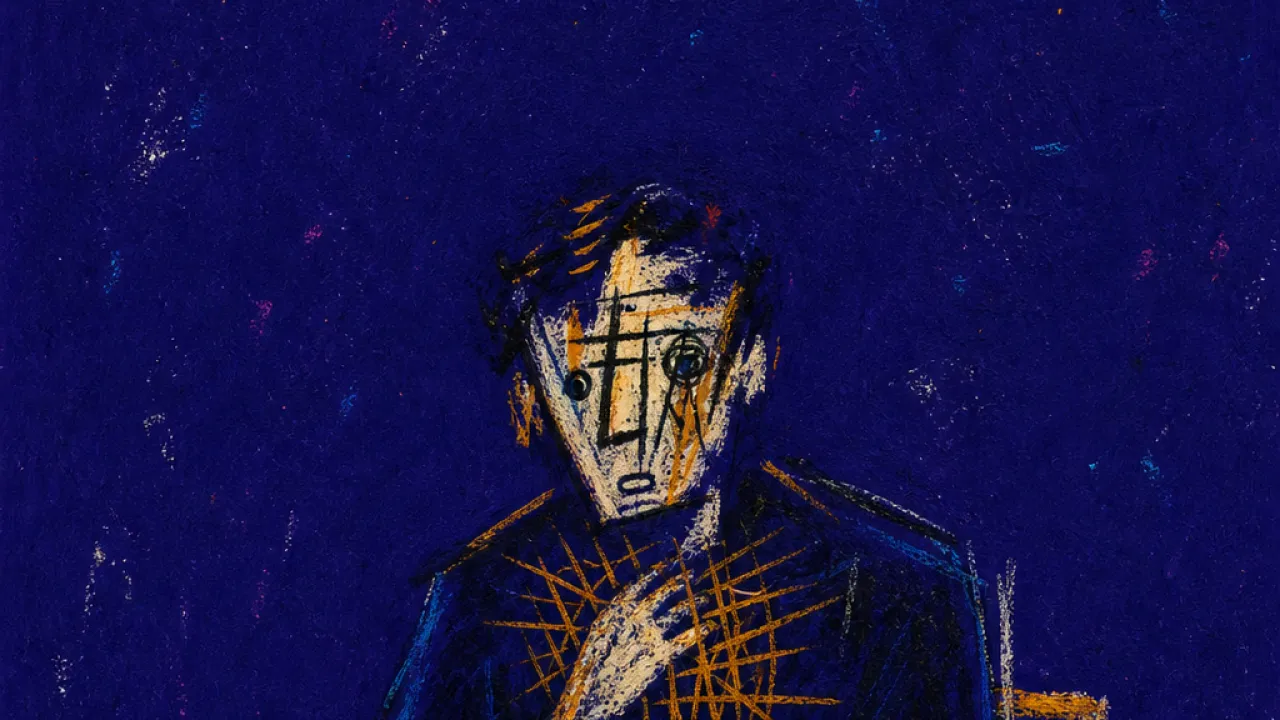
What is this really?

You start noticing the repeat beneath the moment: the same pause before a parent's comment lands, the same sibling role sliding into place, the same guilt-laced wording that turns one text, dinner, or holiday into a familiar loop. You are trying to build a cognitive map of the system, not to blame anyone, but to separate present-day choice from inherited reflex and recover a steadier sense of boundaries. Yet once the choreography is visible, ordinary contact can feel wired with static, as if you cannot unhear the old call moving through everyone at once, much like Judgment, where mirrored families rise in repeated gestures to one trumpet sound.

Why did it happen?

At some point, reading the room may have helped you stay steady around shifting moods, unspoken rules, or roles that seemed to appear before anyone named them. Now that same inner pattern can keep scanning for the next cue, turning ordinary contact into a subconscious loop that leaves your body tired before anything has fully happened.

How does it feel?

  • A parent sends a short message with no context, and your thumb hovers over the keyboard while you rewrite the reply three times, softening one word, adding a smiley, then deleting it. In that pause, your chest may tighten and your breathing can get shallow, as if your body is bracing for the reaction before the conversation has even started; it is okay to let the pause be there before you answer.
  • At a family dinner, someone makes a familiar comparison and you glance down at your plate, press your fork into the same spot, and wait to see who will laugh, defend, or change the subject. That tiny stillness can feel like heat rising up your neck while the rest of you goes quiet; noticing the heat does not require you to decide anything immediately.
  • During a group call, two relatives start speaking in the old rhythm, and you catch yourself tracking who interrupts, who smooths it over, and who suddenly becomes responsible for making everyone comfortable. Your shoulders may lift toward your ears and stay there after the call ends, as if the conversation is still sitting on your body; allowing the shoulders to drop one inch is enough for now.
  • When plans are being made, you hear yourself say, 'Whatever works for everyone,' while your hand is already opening the calendar and moving things around. A blank, floaty feeling may arrive right after, like you stepped out of your own preference before you had time to feel it; uncertainty can stay unnamed for a moment.
  • Alone later, you replay the exchange and draw invisible lines between one comment, one silence, and one role that has shown up before, tapping the side of your mug while the pattern clicks into place. There may be a strange mix of relief and heaviness in your stomach, because seeing the loop does not make you separate from it instantly; this is simply information becoming visible.

Family Pattern Recognition in Tarot Cards

The moment one text, dinner, or holiday starts feeling like part of a familiar loop, Family Pattern Recognition is already online. You might notice it first as a tight chest, shallow breathing, or your thumb hovering over a reply you haven't chosen yet. Jungian archetypal theory gives language to this inherited choreography without turning it into blame. The cards below reflect the unconscious dynamics beneath the repeated roles, signals, and scripts: Tarot Cards that map this pattern.

Judgement Upright
The mirrored families rising from their coffins do not look like isolated individuals having separate realizations. Their gestures echo each other, their bodies form repeated triangular structures, and the trumpet gathers the whole field into one shared response. The card makes awakening look systemic: one sound moves through many bodies at once. That visual structure maps directly onto family pattern recognition. You are not only noticing one parent’s comment, one sibling’s reaction, or one tense dinner; you are seeing the choreography underneath it. The same roles keep reappearing because the system has learned a stable way to distribute silence, guilt, responsibility, and emotional labor. In a family reading, this pattern is not about blaming the family or excusing the past. It is the moment when the old ritual becomes visible enough to interrupt. The trumpet does not force the figures to stay in the script; it makes the script audible.
Ace of Cups Reversed
The ornate cup has a fixed shape, yet the water moving through it is alive. Reversed, the image can show a family pattern preserved by repetition: the emotional current keeps moving, but it is forced through a container designed before the present moment arrived. Family Pattern Recognition is the cognitive shift that lets you see the container instead of only reacting to the water. The mechanism is pattern detection under emotional pressure, naming the repeated roles, comparisons, silences, and repair rituals that organize the family field beneath individual conversations. You may start to notice that the argument is not only about one text, one holiday, or one choice. The Ace of Cups reversed reveals the inherited vessel shaping the exchange, which gives you enough distance to stop confusing a familiar loop with an unavoidable truth.
Three of Cups Upright
The raised cups repeat the same gesture across three separate bodies, turning joy into choreography. Around their feet, the harvest objects make the scene feel seasonal and cyclical, as if this gathering is not random but part of a ritual that returns at the same emotional time every year. That repetition is the visual anchor for Family Pattern Recognition. The card's celebration can be read as a family script: who initiates the toast, who keeps the mood bright, who gets praised for loyalty, and who is expected to join before they have checked whether they actually consent. You are not being asked to reject connection. The pattern invites a clearer audit of the choreography itself, so the old family dance becomes visible before your body automatically steps back into it. Once the ritual is seen, participation becomes a choice instead of an inherited reflex.
Five of Cups Upright
The card holds two timelines at once: spilled cups in the foreground, standing cups behind, and a bridge crossing the river toward a stable house. Nothing in the image erases the loss; it simply places the loss inside a larger map. Family Pattern Recognition fits because the scene can be read as a system rather than a single emotional event. You may start to see that the argument, guilt trip, comparison, or sudden role reversal is not random; it belongs to a repeatable family sequence. The value of the bridge is structural clarity. It shows that seeing the pattern does not require denying the grief, and it does not require submitting to the old script. It gives your adult mind enough distance to separate inherited dynamics from present-day choice.
Six of Cups Upright
The children stand inside a protected home-space while an older figure recedes in the background, making time feel physically layered: childhood in the foreground, adulthood walking away behind it. The manor is not just scenery; it is the first architecture of safety, order, and care. That layered space mirrors how early household rules can keep operating inside an adult lifestyle. You may arrange rest, tidiness, food, productivity, or comfort according to a script that feels natural because it was learned before it was chosen. The pattern is not about owing loyalty to that script. It is about seeing which parts of your daily system are genuinely yours, and which parts are inherited defaults that no longer fit your bandwidth.
Ten of Cups Upright
The whole family is shown at once: adults, children, home, river, garden, and the ten cups overhead all inside one readable field. The card gives the eye enough distance to see the household as a system rather than as one isolated interaction. That wide field is the mechanism behind Family Pattern Recognition. You begin to notice how roles, moods, rituals, and inherited expectations repeat across contact with family, which turns confusion into a map instead of leaving you trapped inside the latest argument.
Page of Cups Upright
The fish rises from the cup like a small message from the water behind the Page, and his gaze meets it before anything else in the scene competes for attention. The empty sky and clean sightline make the subtle cue impossible to miss. Family Pattern Recognition is the mind's capacity to catch an inherited emotional script while it is still small. You may notice a parent's tone, a familiar comparison, or a sudden childlike reaction before it becomes automatic. The value of the Page's posture is not prediction; it is the quiet audit of a signal before the family system recruits you into the old sequence.
Queen of Cups Upright
The calm water around the Queen reflects the emotional field without breaking into waves. The shell imagery, blue-white clothing, and carved throne all repeat the same watery language, turning the whole scene into a map of feeling that can be observed rather than immediately obeyed. That is why the card supports Family Pattern Recognition. The Queen's stillness is not passivity; it is the capacity to read emotional weather before reacting to it. The family system becomes visible as a pattern of roles, signals, comparisons, silences, and inherited scripts. When this mode is working, you do not have to become the old role just because the old cue appears. The card shows the psychological space between noticing the family pattern and being taken over by it.
King of Cups Upright
The fish pendant rests over the king's chest while the dolphin and ship move through the surrounding water. Hidden feeling is not invisible here; it has symbols, routes, and movement. The ocean becomes a map rather than a blur. Family Pattern Recognition works the same way when old scripts become visible before they become automatic. You begin to notice who escalates, who smooths things over, who goes silent, and who gets assigned responsibility for the emotional weather. The card links this pattern to the ability to read the family sea without confusing every inherited current with your own choice.
Three of Pentacles Upright
The pentacles are built into the arch rather than held by any one figure. The blueprint, the worker, the robed observers, and the stone structure show a system where individual effort becomes part of a larger inherited design. In family life, that visual structure turns attention away from blaming one person and toward mapping the pattern. You can begin to see who directs, who performs, who legitimizes, who absorbs tension, and which role you step into before you consciously choose it. Family Pattern Recognition is the shift from reacting inside the system to observing how the system organizes reaction. The card's shared construction gives the pattern a visible body: the family is not just a collection of personalities, but a set of repeated roles, rules, and emotional workflows.
Seven of Pentacles Upright
The bush holds six pentacles while one lies on the ground, turning the plant into a visible record of what has grown, what has been taken, and what is still waiting. The figure's fixed gaze treats the crop as evidence, not decoration. Family Pattern Recognition follows the same movement: the family tree is examined as a cultivated system rather than a set of isolated arguments. You begin to see which roles keep producing the same harvest, which forms of effort never mature, and which inherited scripts are being replanted without being named.
Nine of Pentacles Upright
The snail at the woman's feet moves slowly through the same cultivated ecosystem that produced the grapes and pentacles. Nothing in the garden appears instant; the scene is built from repetition, tending, inheritance of soil, and the long consequences of what has been allowed to grow. In family work, that slow ecological detail becomes a map for recognizing repeated scripts without treating them as destiny. You can begin to see how a reaction that feels personal may actually be part of a longer pattern moving through contact, silence, repair attempts, comparison, and guilt.
Ten of Pentacles Upright
The Ten of Pentacles places three generations inside one architectural frame: elder, couple, child, dogs, crest, house, and wall. The scene makes belonging visible as a patterned system rather than a private mood; each figure occupies a role, and the child learns the household rhythm by watching it before fully entering it. That visual structure connects to Family Pattern Recognition because the mind often stores inherited rules as if they were personal instincts. You may notice that a harsh standard, a safety ritual, or a reflexive shame response is not simply your personality, but a learned template that kept repeating until it felt natural.
Queen of Pentacles Upright
The Queen’s gaze narrows into the pentacle, but the surrounding garden, throne, river, and hills remain orderly around her. The card holds a rare balance: focused attention without panic, practical detail without emotional tunnel vision. That is the visual logic of turning an inherited family pattern into an object of study. Instead of instantly reacting to guilt, comparison, obligation, or resource pressure, the mind pauses long enough to see the pattern as a pattern. Family Pattern Recognition matters because many family triggers feel personal in the moment. The card shows the psychological move from being inside the script to holding the script in your hands, where it can be examined rather than automatically obeyed.
Ace of Swords Upright
The crown, olive branch, and palm frond sit around the sword as an inherited symbolic system rather than a random decoration. The blade passes through the center, making the structure visible, organized, and available for examination. This is the visual logic behind Family Pattern Recognition. The sword does not attack the family terrain; it names the architecture around it. In family systems, that means seeing the repeated roles, silences, comparisons, alliances, and guilt scripts that once felt like normal weather. You may be realizing that the issue is not one isolated conversation, but a repeated pattern with rules. The card mirrors the moment when inherited dynamics stop feeling like personal confusion and become a structure you can finally map.
Four of Swords Upright
The stained-glass woman and kneeling child remain visible above the resting knight, separate from the gray body on the tomb. The family image is present, but distance turns it into something that can be observed rather than automatically inhabited. That is the psychological opening of this pattern. You begin to see which gestures, silences, loyalties, and fears were inherited from the family system, and which ones still deserve authority over your adult life.
Six of Swords Upright
The boat moves away, but the six swords come with it. The water holds two conditions at once: smoother water around the passage and ripples where the oar cuts through. The card’s central intelligence is that transition does not erase what shaped the traveler; it makes the carried structure visible. Family Pattern Recognition grows from that exact visual tension. You begin to see that a parent’s criticism, a relative’s comparison, a sibling role, or a guilt script is not an isolated event but a repeated family sequence with a predictable emotional outcome. This pattern is not about blaming the family system as a final answer. It is about creating enough distance to identify the loop before it recruits you again, so the inherited script becomes observable rather than automatic.
Page of Swords Upright
The Page looks back across rough terrain from an elevated ridge, with birds overhead and clouds moving close around him. The scene gives him both distance and data: he is not inside the lower path anymore, but he is still studying how the path was shaped. That distance is the psychological hinge of Family Pattern Recognition. The sword holds a clean line of thought while the birds suggest higher perspective, allowing the family system to be seen as a repeating structure rather than a set of random personal failures. You begin to notice who carries tension, who redirects blame, who gets triangulated, and which arguments keep repeating with different words. In family tarot, this pattern matters because clarity is not the same as blame. The card shows a mind learning to separate observation from emotional capture, so the old family script can be mapped before it automatically recruits you into the same role again.
Queen of Swords Upright
The Queen sits on a throne carved with butterflies, while the sword remains raised above the clouds. Transformation is present in the imagery, but it is carved into stone, suggesting that change has to be recognized within structures that have become formal, inherited, and repeated. That is the exact terrain of family pattern recognition: seeing the script before the script becomes your reflex. The elevated position gives You enough distance to notice who carries responsibility, who controls the narrative, who withdraws, who appeases, and who is punished for separating. Family Pattern Recognition becomes the card's clearest constructive intelligence. The sword does not simply cut people off; it cuts through inherited confusion so You can identify the system without automatically becoming the role it assigned You.
Four of Wands Upright
The card layers a decorated threshold, two celebrants, distant children, and a rooted home into one continuous family field. Nothing is chaotic on the surface; the pattern is visible because each layer has its place in the scene. This visual order mirrors Family Pattern Recognition. You begin to see which family rituals create real safety and which ones simply repeat inherited scripts. The Four of Wands does not ask you to reject the home image; it gives you enough distance to audit how that image was built.
Eight of Wands Upright
Eight wands cross the sky in the same direction, evenly spaced and moving as one current, while no visible person appears to be throwing, holding, or stopping them. The image makes movement look systemic: the force is real, coordinated, and already underway, but it is not reducible to one individual’s hand. That visual structure mirrors the moment when a family pattern becomes legible as a pattern. A parent’s pressure, a sibling’s comparison, or a relative’s guilt-laced message may look like separate incidents at first, but the repeated trajectory reveals a shared script moving through the system. You gain psychological leverage when the motion is seen from a distance instead of absorbed as a personal emergency. The card’s open sky turns the family current into something observable, which is the core of Family Pattern Recognition: naming the route the message keeps taking before deciding whether you will travel with it.

Family Pattern Recognition in Tarot Card Reading Insights

For anyone who has watched one family message turn into a familiar loop, the shift from cards to readings can make the pattern easier to place. Others have brought similar inherited scripts into tarot readings without needing to turn them into a verdict. Below are Tarot Reading Insights where this pattern appears.
Psychological patterns related to Family Pattern Recognition