Why Does Closeness Feel Risky?
Explore this guarded pull toward closeness through lived patterns, related tarot cards, and tarot card reading insights.

Vigilance-connection Split

What does this feel like?
Vigilance-Connection Split is the moment you want to be close to someone and still feel your body preparing for impact before the conversation has even begun. You open a text from a person you care about and your thumb pauses over the reply box, as if the wrong amount of warmth could cost you something; your chest tightens, your jaw locks, and your mind starts measuring the gap between what they wrote and what they might mean. You do want the date, the friendship, the group chat, the easy back-and-forth, the feeling of being chosen without needing to prove you are safe to choose. But even when the door is open, some part of you stands at the threshold with its shoulders raised, checking the room before stepping in. A delayed reply becomes weather to read. A quiet tone becomes terrain to cross. A joke that lands oddly becomes a small alarm your face tries not to show. So you learn to stay socially present while keeping a private lookout running underneath it all: smiling while scanning, answering while bracing, caring while quietly calculating how exposed you can afford to be. The cost is not that you stop wanting connection; the cost is that connection stops feeling like rest. It becomes something you approach with balance, grip, and readiness, much like the Page of Swords standing on a high, uneven ridge, sword raised in both hands while his head turns back into the wind.
What's pulling at you?
You're not distant because you don't care; you're caught between the part of you that wants closeness and the part of you that has to check whether closeness is safe to receive. The bind is that both parts are trying to help at the same time, so every opening can feel like an invitation and a test at once.
How It Shows Up?
- You open a message from someone you like and reread the first line three times before answering, not because it is complicated, but because your body is already listening for a shift in tone. Your thumb hovers over the keyboard, your shoulders climb, and there is a tight little hold behind your ribs while you decide whether to sound warm, casual, unavailable, interested, or safe. The connection is right there on the screen, but it arrives with the small raised-sword feeling of having to meet it prepared. It is enough to answer at the pace your body can manage, without forcing ease on command.
- You're sitting across from someone who is trying to be close with you, and part of you wants to lean in, laugh properly, let the moment land. At the same time, your eyes keep catching tiny details: a pause before they reply, a change in their face, a silence that lasts half a second too long. Your jaw tightens, your breathing gets shallow, and your body stays on a high ridge even though the room is warm and nothing visible is happening. You can let yourself notice both things at once: the wish to connect and the effort it takes to stay present.
- In a group chat or at a table with friends, you keep the tone smooth, react at the right time, and send the right emoji, while another part of you tracks who replied to whom, who went quiet, and whether the energy changed after you spoke. Your stomach dips when a joke lands slightly off, and your face keeps its social shape while your chest goes tight. It can feel like standing at the edge of the Nine of Wands, included but still holding the line. You do not have to solve the whole room before you are allowed to exist in it.
- At work or school, feedback comes in with ordinary wording, and your mind immediately starts scanning for what was not said. You read the email twice, then again, looking for hidden irritation, while your neck stiffens and your hands go cold on the keyboard. You want to collaborate, ask questions, and be seen as easy to work with, but your body treats the exchange like rough ground that has to be crossed carefully. It is okay to pause before responding; a pause can be a place to gather yourself, not a failure to keep up.
- Late at night, after a normal hangout or date, you replay the small moments that everyone else may have already forgotten: the look away, the delayed reply, the sentence that could have meant two different things. Your eyes feel dry, your shoulders ache from being held slightly too high, and the phone light makes the room feel smaller than it is. You want the closeness to feel simple, but the guard post stays lit after everyone has gone home. You can let the replay fade without needing to reach a final verdict tonight.
Vigilance-connection Split in Tarot Cards
Vigilance-Connection Split lives in the moment when you want closeness, but your body is already checking tone, timing, silence, and possible impact. You may feel it as a tight hold behind the ribs, cold hands on the keyboard, or shoulders lifted before anything has happened. From an existential perspective, the structural framework of this struggle is about trying to belong while staying ready to protect your ground. The Tarot Cards below make that guarded reach for connection visible without explaining it away.
Vigilance-connection Split in Tarot Card Reading Insights
When closeness keeps passing through a guard post first, other people bring that same split into readings too. These readings move from the cards into the lived details of wanting contact while scanning for risk. Tarot Reading Insights for this pattern are gathered below.

Sending the Three-Sentence Boundary: From Monitoring to Stepping Back
Topic:Love Tarot Reading
Struggle:Clarity-Exposure Split
Context:Direct Communication Trial

A Deck Left Open After Hours, Then Three Criteria for Shared Ownership
Topic:Career Tarot Reading
Struggle:Responsibility-Authority Split
Context:Approval Bottleneck

Host Mode at Your Own Birthday Dinner—And Letting the Room Breathe
Topic:Introspection Tarot Reading
Struggle:Nourishment Rejection
Context:Designated Peacekeeper Burden

Notes App Open on the Jubilee Line—and the Shift From Spark to Signal
Topic:Love Tarot Reading
Struggle:Relational Pacing Strain
Context:Chemistry to Commitment Test

When a Partner's Text Feels Like Homework: A Shift to Honest Limits
Topic:Choice Tarot Reading
Struggle:Mental Bandwidth Depletion
Context:Always On Availability

When a Small Argument Feels Like Home: Repair Without Disappearing
Topic:Choice Tarot Reading
Struggle:Inherited Repair Burden
Context:Family Script Pressure

When 'Home Safe?' Feels Like Surveillance: Checking the Actual Request
Topic:Love Tarot Reading
Struggle:Boundary Rigidity

From Relieved and Rejected to Steadier Self-Trust After a Rain Check
Topic:Introspection Tarot Reading
Struggle:Performative Intimacy
Context:Friendship Whiplash

When Booking a Trip Feels Like a Trap: Learning a Paced Yes
Topic:Family Tarot Reading
Struggle:Relational Pacing Strain
Context:Commitment Cliff Edge
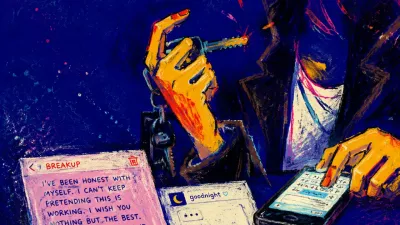
After a Good Date, the Breakup Draft: Learning to Stay One Beat Longer
Topic:Choice Tarot Reading
Struggle:Control Lock
Context:Commitment Cliff Edge