Finding Clarity in the 6:12 p.m. Parent-Visit Spiral
When Maya sat down across from me at the back table of my café, I told her gently, 'If you can handle a client deck but still spiral-clean the second a parent texts we might drop by later, this is probably not about being bad at hosting. It is approval-triggered overfunctioning.'
She laughed once through her nose, tired already. Then she gave me the scene so many people type into search bars at midnight: why do I panic-clean before my parents visit, why does family visiting make my apartment feel embarrassing, why do I start apologizing for the mess before anyone says anything. At 6:12 p.m., after a long TTC ride home, she had dropped her tote by the door of her downtown Toronto condo, seen her mom's text saying they might come by around 7, and immediately sprayed a counter that was already clean. The lemon cleaner stung her nose. The fridge hum felt suddenly too loud. Her phone was still warm in her palm. One AirPod stayed in while her hands kept moving.
'I want it to be casual,' she said, wrapping both hands around the espresso cup I had set in front of her. 'But my body acts like inspectors are coming. If the place looks off, it feels like I look off.'
I could see the pattern in the way her shoulders hovered near her ears, the way her fingers never quite settled. Panic was running through her like a fire alarm trapped inside a too-small hallway: sharp, repetitive, impossible to ignore. She wanted her parents' visits to feel easy and connected, but another part of her was terrified of being seen as careless, unfinished, not fully adult. Her home had stopped feeling like home and started feeling like a report card.
I leaned in and kept my voice soft. 'Your home is not a report card. And nothing about this sounds dramatic to me. It sounds learned. Let me help you make a map through the fog so we can find what old fear gets hit, and what finding clarity actually looks like here.'

Choosing the Compass: A 4-Card Tarot Spread for Parent-Visit Anxiety
I asked Maya to take one slow breath, then another, not as a mystical ritual but as a handoff from reaction into attention. While she focused on the question, I shuffled slowly, the cards making that dry paper whisper I have loved for years, the same way I love the first hush before I pull a morning shot of espresso. For me, this is how tarot works best: not as theatre, but as a clean structure for seeing a pattern in context.
'I am using a Situation-Obstacle-Advice-Outcome spread,' I told her. 'It is a small classic spread, only four cards, and that matters. This issue does not need more complexity. It needs clean separation. One card for what you do right now, one for the old block underneath it, one for the corrective energy, and one for the next practical step.'
I explained why I trust this spread for family-triggered perfectionism and feeling judged by parents as an adult. Position 1 would show the visible pattern: the panic-cleaning, the hiding clutter, the pre-apologizing. Position 2 would go under the surface and name the deeper obstacle: the old fear of criticism and exposure. Position 3 would reveal the healing orientation, the shift from performing for approval toward self-defined care. Position 4 would turn that into actionable advice, something small enough to survive real life on a Thursday night after work.
Then I laid the cards left to right like a short walkway out of audit mode.

Where the Loop Begins
Position 1: The Workshop That Never Closes
I turned over the first card. 'Now I am opening the card that represents the observable symptom from the diagnosis: the panic-cleaning, hiding clutter, and pre-emptive apologizing that show up before a parental visit.' The card was the Eight of Pentacles, reversed.
'This is the hour before they arrive,' I said. 'Three cleaning products open. The same counter wiped three times. The same drawer reopened. The same dish towel refolded. It looks productive, but it is not really about hygiene or comfort anymore. It is your apartment turning into a self-correction workshop.'
I pointed to the bent figure at the workbench and the repeated pentacles. 'Upright, this card is focused craft. Reversed, that earth energy gets blocked and excessive. The work multiplies, but peace never lands. It is like refreshing the same slide deck fifteen times because sending it feels riskier than editing it. Or doing a Sunday reset at 3x speed and still never getting the internal green checkmark. The task quietly expands to match the fear.'
'That is exactly it,' she said, and then gave a short, bitter laugh. 'I literally wipe things that do not need wiping. It is so accurate it feels rude.'
I smiled. 'Then the card is doing its job. It is not calling you messy. It is naming the loop. If the inner sentence is, If I just do one more thing, then I can relax, this card says the one more thing is not the exit. It is the loop itself.'
Her hand flattened on the table. The movement was tiny, but I saw recognition land. That first card always matters because shame starts loosening the moment behavior becomes legible.
Position 2: When the Buzzer Becomes a Summons
I turned to the second card. 'Now I am opening the card that reveals the deeper obstacle and psychological mechanism beneath the symptom: the old fear of criticism, exposure, and being silently evaluated.' The card was Judgement, reversed.
The café was quiet enough that I could hear the radiator click in the hallway. 'This one is strong,' I told her. 'The buzzer or doorbell does not just announce visitors. In your nervous system, it acts like a summons. A normal parent visit collapses time, and suddenly you are younger than you are. A mug in the sink becomes evidence. A tote bag on a chair becomes a verdict.'
I tapped the angel's trumpet and the rising figures. 'This is the inner courtroom. They have not said anything, but part of you is already building the defense brief. And that is why the panic-clean is rarely about crumbs. It is about exposure.'
I use a little framework in my café that I call Milk Foam Layer Analysis. The top layer is what people talk about first. Here, the froth is the counter, the laundry, the charger cable, the bathroom mirror. Underneath is the deeper layer: the fear that being seen in ordinary life will be read as proof that you are not fully capable. Surface mess, deeper shame.'
Maya went still in a three-beat sequence I have learned to watch for. First, her breathing paused. Then her eyes slipped past me toward the window as if a memory had opened behind it. Then her mouth tightened before softening at the edges. 'It feels stupid,' she said quietly. 'Sometimes they do not even say anything bad. But the second the buzzer goes off, I start explaining my whole week.'
'I know,' I said. 'Because the body is not only responding to this visit. It is responding to older authority energy, the way an old performance review template can auto-open in your head before anyone types a comment. It is a bit like Severance, honestly. Your competent adult self is there, but the younger self shows up under the fluorescent lights.'
She let out a slow breath that sounded almost embarrassed. That was the chest-drop moment. Not relief yet. Just the first honest oh.
When the Queen Held the Pentacle Close
Position 3: The Standard That Belongs to You
When I turned over the third card, even the room seemed to change with it. The espresso machine out front gave one last settling sigh, and then the café went unusually still. 'This,' I said, 'is the heart of the reading. I am opening the card that shows the key shift needed for transformation: moving from performance-for-approval into self-defined care, enoughness, and grounded self-worth.' The card was the Queen of Pentacles, upright.
I felt my own shoulders lower as I looked at her. 'Here is the antidote. Not more effort. Better authority. This Queen asks a completely different question. Not, What will look most acceptable when they walk in? But, What would make this space genuinely supportive for me in the next hour? Clear a chair. Wipe the sink. Put water or tea on the table. Let that count. You do not need inspection-ready. You need safe-enough.'
Because I have spent twenty years pulling espresso shots before sunrise, my mind flashed to the lesson I trust most in both coffee and people: there is an extraction point. Pull a shot too short and it is thin. Pull it too long and bitterness takes over. I told Maya, 'I call this Social Espresso Extraction. Your cleaning has an optimal extraction time too. Once the room supports comfort and hygiene, anything beyond that is no longer care. It is fear over-extracting the moment until it turns bitter.'
She stared at the Queen's pentacle, the way it rested in the card's lap instead of being displayed to anybody. I gave the setup slowly. 'Right now, the hardest part is that the second your parents text, your apartment stops being your apartment. Every cup, cable, and pile starts feeling symbolic, like it might say something final about who you are. So the urge is to make the whole place flawless before you are allowed to breathe.'
You do not have to polish your life into approval; hold your pentacle close and let grounded care matter more than inspection.
I let the sentence sit between us. Maya did not soften immediately. First her fingers froze around the cup. Then a flash of anger crossed her face so quickly it could have been missed by anyone not looking. 'But if that is true,' she said, voice tight, 'does that mean I have been living by their standard in my own place this whole time?'
'Partly, yes,' I said, and I stayed with her there instead of rushing to soothe it away. 'And that is painful. But it also means nothing is wrong with you for not being calmed by more cleaning. You have been using the wrong ruler.' Her eyes went shiny then, not dramatic, just suddenly more human. One shoulder dropped. Then the other. Her jaw unclenched in a small visible release, and she exhaled as if she had finally put down something she had been carrying at collarbone height for years. There was relief in it, but also that brief dizzy feeling people get when the old script stops and the room goes quiet. I asked her, 'Now, with this new perspective, can you think of a moment last week when this would have changed the feeling?' She nodded slowly. 'When I hid my tote bag before they came. I did not even care about the tote bag. I cared that it looked like I was behind.' That was the crossing point: from audit-mode panic and shame-driven overwork toward grounded self-worth and calm, lived-in hospitality. Not a total transformation. Just the first real step out of the courtroom.
'And for the record,' I added, softer now, 'ordinary clutter is not a character flaw.'
Position 4: The Beginner's Practice
I opened the final card. 'Now I am turning over the card that makes the insight practical: one realistic experiment that interrupts the limiting pattern without demanding perfection.' The card was the Page of Pentacles, upright.
'I love this here,' I told her. 'Because it does not promise a personality makeover. It gives you a practice rep. One room. One timer. One boundary. Then stop. This Page studies one pentacle at a time. He does not try to become a different person by 7 p.m.'
I showed her the figure holding the pentacle at eye level. 'This is the energy of beta-testing a new pre-visit ritual. You are not trying to prove you are cured. You are collecting different evidence. You are teaching your body that safety does not require over-functioning.'
'So I do not have to feel calm first?' she asked.
'Exactly,' I said. 'The discomfort will probably spike when you stop cleaning sooner than usual. Expect that. But stop when the room supports you, not when fear finally goes quiet. That is how trust gets built.'
She nodded this time without flinching. It was the nod of someone who could imagine trying, which is often much more important than agreement that sounds impressive in the moment.
The One-Page Standard of Good-Enough Care
When I gathered the spread back into one story for her, the line was clean. The Eight of Pentacles reversed showed what happens on the surface: fear gets converted into tasks, and the apartment becomes a workshop of self-correction. Judgement reversed showed why the behavior feels so urgent: a parent visit still wakes up an inner courtroom where being seen feels like being graded. The Queen of Pentacles interrupted that old rule by offering a standard of care that belongs to Maya, not to imagined inspectors. And the Page of Pentacles grounded the whole reading in a beginner's experiment instead of another impossible standard.
I named the blind spot directly. 'You have been assuming calm arrives after enough visible work. But in this pattern, the extra work is what keeps the fear believable. The shift is not from messy to perfect. It is from trying to earn emotional safety through visible perfection to practicing self-defined, good-enough care before your parents arrive. That is how a home stops feeling like a test and starts feeling like a real place again.'
Then I gave her the next steps. I framed them with another café tool I use often: my Social Thermometer. A visit can be warm enough for connection without being scalding enough for performance.
- Comfort-Not-Performance ListSixty minutes before the next visit, open Notes and write only three items that support the room and your body: clear one place to sit, wipe the bathroom sink, and set out water or tea. Do them in that order, in your apartment, for ten minutes max.If your mind says this is too little, answer it plainly: that is the old standard talking. If three items feels too exposed, make it two.
- Twenty-Minute Stop PointSet a phone timer labeled Pre-Visit Reset and clean only for hygiene or comfort: dishes that smell, visible trash, the path from door to couch. When the timer ends, put every cleaning product away under the sink so the sprint cannot silently restart.Decide before you begin that the timer is the stop point, not the emotional feeling of now it is enough. If twenty minutes is unrealistic after work, do ten in one room.
- Visible Imperfection and No-Defense ArrivalBefore you open the door, leave one ordinary thing visible on purpose: a folded blanket on the couch, a charger on the side table, one mug drying by the sink. Then plant both feet on the floor for sixty seconds, unclench your jaw, exhale longer than you inhale three times, and greet your parents without an apology.Choose a low-stakes imperfection, not a genuine mess or safety issue. The goal is not to feel instantly relaxed; the goal is to gather new evidence that being seen is not the same as being condemned.
Maya looked at the list and immediately found the real obstacle. 'I can already hear myself wanting to do one more thing.'
'Of course,' I said. 'That voice has had a lot of practice. You do not need to obey it just because it gets louder. Good-enough care is still care.'
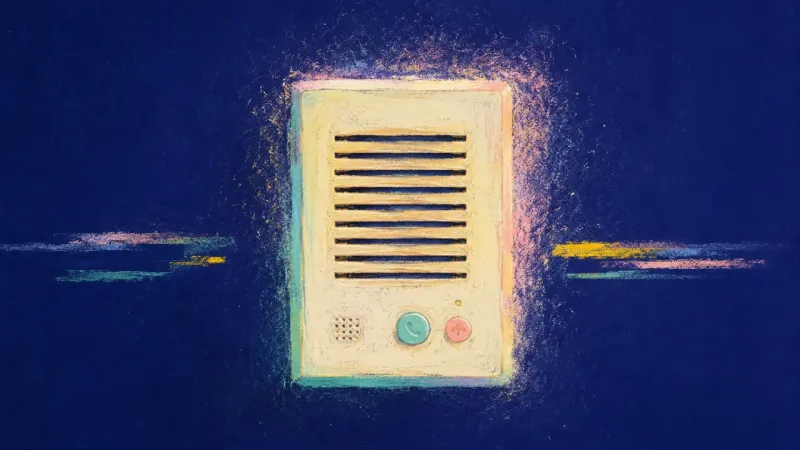
A Week Later, the Charger Stayed on the Table
A week later, just before lunch service, I got a text from Maya. She had tried the experiment. She left a charger on the side table, wiped only the sink, put water out, and did not explain her week at the door. Her message was short: 'I hated the first 20 seconds. Then it was... normal?' A second text came after it: 'Also I ate toast before they got here, which felt weirdly revolutionary.'
I smiled so hard my barista asked what happened. I told her, 'A woman kept her pentacle close.' That evening Maya sent one more note: she had slept a full night, though her first thought on waking was still, what if they noticed? This time, she noticed the thought, laughed once, and got up anyway. Clearer, but still human. That is usually how real change looks.
In one short Situation-Obstacle-Advice-Outcome reading, she moved from asking why she panic-cleans before her parents visit to seeing the deeper truth beneath the behavior. The issue was never just the counter. It was what being seen had come to mean. And once that became visible, the next steps became visible too.
When the doorbell turns your chest into a vise and a lived-in room starts feeling like evidence, you are usually not reacting to the dishes. You are reacting to how unsafe it once felt to be seen as not enough.
If you did not have to earn calm with one more round of fixing, what might your own version of good-enough care look like in the ten minutes before someone arrives—and which ordinary thing could stay visible while you keep your own pentacle close?
This story is adapted from psychological research, written so that those in a similar struggle can see their own pattern in it — and find their next step clearly.These insights are not a substitute for professional psychological, medical, legal, or financial advice.
Learn more about our Journey to Clarity.
How did this insight land for you?
🫂 This Resonates Deeply
🌀 Living This Story
✨ Now I See Clearly
🌱 Seeing New Possibilities
🧰 Useful Framework
🔮 The Confirmation I Needed
💪 Feeling Empowered
🚀 Ready for My Next Step
Author Profile
 AI
AI“For twenty years, I’ve listened to stories unfold over the warm aroma of coffee. I don’t believe life’s complexities always require grand theories to be solved; often, we just need a safe place to tidy up our reality. I don’t offer high-minded preaching—just grounded, heartfelt insights to help you regain your sense of control amidst the clutter of daily life.”
In this Friendship Tarot Reading :
Core Expertise
Service Features
Also specializes in :
Explore Related Patterns:
Aesthetic Identity FusionThe tote bag matters because it starts to symbolize something far bigger than a tote bag. Maya says she does not even care about the object itself; she cares that it looks like she is behind, which turns the apartment's visual state into a proxy for her identity. You can recognize Aesthetic Identity Fusion when the look of a space feels like it says something final about who you are. The old fear gets hit when ordinary visual evidence becomes identity evidence, so tidying becomes an attempt to manage not just a room, but the story someone might tell about you.
Authority HypervigilanceThe parent text and the doorbell do not land in Maya's body as ordinary social cues; they land like inspection signals. Her shoulders rise, her hands keep moving, and the visit starts to feel like a summons before anyone has commented on the apartment. You can see Authority Hypervigilance when neutral signs of someone's arrival get processed as evaluation threats. The old fear is not simply 'my place is messy'; it is 'someone with judgment power is about to see evidence against me,' so the body prepares for review before reality has given it a reason.
Conditional Self-WorthMaya's sentence, 'If the place looks off, it feels like I look off,' links the apartment directly to self-evaluation. The counter, the tote bag, and the charger are no longer just objects; they become a test of whether she is capable, organized, and adult enough. You can hear Conditional Self-Worth when a lived-in room starts feeling like evidence about your value. The old fear being hit is that acceptability is conditional: if the home looks polished, you are safe; if it looks ordinary, you might be judged as unfinished.
Defensive OverfunctioningMaya spraying an already clean counter within seconds of her mom's text shows fear turning into labor before anyone enters the room. The action looks responsible from the outside, but its internal function is defensive: visible work gives the feeling that criticism can be prevented if enough effort is displayed. You can locate Defensive Overfunctioning where the room is already clean enough and the body still demands another task. The cleaning becomes an approval buffer, not care; it lets the old fear speak in the language of productivity instead of naming the fear directly.
Family Role RegressionA normal parent visit collapses time for Maya: she is standing in her downtown condo as an adult, but the buzzer pulls up an older version of herself that expects evaluation. That is why she starts explaining her week before anyone has asked for an explanation. You can understand Family Role Regression as the moment your current competence gets overridden by an old family role. The fear being hit is not about the actual charger or mug; it is the remembered feeling of being smaller, assessed, and not fully trusted to define enoughness for yourself.
Visibility Shame LoopThe mug in the sink and the charger on the table become charged because they make Maya visible in ordinary life. Before her parents say anything, she is already apologizing and building a defense, as if being seen automatically means being judged. You can trace the Visibility Shame Loop where exposure and condemnation get fused together. The old fear is not mess itself; it is the expectation that if someone sees the unpolished parts of your real life, they will use them as proof that you are not enough.
Productivity as SafetyThe line 'If I just do one more thing, then I can relax' is the clearest sign that the task has become a safety ritual. Maya is not cleaning because the apartment objectively needs more care; she is trying to reach an internal green checkmark that keeps moving as soon as she gets close. You can read Productivity as Safety in the belief that calm has to be earned through visible output. The old fear gets hit when stopping feels dangerous, because stopping would mean letting yourself be seen without one more layer of proof that you tried hard enough.
Defensive OverexplainingMaya starts explaining her whole week at the buzzer, even when her parents have not said anything bad. The explanation arrives before the accusation, which shows the defense mechanism forming around anticipated judgment rather than actual feedback. You can spot Defensive Overexplaining when context becomes armor. The old fear being hit is that a simple visible imperfection will be misread, so the mind rushes to control the interpretation before anyone else gets to make one.
Boundary DiscernmentThe one-room, one-timer practice gives Maya a concrete stop point that does not depend on whether fear has fully gone quiet. Clearing a chair, wiping the sink, and putting out water are enough because the standard shifts from inspection-ready to supportive. You can read Boundary Discernment in the ability to separate care from performance. The corrective move is not to stop preparing entirely; it is to know when the room supports connection and to let that boundary matter more than the old urge to keep proving.
Secure VisibilityThe charger staying on the side table is small, but psychologically it is the opposite of the old ritual. Maya lets one ordinary imperfection remain visible and discovers that the first 20 seconds are uncomfortable, then normal. You can recognize Secure Visibility when being seen no longer requires a polished performance or a pre-written defense. The new evidence is simple but powerful: someone can enter the room, notice real life, and your safety does not have to collapse.
Explore Related Struggles:
Approval-Safety FusionMaya wants the visit to feel casual, yet her body behaves as if inspectors are coming. The apartment stops being a place where she lives and becomes a surface through which her parents might decide whether she is acceptable. Approval-Safety Fusion is the deeper bind because calm has been routed through imagined approval. You can see it in the sentence, 'If the place looks off, it feels like I look off,' where a countertop, tote bag, or charger becomes tied to the right to relax in your own home. The old fear getting hit is not really that someone will notice a mess. It is that being judged as less than polished might remove your sense of safety, so the nervous system treats approval as the doorway back into breathing normally.
Identity Verdict LockMaya says the apartment feels like a report card, and later she realizes she hid her tote bag because it looked like she was behind. A bag, a mug, or a cable becomes more than clutter; it starts carrying the weight of a conclusion about who she is. Identity Verdict Lock names that collapse between visible environment and personal worth. You are not reacting to the object itself, but to the way the object seems to testify about adulthood, competence, and whether you are keeping up. The fear gets old because it turns a lived-in room into a final grade. Clarity begins when the charger can stay on the table and still remain just a charger, not a ruling on your life.
Inner Tribunal LockThe buzzer does not simply announce visitors in Maya's body; it acts like a summons. Before anyone has criticized her, a mug in the sink has become evidence and a tote bag on a chair has become a verdict. Inner Tribunal Lock captures the way the judging room has moved inside. You are not only responding to the parent at the door; you are also responding to an internalized court that begins the hearing early, asks for explanations, and turns ordinary life into a defense brief. That is why pre-apologizing and explaining the whole week feel urgent even when no accusation has been made. The old fear is exposure before a silent evaluator, and the work of clarity is learning to notice when the courtroom has opened without your consent.
Panic Productivity TrapMaya sees her mother's text at 6:12 p.m. and immediately sprays a counter that is already clean. The room does not need that level of correction, but her hands keep creating tasks because motion gives the fear somewhere to go. Panic Productivity Trap names the moment when action stops being care and becomes a pressure valve. You are not simply cleaning for comfort; you are trying to work your way into emotional safety, which makes every completed task feel temporarily helpful and never quite enough. The trap is that the work borrows the language of responsibility while quietly feeding the alarm. The same counter, drawer, towel, and apology become a loop where the body keeps asking for one more proof that it can survive being seen.
Visibility-Safety SplitMaya wants her parents' visit to feel easy and connected, but ordinary visibility in her own home feels dangerous. The story keeps returning to small exposed things, like a tote bag, a charger, a mug, and the impulse to explain before anyone asks. Visibility-Safety Split names the tension between wanting real contact and needing to hide the parts of life that look unfinished. You are not choosing between clean and messy; you are standing at the point where being seen starts to feel like losing protection. Leaving one low-stakes imperfection visible becomes powerful because it gives the body different evidence. The goal is not to force instant calm, but to learn that connection can happen while an ordinary part of your life remains in view.
Explore Related Emotions:
Approval AnxietyMaya sprays a counter that is already clean as soon as her mother's text lands, then reopens drawers and refolds the same towel while her body stays on alert. The cleaning is visibly about the apartment, but the emotional structure underneath is about trying to become acceptable before anyone has the chance to evaluate her. Approval Anxiety fits because the pressure is tied to anticipated parental judgment rather than actual mess. Her home becomes a stage where every ordinary object might be read as evidence of whether she is competent, adult, and worthy of ease. You can see the old fear in the sentence, if the place looks off, it feels like I look off. The panic-cleaning is the body's attempt to secure approval through visible effort, even though the effort keeps moving the finish line instead of giving her safety.
Exposure DreadMaya hides clutter and begins apologizing before anyone has commented, because the visit makes ordinary life feel dangerously visible. The apartment is not just a private space being entered; it becomes a surface where her parents might read her adulthood, discipline, and capability. Exposure Dread fits the moment where being seen feels too revealing. The sharper fear is not the counter itself, but what the counter might expose about her if it is not perfectly managed. You are looking at a visibility wound, not a hosting flaw. When the parent visit collapses time and makes her feel younger than she is, being observed in a lived-in room becomes charged with the old risk of being found lacking.
Grounded Self-TrustMaya leaves a charger on the side table, wipes only the sink, puts water out, and does not explain her week at the door. The old alarm is still present, but her behavior starts following a chosen standard instead of the pressure to keep proving. Grounded Self-Trust fits because the shift is small and embodied. She is not claiming total calm; she is letting one timer, one room, and one visible imperfection become evidence that her own judgment can hold. You can feel the agency returning when good-enough care becomes the stop point. The apartment begins to function as a real place again, not because it is flawless, but because Maya is practicing the right to define enough from inside her own life.
Not-Enough PanicMaya's shoulders hover near her ears, her fingers cannot settle, and a clean counter still gets sprayed again. Her body is moving as if one visible flaw could confirm something bigger and more personal than a missed chore. Not-Enough Panic captures the speed and intensity of that internal alarm. The trigger is a parent visit, but the feeling underneath is the sudden belief that ordinary imperfection could expose her as behind, careless, or not fully adult. You can hear the core fear in her own wording: if the place looks off, it feels like I look off. The old fear getting hit is the fear that she has to fix the room fast enough to prove she herself is okay.
Self-Audit AnxietyMaya's apartment becomes a report card before anyone else has graded it. The counter, tote bag, charger cable, and bathroom mirror all get pulled into a private audit where she is both the person being assessed and the person trying to correct the score. Self-Audit Anxiety names that internal scanning process. The fear is not only outside her; it has been internalized into a running review of whether the room, and therefore Maya, looks acceptable enough. You can see why more cleaning does not calm her. Each task briefly promises proof, then turns into another checkpoint, keeping her locked inside the audit rather than returning her to her own home.
Shame SpiralThe same counter is wiped again, the same drawer reopened, and the same internal sentence keeps restarting: one more thing, then I can relax. But the work expands to match the fear, so completion never arrives. Shame Spiral names the way visible tasks become emotional proof-gathering. Each small object seems to reopen the question of whether she is acceptable, and every attempt to fix the room briefly validates the idea that something about her needs fixing. You can see the spiral most clearly in the pre-emptive defense brief. Before anyone judges her, she is already bracing, explaining, and correcting, which keeps the shame active even in the absence of an actual criticism.
Verdict DreadThe buzzer does not simply announce visitors for Maya; it turns a mug in the sink into evidence and a tote bag on a chair into a verdict. Before her parents have said anything, she is already explaining her week, as if the defense has to be ready before the door opens. Verdict Dread names the specific atmosphere of being silently graded. The fear is not just that the apartment might be messy; it is that the mess might be treated as a final statement about who she is. You can feel why the room stops being a home and becomes a report card. The old fear getting hit is the fear that ordinary visibility will be converted into judgment, and that being seen in an unfinished moment means being condemned as unfinished yourself.
Authority ClaustrophobiaA parent text lands, and Maya's downtown condo suddenly feels less like her own adult home. The buzzer becomes a summons, her body acts like inspectors are coming, and the room tightens around an old authority script. Authority Claustrophobia fits because the pressure is spatial as much as emotional. Her parents do not need to be actively criticizing in the moment for their expected gaze to crowd her out of her own standard. You can sense the squeeze in how quickly casual hospitality turns into inspection mode. The old fear getting hit is the fear that her own space, pace, and judgment will disappear the second parental authority enters the room.
Cautious AutonomyMaya does not overthrow the old standard all at once; she tests a smaller one. One room, one timer, one boundary, and one visible charger become a quiet way of keeping her own authority present while still opening the door. Cautious Autonomy fits because the independence here is tentative, practical, and earned through repetition. She is not rejecting connection with her parents; she is separating connection from performance. You can feel the shift in the choice to leave something ordinary visible on purpose. That small act lets her gather evidence that her home can hold both imperfection and belonging without surrendering her own standard.
Clarity ReliefMaya's jaw unclenches when the behavior becomes legible as a learned loop rather than a personal flaw. The counter, laundry, and charger cable stop being random triggers and start pointing toward a clearer map of what being seen has come to mean. Clarity Relief fits because the easing comes from understanding the pattern accurately. The old fear does not vanish, but it becomes less foggy, less total, and less able to disguise itself as a housekeeping emergency. You can see the relief in the moment her shoulders drop. The insight gives her a usable separation between ordinary clutter and personal worth, which makes the next step visible without asking her to become a different person by 7 p.m.
Explore Related Contexts:
Adulting Performance PressureMaya drops her tote by the door after a long TTC ride, sees her mom's text about possibly coming by, and immediately starts cleaning a counter that was already clean. The same counter gets wiped again, the same drawer gets reopened, and the dish towel gets refolded as if each small correction could prove something larger than tidiness. The pressure is coming from the way the apartment has been made to stand in for adult competence. A mug in the sink is no longer just a mug; it becomes evidence that she might be careless, behind, or not fully grown. That is why the cleaning does not end when the room is functional. The task keeps expanding because the standard is not comfort; it is visual proof of being acceptable. You are looking at a situation where adulthood is being performed under an imagined family audit. The old fear being hit is not that the counter is dirty. It is that being seen in an ordinary, unfinished home could be read as proof that you are not doing adulthood correctly.
Authority Approval BottleneckMaya can handle a client deck, but a parent text changes the rules of the room within seconds. The buzzer does not simply announce visitors; it operates like a summons, and before anyone has criticized her, she is already preparing explanations for the state of her week, her apartment, and herself. That is the bottleneck: action has to pass through the imagined approval of older authority before it can feel finished. The apartment may already be clean enough, but the approval system does not register clean enough as safe enough. It asks for one more wipe, one more hidden object, one more explanation at the door. You are not only reacting to a visit. You are moving through an old authority checkpoint where being seen can feel the same as being evaluated. The fear being hit is the fear that without visible proof of control, someone with parental authority will silently decide you have failed a standard you did not choose.
Domestic Exposure PressureThe tote bag, the mug, the charger, and the bathroom sink keep becoming more than objects in Maya's apartment. Each item starts to carry social meaning, as if the room is giving testimony about whether she is organized, capable, and properly adult. This is why the story keeps returning to visibility. Maya is not only cleaning mess; she is trying to control what can be seen. Her home stops functioning as a private recovery space after work and starts functioning as an exposure surface where ordinary traces of life feel risky. You are facing domestic exposure pressure when being seen at home feels less like connection and more like inspection. The old fear being hit is that a lived-in space will reveal something unacceptable about you, even when what is visible is only normal evidence of a person living there.
Family Privacy NegotiationThe 6:12 p.m. text arrives after Maya's commute, with her parents possibly coming by around 7. That short window matters because it reduces her control over timing, entry, and preparation inside a space that is supposed to be hers. Her downtown condo is not presented as unstable or unsafe; it is materially hers to occupy and manage. The conflict begins when family access turns that private adult space into a place where ordinary evidence of living has to be curated. A tote bag, charger, mug, or bathroom sink becomes something to hide, justify, or fix before family crosses the threshold. You are dealing with a family privacy negotiation because the core issue is who gets to see your real, lived-in life without turning it into a review. The old fear being hit is that private imperfection will not remain private once family enters; it will become a readable file about your competence, priorities, and adulthood.