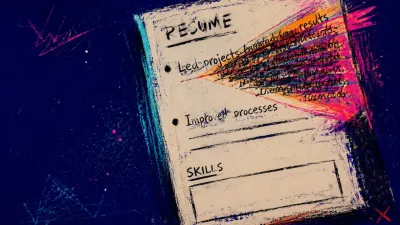
Is the vibe doing the work?

A clear audit of Aesthetic Coping, the tarot cards that mirror it, and reading insights where atmosphere becomes the signal.

Aesthetic Coping

What is this really?

You use beauty, texture, lighting, scent, clothes, playlists, tidy surfaces, and visually coherent routines to make effort, uncertainty, conflict, or emotional mess feel more approachable. At its core, this is sensory regulation: your system reaches for atmosphere because a softened environment can lower friction, reduce cognitive overload, and give your attention somewhere steadier to land. Yet the same intelligence can become an avoidance loop, where function starts waiting for the vibe to be perfect before it will begin, and the polished container keeps improving while the threshold stays uncrossed—much like the Empress surrounded by pearls, Venus-marked beauty, flowing water, and deep cushions, held by softness before movement ever has to happen.

Why did it happen?

At some point, making the outside world softer may have helped you get through moments that felt too sharp, too messy, or too hard to enter directly. Your body learned that the right light, texture, scent, sound, or visual order could make a difficult moment feel less exposed. Now that inner pattern can quietly loop: the space becomes calmer, but the choice, task, or conversation underneath still waits, leaving you with a clean surface and a lingering sense of emotional overdraft.

How does it feel?

  • You open your laptop to start, then spend ten minutes nudging the candle, moving the mug two inches to the left, and switching the lamp from bright white to warm yellow... in your chest, the tight buzzing softens for a second, even if your hands still hover above the keyboard. Let the pause be information, not a verdict.
  • You rewrite the heading on a notes page, choose a cleaner font, and color-code the tabs before reading the first paragraph... afterward, your jaw may feel less clenched, but your stomach still drops when the blank section asks for messy thinking. It is okay for the setup to help without needing it to carry the whole task.
  • You tell yourself you will go once the outfit, playlist, and route all feel right, then stand by the mirror smoothing the same sleeve again... that moment can feel like your breathing is waiting for the image to settle before your body agrees to move. The uncertainty can be allowed to sit there for a minute.
  • You smooth over tension with a beautiful dinner, a soft voice note, a thoughtful gift, or a room that looks calmer than the conversation felt... later, your throat may feel full, as if the harder sentence stayed behind the candlelight. Naming nothing yet can still be a place to begin.
  • You scroll through room inspiration, planner layouts, skincare shelves, or wellness routines when the day feels scattered, saving images faster than you can use them... your eyes may glaze slightly while your shoulders drop, a small relief followed by a flat, unfinished feeling. That shift is simply something to notice, not something to punish.

Aesthetic Coping in Tarot Cards

The need for the room, routine, desk, lighting, or objects to feel emotionally right before effort unlocks is the core signal of Aesthetic Coping. You may recognize it in the way your hands hover above the keyboard after the candle and mug are finally placed, with the chest buzz briefly softened but the task still waiting. From a Jungian perspective, archetypal theory gives this pattern a visual language for how comfort, beauty, and presentation can hold unconscious tension. The Tarot Cards below reflect that hidden dynamic in images your body may recognize before your mind finishes explaining it.

The Empress Upright
The Empress is wrapped in cushions, pearls, Venus symbols, and bright natural abundance, and even her scepter is held lightly rather than used like an instrument of force. That visual language shows regulation through atmosphere: control is created by making the space beautiful, soft, and emotionally coherent before anything difficult begins. In personal growth, that can become a pattern where feeling aligned starts to substitute for actually being in motion. You may keep refining the journal, playlist, workspace, skincare, ritual, or self-concept because beauty steadies the nervous system, but the real threshold is still repetition, exposure, and imperfect embodiment. The card fits Aesthetic Coping because it shows comfort acting as both emotional medicine and a subtle delay mechanism at the exact moment growth needs friction.
Reversed
Pearls at the throat, Venus patterns across the robe, deep cushions, and a heart-shaped shield of beauty create a sensory field that is exquisitely regulating. Even the raised scepter feels more like presentation than departure. When a scene is this lush, surface coherence can become a powerful substitute for movement, because the nervous system gets relief from making the next step feel elegant, aligned, and atmospherically complete. That is how Aesthetic Coping appears in timing struggles. You may polish the launch, the workspace, the story, the deck, the brand, or the vibe so the discomfort of not knowing the right moment becomes temporarily bearable. The timing issue then hides inside beauty: the container keeps improving while the threshold itself stays uncrossed.
The Hierophant Upright
The richest color in the card lives on the Hierophant himself: bright robes, polished insignia, ceremonial textures. Around him, the stone temple stays gray and spare, and the dark blank behind the throne suggests that not everything inside the structure has actually been resolved. That contrast is the logic of Aesthetic Coping in daily life. You may reach for beautiful planners, matching containers, wellness gear, or a highly styled space because visual order produces immediate relief when inner bandwidth feels scattered. The image is not fake, but it can end up doing the soothing work that only a more honest rebuild of time, recovery, and workload can do.
Temperance Upright
The pool under the angel is calm, reflective, and lightly rippled, creating a soft surface where the figure can touch emotional depth without being swallowed by it. The flowers, pale robe, and balanced color field make the whole scene feel clean, curated, and soothing. That atmosphere can become a coping mechanism when beauty is used as a container for stress before the underlying structure changes. A calm room, gentle routine, or visually pleasing reset can regulate the nervous system, but it can also make the system feel healed before the practical imbalance has been audited. Aesthetic Coping belongs to this card because Temperance shows the therapeutic power of atmosphere and ritual. In lifestyle terms, the pattern asks whether the beauty around the routine is supporting change or quietly replacing it.
The Star Upright
The oasis, the starry sky, and the graceful pouring gesture make the scene almost too soothing to interrupt. Beauty becomes a container for uncertainty, holding the nervous system steady while the next direction remains unresolved. Aesthetic Coping fits when the image of a meaningful future becomes easier to curate than to inhabit. You may be building a visually coherent dream life because it regulates the ache of not knowing, while the real choice underneath still waits for contact with land and water.
The Sun Upright
The sunflowers repeat the sun's face in miniature, the wreath repeats the flowers around the child's head, and the stone wall gives all that brightness a clean visual boundary. The card is not only bright; it is arranged. Light, color, symmetry, and containment work together until beauty becomes a stabilizing structure. That visual order maps cleanly onto the way Aesthetic Coping works in lifestyle design. You may not be chasing a prettier planner or cleaner room for vanity; the pattern is using visual coherence to lower the friction of a scattered day. The risk appears when the beautiful container starts feeling like the only way life can be entered, so the system looks clear before the underlying energy budget has actually changed.
The World Upright
The scarf, hair, wreath, and ribbons repeat one another in a continuous visual rhythm. The whole image is designed so beauty becomes a container, not just decoration. That harmony maps onto the way a room, wardrobe, planner, or daily setup can regulate the nervous system by reducing visual and cognitive friction. You may use aesthetic order to create mental bandwidth, and the pattern becomes important when beauty starts doing the emotional work that the routine itself has not yet learned to do.
Ace of Cups Upright
The ornate chalice in the Ace of Cups is not an ordinary drinking cup; it is held like a ritual object, centered, polished, and visually protected. Its balanced rim and base make it feel less like a container for consumption and more like a vessel for receiving and regulating what moves through it. That visual structure maps cleanly onto Aesthetic Coping when lifestyle becomes a nervous-system problem rather than a simple productivity problem. Beauty, order, and sensory care are not just decorative here; they become a way of giving emotion a stable container so the day does not feel shapeless. You may rely on atmosphere, visual coherence, and small rituals because they help your system stay emotionally legible. The card becomes relevant when the aesthetic layer supports real regulation, but also asks whether beauty is helping the life structure hold or merely making the imbalance easier to tolerate.
Reversed
The chalice is jeweled, symmetrical, and more ceremonial than practical, surrounded by a pool that makes the whole field feel purified and beautiful. In reversal, the visual refinement can become a substitute container: the setting feels emotionally clean while the actual cognitive demand remains untouched. In academic life, Aesthetic Coping shows up when the perfect desk, note template, playlist, pen color, or study vibe carries the emotional labor that the assignment itself is asking for. The pattern is not laziness; it is an attempt to regulate discomfort through beauty when the harder task is to tolerate messy, unfinished thinking.
Two of Cups Upright
The wreaths, clear sky, balanced cups, and distant town give the scene a composed surface. The card does not show chaos being conquered by force; it shows order becoming emotionally legible through symmetry, placement, and ritualized presentation. Aesthetic Coping appears when your environment becomes the container your nervous system borrows. A clean desk, a reset room, a beautiful planner, or a minimalist layout may not solve the whole lifestyle imbalance, but it can give scattered attention a physical place to settle. The card's visual harmony explains why the external arrangement can feel emotionally regulating before the deeper system has fully stabilized.
Three of Cups Upright
The wreaths, flowing robes, golden cups, grapes, and harvest colors make the card intensely sensory. The women are not celebrating in a blank space; the environment itself is arranged as a visible container for emotional regulation. That matters because beauty can become a real coping structure. A curated room, a pleasing table, a ritual drink, a clean surface, or a visually coherent routine can give the nervous system a shape to rest inside when the rest of life feels unstructured. Aesthetic Coping becomes psychologically useful when beauty supports function rather than replacing it. In a lifestyle reading, this card shows how sensory order can stabilize you, while also asking whether the polished surface is carrying pressure that sleep, boundaries, food, movement, or practical support should be carrying too.
Six of Cups Upright
The flower-filled cups glow like small, manageable containers of sweetness, and the boy's offering turns comfort into a visible ritual. Instead of confronting the whole manor, the eye is drawn to one beautiful object that can be held, smelled, and passed from hand to hand. That visual compression mirrors a lifestyle system that regulates through atmosphere. You may not be avoiding structure entirely; you may be trying to make structure emotionally tolerable by wrapping it in softness, color, scent, or curated surroundings. The pattern becomes costly when the aesthetic container carries all the pressure. A pretty room, a perfect planner, or a nostalgic ritual can restore bandwidth, but it can also delay the colder audit of sleep, work, food, space, and energy.
Seven of Cups Upright
The seven cups look like a floating gallery of lifestyle images: a castle, jewels, a wreath, a mysterious covered figure, a snake, a dragon, and a face. They are vivid enough to absorb attention, but none of them can be handled, cleaned, scheduled, cooked, or slept inside. That split between beauty and usability is the core of Aesthetic Coping. You may regulate stress by curating the image of a better life through mood boards, home inspiration, wellness visuals, or beautiful systems, while the physical environment still asks for direct contact. The Seven of Cups makes the coping mechanism precise because the visual field is emotionally rich and materially unavailable. The pattern is not about liking beauty; it is about using the image of order to soothe the nervous system before the real disorder has been touched.
Nine of Cups Upright
The cups are not scattered; they are staged, elevated, and softened by the blue cloth beneath them. The scene looks finished before anything is shared or used, turning beauty and arrangement into the first layer of emotional control. Aesthetic Coping emerges when the look of life becomes easier to regulate than the load of life. The card shows how you may use a perfect room, a wellness purchase, a pleasing ritual, or a curated routine to create immediate calm while the sleep debt, task backlog, or energy mismatch stays hidden under the cloth.
Page of Cups Upright
The Page's pink tunic, blue floral garment, and carefully lifted golden cup make the act of feeling look refined, delicate, and almost ceremonial. The body is not doing hard labor; it is arranging contact with the cup so the emotional object can be approached without losing beauty or control. That visual logic maps cleanly onto Aesthetic Coping in study: the surface of learning becomes the emotional container for the anxiety of learning. You may make notes, desks, apps, playlists, and study rituals feel coherent because the aesthetic order lowers threat, but the same container can quietly replace recall, messy drafting, and the friction that actually builds mastery.
Knight of Cups Upright
The knight's polished armor is softened by the fish-patterned robe, and his gaze rests on the cup as if the feeling itself has become an object of beauty. Even the horse moves with choreographed restraint, turning emotion into something graceful, contained, and presentable. Aesthetic Coping appears when the inner world is edited until pain looks meaningful before it has been processed. You may be using refined language, mood, symbolism, or self-image to make discomfort easier to look at, but the card shows how elegance can become a holding pattern when it keeps the raw material from being felt directly.
Reversed
The fish-patterned robe, winged ornaments, polished cup, and white horse create an unusually beautiful surface for a knight in armor. The image is emotionally refined before it is practical, and that refinement can start carrying more psychological weight than the terrain itself. This is where Aesthetic Coping begins to form. Beauty becomes a handle for regulation: the room, app, planner, playlist, or wellness ritual makes the life system feel coherent before the underlying load has actually been redistributed. In a lifestyle reading, the card reveals the cost of mistaking atmosphere for architecture. You may feel calmer inside the aesthetic, but the horse still has to cross the river, and the daily system still needs structure that can carry weight after the mood fades.
Queen of Cups Upright
The Queen's emotional world is surrounded by beauty: the white gown, the golden crown, the carved throne, the shell imagery, and the ornate chalice all soften the rawness of water into an elegant scene. The feeling is real, but it has been given form, symmetry, and atmosphere before it reaches the surface. Aesthetic Coping works by making emotional material tolerable through beauty, symbolism, and curation. You are not simply avoiding pain; You are giving it a shape that feels safer to approach. The risk is that the surface becomes more manageable than the content. When the sanctuary is too polished, the psyche can keep arranging the room around the feeling instead of letting the feeling speak plainly.
Reversed
The white gown, golden crown, carved throne, shell clasp, pebbles, and elaborate cup make the scene visually coherent and beautiful. Even the water behaves like decoration, rippling gently around an emotional world that looks already refined. In the reversed growth pattern, beauty becomes regulation. You can make healing aesthetically convincing through journals, rituals, language, playlists, spaces, and identity signals while the actual behavior system remains unchanged. The card does not dismiss beauty; it audits the moment when a curated container starts replacing the work it was meant to support.
King of Cups Reversed
The King's golden cloak, blue garments, fish pendant, and shell throne create a beautifully coherent container against the rolling sea. The objects are not random decoration; they organize feeling into color, texture, and ritualized atmosphere. In the reversed texture, that beauty can become the container that looks stable while the base remains ungrounded. Aesthetic Coping shows up when the room, planner, outfit, playlist, or wellness setup becomes the main way you regulate the disorder underneath. The visual order can genuinely soothe You, but the pattern turns costly when styling the container replaces rest, simplification, or a concrete redesign of the daily system.
Ace of Pentacles Upright
The upright lilies, red flowers, green lawn, and bright garden do more than make the card pleasant to look at. They show a physical environment that regulates the field through color, cleanliness, symmetry, and containment. Aesthetic Coping uses the sensory world as a stabilizer for attention and emotion. You may feel your life become more manageable when the room is cleared, the light is right, the objects have a place, or the visual field stops shouting. The Ace of Pentacles supports this pattern because the garden is not empty prettiness; it is a structured container that helps the material life feel holdable.
Nine of Pentacles Upright
The card is saturated with cultivated beauty: the embroidered robe, ripe grapes, golden pentacles, clear garden boundaries, and distant estate all hold the figure inside a carefully arranged atmosphere. The scene does not simply show comfort; it shows an emotional field being regulated through texture, color, proportion, and order. That makes beauty function as a psychological container. The mind steadies itself by curating the environment, giving difficult feelings a refined surface to rest against before they become overwhelming. The garden becomes a sensory boundary around the inner world, translating disturbance into something shaped and bearable. In introspection, Aesthetic Coping can be genuinely grounding, but it can also become a way of keeping raw material at a tasteful distance. You may clean, decorate, journal, light candles, or perfect the atmosphere around the feeling while the feeling itself waits to be directly met.
Queen of Pentacles Upright
Roses, green fabric, shade, and cultivated ground surround the Queen before any external task enters the scene. The image makes comfort tactile: color, texture, and placement become part of how the body stays steady. That visual field maps to Aesthetic Coping because regulation is being routed through the sensory environment. In lifestyle questions, this pattern shows up when lighting, clutter, fabric, sound, or visual order strongly affects whether you can think, rest, or follow through. The card does not reduce this to being picky. It shows that the physical world can either hold your attention gently or keep scraping at it, and the audit begins by naming which parts of your environment are quietly doing emotional labor.
Four of Wands Upright
The garlands hang from the four wands like a decorated emotional container, turning the open space into something curated, beautiful, and safe enough to stand inside. The celebration is real, but it is also arranged through color, symmetry, flowers, fruit, ribbons, and repeated gesture. Aesthetic Coping grows from that same structure. The psyche uses beauty, atmosphere, ritual, playlists, rooms, journals, and visual order to make inner material feel handleable before it is fully understood. The form provides a container when the raw feeling would otherwise feel too loose. In introspection, this pattern is useful until the container becomes the work itself. You may be building a stunning emotional altar around the issue while the less photogenic feeling waits underneath the garland to be named directly.
Reversed
The garlands sit at the front of the image, bright, abundant, and immediately visible, while the actual home remains farther back. In reverse, the decorative threshold can start to carry more psychological weight than the structure it is supposed to mark. Aesthetic Coping forms when beauty becomes the fastest available regulation strategy. The nervous system reaches for a clean surface, a curated shelf, a perfect planner, or a reset ritual because visual order provides immediate relief from inner overload. The problem is not beauty itself; the problem begins when beauty starts pretending to be infrastructure. For lifestyle design, this pattern can make a life look composed while the actual supports remain underbuilt. You may keep refining the room, the routine, or the image of a better version of yourself because the visible frame feels easier to control than sleep, energy, maintenance, and decision load.

Aesthetic Coping in Tarot Card Reading Insights

For anyone who has watched the setup become calmer while the task, choice, or conversation still waits, this pattern can show up clearly in readings. Others have brought that same pull toward atmosphere, beauty, and sensory order into the cards. Below are Tarot Reading Insights that speak to this pattern.

Psychological patterns related to Aesthetic Coping