Is Your Home Too Full?
Explore the cramped hosting setup, related tarot cards, and reading insights around guests, limited space, noise, and borrowed surfaces.

Small-space Hosting Pressure
What is this situation?
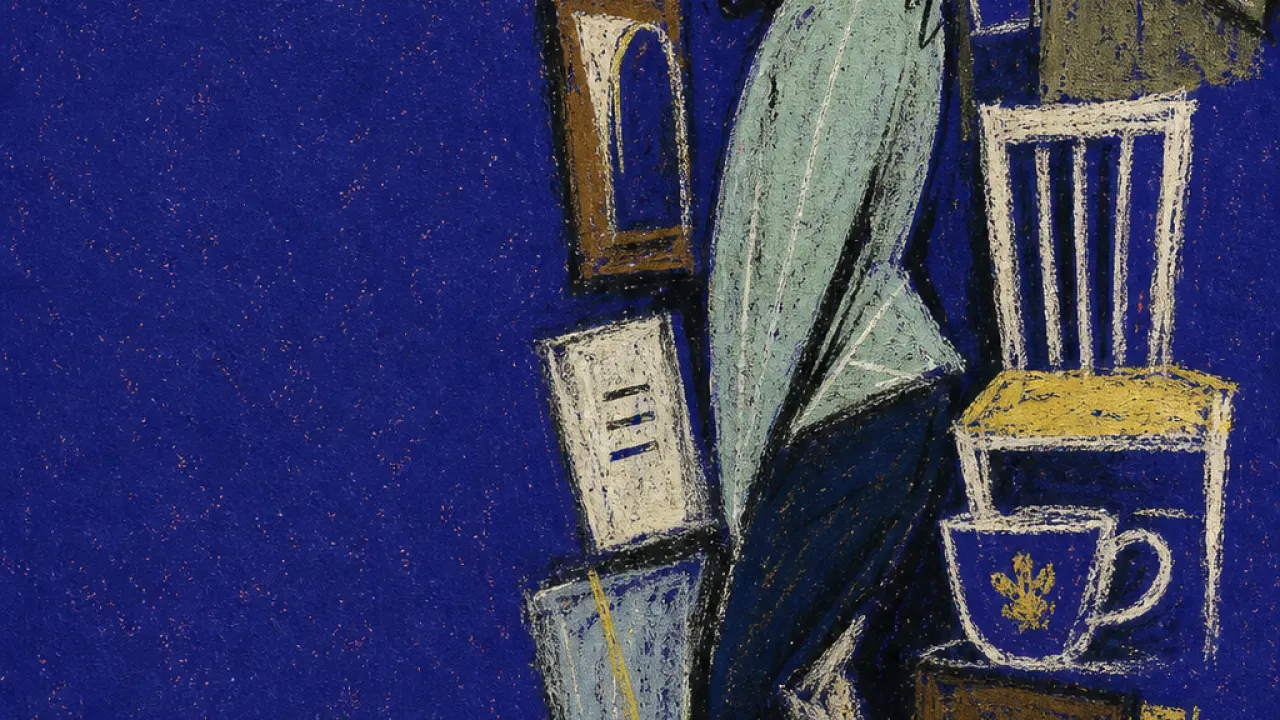
Small-Space Hosting Pressure — you agree to have people over, and the room starts shrinking before anyone even arrives. The group chat turns into arrival times, food requests, plus-ones, sleeping plans, and casual comments like "we can just squeeze in," while you are looking at one narrow sofa, a tiny table, a bed that is also part of the room, and a kitchen counter already doing too many jobs. You move chairs from one corner to another, clear your desk so it can hold drinks, hide laundry behind a door that may still need to open, and keep checking whether the bathroom looks guest-ready even though there is nowhere to put the extra towels. Once people arrive, coats land on the only chair, shoes block the walkway, someone leans against the fridge while you need to open it, and every conversation happens close enough that you can hear the private ones and still feel responsible for the whole room. If you have roommates, neighbors, or thin walls, the pressure doubles: you are hosting the guests, managing the noise, protecting shared space, and trying not to make the apartment feel as small as it is. By the end, the night may look fine from the outside, but you have spent hours turning your body sideways through your own home, scanning for spills, empty cups, awkward seating, and the next thing that might expose the limits of the place, much like the Eight of Swords, where a figure stands inside a tight ring of sharp boundaries with almost no room to move.
Why it's not you?
The problem is not that you are bad at hosting or too uptight about your space. A small room, limited surfaces, shared walls, guest needs, and social expectations create a setup where one person ends up carrying the pressure of making scarcity feel invisible. That pressure belongs to the conditions around you, not to a personal failure.
Small-space Hosting Pressure in Tarot Cards
Small-Space Hosting Pressure is not just about having people over; it is the environmental, structural, and dynamic squeeze of too many expectations entering too little room. The lifted shoulders, the constant stepping around bags and chairs, and the need to make every surface work twice are signals from the space itself. The cards below do not judge how well you host; they reflect the pressure pattern around the room. Here are the Tarot Cards that tend to mirror this kind of situation.
Small-space Hosting Pressure in Tarot Card Reading Insights
When Small-Space Hosting Pressure follows people into a reading, the focus often shifts from the cards themselves to the cramped logistics, borrowed surfaces, and quiet pressure to make the room feel effortless. Others have brought this same squeeze into readings when their home had to carry more than it was built for. Tarot Reading Insights from sessions where limited space, guests, and social expectations all arrived at once.

Apartment Shame Kept the Invite in Drafts Until Warmth Came First
Topic:Timing Tarot Reading
Struggle:Social Clock Entrapment
Context:Social Clock Pressure

Two Mugs Went Back in the Box, Then One Shelf Counted as Arrival
Topic:Lifestyle Tarot Reading
Struggle:Perfect Readiness Trap
Context:Routine Reset Trial

When the "I'm Nearby" Text Hit, Hello Came Before Sorry
Topic:Friendship Tarot Reading
Struggle:Aesthetic Self-Management Trap
Context:Safe Harbor Friend

Panic-Cleaning Before a Date Meets the Warm-Not-Flawless Reset
Topic:Choice Tarot Reading
Struggle:Belonging-Authenticity Split
Context:Small-Space Hosting Pressure

Report-Card Mode Spiral: Hosting Parents Without Losing Sleep or Dating
Topic:Family Tarot Reading
Struggle:Inherited Role Lock
Context:Family Script Pressure

From Default-Host Dread to Calm House Rules: A Night-Out Reset
Topic:Friendship Tarot Reading
Struggle:Reciprocity Deficit
Context:Friendship Boundary Creep