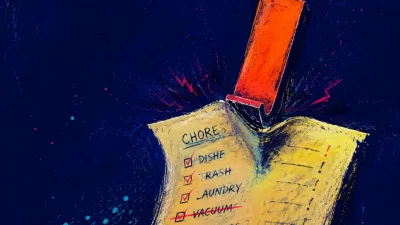
Tired Of Holding It Together?

Explore the drained grip of staying composed, with related tarot cards and tarot reading insights that reflect this inner pressure.

Control Fatigue
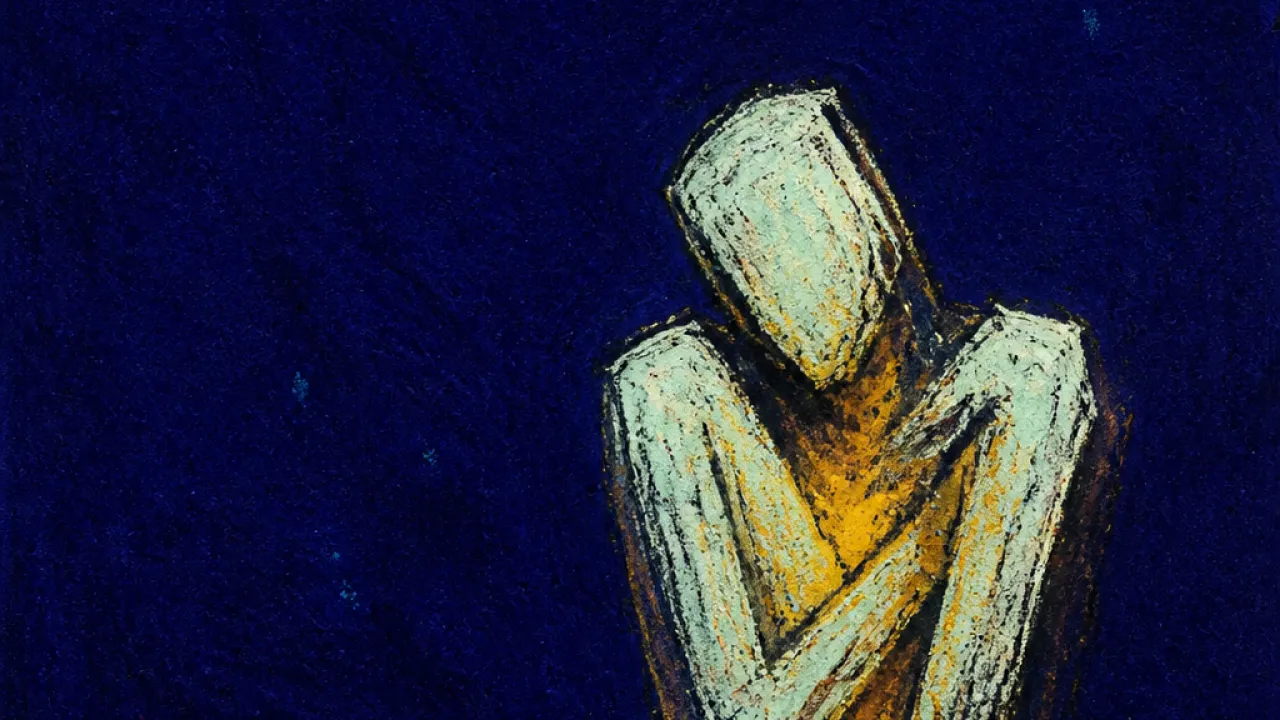
What does this feel like?

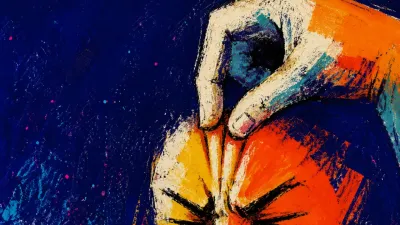
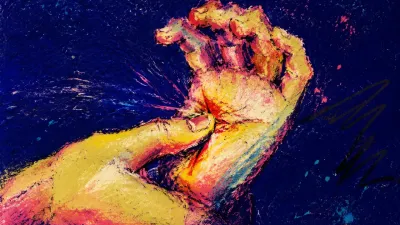
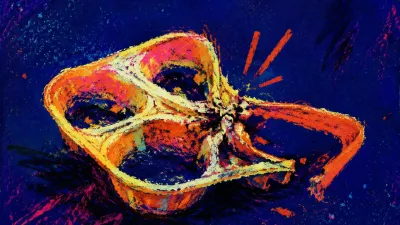
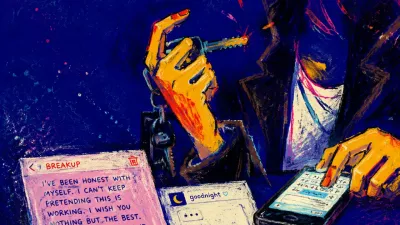
Control Fatigue is the tiredness that shows up when even your rest has a supervisor. Your jaw is set before you notice it, your shoulders sit slightly too high, and there is a thin buzzing under your skin like a phone left on silent somewhere in the room. You keep functioning, replying, planning, adjusting your tone, checking your reaction before it reaches your face, making sure nothing leaks out too fast or lands wrong. It is not the sharp panic of losing control; it is the slow drain of never being allowed to stop holding it. You may look composed from the outside, even capable, but inside it feels like every feeling has to pass through a filter, every impulse has to be edited, every small choice has to prove it will not throw the whole system off balance. The inner voice sounds practical at first: stay calm, keep it clean, do not make it messy, do not let this be the thing that tips. But after a while, that voice becomes the whole weather. You start wanting relief from your own self-command, not because you want chaos, but because your body is tired of being the person, the container, and the control panel all at once, much like the woman on Strength, bent over the lion with both hands held steady at its mouth, making calm look less like ease and more like continuous work.

Why you're feeling this?

Control Fatigue makes sense when the part of you that keeps things steady has been on duty for too long. You are not wrong for wanting structure, and you are not weak for feeling worn down by it. Sometimes the same grip that helps you hold life together also needs to be noticed before it becomes the only way you know how to exist.

Control Fatigue in Tarot Cards

Control Fatigue has a very specific shape: the clenched jaw, the lifted shoulders, the sense that one loosened grip could let everything slide. That held-in tiredness is part of a universal emotional experience, even when it shows up in private, ordinary moments. Tarot Cards give that pressure a visible outline without turning it into a verdict. Here are the Tarot Cards that tend to mirror Control Fatigue.

The Chariot Reversed
The charioteer is surrounded by systems of control: armor on the body, a square vehicle beneath, a canopy above, sphinxes ahead, and walls behind. Even the absence of reins makes the command feel internalized rather than mechanically simple. Everything depends on sustained inner grip. Control Fatigue comes from the cost of holding that grip for too long. The card shows a self that has not collapsed, but has become tired from constant regulation. You may still be functioning, reflecting, and making sense of yourself, while the effort of staying in command quietly drains the field. In introspection, this emotion points to the exhaustion of monitoring every reaction before it can become visible. The card reflects the need to distinguish true agency from nonstop self-surveillance, so control can become a tool again rather than the whole atmosphere.
Strength Reversed
The frozen bend over the lion keeps the body in a sustained managing posture. The hands must remain exact, the mouth must stay regulated, and the symbolic loop above the head keeps the whole scene in continuous operation. In a reversed state, strength becomes endless monitoring. You may still be functioning, improving, and holding yourself together, but the cost is the constant effort of supervising every impulse before it can move. Control Fatigue belongs to personal growth when discipline turns into vigilance. The card shows a self that has become very good at handling its own force, and very tired from never setting it down.
Wheel of Fortune Reversed
The sphinx sits above the wheel with a sword held close, while every ring below is packed with letters, spokes, and coded marks. The image carries the strain of a system that can be read, balanced, and organized, but only through continuous attention. In introspection, that arrangement mirrors the fatigue of managing the inner world like a control panel. Every trigger gets tracked, every reaction gets interpreted, every private impulse is placed into a category before it has room to breathe. Control Fatigue is the tiredness of over-maintaining clarity. The card reveals that self-knowledge can become another form of pressure when the need to understand everything starts consuming the very bandwidth it was meant to restore.
The Hanged Man Reversed
One ankle carries the entire weight of The Hanged Man, while the rest of the body has no foothold and no practical leverage. The tree is alive and upright, but the figure cannot use its own limbs to steer the situation; the system holds him more than he holds the system. Control Fatigue grows from that exact arrangement. In lifestyle terms, it is the drained feeling that comes from trying to manage every variable at once: sleep, work, health, chores, habits, screens, food, space, time. The more tightly the system is monitored, the more the body registers daily life as something to endure from a restricted position. The card does not shame the wish for order. It reveals the moment when control stops restoring agency and starts consuming the energy it was meant to protect.
Death Reversed
The fallen emperor is the card's most grounded image of control losing its grip: crown separated, scepter dropped, body flattened under the advancing horse. The stronger armor belongs to the rider, not to the ruler who tried to hold the scene in place. Control Fatigue arises when introspection reveals how much energy has gone into keeping every feeling managed, defended, or explained. You may feel worn out not because you lack discipline, but because the inner command structure has been running long after it stopped protecting anything real.
Temperance Reversed
Both cups have to be held at exact angles for the stream to pass cleanly between them. The straight pleats of the robe and the geometric symbol at the chest intensify the feeling of containment, as though every part of the image has been arranged to prevent waste. Control Fatigue takes shape when calibration becomes overmanagement. In timing questions, the emotional cost appears when you keep trying to hold every variable, delay, signal, and possible outcome in perfect alignment until the process starts draining the very steadiness it requires. Temperance does not shame the need for precision. It shows where precision has become too expensive, helping you recognize the difference between timing intelligence and the exhaustion of trying to keep the whole stream from ever spilling.
The Devil Upright
The raised hand, the black cube, and the collars around the two figures build a scene where power is not only held above them, but staged in front of them. The chains are visible, yet they sit loosely enough to make the restraint feel psychological as much as physical. In a career reading, that image maps cleanly onto the fatigue of working inside systems where every move has to be calibrated around approval, leverage, and visibility. You may technically have options, but the emotional cost comes from constantly reading the room before you act. Control Fatigue names the drained feeling that comes from adapting to authority for too long. The card does not frame your agency as gone; it makes the control structure visible enough that you can start separating real constraints from the ones you have been trained to obey automatically.
Reversed
The chains are loose, yet they remain around the necks; the ring is fixed, and the central talons keep gripping the black cube. The image does not show a clean external lock so much as a whole system arranged around staying attached. Control Fatigue comes from living inside that arrangement for too long. You keep monitoring the timing window, checking for leverage, and trying to make the cycle submit to your plan, but the effort itself becomes the weight. The card makes the exhaustion legible by showing a restraint that is both visible and strangely maintained.
The Tower Reversed
The stone tower is rigid even as its crown, windows, smoke, and falling bodies show that rigidity is no longer the same as control. The structure keeps its vertical outline for a moment, but everything that mattered inside it is already breaking formation. In a career context, Control Fatigue gathers around the person who keeps holding the team, project, reputation, or leadership image together while the pressure has clearly exceeded the structure. The exhaustion comes from managing appearances after the internal system has started sending visible distress signals. The Tower makes this emotion exact because it separates control from actual stability. You may still be performing competence, but the cost is the constant energy of keeping smoke inside burning rooms.
King of Cups Reversed
Both of the King’s hands are occupied: one holds the cup, the other holds the cup-shaped scepter. Around him, the ocean keeps moving, while the shell throne prevents full immersion. Control Fatigue arises from this sustained holding, where stability depends on constant internal management. In a lifestyle spread, the objects in the King’s hands can resemble the endless management of a modern day: sleep, food, work, health, money, messages, cleaning, planning, recovery. Each item may be reasonable on its own, but the emotional cost gathers when you are always the one keeping everything upright. You may not need another optimization layer as much as a clearer view of where control has become maintenance without nourishment. The card points toward the exhaustion that comes from stabilizing the sea by hand, and it gives you a place to ask which containers truly need to be held right now.
Two of Pentacles Reversed
The looping cord keeps the pentacles tied into one managed circuit, while the performer stands on a thin strip before a restless sea. The scene asks for coordination without pause, and the boundary between the controlled foreground and the moving background has to keep holding. In an inner-world reading, that image becomes the tiredness of constant emotional containment. You are not only carrying feelings; you are carrying the system that keeps those feelings timed, packaged, and away from the surface. Control Fatigue fits the reversed Two of Pentacles because the card's skillful rhythm can become an exhausting private command center. The emotional cost is the sense that you must keep regulating yourself even when the part doing the regulating is already depleted.
Four of Pentacles Upright
The seated figure grips one pentacle to his chest, pins two beneath his feet, and balances another on his crown, creating a body-wide system that only stays intact through constant holding. Nothing in the posture is casual; the whole scene depends on pressure, stillness, and the refusal to let any piece drift. That visual structure mirrors the emotional cost of managing a life where every resource has to be watched. In a lifestyle context, the card does not simply point to having structure; it shows the strain of becoming the structure, as if your routine, budget, body, home, and calendar will only stay stable while you personally brace every joint of the system. Control Fatigue emerges when security starts demanding continuous muscular effort. You may still be functioning, but the inner weather feels heavy because the same habits that keep life organized are also asking you to stay clenched long after the original pressure has passed.
Reversed
The pentacle resting above the crown turns the entire posture into a maintenance task. One shift of the head, one release of the hands, one lift of the foot, and the carefully arranged system would lose its balance. That physical demand mirrors the exhaustion of managing personal growth as if every part of the self must be monitored at once. The card’s rigidity speaks to the strain of staying disciplined, strategic, composed, financially safe, emotionally contained, and visibly competent without any part of the system being allowed to drop. Control Fatigue is the tiredness that comes from making stability depend on constant restraint. The card does not frame control as wrong; it reveals the moment when control becomes so labor-intensive that the self has no spare energy left for change.
Six of Pentacles Reversed
The standing figure holds both the scales and the coins, concentrating measurement and distribution in one body. His composure looks stable, but the image also shows how much has to be held in order for the exchange to function. Inside a lifestyle system, that concentration becomes the fatigue of being the only manager of every resource channel. You may be tracking your food, sleep, money, tasks, appointments, space, and emotional bandwidth with impressive competence, while your body quietly registers the load of never being off duty. Control Fatigue is not a rejection of structure; it is the weariness that appears when structure depends entirely on your constant supervision. The card gives shape to the moment when being capable starts to feel like being permanently assigned to the control panel.
Nine of Pentacles Reversed
The glove, hooded falcon, arranged pentacles, cultivated vines, and private estate create a world where everything is managed, protected, and held in place. The beauty of the scene depends on continuous containment, as though one loosened grip could disturb the whole composition. At work, this becomes Control Fatigue. You may be competent enough to keep the system running, but the card reveals the cost of having your identity fused with reliability, polish, and constant oversight until there is very little room left to be unguarded.
King of Pentacles Reversed
One hand grips the sceptre while the other secures the pentacle, and beneath the abundant robe there is still armor. The estate is walled, the throne is heavy, and the whole scene is arranged around management, ownership, and readiness. Reversed, that structure can become emotionally expensive. In personal growth, the need to keep every habit, metric, risk, and future outcome under control may begin to drain the same energy it was meant to protect. Control Fatigue arises when self-mastery turns into constant internal administration. The card reflects a system that has built strength, but now needs to see how much life force is being spent on never letting anything feel uncertain.
Knight of Swords Reversed
Armor, reins, and blade make the rider look prepared for impact, yet the weather fills the whole scene. The knight can control his grip, posture, and line of attack, but he cannot remove the wind from the field. Control Fatigue emerges when timing is treated as an opponent that must be beaten into submission. You may keep tightening the plan, sharpening the argument, or forcing the next opening, while your body quietly registers the cost of fighting cycles that need to be read rather than conquered. The card gives that cost a concrete shape. Its armored intensity does not erase your agency; it shows where agency becomes more precise when it stops trying to control the entire field and starts recognizing the forces already in motion.
Queen of Swords Reversed
The held torso, upright sword, and carved throne create a scene where control is visible in almost every line. In reverse, that visual order can feel less like support and more like a posture that has to be constantly maintained. Control Fatigue belongs to the lifestyle field because the card mirrors the exhaustion of monitoring the whole personal system from above. Sleep, food, cleaning, messages, spending, calendars, and habits become a throne made of fixed rules instead of a structure that carries you. The Queen's body does not collapse, which is exactly why the fatigue matters. The card shows the cost of staying composed for too long when the daily architecture keeps asking you to be the manager of every moving part.
King of Swords Reversed
The upright body is held against the high-backed throne while the sword remains lifted in a sustained position. Nothing in the scene suggests ease of movement; the control is impressive, but it asks the body to keep holding the same line. Control Fatigue surfaces when personal growth becomes constant management: every thought monitored, every habit optimized, every weakness named before it can surprise you. The system stays sharp, but the person inside it begins to feel worn down by the effort of keeping everything disciplined. The card's reversed pressure lies in the difference between command and strain. You may still look organized, but the inner weather is tired of being governed by the blade every hour of the day.
Ace of Wands Reversed
The hand holds the wand with concentrated pressure, thumb raised and fingers sealed around the living wood. Around it, cloud, river, bank, and distant hill remain separate, but the hand has no visible body or ground contact to distribute the effort. In inner auditing, this becomes the tiredness of trying to manage every feeling by force. You may keep tracking, naming, and tightening around each impulse, yet the more pressure you apply, the farther you feel from the organic source of the signal.
Three of Wands Reversed
The hand on the wand, the supervisory stance, and the ships moving far beyond direct reach create a quiet strain of command. The figure can oversee the scene, but he cannot physically pull the sea, the ships, or the horizon into compliance. Control Fatigue appears when the part of you managing the whole life system has been standing too long at the overlook. In lifestyle tarot, it can feel like trying to coordinate work, sleep, food, space, messages, movement, and rest from one exhausted command center. The reversed Three of Wands names the limit of remote control. It shows where authority over your routines has turned into depletion because too many moving parts are outside the reach of one tightened grip.
Five of Wands Reversed
No wand in the Five of Wands plants itself into the ground. Every rod stays lifted, every body remains engaged, and the cluster keeps demanding muscular attention without offering a stable point of command. In reverse, that ungrounded activity becomes Control Fatigue. The emotional drain comes from trying to manage a decision arena that keeps producing new contact points: stakeholder reactions, hidden costs, timing pressure, risk models, and the fear that one missed variable will undo the whole read. The card links this feeling to the cost of over-containing a live system. You are not failing because the field is messy; the fatigue appears because your attention has been acting like the only thing holding the wands apart.
Seven of Wands Reversed
The wand is held like a lever under strain, and the figure's body has to keep its grip, stance, and attention activated at the same time. Nothing in the posture suggests a clean ending point; the image is built around ongoing counterforce. Reversed, this same structure turns control into a draining loop. In lifestyle terms, the routines, trackers, rules, and personal systems that were meant to create stability start requiring so much monitoring that they become another source of pressure. Control Fatigue emerges when the effort to stay on top of life begins to consume the life it was supposed to support. The card reflects the moment when your system still looks intentional from the outside, while internally it feels like you are holding the whole structure in place by force.
Queen of Wands Reversed
The Queen's throne is packed with signs of command: lions, sunflowers, crown, wand, and a seated posture that never fully loosens. When that structure tightens, the image starts to feel like a body holding the entire field together through posture alone. Control Fatigue emerges when family contact requires constant emotional management. You monitor tone, timing, reactions, alliances, and the exact amount of truth that can be spoken before the room turns. The reversed Queen of Wands gives that exhaustion a precise shape. It is not a lack of strength; it is the depletion that comes from using strength as the only available boundary.
King of Wands Reversed
The wand is not merely held; it is planted like a command post, while the other hand closes into a small fist beside the body. The cloak spreads over the throne and down to the ground, making the king's presence feel extended across the entire field. Control Fatigue grows from that overextended command structure. In personal growth, the desire to improve can become a constant grip on your habits, image, weaknesses, timeline, and outcomes until the self feels managed rather than inhabited. The desert intensifies the cost because there are so few soft elements in the scene. Everything is exposed, bright, and dry, so the inner system has little room to exhale unless control loosens enough to become stewardship instead of surveillance.

Control Fatigue in Tarot Card Reading Insights

When Control Fatigue feels like holding your whole inner room in place, other people bring that same drained grip into readings too. The shift from cards to readings shows how this feeling can appear when someone sits with the need to stay composed. Tarot Reading Insights connected to Control Fatigue are gathered below.
Psychological emtions related to Control Fatigue