Always The Calm One?

Explore the peacekeeper role, related tarot cards, and reading insights from sessions where group tension keeps landing on one person.

Designated Peacekeeper Burden
What is this situation?

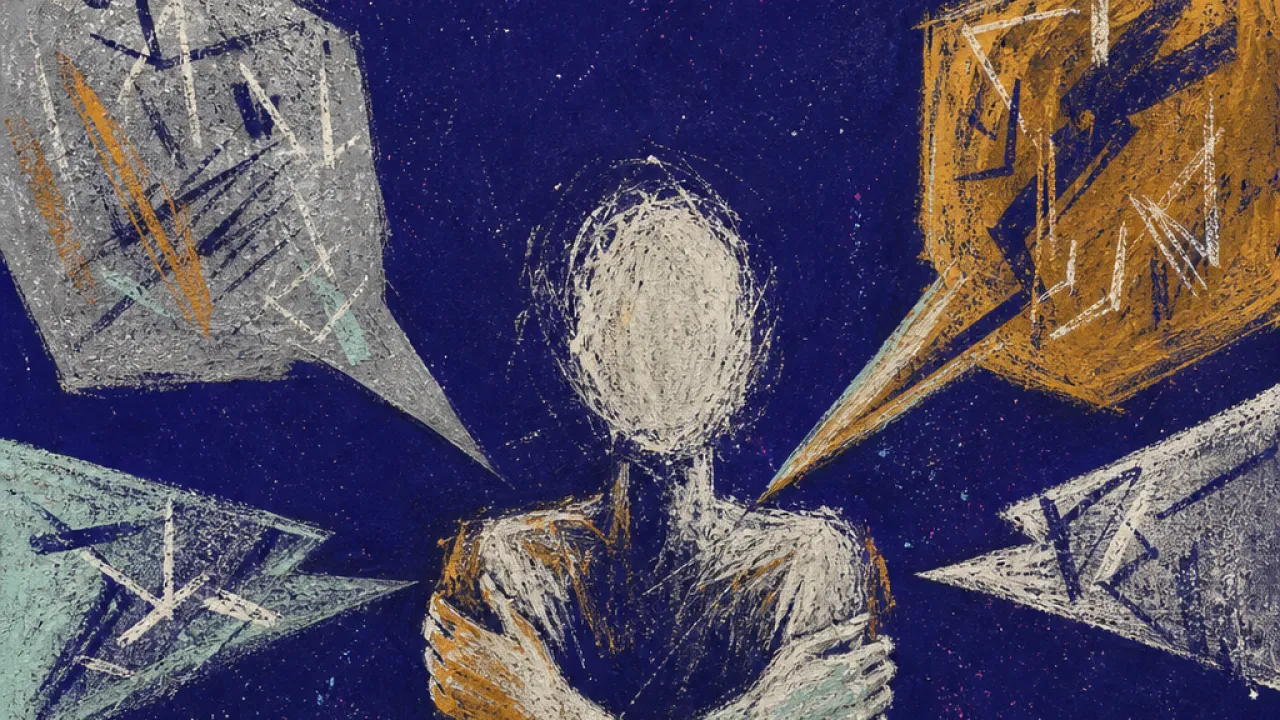
Designated Peacekeeper Burden: you notice it the moment a room, group chat, dinner table, or shared apartment goes tense and everyone looks past the people arguing and toward you. One person sends you screenshots and asks what they should say, another corners you after the hangout to explain what they meant, a relative asks you to talk to them for me, and suddenly the conflict that started between other people is sitting in your hands. You are expected to translate sharp messages into something softer, remember who can handle which tone, time your words so no one walks out, and keep the surface calm enough that birthdays, holidays, work shifts, or weekend plans can continue. The group calls you balanced, mature, easy to talk to, or 'the only one who gets it,' but those compliments come with a job assignment: stay composed, absorb the friction, make everyone readable to everyone else, and do it without asking why the people involved are not speaking directly. Over time your phone buzzing feels like a summons, your jaw locks before you open the thread, and your own plans get paused while you draft messages no one else wants to send. You are not standing outside the conflict; you have been placed between its moving parts, much like the figure on the Two of Swords, arms crossed over the heart, holding two blades apart so the sharp edges never touch.

Why it's not you?

The problem is not that you are too sensitive, too controlling, or too good at staying calm; the problem is that the group has built a shortcut through you. When translating, softening, scheduling, and calming are handed to the same person while everyone else avoids direct repair, that is an assigned role, not a flaw. The burden belongs to the setup that keeps routing conflict through you.

Designated Peacekeeper Burden in Tarot Cards

When your phone buzzes and your jaw locks before you open the thread, that is the daily shape of Designated Peacekeeper Burden. This is an environmental, structural dynamic: the group keeps routing tension through one body so the visible surface can stay calm. The cards below are not instructions; they reflect the role, the pressure, and the point where calm has been assigned instead of shared. Here are the Tarot Cards that tend to mirror this kind of peacekeeper burden.

Queen of Cups Reversed
The Queen sits composed on a carved throne, holding a cup that looks almost ceremonial. Reversed, the ceremony hardens into expectation: calmness becomes something the group assigns to one person whenever tension rises. This is the social role of the designated peacekeeper. You may be expected to translate, soften, soothe, and make conflict presentable, even when the conflict belongs to the wider group and not to you. The card exposes the hidden authority problem inside that role. The group gives you responsibility for emotional order without giving everyone else responsibility for repair.
King of Cups Reversed
Both hands are occupied: one with the cup, one with the scepter. The king is the stabilizing center of a moving sea, which makes his composure look less like leisure and more like a role the whole scene depends on. This translates into the personal growth context where other people keep making you the mature one, the mediator, the listener, or the person who can handle the difficult conversation. Your development gets delayed because your steadiness has become infrastructure for everyone else's instability. The card clarifies the difference between emotional capacity and role capture. You may have real depth, but the structure becomes draining when the group treats that depth as a public utility instead of a reciprocal relationship.
Two of Pentacles Reversed
The figure's hands are already full, and the two pentacles stay airborne only because he keeps performing the same balancing motion. Reversed, the motion reads less like skillful rhythm and more like a role that has no permission to stop. In a family system, this becomes the burden of being the person who smooths the argument, translates between relatives, anticipates reactions, and keeps the visible peace intact. You are placed at the point where the loop would otherwise break, so everyone else's instability becomes your maintenance task. The rough water behind the scene matters because the pressure is not contained to one small incident. The card shows a family rhythm where repeated conflict keeps returning to the same hands, making peacekeeping look like love while functioning as unpaid emotional infrastructure.
Three of Pentacles Reversed
The worker stands between the unfinished structure and the two figures who face him, turning his body into the hinge of the exchange. Communication, execution, and adjustment all pass through the person holding the tool. In a family setting, that arrangement becomes the role of the one who keeps everyone coordinated while other people avoid direct repair. You may be expected to translate, soften, schedule, explain, and absorb the friction so the larger structure can keep looking functional. The reversed Three of Pentacles shows the cost of being made into the family's operating mechanism. What looks like collaboration from the outside can become a burden when one person is assigned the job of holding the whole conversation together.
Five of Pentacles Reversed
One figure moves with visible injury and a crutch, yet the pair still advances through the storm together. The image makes the support role physical: a weakened body is still expected to provide motion, steadiness, and companionship in conditions that already exceed its capacity. In family systems, the Designated Peacekeeper Burden forms when one person becomes the route around conflict, silence, or emotional cold. You may be expected to translate, soften, mediate, check in, absorb tension, or keep everyone connected while the family structure itself stays closed behind the window. The card gives that invisible labor a visible outline. It shows that being useful in crisis is not the same as being properly supported, and that peacekeeping can become a family access barrier when everyone relies on your movement instead of repairing the shelter.
Eight of Pentacles Reversed
The hammer and chisel apply controlled force to make a rough object acceptable. The work happens at a boundary between the domestic structure and the visible outside world, where private effort can become public polish. In a family system, the designated peacekeeper often stands at that same boundary. You may be expected to soften messages, translate conflict, prevent blowups, repair awkward silences, or make the family look functional without anyone else changing the conditions that create the conflict. The reversed Eight of Pentacles shows peacekeeping as labor rather than temperament. It helps name where smoothing things over has become an assigned production role, and where your agency begins by refusing to be the only tool that keeps sharp dynamics presentable.
Two of Swords Upright
Two long blades held in balance across one body create a visible social workload. The figure is not merely sitting between options; her arms are physically recruited to keep opposing forces from touching. In a friend group, that becomes the burden of being the one who translates, softens, mediates, and prevents conflict from becoming visible. You may have been given belonging in exchange for holding the group together, and the card exposes how exhausting that role becomes when everyone else gets to stay lighter than the person carrying the tension.
Reversed
The crossed swords are heavy, symmetrical, and held directly across the heart. The woman is not attacking anyone, but her body is being used to keep two sharp forces from moving. A designated peacekeeper burden forms when family tension is routed through one person who is expected to keep the surface calm. You may become the person who smooths over conflict, translates emotions, monitors tone, or absorbs pressure so that others do not have to face each other directly. The card makes the cost of that role visible. Holding the peace is not the same as having peace; the body on the stone slab shows how a family system can outsource stability to one person until stillness becomes strain.
Eight of Swords Reversed
The central body is surrounded by blades but given no use of hands and no clear sightline. She is positioned exactly where the pressure is most visible, yet the tools required to intervene, choose, or separate the blades are withheld. Designated peacekeeper burden appears when a friend group expects You to absorb tension, stay neutral, translate messages, and keep the social field from breaking. The card exposes the unfairness of that role: responsibility is placed on the person in the middle, while authority and full information remain outside their reach.
King of Swords Upright
The king sits alone at the center, holding the blade that separates competing versions of events. His posture is stable, but the scene gives him no second seat, no council, and no softer instrument for carrying the social weight. For you, this captures the friendship role where everyone brings conflict to the person who can sound rational under pressure. Designated Peacekeeper Burden names the external stage where your clarity becomes a service others rely on, while the group avoids building its own capacity for direct repair.

Designated Peacekeeper Burden in Tarot Card Reading Insights

When group conflict keeps landing in one person's hands, others have brought Designated Peacekeeper Burden into readings too. The move from cards to readings shows how this role appears when someone asks why every argument needs their translation before it can continue. Tarot Reading Insights from sessions where peacekeeping has become the question.

Psychological contexts related to Designated Peacekeeper Burden